Every woman’s intimate anatomy is unique. The size, shape, symmetry, and appearance of the labia naturally vary from person to person, and there is no single definition of “normal.” While many women are comfortable with their anatomy, others may experience physical discomfort, hygiene concerns, irritation during exercise, pain during intimacy, or self-consciousness due to enlarged or asymmetrical labia.
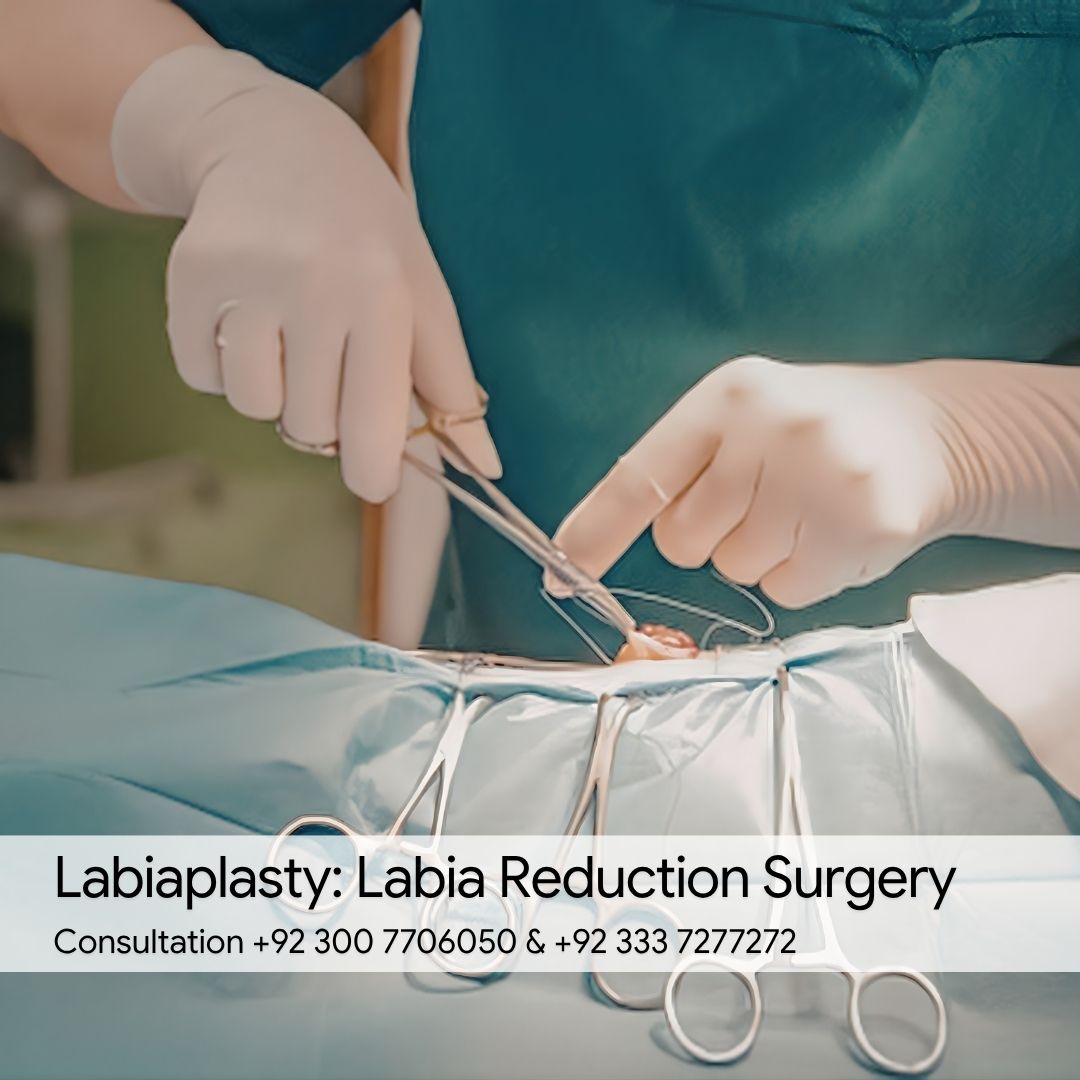
Labiaplasty is a specialized plastic surgery procedure that reshapes and reduces the size of the labia to improve comfort, function, and appearance while preserving natural anatomy. Although often associated with cosmetic enhancement, labiaplasty is frequently performed to address genuine functional concerns that affect a woman’s daily life.
Modern labiaplasty focuses on achieving natural-looking results rather than creating a standardized appearance. The procedure is carefully tailored to each patient’s anatomy, symptoms, and personal goals. When performed by an experienced plastic surgeon, labiaplasty can relieve discomfort, improve confidence, and restore balance while maintaining sensitivity and function.
This comprehensive guide explains everything patients need to know about labiaplasty, including anatomy, reasons for surgery, surgical techniques, candidacy, benefits, recovery, risks, expected results, estimated costs, and answers to the most common patient questions.
What is Labiaplasty?
Labiaplasty is a surgical procedure that reshapes, reduces, or reconstructs the labia minora (inner vaginal lips), the labia majora (outer vaginal lips), or both, depending on the patient’s anatomy and treatment goals.
The most commonly performed form of labiaplasty involves reducing enlarged labia minora that extend beyond the labia majora. Excess tissue is carefully removed while preserving healthy tissue, blood supply, sensation, and the natural contour of the vulva.
Unlike procedures performed solely for cosmetic reasons, labiaplasty often addresses physical symptoms such as irritation, pulling, discomfort while walking, cycling, exercising, wearing fitted clothing, or pain during sexual activity.
The primary goal is to improve comfort and function while achieving a balanced, proportionate, and natural appearance.
Understanding Female External Anatomy
Understanding the anatomy of the vulva helps patients better appreciate how labiaplasty works.
The external female genitalia include several important structures:
- Labia Majora: The outer folds of skin that protect the underlying structures and contain fatty tissue.
- Labia Minora: The thinner inner folds located inside the labia majora. These vary greatly in size, shape, and pigmentation.
- Clitoral Hood: A fold of tissue that covers and protects the clitoris.
- Clitoris: A highly sensitive organ involved in sexual sensation.
- Vaginal Opening: The entrance to the vaginal canal.
- Urethral Opening: The opening through which urine exits the body.
Each of these structures serves important protective and functional roles. Their appearance naturally differs among women, and asymmetry is common.
What is Labial Hypertrophy?
Labial hypertrophy refers to enlargement or elongation of the labia, most commonly the labia minora. It is a descriptive anatomical term rather than a disease or medical disorder.
Enlarged labia may be present from adolescence or develop later due to hormonal influences, pregnancy, childbirth, aging, or genetic factors. The degree of enlargement varies widely and does not necessarily indicate an underlying medical problem.
Treatment is only considered when the enlarged tissue causes persistent physical discomfort, functional limitations, hygiene challenges, or emotional distress.
Common Causes of Enlarged Labia
There is no single cause of enlarged labia. In many women, the size and shape of the labia are determined by natural anatomical variation. Other contributing factors include:
Genetics
Genetics play a significant role in determining the size, thickness, pigmentation, and symmetry of the labia. Some women naturally have larger or more prominent labia without any associated medical condition.
Puberty and Hormonal Changes
During puberty, hormonal changes influence the development of the external genitalia. The labia may enlarge or change shape as part of normal maturation.
Pregnancy and Childbirth
Pregnancy increases blood flow to the pelvic region and may stretch the vulvar tissues. Vaginal delivery can also contribute to changes in the appearance of the labia, particularly when accompanied by tissue stretching or tears.
Aging
As collagen and elastin naturally decline with age, the skin and soft tissues may lose firmness. These changes can alter the contour and support of the labia over time.
Significant Weight Fluctuations
Weight gain or weight loss may influence the volume of the labia majora, while repeated fluctuations can affect skin elasticity.
Previous Trauma or Surgery
Prior injuries, childbirth-related tears, or previous intimate procedures may contribute to asymmetry or changes in the appearance of the labia.
Why Do Women Choose Labiaplasty?
Every woman’s reasons for seeking labiaplasty are personal. For many, the decision is motivated by functional concerns rather than appearance alone.
Common reasons include:
- Persistent irritation while walking or exercising
- Discomfort during cycling, horse riding, or other sports
- Pain or pulling during sexual intercourse
- Difficulty wearing fitted clothing, leggings, or swimwear
- Recurrent chafing
- Hygiene challenges due to excess tissue
- Asymmetrical labia causing discomfort
- Loss of confidence related to intimate appearance
- Changes following pregnancy or childbirth
A consultation with a qualified plastic surgeon helps determine whether surgery is appropriate based on individual symptoms and anatomy.
Signs You May Be a Candidate for Labiaplasty
You may benefit from a professional evaluation if you experience:
- Enlarged labia that interfere with daily activities
- Repeated irritation from clothing
- Chronic discomfort during exercise
- Pain during intimate relationships
- Difficulty maintaining hygiene because of excess tissue
- Noticeable asymmetry causing functional problems
- Dissatisfaction with the appearance of the labia after childbirth or aging
- Stable physical health and realistic expectations regarding surgery
Not every woman with larger labia requires surgery. Treatment is recommended only when symptoms or personal concerns significantly affect quality of life.
Who is an Ideal Candidate?
Suitable candidates for labiaplasty generally include women who:
- Are in good overall health
- Have fully developed genital anatomy
- Experience physical or functional symptoms
- Have realistic expectations about the results
- Are non-smokers or willing to stop smoking before surgery
- Have no active genital or urinary infections
- Understand the recovery process and post-operative restrictions
The decision to proceed should always follow a detailed consultation and physical examination.
Who Should Postpone Surgery?
Labiaplasty may be delayed in certain situations, including:
- Pregnancy
- Active genital infections
- Uncontrolled medical conditions
- Poor wound healing disorders
- Unrealistic expectations regarding surgical outcomes
Your surgeon will recommend the safest timing based on your overall health and treatment goals.
Medical Assessment Before Surgery
A thorough pre-operative assessment is essential for planning safe and effective surgery.
The consultation typically includes:
- Detailed medical history
- Review of previous pregnancies and surgeries
- Discussion of symptoms and treatment goals
- Physical examination of the vulvar anatomy
- Assessment of asymmetry and tissue quality
- Medication review
- Allergy history
- Laboratory investigations if indicated
This evaluation helps determine the most appropriate surgical technique and whether additional procedures may be beneficial.
Can Labiaplasty Be Combined with Other Procedures?
Yes. Labiaplasty is frequently combined with other intimate surgical procedures to achieve comprehensive functional and aesthetic improvement when clinically appropriate.
Depending on the patient’s anatomy and concerns, it may be performed alongside:
- Vaginoplasty to restore vaginal muscle support and tighten the vaginal canal.
- Perineoplasty to repair and strengthen the perineal tissues.
- Clitoral Hood Reduction to address excess tissue surrounding the clitoris.
- Monsplasty to improve the contour of the mons pubis.
- Labia Majora Augmentation or Reduction to restore balance between the inner and outer labia.
Combining procedures can provide harmonious results while allowing patients to recover during a single healing period.
Benefits of Labiaplasty
For appropriately selected patients, labiaplasty may offer both functional and aesthetic benefits.
Potential advantages include:
- Relief from chronic irritation and chafing
- Improved comfort while walking, exercising, and cycling
- Reduced discomfort during sexual activity
- Easier personal hygiene
- Improved symmetry of the labia
- Enhanced comfort in fitted clothing and swimwear
- Restoration of confidence in intimate settings
- Natural-looking results tailored to individual anatomy
- Long-lasting improvement when performed by an experienced plastic surgeon
The exact outcome depends on the patient’s anatomy, surgical technique, healing response, and adherence to post-operative care instructions.
Psychological and Quality-of-Life Benefits
Many women report improvements that extend beyond physical comfort. Following recovery, patients often describe:
- Greater confidence in their body image
- Reduced self-consciousness during intimacy
- Increased comfort participating in sports and fitness activities
- Less anxiety related to clothing choices
- Improved overall quality of life
It is important to recognize that labiaplasty is a personal decision. The goal is not to meet a particular aesthetic standard but to address symptoms and concerns that are meaningful to the individual patient.
Types of Labiaplasty
Labiaplasty is not a single surgical technique. Plastic surgeons select the most appropriate approach based on the patient’s anatomy, the amount of excess tissue, symmetry, tissue quality, and desired outcome. The objective is to preserve the natural appearance and function of the vulva while relieving discomfort and improving balance.
A personalized surgical plan is essential because every woman’s anatomy is unique.
Trim Technique Labiaplasty
The trim technique, also known as the edge resection technique, is one of the most commonly performed methods of labia minora reduction.
During this procedure, the surgeon carefully removes excess tissue along the outer edge of the labia minora. The remaining tissue is then meticulously reshaped to create a smoother, more symmetrical contour.
Advantages
- Effective for significantly enlarged labia
- Removes darker or irregular tissue along the edge
- Creates a smooth contour
- Reliable and well-established technique
Considerations
The procedure should be performed conservatively to preserve natural anatomy, adequate tissue, and sensation.
Wedge Technique Labiaplasty
The wedge technique removes a wedge-shaped section from the thickest portion of the labia while preserving the natural outer border.
Instead of trimming the entire edge, the surgeon reconstructs the remaining tissue to maintain the patient’s natural contour.
Advantages
- Preserves the natural labial edge
- Maintains normal pigmentation
- Produces a natural appearance
- Suitable for selected patients with central tissue enlargement
Considerations
Careful surgical planning is required to maintain adequate blood supply during healing.
Deepithelialization Technique
This technique removes only the superficial layer of tissue from selected areas without removing the full thickness of the labia.
It is generally appropriate for women with mild enlargement who wish to preserve most of their natural anatomy.
Composite Reduction Labiaplasty
Composite reduction combines labia minora reduction with reshaping of surrounding tissues, including the clitoral hood when clinically indicated.
This approach may improve overall harmony while maintaining normal anatomical relationships.
The decision to include additional procedures is based on careful examination rather than cosmetic preference alone.
Labia Majora Reduction
Although less common than labia minora surgery, some women experience enlarged or prominent labia majora.
Reduction surgery removes excess skin and, when necessary, underlying tissue to improve contour while maintaining protection of the vulva.
Labia Majora Augmentation
Loss of volume in the labia majora may occur due to aging, significant weight loss, or natural anatomical variation.
Selected patients may benefit from volume restoration using:
- Fat grafting
- Other appropriate soft tissue augmentation techniques
The objective is to restore fullness while maintaining a natural appearance.
Which Surgical Technique is Best?
There is no universally “best” labiaplasty technique.
The ideal procedure depends upon:
- Individual anatomy
- Degree of enlargement
- Skin quality
- Tissue thickness
- Symmetry
- Functional symptoms
- Patient expectations
- Surgeon’s clinical assessment
An experienced plastic surgeon selects the technique that provides the safest and most natural result for each individual.
Step-by-Step Labiaplasty Procedure
Understanding the surgical process helps patients feel more confident before treatment.
Although techniques vary slightly, most procedures follow a similar sequence.
Step 1: Consultation and Surgical Planning
Every successful outcome begins with a comprehensive consultation.
During this appointment, the surgeon discusses:
- Medical history
- Previous pregnancies
- Previous surgeries
- Current symptoms
- Lifestyle
- Functional concerns
- Aesthetic goals
A physical examination is then performed to evaluate:
- Labial size
- Symmetry
- Tissue quality
- Skin elasticity
- Clitoral hood anatomy
- Labia majora contour
Photographic documentation may be performed with patient consent for surgical planning and medical records.
Step 2: Anesthesia
Labiaplasty may be performed using:
- Local anesthesia with sedation
- General anesthesia
The choice depends on:
- Surgical complexity
- Patient preference
- Additional procedures
- Medical history
The primary goal is to ensure patient comfort throughout surgery.
Step 3: Surgical Marking
Before surgery begins, precise markings identify:
- Excess tissue
- Natural skin folds
- Areas requiring correction
- Important anatomical landmarks
Careful planning helps achieve symmetry while preserving normal anatomy.
Step 4: Tissue Reduction
Using delicate surgical instruments, the surgeon removes only the planned amount of tissue.
Throughout the procedure, careful attention is given to preserving:
- Blood vessels
- Nerves
- Healthy tissue
- Natural contour
Conservative reduction is generally preferred over excessive tissue removal.
Step 5: Reconstruction
After tissue reduction, the remaining labial tissue is reshaped.
The goal is to produce:
- Smooth contours
- Balanced symmetry
- Natural appearance
- Comfortable anatomy
Step 6: Fine Suturing
The surgical site is closed using fine absorbable sutures.
These stitches dissolve naturally during healing and usually do not require removal.
Step 7: Recovery Observation
Patients remain under observation until they are comfortable and medically stable.
Most women return home on the same day.
How Long Does Labiaplasty Take?
Most procedures require approximately:
60–120 minutes
The duration varies depending on:
- Surgical technique
- Complexity
- Additional procedures
- Individual anatomy
Is Labiaplasty Painful?
Patients do not experience pain during surgery because anesthesia is used.
After the procedure, it is common to experience:
- Mild soreness
- Swelling
- Bruising
- Tightness
- Temporary sensitivity
Most women describe recovery discomfort as manageable with prescribed medication and proper post-operative care.
Recovery After Labiaplasty
Healing occurs gradually, and each patient recovers at her own pace.
Understanding the expected timeline helps patients prepare for surgery.
First 24 Hours
Immediately following surgery, patients commonly experience:
- Swelling
- Mild spotting
- Bruising
- Tenderness
- Temporary discomfort while walking
Rest is encouraged during this period.
Cold compresses may be recommended according to the surgeon’s instructions to help reduce swelling.
First Week
During the first week:
- Swelling reaches its maximum before gradually improving.
- Mild bruising becomes more noticeable.
- Walking short distances is encouraged.
- Sitting may initially feel uncomfortable.
- Good hygiene is essential.
Patients should avoid strenuous physical activity.
Second Week
By the second week:
- Swelling begins to decrease significantly.
- Walking becomes easier.
- Bruising gradually fades.
- Daily activities become more comfortable.
Many women with office-based jobs are able to return to work, depending on their recovery.
Weeks Three and Four
Healing continues steadily.
Patients often notice:
- Improved comfort
- Reduced swelling
- Better mobility
- Less tenderness
Although external healing progresses well, deeper tissues continue to strengthen.
Weeks Five and Six
Most patients can gradually resume:
- Normal daily routines
- Light exercise
- Longer walks
Heavy lifting and high-impact activities should still be resumed only after medical clearance.
Around Six Weeks
Depending on healing progress, many women receive approval to gradually resume:
- Sexual intercourse
- Cycling
- Running
- Swimming
- Gym workouts
The exact timeline varies between patients.
Recovery Tips
Following post-operative instructions contributes significantly to successful healing.
Patients are generally advised to:
- Keep the area clean and dry.
- Wear loose cotton underwear.
- Avoid tight clothing.
- Stay hydrated.
- Eat a balanced diet rich in protein.
- Prevent constipation.
- Take medications exactly as prescribed.
- Attend follow-up appointments.
- Avoid smoking during healing.
Activities to Avoid During Recovery
Until healing is complete, patients are usually advised to avoid:
- Sexual intercourse
- Tampon use
- Swimming pools
- Hot tubs
- Cycling
- Horse riding
- Heavy lifting
- Running
- High-impact sports
- Smoking
Following these recommendations reduces the risk of complications.
Possible Risks and Complications
Like every surgical procedure, labiaplasty carries potential risks. Fortunately, serious complications are uncommon when surgery is performed by a qualified plastic surgeon using meticulous surgical technique.
Possible risks include:
- Bleeding
- Infection
- Swelling
- Bruising
- Delayed wound healing
- Temporary numbness
- Scar tissue formation
- Minor asymmetry
- Wound separation
- Persistent discomfort
- Unsatisfactory cosmetic result
- Need for revision surgery in selected cases
Careful patient selection, sterile technique, and proper aftercare significantly reduce these risks.
Warning Signs That Require Medical Attention
Patients should promptly contact their surgeon if they experience:
- Heavy bleeding
- Increasing swelling
- Fever
- Foul-smelling discharge
- Severe pain not controlled with medication
- Wound opening
- Difficulty passing urine
- Signs of infection
Early treatment helps prevent more serious complications.
Will There Be Scars?
All surgical procedures create scars; however, labiaplasty incisions are placed within the natural folds of the vulva, where they typically heal very well.
Over time, scars generally become softer and less noticeable.
Proper wound care and adherence to post-operative instructions contribute to optimal scar maturation.
Does Labiaplasty Affect Sensation?
One of the most common concerns among patients is whether surgery affects sensitivity.
When performed by an experienced plastic surgeon using careful tissue preservation techniques, labiaplasty is designed to maintain the normal nerve supply and blood circulation.
Temporary changes in sensation may occur during healing due to swelling, but these usually improve as recovery progresses.
Before and After Expectations
Patients should have realistic expectations regarding the outcome of surgery.
The goals of labiaplasty include:
- Reducing excess tissue
- Improving symmetry
- Relieving discomfort
- Preserving natural anatomy
- Enhancing comfort during physical activity
- Achieving a balanced appearance
The final result develops gradually as swelling resolves and tissues mature over several months.
How Long Do Results Last?
The results of labiaplasty are generally considered long-lasting because excess tissue that has been surgically removed does not grow back.
However, natural aging, pregnancy, childbirth, hormonal changes, and significant weight fluctuations may influence the appearance of the surrounding tissues over time.
For most women, the improvement in comfort and anatomy remains stable for many years after surgery.
Labiaplasty vs Non-Surgical Vaginal Rejuvenation
Many women ask whether a non-surgical treatment can replace labiaplasty. While energy-based technologies such as radiofrequency or high-intensity focused ultrasound (HIFU) may improve skin quality or stimulate collagen production in selected cases, they cannot remove excess labial tissue or reshape enlarged labia.
Labiaplasty remains the most effective option for women whose primary concern is enlarged, elongated, or asymmetrical labia that cause physical discomfort or functional limitations.
| Feature | Labiaplasty | Non-Surgical Treatments |
|---|---|---|
| Removes Excess Labial Tissue | Yes | No |
| Corrects Asymmetry | Yes | Limited |
| Improves Functional Discomfort | Yes | Limited |
| Stimulates Collagen | Indirectly through healing | Yes |
| Immediate Tissue Reduction | Yes | No |
| Downtime | Moderate | Minimal |
| Longevity | Long-lasting | Temporary, maintenance sessions may be required |
A detailed consultation helps determine whether surgery or a non-surgical approach is more appropriate based on your anatomy, symptoms, and treatment goals.
Labiaplasty and Future Pregnancy
Many women are concerned about whether labiaplasty affects fertility or pregnancy.
Labiaplasty does not affect the uterus, ovaries, fallopian tubes, or reproductive hormones. The procedure is performed on the external genital tissues and does not interfere with the ability to become pregnant.
However, pregnancy and vaginal childbirth may alter the appearance of the vulva due to stretching of the tissues. For women planning pregnancy in the near future, the timing of surgery should be discussed with the surgeon during consultation.
Does Labiaplasty Affect Childbirth?
Most women are still able to have a vaginal delivery after labiaplasty. Nevertheless, childbirth may stretch the tissues and potentially influence the long-term cosmetic outcome.
Women who have completed their families often choose to undergo surgery after their final pregnancy to help preserve the results for as long as possible.
Hygiene After Labiaplasty
Maintaining good hygiene is an important part of recovery and long-term vulvar health.
Patients are generally advised to:
- Clean the area gently using the method recommended by their surgeon.
- Keep the surgical site dry after washing.
- Wear breathable cotton underwear.
- Avoid perfumed soaps, sprays, or products that may cause irritation.
- Follow all post-operative care instructions carefully.
Good hygiene helps support healing and reduces the risk of infection.
Choosing an Experienced Plastic Surgeon
The success of labiaplasty depends not only on the procedure itself but also on the expertise of the surgeon performing it.
When choosing a surgeon, consider the following:
- Recognized specialist training in plastic surgery.
- Experience with intimate reconstructive and aesthetic procedures.
- A thorough consultation and individualized treatment planning.
- Clear communication regarding expected outcomes, benefits, limitations, and potential risks.
- A strong commitment to patient privacy, confidentiality, and post-operative care.
Selecting an experienced surgeon helps maximize both safety and patient satisfaction.
Estimated Labiaplasty Cost in Pakistan
The cost of labiaplasty varies according to several factors, including:
- Surgeon’s qualifications and experience.
- Complexity of the procedure.
- Surgical facility and operating theatre.
- Type of anesthesia.
- Laboratory investigations.
- Whether additional procedures are performed at the same time.
- Follow-up care.
Estimated Price Range
Estimated Cost: PKR 150,000 to PKR 350,000
The final cost depends on the patient’s individual anatomy, surgical plan, and any associated treatments. A personalized consultation provides the most accurate estimate.
International Labiaplasty Cost Comparison
The following table provides approximate price ranges for labiaplasty in several countries. Actual costs vary according to the surgeon, healthcare system, and services included.
| Country | Estimated Cost (Local Currency) | Approximate Range |
|---|---|---|
| Pakistan | PKR 150,000 – 350,000 | Plastic surgeon and facility dependent |
| United Kingdom | GBP £3,000 – £6,500 | Private healthcare |
| United States | USD $4,000 – $9,000 | Surgeon and location dependent |
| Canada | CAD $5,000 – CAD $10,000 | Private surgical centres |
| Australia | AUD $5,500 – AUD $10,000 | Hospital and surgeon dependent |
| United Arab Emirates | AED 15,000 – AED 30,000 | Private cosmetic hospitals |
| Saudi Arabia | SAR 15,000 – SAR 30,000 | Varies by city and surgeon |
| Turkey | TRY Equivalent of USD $2,000 – $5,000 | Popular medical tourism destination |
| Germany | EUR €3,500 – €7,000 | Private clinics |
| France | EUR €3,500 – €7,500 | Private healthcare |
| India | INR ₹1,20,000 – ₹3,50,000 | Based on hospital and surgeon |
These figures are approximate estimates and may vary depending on the healthcare provider, exchange rates, hospital facilities, and the complexity of the procedure.
Frequently Asked Questions (FAQ)
What is labiaplasty?
Labiaplasty is a plastic surgery procedure that reshapes or reduces the labia minora, labia majora, or both to improve comfort, function, and appearance while preserving normal anatomy.
Why do women choose labiaplasty?
Common reasons include discomfort during exercise, irritation from clothing, pain during intimacy, difficulty maintaining hygiene, asymmetry, and dissatisfaction with the appearance of the labia.
Is labiaplasty only a cosmetic procedure?
No. Although it can improve appearance, many women seek labiaplasty to relieve physical symptoms such as chronic irritation, chafing, and functional discomfort.
How long does the procedure take?
Most procedures are completed within one to two hours, depending on the surgical technique and whether additional procedures are performed.
Is labiaplasty painful?
The surgery is performed under anesthesia, so patients do not experience pain during the procedure. Mild soreness, swelling, and tenderness during recovery are expected and are usually managed with prescribed medication.
How long does recovery take?
Most patients return to light daily activities within one to two weeks. Complete healing continues over several weeks, and strenuous activities should only resume after medical clearance.
When can sexual activity resume?
Sexual intercourse is generally postponed for approximately six weeks or until the surgeon confirms that healing is complete.
Will the scars be visible?
Incisions are carefully placed within the natural folds of the vulva, where scars usually become discreet as healing progresses.
Can labiaplasty affect sensation?
When performed by an experienced plastic surgeon, the procedure is designed to preserve the normal nerve supply. Temporary changes in sensation during healing may occur but usually improve over time.
Can I exercise after surgery?
Light walking is encouraged early in recovery. Running, cycling, heavy lifting, swimming, and other strenuous activities should be delayed until approved by your surgeon.
Can I become pregnant after labiaplasty?
Yes. Labiaplasty does not affect fertility or the ability to become pregnant.
Will childbirth affect the results?
Future vaginal childbirth may stretch the tissues and influence the long-term cosmetic outcome.
Are the stitches removed?
Most surgeons use dissolvable sutures that are naturally absorbed during healing.
Is labiaplasty permanent?
The removed tissue does not grow back. While the results are generally long-lasting, natural aging, pregnancy, and hormonal changes may alter the surrounding tissues over time.
Who is the best candidate for labiaplasty?
Healthy women who experience functional symptoms or have concerns about enlarged or asymmetrical labia, and who have realistic expectations, are often suitable candidates following a professional assessment.
Why Choose Aesthedoc Clinic?
At Aesthedoc Clinic, intimate plastic surgery is performed with a focus on patient safety, privacy, comfort, and individualized care.
Patients benefit from:
- Comprehensive consultation and clinical assessment.
- Personalized treatment planning based on anatomy and symptoms.
- Modern surgical techniques aimed at preserving natural appearance and function.
- Strict standards of patient confidentiality.
- Detailed pre-operative counselling.
- Structured post-operative follow-up and recovery guidance.
Every treatment plan is tailored to the individual patient rather than using a standardized approach.
Meet Your Plastic Surgeon
Dr. Nadiya Tariq
Plastic Surgeon
Academic Qualifications
- FCPS (Plastic Surgery) – College of Physicians & Surgeons Pakistan (CPSP)
- MBBS – University of Health Sciences (UHS), Lahore
Professional Registrations
- Pakistan Medical & Dental Council (PMDC) – Active Registration
- Irish Medical Council (IMC) – Active Registration
Dr. Nadiya Tariq provides patient-centred plastic and reconstructive surgical care with an emphasis on safety, precision, and natural-looking outcomes. Each patient undergoes a comprehensive consultation to ensure that treatment recommendations are based on clinical assessment, anatomy, and personal goals.
Book a Confidential Consultation at Aesthedoc Clinic
If enlarged or uncomfortable labia are affecting your confidence, comfort, or quality of life, a confidential consultation can help you understand the available treatment options.
At Aesthedoc Clinic, every patient receives an individualized evaluation to determine whether labiaplasty or another treatment is the most appropriate choice.
During your consultation, you will receive:
- A detailed medical assessment.
- Discussion of your concerns and treatment goals.
- Physical examination when appropriate.
- Explanation of suitable treatment options.
- Personalized surgical recommendations.
- Guidance regarding preparation, recovery, expected outcomes, and estimated costs.
Contact Aesthedoc Clinic
Phone / WhatsApp: +92 300 7706050
Email: info@aesthedoc.com
Whether your concerns relate to physical discomfort, asymmetry, hygiene, or changes after pregnancy or aging, a professional consultation can help you make an informed decision about your treatment.
Final Thoughts
Labiaplasty is a safe and effective procedure for women seeking relief from physical discomfort or wishing to improve the shape and balance of the labia. Beyond aesthetic enhancement, the procedure can address irritation, functional limitations, and quality-of-life concerns that affect everyday activities.
Successful outcomes rely on careful patient selection, a personalized surgical approach, realistic expectations, and the expertise of a qualified plastic surgeon. By choosing an experienced surgeon and following comprehensive post-operative care, patients can achieve natural-looking, long-lasting results that enhance both comfort and confidence.