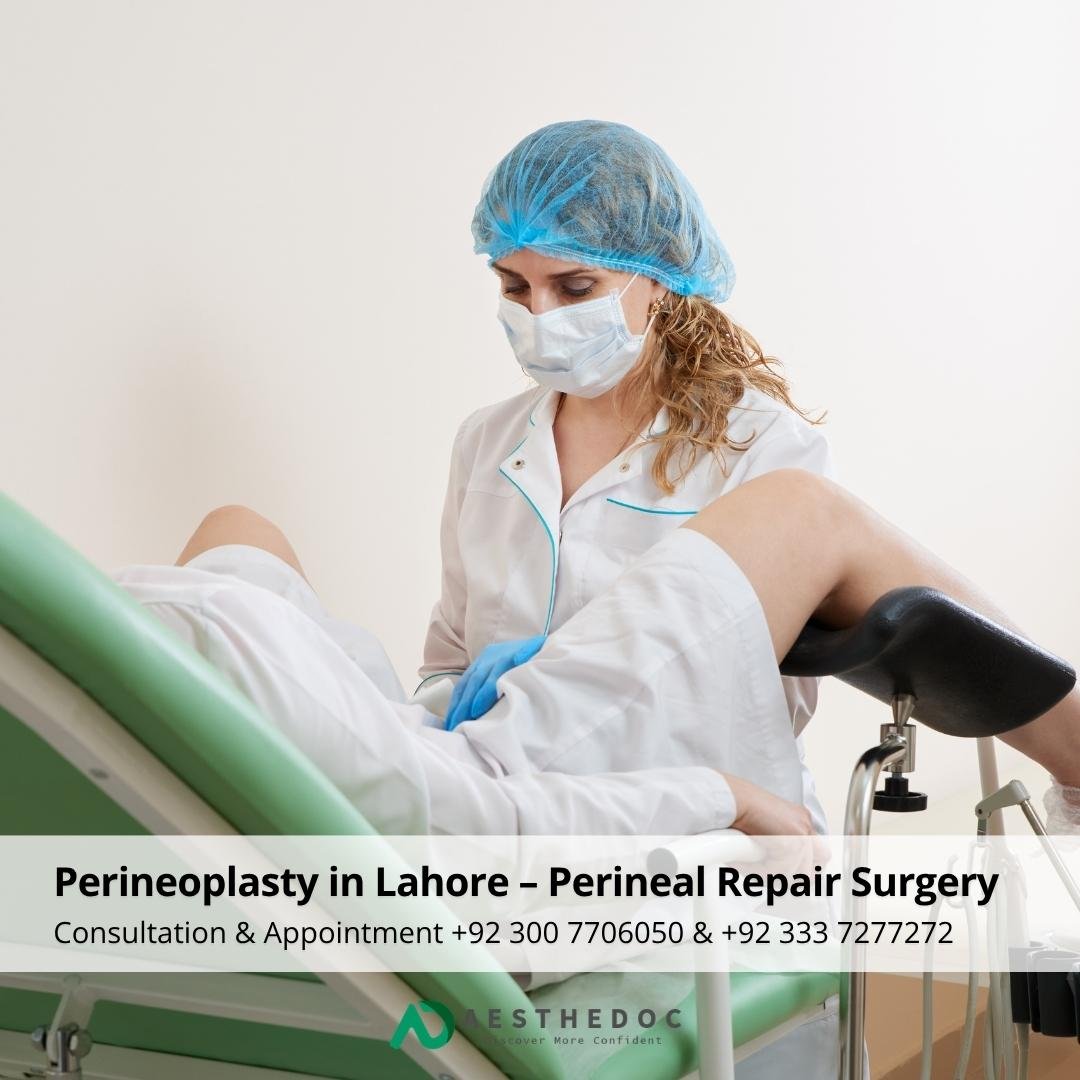
Perineoplasty is a gynecological reconstructive procedure that involves repairing or reshaping the perineum, the area between the vaginal opening and the anus. It may be considered by women experiencing childbirth-related perineal injury, scar tissue, changes in the vaginal opening or persistent discomfort associated with damaged perineal structures.
Women searching for perineoplasty in Lahore often want to understand treatment options after vaginal delivery, episiotomy repair, perineal tears or changes in intimate anatomy. Some women experience discomfort while sitting, exercising or having intercourse, while others are concerned about the appearance of the perineal area.
The perineum plays an important role in pelvic floor support. Injuries during childbirth can sometimes affect the surrounding muscles, connective tissues and skin. However, not every childbirth-related change requires surgery.
A gynecological assessment helps identify whether the problem involves scar tissue, muscle injury, pelvic floor dysfunction, vaginal wall prolapse or another condition.
This guide explains perineoplasty, its indications, surgical procedure, recovery, potential complications, cost considerations and the importance of selecting an appropriately qualified surgeon.
What Is Perineoplasty?
Perineoplasty is a surgical procedure that repairs or reconstructs the perineal area.
The perineum is the region between the vaginal opening and the anus. It contains skin, connective tissue and muscles that contribute to pelvic floor support.
The procedure may involve:
- Repairing selected perineal tissue defects
- Removing or releasing problematic scar tissue
- Reconstructing damaged perineal structures
- Addressing selected changes following childbirth
- Restoring the anatomy of the perineal body when clinically indicated
The exact procedure depends on the type and extent of injury.
Perineoplasty is different from vaginoplasty. Perineoplasty primarily addresses the perineum, whereas vaginoplasty involves reconstruction or modification of the vaginal canal and surrounding tissues.
Understanding the Perineum and Its Function
The perineum is an important part of female pelvic anatomy.
It lies between the vaginal opening and anus and includes the perineal body, which provides support for several surrounding pelvic floor structures.
Its functions include:
- Supporting the pelvic floor.
- Contributing to the stability of the vaginal opening.
- Providing attachment points for pelvic floor muscles.
- Helping maintain the structural relationship between the vagina and anus.
- Contributing to normal pelvic floor function.
Injury to this region may cause pain, scar sensitivity, changes in anatomy or problems with pelvic floor support.
The severity of symptoms depends on the nature of the injury and the tissues affected.
Why Do Women Consider Perineoplasty in Lahore?
Women may seek perineal repair surgery for different reasons.
1. Perineal tears during childbirth
During vaginal delivery, the perineum may stretch or tear as the baby passes through the birth canal.
Perineal tears are classified into four degrees:
- First-degree tear: involves the skin and superficial tissue.
- Second-degree tear: involves the perineal muscles but not the anal sphincter.
- Third-degree tear: involves the anal sphincter complex.
- Fourth-degree tear: extends through the anal sphincter into the anorectal mucosa.
Third- and fourth-degree tears are known as obstetric anal sphincter injuries and require specialist assessment and repair.
Some women experience persistent symptoms after an injury has healed. Depending on the findings, reconstructive treatment may be considered.
2. Episiotomy scars
An episiotomy is a surgical incision made in the perineum during selected vaginal deliveries.
Most episiotomies heal without requiring additional surgery. However, some women develop scar sensitivity, discomfort, tightness or changes in the appearance of the perineal area.
Treatment depends on the scar and symptoms. Conservative scar care, pelvic floor physiotherapy or selected surgical revision may be appropriate.
3. Changes in the vaginal opening
Childbirth-related injury may change the shape or support of the vaginal opening.
Some women report a feeling of reduced support or altered anatomy.
An examination is necessary to determine whether the concern involves the perineal body, vaginal wall, pelvic floor muscles or another structure.
4. Pain during intercourse
Pain during intercourse following childbirth may be related to perineal scarring, pelvic floor muscle overactivity, vaginal dryness, infection or other conditions.
Perineoplasty may be considered in selected women with a clearly identified structural or scar-related problem.
However, pain during intercourse should not automatically be treated with surgery.
5. Perineal scarring and tissue distortion
Some women develop irregular scar tissue following childbirth, surgery or trauma.
Scar tissue may cause pulling, tenderness or discomfort during movement.
Treatment should be based on an examination and may include conservative management or selected scar revision.
6. Reconstructive concerns after previous surgery
Women who have undergone previous perineal procedures may occasionally experience wound problems, scar-related discomfort or changes in anatomy.
A specialist assessment can help determine whether further reconstruction is appropriate.
What Is the Difference Between Perineoplasty and Episiotomy Repair?
These procedures are related but not identical.
| Feature | Episiotomy repair | Perineoplasty |
|---|---|---|
| Purpose | Closes an episiotomy incision after delivery | Reconstructs or modifies perineal tissues |
| Timing | Usually performed immediately after childbirth | May be considered later for selected problems |
| Main indication | Fresh surgical incision | Persistent scar, structural defect or injury |
| Treatment approach | Repair of the original incision | Individualised reconstruction or revision |
A woman with a healed episiotomy does not automatically need perineoplasty.
What Is the Difference Between Perineoplasty and Vaginoplasty?
Both procedures may be discussed in cosmetic and reconstructive gynecology, but they involve different anatomical areas.
| Feature | Perineoplasty | Vaginoplasty |
|---|---|---|
| Main area | Perineum between vagina and anus | Vaginal canal and selected supporting tissues |
| Primary focus | Perineal reconstruction | Vaginal reconstruction or selected tissue repair |
| Common context | Childbirth-related perineal injury and scarring | Selected vaginal structural concerns |
| Surgical plan | Depends on perineal tissue and muscle findings | Depends on vaginal anatomy and indication |
Some patients may have concerns involving both areas, but combined surgery should only be considered when clinically appropriate.
Who May Be Suitable for Perineoplasty?
Suitability depends on the symptoms, examination findings and extent of tissue damage.
A woman may be considered for perineoplasty when:
- She has a clearly identified perineal scar or structural defect.
- Symptoms persist and are related to the affected tissue.
- Conservative treatments have been considered where appropriate.
- The proposed procedure addresses the actual anatomical problem.
- Her general health allows surgery.
- She understands the potential benefits and complications.
- She has realistic expectations.
- She is making the decision voluntarily.
Women with severe perineal pain or pelvic floor muscle dysfunction may need physiotherapy or another form of treatment rather than surgery.
Who Should Avoid or Delay Perineoplasty?
Surgery may need to be postponed or reconsidered in situations such as:
- Active infection
- Unhealed childbirth injury
- Pregnancy
- Unexplained vaginal or rectal bleeding
- Untreated vulvar or perineal skin disease
- Uncontrolled medical conditions
- Significant unresolved pelvic floor pain
- Recent childbirth before adequate recovery
- Unrealistic expectations
Women with a history of third- or fourth-degree tears, fecal incontinence or persistent bowel-control symptoms may need specialist assessment before any elective perineal procedure.
How Is Perineoplasty Performed?
The surgical approach depends on the patient’s anatomy, the location of the scar or defect and the structures requiring repair.
A general treatment pathway includes the following stages.
Step 1: Consultation and medical history
The gynecologist reviews:
- Pregnancy and childbirth history
- Previous vaginal deliveries
- Episiotomy history
- Degree of previous perineal tears, if known
- Previous repair operations
- Pain or discomfort
- Urinary or bowel symptoms
- Current medication and medical conditions
Step 2: Clinical examination
With informed consent, the surgeon examines the perineum and surrounding tissues.
The assessment may include:
- Perineal scar location
- Skin and tissue quality
- Perineal body integrity
- Vaginal opening
- Pelvic floor muscle function
- Signs of prolapse or other injury
If an anal sphincter injury is suspected, additional specialist assessment may be required.
Step 3: Treatment planning
The surgeon explains whether conservative management or surgery is more appropriate.
If perineoplasty is recommended, the planned reconstruction, anaesthesia, risks and recovery requirements should be discussed.
Step 4: Anaesthesia
The anaesthesia approach depends on the extent of surgery and the patient’s medical needs.
Step 5: Surgical reconstruction
Depending on the findings, the surgeon may remove or release selected scar tissue and reconstruct the perineal tissues.
If deeper muscle or connective tissue repair is necessary, the surgical plan should address the relevant structures.
Absorbable sutures are commonly used for closure.
Step 6: Postoperative monitoring
The patient is monitored according to the operation and anaesthesia plan.
The clinical team provides instructions about hygiene, pain relief, bowel care, activity and follow-up.
Benefits of Perineoplasty
Potential benefits depend on the reason for surgery.
For selected women, perineoplasty may:
- Repair a specific perineal structural defect.
- Address selected childbirth-related scar problems.
- Improve comfort associated with a painful scar.
- Reconstruct the perineal body when indicated.
- Correct selected changes in the perineal anatomy.
However, the procedure cannot guarantee improved sexual satisfaction, complete pain relief or a particular cosmetic appearance.
The intended clinical benefit should be clearly explained before surgery.
Does Perineoplasty Improve Sexual Comfort?
Some women experience discomfort during intercourse because of perineal scarring or structural changes.
If a specific scar-related problem is identified, treating it may improve comfort in selected cases.
However, pain during intercourse can have many other causes, including:
- Pelvic floor muscle overactivity
- Vaginal dryness
- Hormonal changes
- Vulvar skin disorders
- Infection
- Endometriosis
- Nerve-related pain
- Psychological and relationship factors
A gynecological assessment is necessary to identify the cause. Surgery should not be recommended without understanding the source of pain.
Perineoplasty After Childbirth: When Should It Be Considered?
Perineoplasty is not a routine operation after vaginal delivery.
Many childbirth-related injuries heal with appropriate initial repair and postoperative care.
Women should seek assessment if they experience:
- Persistent perineal pain
- Painful or tight scar tissue
- Ongoing discomfort during intercourse
- A noticeable structural defect
- Persistent wound problems
- Difficulty with daily activities
- Bowel-control symptoms following a severe tear
The timing of any reconstructive procedure depends on healing, symptoms, tissue condition and the patient’s overall health.
Women planning another pregnancy should discuss the timing and possible effect of future childbirth on the surgical result.
Possible Risks and Complications of Perineoplasty
Perineoplasty is surgery and carries potential risks.
Possible complications include:
- Bleeding
- Infection
- Swelling and bruising
- Wound separation
- Delayed healing
- Scar formation
- Persistent perineal pain
- Pain during intercourse
- Excessive tissue tightness
- Altered sensation
- Unsatisfactory cosmetic result
- Need for additional treatment
The risk depends on the extent of reconstruction, previous injury, health conditions and surgical technique.
Patients should ask how complications will be managed and what follow-up arrangements are available.
Recovery After Perineoplasty
Recovery varies according to the extent of tissue reconstruction and individual healing.
Some women experience temporary swelling, tenderness and discomfort around the surgical area.
Early recovery
During the initial recovery period, patients may need to:
- Rest according to the surgeon’s instructions.
- Use prescribed pain relief.
- Follow local hygiene instructions.
- Avoid strenuous activity.
- Avoid pressure or friction around the surgical area.
- Follow bowel-care advice to reduce excessive straining.
During the following weeks
Depending on the operation, patients may need to avoid:
- Heavy lifting
- Intense exercise
- Cycling
- Activities that cause pressure on the perineum
- Vaginal intercourse
- Inserting tampons or other objects vaginally
The surgeon should explain which restrictions apply and when they can be relaxed.
Bowel care after surgery
Because the perineum is close to the anus, avoiding constipation and excessive straining may be important during healing.
Patients should follow the treating clinician’s advice about fluids, dietary fibre and any recommended medication.
When can sexual intercourse resume?
Intercourse should be avoided until the surgeon confirms that the wound has healed adequately.
The appropriate interval varies according to the operation and individual recovery.
When Should a Patient Contact the Doctor After Perineoplasty?
Medical review is important if a patient experiences:
- Increasing pain
- Fever
- Heavy bleeding
- Foul-smelling discharge
- Increasing redness or swelling
- Wound separation
- Difficulty passing urine
- Significant difficulty passing stool
- New bowel-control problems
Severe or rapidly worsening symptoms require prompt medical attention.
Perineoplasty Cost in Lahore
The cost of perineoplasty in Lahore depends on the extent of the reconstruction and the patient’s clinical requirements.
Factors that may affect the total cost include:
- Complexity of perineal injury
- Amount of scar tissue
- Whether deeper muscle repair is required
- Surgeon’s fee
- Anaesthesia requirements
- Surgical facility charges
- Preoperative investigations
- Medication
- Postoperative care and follow-up
Patients should request a personalised estimate after clinical assessment.
The quotation should clarify whether the surgeon’s fee, anaesthesia, facility charges, medication and follow-up are included.
How to Choose a Perineoplasty Surgeon in Lahore
Selecting a qualified gynecologist and appropriate surgical facility is important.
Before proceeding, consider:
1. Verify qualifications: Confirm the doctor’s recognised qualifications and relevant specialist registration.
2. Ask about reconstructive experience: Ask about experience with perineal repair and childbirth-related injuries.
3. Understand the diagnosis: Ask whether the concern involves scar tissue, muscle damage, prolapse or another condition.
4. Discuss alternatives: Ask whether physiotherapy, scar management or other conservative approaches may be appropriate.
5. Understand the surgical plan: Ask which tissues will be repaired and whether deeper muscle reconstruction is required.
6. Discuss complications: Ask about infection, wound separation, pain, scarring and bowel-related concerns.
7. Confirm the surgical facility: Understand where the procedure will take place and who will provide anaesthesia.
8. Discuss future pregnancy: Future vaginal childbirth may affect the surgical result.
9. Protect privacy: Ensure that examinations, records and clinical photographs are handled confidentially.
Frequently Asked Questions About Perineoplasty in Lahore
1. What is perineoplasty?
Perineoplasty is a surgical procedure that repairs or reconstructs the perineum, the area between the vaginal opening and anus.
2. Why is perineoplasty performed after childbirth?
It may be considered for selected women with persistent perineal scarring, structural defects or childbirth-related tissue changes causing symptoms.
3. Is perineoplasty the same as vaginoplasty?
No. Perineoplasty focuses on the perineum, whereas vaginoplasty involves reconstruction or modification of the vaginal canal and selected supporting tissues.
4. Is perineoplasty necessary after an episiotomy?
No. Most episiotomy wounds heal without requiring additional surgery. Perineoplasty may be considered only when a specific persistent problem is identified.
5. Can perineoplasty treat painful intercourse?
It may help selected women whose pain is caused by a perineal scar or structural defect. Other causes of painful intercourse require different treatment.
6. Can perineoplasty correct vaginal looseness?
It may reconstruct selected perineal structures, but it is not a universal treatment for vaginal laxity. The underlying anatomy must be assessed.
7. Does perineoplasty improve sexual satisfaction?
There is no guarantee of improved sexual satisfaction. Treating a specific source of physical discomfort may improve comfort for some patients.
8. How long does recovery take after perineoplasty?
Recovery varies according to the extent of reconstruction and individual healing. The surgeon should provide specific instructions about hygiene, bowel care, exercise and intercourse.
9. Can a woman have another pregnancy after perineoplasty?
Pregnancy may be possible, depending on the operation and underlying condition. Future pregnancy and childbirth may affect the surgical result, so reproductive plans should be discussed before surgery.
10. What are the risks of perineoplasty?
Possible complications include bleeding, infection, wound separation, delayed healing, scarring, persistent pain, excessive tightness and discomfort during intercourse.
11. How much does perineoplasty cost in Lahore?
The cost depends on the complexity of reconstruction, anaesthesia, facility charges and follow-up care. A personalised quotation should be obtained after consultation.
12. How can I arrange a perineoplasty consultation with Aesthedoc?
Contact Aesthedoc to enquire about consultation arrangements, treatment suitability and appointment availability with Dr. Maimunah Faruque.
Final Thoughts
Perineoplasty is a reconstructive gynecological procedure that may help selected women with childbirth-related perineal injuries, problematic scars or structural changes causing discomfort.
However, not every woman who experiences changes after vaginal delivery needs surgery. Pelvic floor physiotherapy, scar management and other conservative treatments may be appropriate depending on the diagnosis.
For women researching perineoplasty in Lahore, the most important step is to identify the cause of the concern and discuss treatment options with a qualified gynecologist.
An appropriate treatment plan should prioritise anatomical repair, comfort, pelvic floor function, informed consent and patient safety.
Book a Consultation with Aesthedoc
For information about perineoplasty, perineal repair surgery and other cosmetic gynecology procedures, contact Aesthedoc.
Consultation with: Dr. Maimunah Faruque
Qualifications: MBBS, FCPS, F.MAS
Speciality: Gyne Endoscopy and Laparoscopic Surgeon | Cosmetic Gynecologist
Phone: 03337277272
Phone: 03007706050
Email: info@aesthedoc.com
Patients travelling from Lahore can contact the team to enquire about consultation arrangements and confirm appointment availability before travelling.