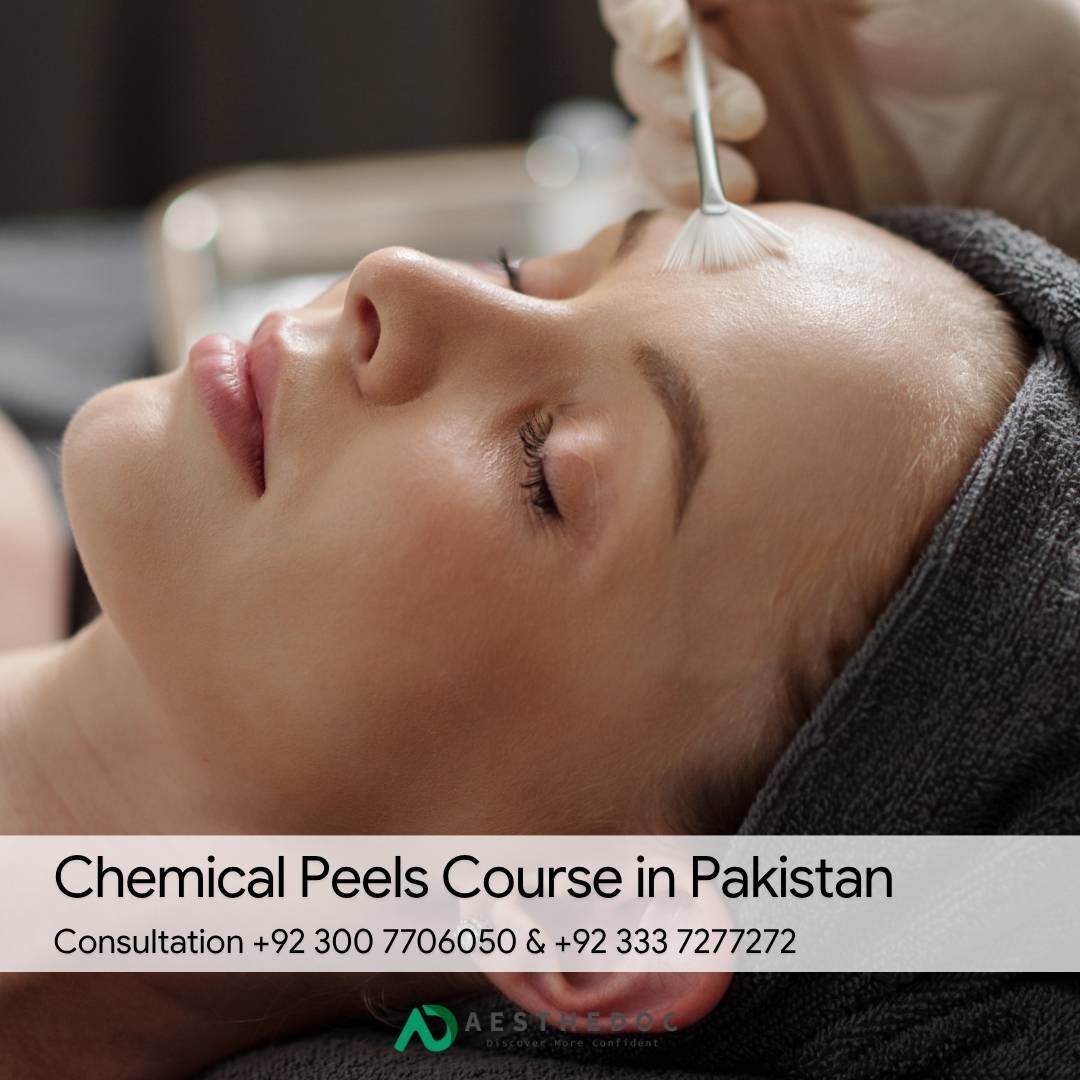
The aesthetic skincare industry in Pakistan is thriving like never before. With rising concerns over pigmentation, acne scars, melasma, sun damage, and dullness caused by pollution, intense sunlight, and hormonal factors, chemical peels have become a go-to treatment in major cities including Islamabad, Rawalpindi, Lahore, Karachi, and Multan. Clients seek visible improvements in skin texture, tone, and clarity without invasive procedures.
A professional Chemical Peels Course in Pakistan equips MBBS doctors, dermatologists, aesthetic practitioners, cosmetologists, and beauty specialists with the expertise to perform safe, effective peels. This training opens doors to a high-demand service that delivers quick results, strong client satisfaction, and excellent revenue potential. Whether you are launching a new practice or enhancing your existing clinic, mastering chemical peels positions you at the forefront of non-surgical skincare.
This comprehensive guide explores every aspect: the science of chemical peels, peel classifications, detailed curriculum, hands-on protocols, complication management, pricing strategies, marketing tailored to Pakistani clients, and strategies for long-term success in a competitive market.
What Are Chemical Peels?
Chemical peels involve the controlled application of acidic solutions to exfoliate damaged outer layers of skin. This process removes dead cells, unclogs pores, stimulates collagen production, and reveals fresher, smoother skin underneath.
How Chemical Peels Work: The chosen acid solution causes predictable injury to the skin at varying depths. The body responds by accelerating cell turnover and collagen synthesis, leading to improved tone, texture, and reduced imperfections. Downtime and results vary by peel depth.
Main Categories of Chemical Peels:
| Peel Depth | Common Acids | Penetration Level | Downtime | Best For (Pakistan Context) | Frequency |
|---|---|---|---|---|---|
| Superficial | Glycolic (20-70%), Lactic, Salicylic, Mandelic | Epidermis only | Minimal (1-2 days redness) | Dullness, mild acne, pigmentation, glow | Every 2-4 weeks |
| Medium | TCA (20-35%), Jessner’s, Combination | Epidermis + Upper Dermis | 3-7 days peeling | Acne scars, moderate wrinkles, melasma | Every 4-6 weeks |
| Deep | High TCA, Phenol | Deeper Dermis | 7-14+ days | Severe scarring, deep wrinkles (rare) | Once or as needed |
Superficial and medium peels dominate in Pakistan due to Fitzpatrick skin types III–VI, which carry higher risk of post-inflammatory hyperpigmentation (PIH) with deeper peels.
Key Benefits for Pakistani Skin:
- Effective against melasma and hyperpigmentation common in South Asian complexions
- Reduces active acne and post-acne marks
- Improves sun-damaged, uneven skin tone
- Minimizes fine lines and enlarged pores
- Enhances absorption of subsequent skincare products
Why Chemical Peels Demand is Surging in Pakistan
- High Prevalence of Skin Issues — Pollution, UV exposure, and hormonal imbalances fuel demand for pigmentation and acne treatments.
- Social Media & Bridal Market — Pre-wedding glow treatments and glass-skin trends on Instagram drive bookings.
- Affordable & Visible Results — Sessions cost PKR 5,000–35,000, far more accessible than lasers for many.
- Minimal Equipment Needs — Low startup costs compared to laser machines.
- Combination Therapy Trend — Often paired with microneedling, PRP, or mesotherapy for enhanced outcomes.
- All Ages & Genders — Popular among teens for acne, adults for anti-aging, and men for texture improvement.
Who Should Join a Chemical Peels Course in Pakistan?
Ideal candidates include:
- MBBS Doctors & Dermatologists
- Aesthetic Physicians & Cosmetologists
- Plastic Surgeons expanding non-surgical offerings
- Beauty Therapists & Salon Owners
- Nurses & Skin Specialists under supervision
- Beginners with basic skincare or medical knowledge
Foundation courses suit newcomers, while advanced modules target experienced practitioners.
Course Overview – Professional Chemical Peels Training
Duration: 1–5 days intensive or extended diploma programs Mode: Theory, demonstrations, and supervised practical sessions Certification: Academy-issued or CPD/CME accredited Training Cities: Islamabad, Lahore, Karachi, Rawalpindi, Multan
Programs emphasize safety for darker skin tones, patch testing, and pre/post-peel protocols crucial in Pakistan’s climate.
Complete Course Modules (Detailed Breakdown)
1. Skin Anatomy, Physiology & Assessment
- Layers of skin and wound healing process
- Fitzpatrick scale with focus on Asian/Pakistani skin risks
- Identifying contraindications (active infections, isotretinoin use, pregnancy)
- Client consultation, photography, and expectation management
2. Chemistry of Peels & Product Knowledge
Popular Peel Solutions Available in Pakistan:
| Peel Type | Key Ingredient | Strength Levels | Primary Indications | Approx. Cost per Session (PKR) | Brands/Suppliers |
|---|---|---|---|---|---|
| Glycolic Acid | AHA | 20-70% | Glow, mild pigmentation, acne | 5,000 – 12,000 | Various local & imported |
| Salicylic Acid | BHA | 20-30% | Oily/acne-prone skin, blackheads | 6,000 – 15,000 | Professional lines |
| Lactic Acid | AHA | 30-50% | Dry/dehydrated skin, sensitive types | 5,000 – 10,000 | Gentle formulas |
| TCA | Trichloroacetic Acid | 10-35% | Acne scars, medium wrinkles | 8,000 – 20,000 | Medical grade |
| Jessner’s | Combination (Lactic + Salicylic + Resorcinol) | Standard | Pigmentation, texture | 7,000 – 18,000 | Multi-acid |
| Mandelic Acid | AHA | 20-40% | Sensitive skin, rosacea, acne | 6,000 – 14,000 | Gentle option |
Trainees learn neutralization, pH levels, and storage.
3. Peel Selection & Treatment Protocols
- Pre-peel skin conditioning (retinoids, hydroquinone)
- Step-by-step application: cleansing, degreasing, peeling, neutralizing, soothing
- Layering techniques and endpoint recognition (frosting levels)
- Protocols for specific concerns: melasma, acne, scars, anti-aging
Treatment Areas & Pricing Table (Average in Pakistan):
| Concern / Area | Recommended Peel | Sessions Needed | Per Session Price (PKR) | Package Price (6 Sessions) |
|---|---|---|---|---|
| Facial Glow / Brightening | Glycolic / Lactic | 4–6 | 5,000 – 12,000 | 25,000 – 60,000 |
| Active Acne & Oil Control | Salicylic | 4–8 | 6,000 – 15,000 | 30,000 – 80,000 |
| Melasma / Hyperpigmentation | Combination / TCA | 4–6 | 8,000 – 18,000 | 40,000 – 90,000 |
| Acne Scars & Texture | Medium TCA / Jessner’s | 4–6 | 10,000 – 25,000 | 50,000 – 1,20,000 |
| Full Face Rejuvenation | Customized Medium | 3–5 | 12,000 – 35,000 | 60,000 – 1,50,000 |
4. Safety, Complications & Management
- Recognizing and preventing PIH, erythema, scarring
- Post-peel care: sun protection, moisturization, avoidance protocols
- Emergency handling and when to refer
- Case studies relevant to Pakistani patients
5. Advanced & Combination Therapies
- Sequential peels (e.g., salicylic followed by TCA)
- Peels with microneedling, PRP, or LED therapy
- Body peels for back acne, stretch marks
- Seasonal protocols (pre-summer glow, post-winter repair)
6. Business & Marketing Module
- Clinic setup and consumables management
- Pricing psychology and package design
- Digital marketing strategies
- Legal aspects and consent in Pakistan
Hands-On Training – Building Practical Mastery
Quality courses include:
- Live demonstrations on diverse skin types
- Supervised peel applications (superficial to medium)
- Patch testing and neutralization practice
- Before/after documentation techniques
- Small batch sizes for individualized feedback
Graduates gain confidence to offer peels immediately after certification.
Benefits of Joining a Chemical Peels Course
- Quick, visible results boost client referrals
- Low ongoing costs after initial training
- Versatile add-on to any skincare practice
- High repeatability with maintenance programs
- Creative satisfaction from transforming skin health
Income Potential in Pakistan
Chemical peels provide strong ROI due to package sales and repeat visits.
Estimated Monthly Earnings:
| Practice Scale | Monthly Treatments | Avg. Revenue per Session | Monthly Income (PKR) |
|---|---|---|---|
| New Practitioner | 20–40 | 8,000 – 15,000 | 1,60,000 – 6,00,000 |
| Established Clinic | 50–100 | 12,000 – 25,000 | 6,00,000 – 25,00,000+ |
| Salon-Integrated | 30–60 | 6,000 – 12,000 | 1,80,000 – 7,20,000 |
ROI Example: Recover course investment after 10–20 sessions.
Setting Up Your Chemical Peels Services
Essentials:
- Dedicated treatment room with ventilation
- Professional-grade peels and neutralizers
- Post-peel skincare products for retail
- High-SPF recommendations and sun protection tools
- Photography setup for progress tracking
Marketing Strategies:
- Instagram Reels showing peeling process and results (with consent)
- Targeted ads for “chemical peel for melasma Lahore” or “acne peel Islamabad”
- Bridal and seasonal packages
- Educational content on peel safety for Pakistani skin
- Partnerships with dermatologists and salons
Patient Psychology & Cultural Considerations in Pakistan
- Preference for natural, gradual improvements
- Concerns about downtime and pigmentation risks
- Importance of privacy and female practitioners
- Trust built through certification and realistic photos
- Focus on confidence and skin health over drastic change
Challenges & Effective Solutions
- Risk of PIH in darker skin → Emphasize pre-conditioning and superficial peels
- Competition → Differentiate with customized protocols and combinations
- Client education on sun avoidance → Provide detailed aftercare kits
- Product authenticity → Source from reputable suppliers
Future of Chemical Peels in Pakistan
Innovations in hybrid peels, gentler formulations, and regenerative combinations will sustain growth. Integration with energy-based devices and personalized skincare will keep trained professionals in high demand.
Why Choose Professional Chemical Peels Training?
- Expert-led with focus on local skin challenges
- Hands-on emphasis on safety and customization
- Business module for real-world success
- Small groups and ongoing mentorship
- Certification valued across Pakistan
This course excels through its balance of science, practical skills, and commercial guidance.
Final Thoughts
A Chemical Peels Course in Pakistan is an outstanding investment in a versatile, high-return aesthetic skill. Master safe resurfacing techniques and help clients achieve radiant, healthy skin while building a thriving practice. The demand for expert peel treatments continues to rise—position yourself to meet it confidently and profitably.
Enroll Now – Master Chemical Peels in Pakistan Limited seats in upcoming batches. Call / WhatsApp: +923007706050 Email: info@aesthedoc.com
Transform your career and client outcomes today!