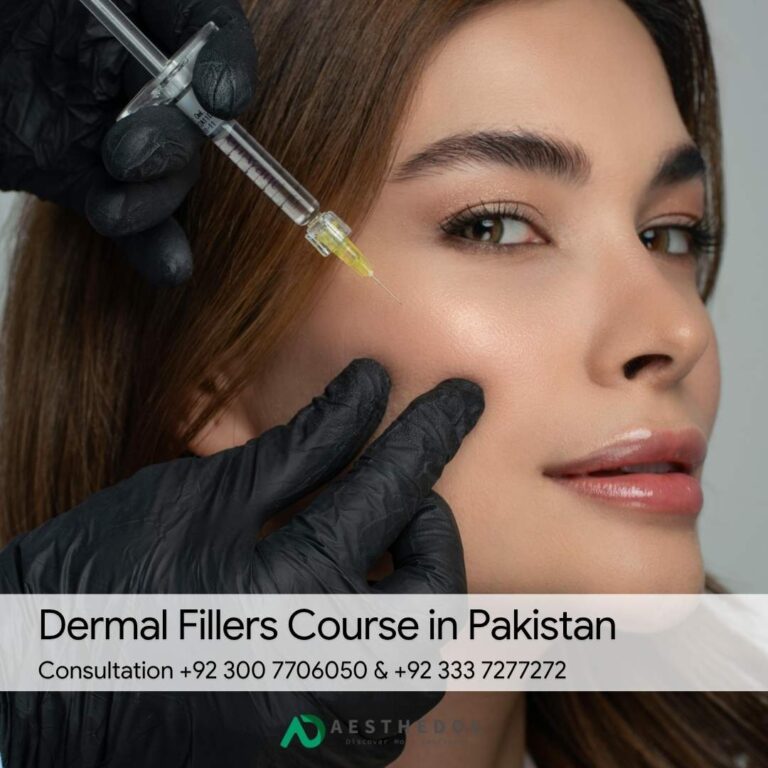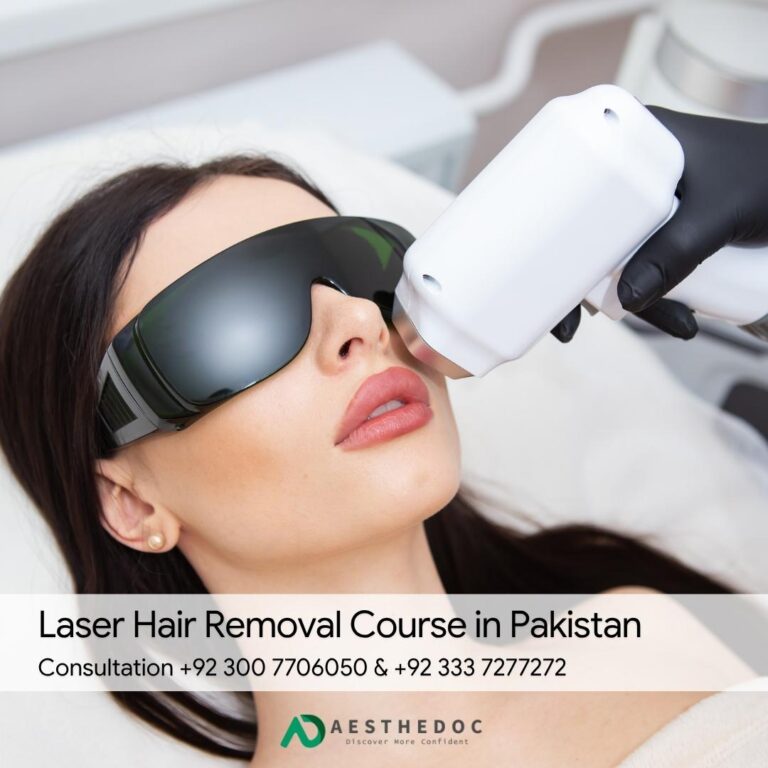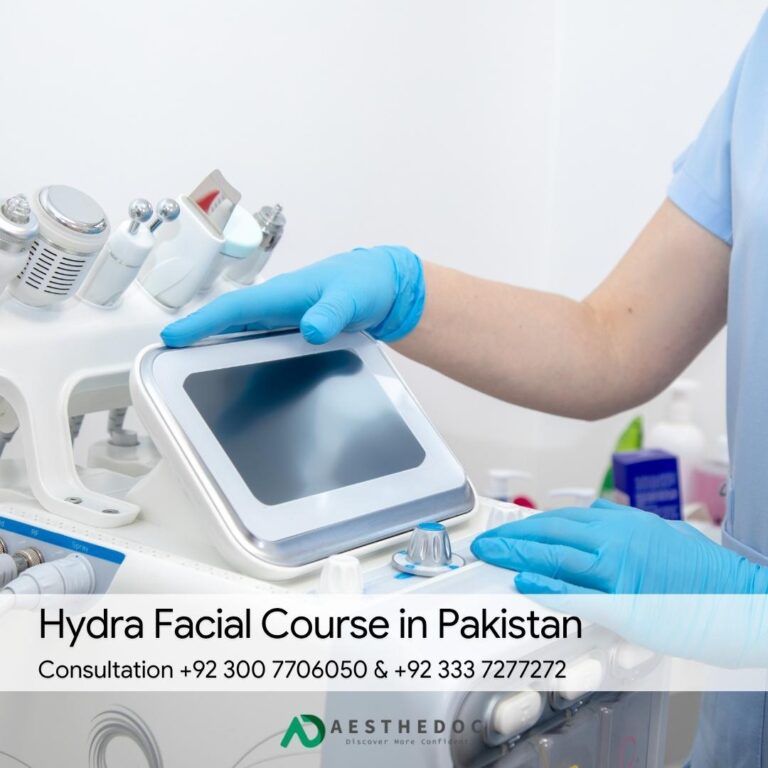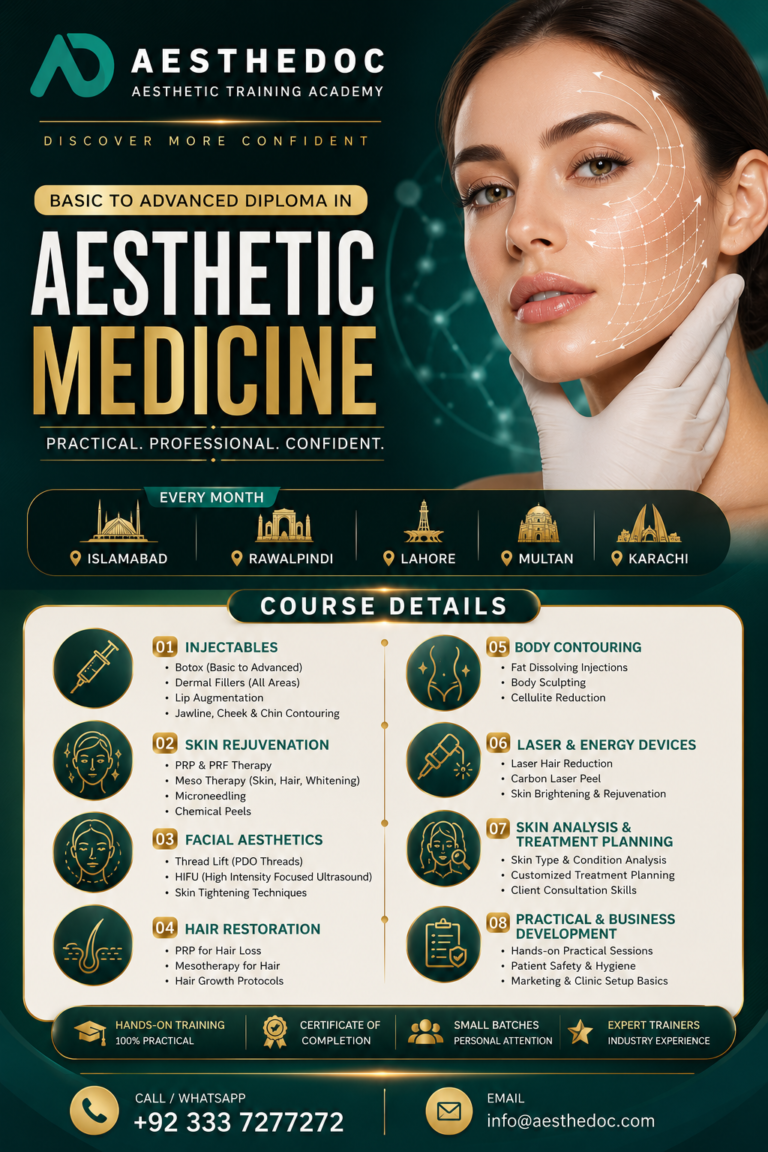
The aesthetic medicine sector in Pakistan is evolving rapidly, moving beyond non-invasive treatments toward advanced minimally invasive surgical procedures. Clients in Islamabad, Rawalpindi, Lahore, Karachi, Multan, Faisalabad, and Peshawar now demand longer-lasting, more dramatic yet natural-looking results with shorter recovery times than traditional plastic surgery.
A professional Invasive Aesthetic Course in Pakistan trains doctors, dermatologists, plastic surgeons, and aesthetic physicians in cutting-edge minimally invasive techniques such as PDO Thread Lifts, autologous fat transfer, subcision, blepharoplasty basics, and targeted body contouring procedures. This training bridges the gap between injectables and full surgery, offering higher profit margins and premium positioning in the market.
This detailed guide covers the complete spectrum: science behind invasive aesthetic procedures, course curriculum, hands-on surgical skills, safety protocols, business integration, earnings potential, and why this training is becoming essential for serious practitioners in Pakistan’s competitive aesthetic industry.
What Are Invasive Aesthetic Procedures?
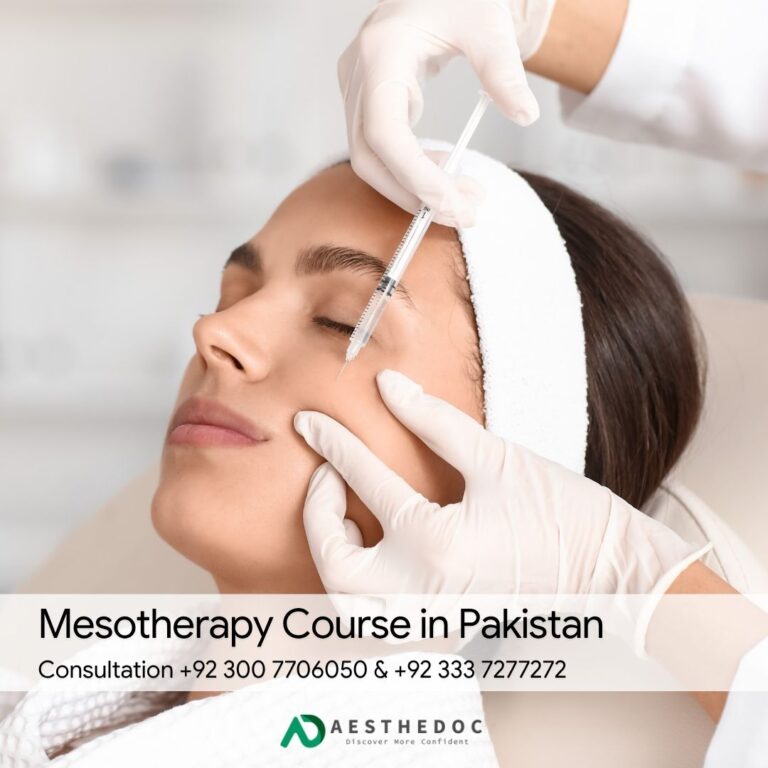
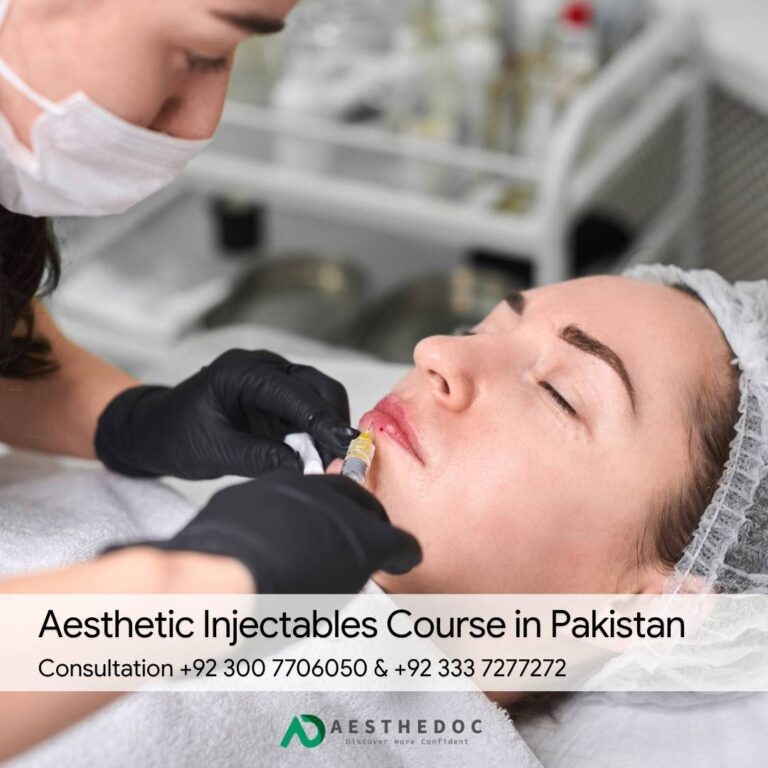
Invasive aesthetic procedures involve controlled entry into the skin or deeper tissues using needles, cannulas, threads, or small incisions. Unlike purely non-invasive treatments (lasers, peels), these create micro-trauma that triggers significant collagen remodeling, tissue lifting, or volume restoration. They are “minimally invasive” because they avoid large surgical cuts, general anesthesia, and long hospital stays.
Core Procedures Covered in Most Courses:
- PDO, PLLA & PCL Thread Lifting
- Autologous Fat Grafting (Lipofilling)
- Subcision for deep acne scars
- Mini-liposuction & fat dissolving
- Upper/lower blepharoplasty (eyelid correction)
- Minor excisions and scar revision
These techniques deliver results lasting 12–36 months or more, making them highly attractive to clients seeking substantial improvement with minimal downtime.
Why Invasive Aesthetic Procedures Are Growing Fast in Pakistan
- Desire for Longer-Lasting Results — Clients tired of frequent filler top-ups want sustainable solutions.
- Bridal & Event-Driven Market — Pre-wedding transformations require noticeable lifting and contouring.
- Aging Population & Awareness — Rising middle-class interest in anti-aging beyond Botox and fillers.
- Medical Tourism Potential — Pakistan is becoming a cost-effective destination for regional clients.
- High Profit Margins — Procedures command premium pricing (PKR 80,000 – 500,000+ per session).
- Technological Advancements — Safer threads, better cannulas, and improved fat survival rates.
Demand for thread lifts and fat transfer alone has increased significantly in major cities over the past three years.
Who Should Join an Invasive Aesthetic Course in Pakistan?
This advanced training is suitable for:
- MBBS Doctors with aesthetic experience
- Dermatologists and Aesthetic Physicians
- Plastic Surgeons looking to expand minimally invasive offerings
- General Practitioners with strong surgical aptitude
- BDS Dentists focusing on facial aesthetics
- Experienced injectors ready to move to the next level
Prior knowledge of anatomy, injectables, and basic suturing is highly recommended. Beginners should complete foundation injectable and laser courses first.
Course Overview – Professional Invasive Aesthetic Training
Duration: 3–10 days intensive (foundation to masterclass) or 4–12 week diploma programs Mode: Theory + Cadaver/Simulation + Extensive Live Surgical Practice Certification: Academy-issued with international alignment (CPD/CME) Training Cities: Islamabad, Lahore, Karachi, Rawalpindi, Multan
Top programs stress sterile surgical environments, complication prevention, and Pakistan-specific considerations such as thicker skin, higher melanin content, and cultural expectations for natural outcomes.
Complete Course Modules
1. Advanced Facial & Body Anatomy for Invasive Procedures
- SMAS layer, retaining ligaments, vascular danger zones
- Fat compartments and vascular mapping
- South Asian facial aging patterns
- Lymphatic drainage and healing response in Pakistani skin
2. PDO, PLLA & PCL Thread Lift Techniques
Thread Types Comparison Table:
| Thread Type | Material | Longevity | Lifting Power | Dissolution Time | Best Indications | Approx. Cost per Procedure (PKR) |
|---|---|---|---|---|---|---|
| PDO Mono | Polydioxanone | 6–12 months | Mild | 6–8 months | Skin tightening, fine lines | 40,000 – 80,000 |
| PDO Cog/Barb | PDO | 12–24 months | Strong | 8–12 months | Jawline, mid-face lift, brow lift | 80,000 – 2,00,000 |
| PLLA Threads | Poly-L-Lactic | 18–36 months | Moderate | 12–24 months | Collagen stimulation, volume restoration | 1,00,000 – 2,50,000 |
| PCL (Silhouette) | Polycaprolactone | 24+ months | Very Strong | 18–24 months | Full face lift, neck tightening | 1,50,000 – 3,50,000 |
Key Techniques Taught:
- Vector planning and entry points
- Anchoring vs floating methods
- Combination with fillers or fat grafting
- Nose thread lift and fox eye lift
3. Autologous Fat Transfer (Fat Grafting)
- Harvesting (mini-liposuction from abdomen/thighs)
- Processing and purification
- Strategic injection into face, hands, breasts, or buttocks
- Improving fat survival rates (50–70% with proper technique)
4. Other Minimally Invasive Surgical Procedures
- Subcision + fat grafting for atrophic scars
- Blepharoplasty (upper & lower eyelid)
- Mini neck lift and platysma suspension
- earlobe repair and minor excisions
Popular Procedure Pricing Table (Average Market Rates in Pakistan):
| Procedure | Typical Duration | Downtime | Price Range (PKR) | Sessions Needed |
|---|---|---|---|---|
| PDO Thread Face Lift | 45–90 min | 3–7 days | 1,20,000 – 3,50,000 | 1 |
| Full Face + Neck Threads | 60–120 min | 5–10 days | 2,00,000 – 5,00,000 | 1 |
| Facial Fat Grafting | 90–150 min | 7–14 days | 1,50,000 – 4,00,000 | 1–2 |
| Subcision for Acne Scars | 30–60 min | 2–5 days | 50,000 – 1,20,000 | 2–4 |
| Upper Blepharoplasty | 60 min | 5–10 days | 80,000 – 2,00,000 | 1 |
5. Safety, Complications & Emergency Management
- Vascular occlusion, nerve injury, asymmetry, infection
- Thread extrusion and palpability management
- Fat embolism awareness and prevention
- Sterile technique and antibiotic protocols
- Medicolegal documentation and consent
6. Advanced Combination Protocols
- Threads + Fat Grafting (Hybrid Lift)
- Threads + Injectables + Energy Devices
- Regenerative techniques using exosomes/PRF
7. Business, Clinic Setup & Marketing
- Surgical room requirements and licensing
- Equipment sourcing (cannulas, threads, lipo kits)
- Pricing strategy and package creation
- Digital marketing for invasive procedures
- Building trust with before/after portfolios
Hands-On Training – Surgical Competence
Superior courses provide:
- Cadaver or advanced simulation labs for anatomy
- Live patient procedures under expert supervision
- One-on-one mentoring with small batches (4–8 participants)
- Video recording and technique analysis
- Post-course support and case discussion groups
Graduates emerge confident to perform procedures independently.
Benefits of Joining an Invasive Aesthetic Course
- Access premium pricing tier in the market
- Differentiate from non-invasive-only practitioners
- Longer-lasting client results and loyalty
- Higher per-procedure revenue
- Professional growth toward full aesthetic surgery
Income Potential in Pakistan
Invasive aesthetic procedures generate the highest returns in the field.
Estimated Monthly Revenue:
| Experience Level | Monthly Procedures | Avg. Revenue per Case | Monthly Income (PKR) |
|---|---|---|---|
| Newly Trained | 4–8 | 1,50,000 | 6,00,000 – 12,00,000 |
| Established Aesthetic Surgeon | 10–20 | 2,00,000+ | 20,00,000 – 50,00,000+ |
| Multi-Doctor Clinic | 25+ | 1,80,000 | 45,00,000+ |
ROI Example: Many recover the full course and equipment investment after 6–12 cases.
Setting Up Your Invasive Aesthetic Practice
Essential Infrastructure:
- Dedicated minor OT with proper sterilization
- High-quality threads, cannulas, and harvesting kits
- Recovery area and post-op care protocols
- Photography studio for documentation
- Insurance and legal compliance
Marketing Strategies:
- Instagram/TikTok before-and-after videos (with consent)
- Educational webinars on “Thread Lift vs Fillers”
- Targeted ads during wedding seasons
- Collaboration with dermatologists for referrals
- Patient testimonials and long-term result showcases
Patient Psychology & Cultural Considerations
- Strong preference for natural, undetectable results
- Privacy concerns — especially for female patients
- Need for detailed explanation of downtime
- Trust through surgeon credentials and real results
Challenges & Solutions
- Higher complication risk → Mitigated by rigorous training
- Equipment & product cost → Phased investment with financing
- Regulatory environment → Maintain hospital privileges where possible
- Patient selection → Thorough screening and realistic expectations
Future of Invasive Aesthetics in Pakistan
As technology improves (biodegradable threads, stem cell-enhanced fat transfer), and awareness grows, minimally invasive surgical aesthetics will continue expanding. Practitioners with these skills will lead the next wave of medical aesthetics in the country.
Why Choose a Professional Invasive Aesthetic Course?
- Faculty with extensive surgical experience
- Emphasis on safety for South Asian anatomy
- Comprehensive hands-on surgical practice
- Business and marketing modules included
- Small groups and lifelong mentorship
This training stands out by delivering true surgical competence in a minimally invasive framework.
Final Thoughts
An Invasive Aesthetic Course in Pakistan represents a significant career upgrade. It equips you with advanced skills to deliver transformative, long-lasting results while commanding premium fees and building a distinguished reputation. In a market shifting toward more substantial aesthetic solutions, this training ensures you stay ahead and achieve both professional fulfillment and financial success.
Enroll Now – Master Invasive Aesthetic Procedures in Pakistan Limited seats in upcoming batches. Call / WhatsApp: +923007706050 Email: info@aesthedoc.com
Take your aesthetic practice to the surgical level today!