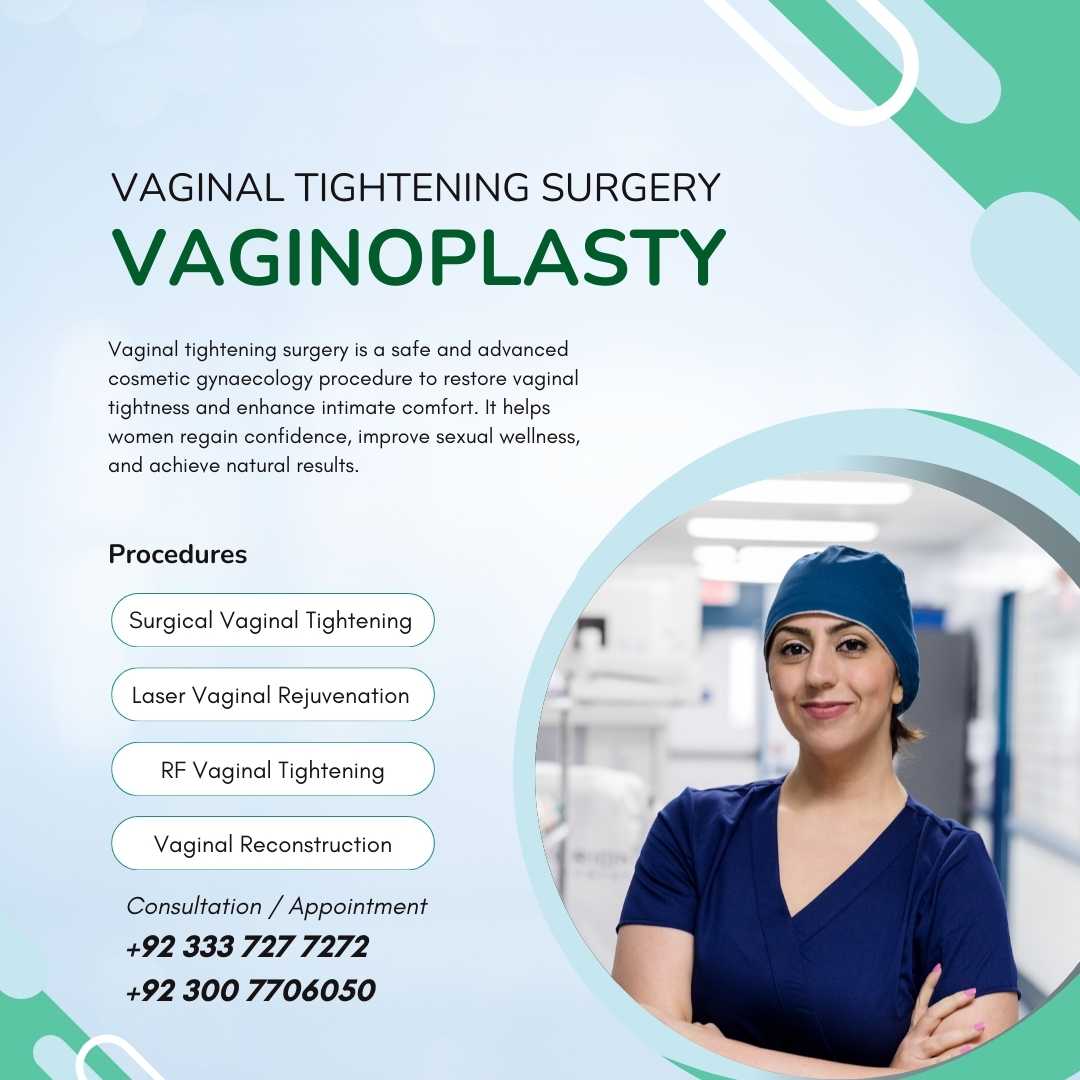
Women’s intimate health is an important aspect of overall physical wellbeing, confidence, comfort, and quality of life. Over time, factors such as childbirth, aging, hormonal changes, genetics, trauma, and significant weight fluctuations can affect the structure and function of the vaginal canal and surrounding tissues. These changes may lead some women to explore treatment options such as vaginoplasty, vaginal tightening surgery, or vaginal reconstruction.
In Islamabad, interest in female intimate rejuvenation procedures has grown significantly as more women seek solutions for concerns related to vaginal laxity, weakened pelvic tissues, decreased sensation during intimacy, or structural changes following childbirth.
Vaginoplasty is a specialized surgical procedure designed to tighten and reconstruct the vaginal canal by repairing stretched muscles and supporting tissues. The procedure can improve both function and aesthetics while addressing concerns that may affect confidence and quality of life.
This comprehensive guide explains everything you need to know about vaginoplasty in Islamabad, including candidacy, benefits, surgical techniques, recovery, risks, expected outcomes, costs, and frequently asked questions.
What is Vaginoplasty?
Vaginoplasty is a surgical procedure performed to tighten and reconstruct the vaginal canal by repairing separated muscles and removing excess vaginal lining tissue.
The procedure is commonly performed for women experiencing:
- Vaginal laxity after childbirth
- Decreased vaginal tightness
- Reduced sensation during intimacy
- Structural changes due to aging
- Vaginal muscle weakness
- Congenital abnormalities
- Functional concerns requiring reconstruction
The primary objective of vaginoplasty is to restore the vaginal canal’s structural support and improve overall function.
What is Vaginal Tightening Surgery?
Vaginal tightening surgery is another commonly used term for vaginoplasty.
The procedure focuses on:
- Tightening stretched vaginal muscles
- Restoring internal support structures
- Narrowing the vaginal canal when appropriate
- Improving muscle tone
- Enhancing functional support
Many women seek vaginal tightening surgery after experiencing changes resulting from multiple vaginal deliveries or natural aging processes.
What is Vaginal Reconstruction?
Vaginal reconstruction refers to a broader category of surgical procedures designed to restore the structure, appearance, and function of vaginal tissues.
Reconstruction may be recommended for:
- Childbirth-related injuries
- Congenital conditions
- Trauma-related defects
- Previous surgical complications
- Structural abnormalities
- Significant tissue damage
Depending on the patient’s needs, vaginal reconstruction may involve extensive tissue repair, muscle reconstruction, and functional restoration.
Why Women Consider Vaginoplasty
Every woman’s reasons are personal and unique.
Common concerns include:
Post-Childbirth Changes
Vaginal delivery can stretch the vaginal muscles and supporting tissues.
While many women recover naturally, some experience persistent:
- Vaginal looseness
- Reduced muscle tone
- Weakened support structures
Aging and Hormonal Changes
Natural aging may affect collagen production and tissue elasticity.
As tissues lose firmness, some women notice:
- Reduced vaginal tightness
- Loss of support
- Changes in tissue quality
Reduced Confidence
Some women report feeling less confident due to perceived changes in their intimate anatomy.
Functional Concerns
Certain women experience symptoms that affect daily comfort and quality of life, making reconstructive surgery a potential option.
Signs You May Be a Candidate for Vaginoplasty
You may benefit from consultation if you experience:
- Persistent vaginal laxity
- Stretched vaginal tissues after childbirth
- Reduced vaginal muscle tone
- Functional concerns affecting quality of life
- Structural changes due to aging
- Desire for vaginal reconstruction
A thorough medical evaluation is necessary to determine whether surgery is appropriate.
Benefits of Vaginoplasty
Modern vaginoplasty can provide several potential benefits.
Improved Vaginal Muscle Support
The procedure repairs weakened muscles and restores structural integrity.
Enhanced Tissue Tightness
Many women seek treatment to address concerns related to vaginal laxity.
Improved Confidence
Feeling comfortable with one’s body can positively impact self-esteem.
Restoration After Childbirth
The procedure can help address anatomical changes resulting from pregnancy and vaginal delivery.
Long-Term Results
When performed appropriately, results are generally long-lasting.
Understanding Vaginal Anatomy
To understand vaginoplasty, it is important to understand the structures involved.
The vaginal canal is supported by:
- Pelvic floor muscles
- Connective tissues
- Fascia
- Vaginal mucosa
During childbirth, these tissues can stretch significantly.
In some cases, the tissues do not completely return to their pre-pregnancy state, leading to concerns about looseness or reduced support.
Causes of Vaginal Laxity
Several factors contribute to vaginal laxity.
Pregnancy
Pregnancy places significant stress on pelvic tissues.
Vaginal Childbirth
Multiple deliveries may stretch vaginal muscles.
Aging
Natural aging can reduce tissue elasticity.
Menopause
Hormonal changes may affect tissue quality and support.
Genetic Factors
Some women naturally have weaker connective tissue structures.
Significant Weight Fluctuations
Changes in body weight can affect tissue support and elasticity.
How is Vaginoplasty Performed?
The exact surgical technique varies according to anatomy and treatment goals.
Generally, the procedure involves:
Step 1: Examination and Planning
The surgeon evaluates vaginal anatomy and determines the appropriate surgical approach.
Step 2: Anesthesia
The procedure may be performed under local anesthesia with sedation or general anesthesia.
Step 3: Muscle Repair
Separated or weakened vaginal muscles are identified and repaired.
Step 4: Tissue Tightening
Excess vaginal lining tissue is removed when necessary.
Step 5: Reconstruction
The vaginal canal is reshaped and reconstructed.
Step 6: Closure
The tissues are carefully closed using absorbable sutures.
Types of Vaginal Tightening Procedures
Surgical Vaginoplasty
Provides the most significant and long-lasting structural improvement.
Vaginal Reconstruction Surgery
Used when additional repair or correction is necessary.
Combined Rejuvenation Procedures
Some women combine vaginoplasty with other intimate rejuvenation treatments for comprehensive results.
Is Vaginoplasty Painful?
Most patients experience mild to moderate discomfort during the recovery period.
Common temporary symptoms include:
- Swelling
- Tenderness
- Mild soreness
- Temporary discomfort while sitting
Prescribed medications typically help manage recovery comfortably.
Recovery After Vaginoplasty
Recovery varies from patient to patient.
First Week
Patients commonly experience:
- Swelling
- Mild discomfort
- Bruising
- Temporary tenderness
Two to Four Weeks
Most swelling gradually improves.
Patients often resume light daily activities during this phase.
Six Weeks and Beyond
Many women return to normal activities after clearance from their surgeon.
Complete healing may continue over several months.
Who Should Delay Surgery?
Women may be advised to postpone surgery if they:
- Are currently pregnant
- Have active infections
- Have uncontrolled medical conditions
- Plan future pregnancies in the near term
A personalized consultation helps determine the ideal timing for treatment.
Frequently Asked Questions
Is Vaginoplasty Permanent?
Results are generally long-lasting, although future childbirth and aging may influence outcomes.
Can I Have Children After Vaginoplasty?
Many women can become pregnant after surgery; however, future vaginal deliveries may affect results.
Will There Be Visible Scars?
Scars are typically located within internal tissues and are generally not visible externally.
How Long Does Surgery Take?
Procedure duration varies depending on complexity but commonly ranges from one to two hours.
Is Vaginal Tightening Surgery Safe?
When performed by a qualified plastic surgeon or appropriately trained specialist, vaginoplasty is generally considered safe for suitable candidates.
Vaginoplasty in Islamabad – Why Patients Seek Expert Care
Women seeking vaginoplasty in Islamabad often look for:
- Experienced surgeons
- Confidential consultations
- Modern surgical techniques
- Personalized treatment plans
- Comprehensive aftercare
Choosing a qualified and properly registered surgeon is one of the most important factors influencing surgical outcomes and patient safety.
Why Choose Aesthedoc Clinic for Vaginoplasty in Islamabad?
Patients considering vaginoplasty, vaginal tightening surgery, or vaginal reconstruction in Islamabad can consult the experienced team at Aesthedoc Clinic for professional evaluation and treatment planning.
Dr. Nadiya Tariq – Plastic Surgeon
Academic Qualifications
- FCPS (Plastic Surgery) – College of Physicians & Surgeons Pakistan (CPSP), 2025
- MBBS – University of Health Sciences (UHS), 2016
Professional Registrations
- Pakistan Medical & Dental Council (PMDC) – Active Registration
- Irish Medical Council (IMC) – Active Registration
At Aesthedoc Clinic, treatment plans are tailored according to each patient’s anatomy, concerns, and goals while maintaining privacy, professionalism, and patient-centered care.
Conclusion
Vaginoplasty, vaginal tightening surgery, and vaginal reconstruction are advanced procedures designed to restore vaginal support, improve muscle tone, address structural concerns, and enhance confidence. Women experiencing vaginal laxity, childbirth-related changes, or reconstructive needs may benefit from consultation with an experienced surgeon to determine the most suitable treatment approach.
For patients seeking vaginoplasty in Islamabad, a personalized consultation can help identify the best options based on individual anatomy, medical history, and treatment goals.