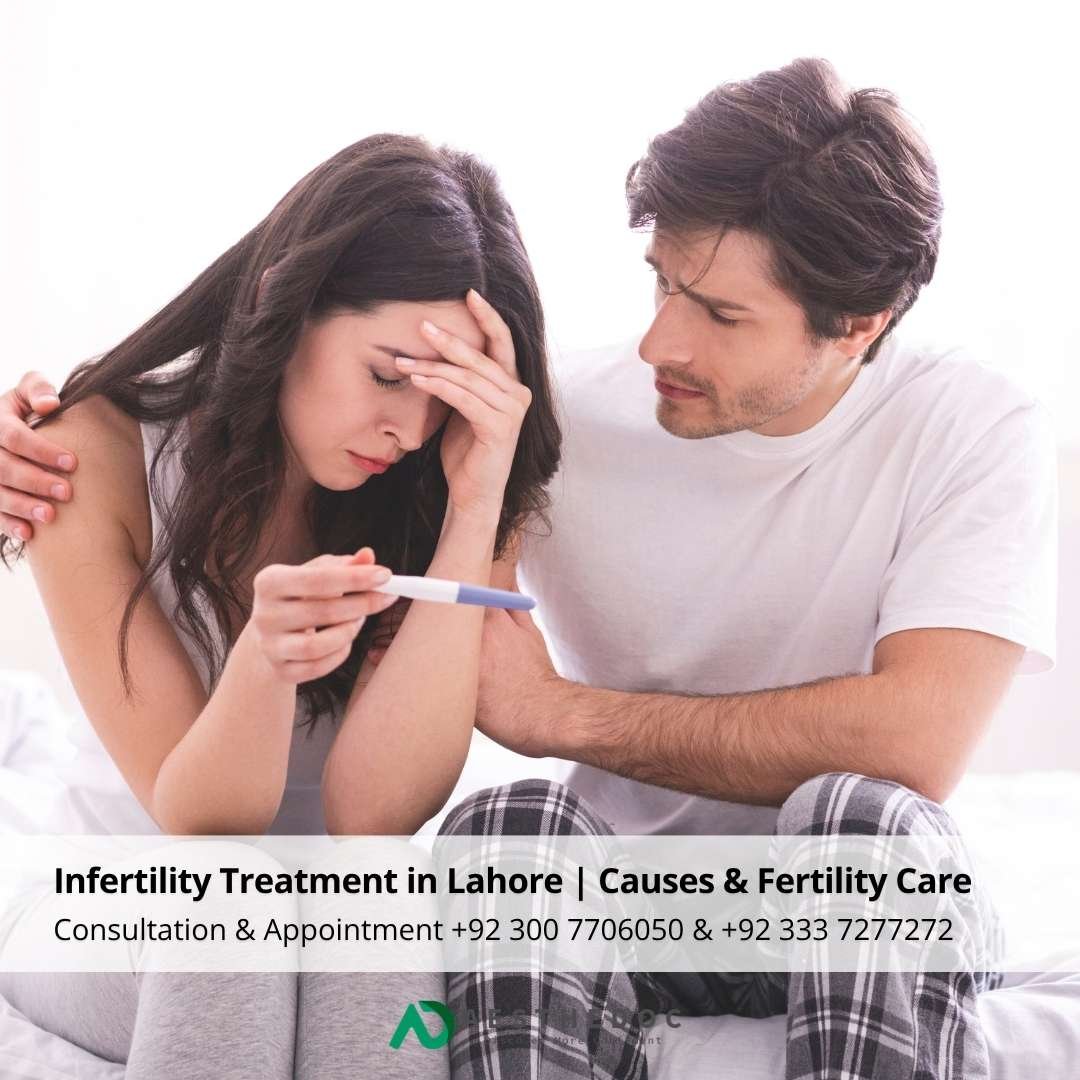
Starting a family is an important wish for many couples. However, some couples experience difficulties conceiving despite regularly trying for pregnancy. This situation can be emotionally challenging, particularly when months or years pass without achieving the desired result.
Infertility is a medical condition that can affect either partner or both. It may be associated with hormonal problems, irregular ovulation, blocked fallopian tubes, ovarian disorders, endometriosis, uterine fibroids, reduced sperm count, or other reproductive health conditions.
Women searching for infertility treatment in Lahore often want to understand why they are not becoming pregnant, which fertility tests are necessary, whether their condition is treatable, and what medical options are available.
The first step towards addressing fertility problems is identifying their underlying cause. Not every couple requires advanced fertility treatment. Some women may conceive after appropriate management of ovulation problems, while others may need treatment for endometriosis, fibroids, or fallopian tube conditions. Male-factor infertility may require a separate evaluation and treatment approach.
With proper medical assessment, many causes of infertility can be identified and managed through an individualised treatment plan.
This comprehensive guide explains female and male infertility, common causes of difficulty conceiving, fertility investigations, available treatment options, and when couples should consult a gynecologist.
Women seeking gynecological consultation in Lahore can also enquire about appointment arrangements with Dr. Maimunah Faruque, Gyne Endoscopy and Laparoscopic Surgeon and Cosmetic Gynecologist, at Aesthedoc.
What Is Infertility?
Infertility is generally defined as the inability to achieve pregnancy after 12 months or more of regular, unprotected sexual intercourse.
However, the recommended time for fertility evaluation depends on the woman’s age, medical history, and known reproductive health problems.
Infertility can affect the female reproductive system, the male reproductive system, or both partners.
According to the World Health Organization (WHO), approximately one in six people of reproductive age experience infertility during their lifetime.
There are two commonly recognised categories of infertility:
1. Primary Infertility
Primary infertility refers to a situation in which a person or couple has never achieved a pregnancy.
For example, a married couple may have been trying to conceive for more than a year without a positive pregnancy result.
Possible contributing factors include ovulation disorders, reproductive tract abnormalities, sperm-related problems, and unexplained infertility.
2. Secondary Infertility
Secondary infertility refers to difficulty achieving another pregnancy after a previous pregnancy has occurred.
For example, a woman may have delivered her first child naturally or through Caesarean section but experience difficulty conceiving again.
Possible causes include:
- Changes in ovarian function.
- Increasing maternal age.
- Blocked fallopian tubes.
- Endometriosis.
- Uterine fibroids.
- Pelvic infections.
- Hormonal disorders.
- Male fertility problems.
Having conceived previously does not guarantee that conception will occur again without difficulty.
When Should You Consult a Doctor for Infertility?
Couples should not unnecessarily delay fertility assessment when conception is taking longer than expected.
The recommended timing generally depends on the woman’s age and reproductive health history.
| Female age | Recommended time to seek fertility evaluation |
|---|---|
| Under 35 years | After 12 months of trying |
| 35–40 years | After 6 months of trying |
| Above 40 years | Consider immediate evaluation |
Women with irregular periods, absent menstruation, suspected endometriosis, previous pelvic infections, known tubal problems, or other conditions associated with infertility may need assessment earlier.
Men with known reproductive problems or previous testicular surgery should also seek medical evaluation without waiting for the usual time period.
Early assessment can help identify treatable conditions and avoid unnecessary delays.
What Causes Infertility in Women?
Female infertility can develop due to problems involving the ovaries, fallopian tubes, uterus, cervix, or reproductive hormones.
Some women have more than one contributing factor.
Understanding the cause is essential because treatment differs according to the underlying condition.
1. Polycystic Ovary Syndrome (PCOS)
Polycystic ovary syndrome is one of the common hormonal conditions associated with female infertility.
PCOS can interfere with normal ovulation, making it difficult for the ovaries to release an egg regularly.
Women with PCOS may experience:
- Irregular menstrual periods.
- Infrequent ovulation.
- Acne.
- Excess facial or body hair.
- Weight gain or difficulty managing weight.
- Polycystic ovarian appearance on ultrasound.
Not every woman with PCOS experiences infertility, and not every woman with PCOS has ovarian cysts.
Treatment depends on whether the patient wants to conceive, her hormonal profile, metabolic health, and other clinical findings.
For women planning pregnancy, ovulation-induction treatment may be considered when appropriate.
2. Irregular Ovulation
Ovulation is the process through which an ovary releases a mature egg during the menstrual cycle.
For pregnancy to occur naturally, ovulation must take place and the egg must be available for fertilisation.
Irregular or absent ovulation can reduce the chances of conception.
Possible causes include:
- PCOS.
- Thyroid disorders.
- Elevated prolactin.
- Significant weight changes.
- Excessive physical exercise.
- Low body weight.
- Certain hormonal conditions.
Treatment focuses on identifying and managing the underlying cause and restoring ovulation where possible.
3. Blocked Fallopian Tubes
The fallopian tubes connect the ovaries to the uterus.
They play an important role in natural conception because fertilisation generally takes place within a fallopian tube.
If the tubes are blocked or severely damaged, the egg and sperm may be unable to meet.
Possible causes include:
- Previous pelvic infections.
- Pelvic inflammatory disease.
- Previous abdominal or pelvic surgery.
- Endometriosis.
- Previous ectopic pregnancy.
- Pelvic adhesions.
Some women have no noticeable symptoms of blocked fallopian tubes.
A hysterosalpingography (HSG) examination or another appropriate tubal patency investigation may be recommended to assess whether the tubes are open.
Treatment depends on the location and severity of the blockage. Selected patients may benefit from surgery, while others may require assisted reproductive treatment such as IVF.
4. Endometriosis
Endometriosis is a condition in which tissue similar to the lining of the uterus grows outside the uterus.
It commonly affects the ovaries, fallopian tubes, pelvic lining, and surrounding structures.
It may contribute to infertility by affecting pelvic anatomy, causing adhesions, influencing ovarian function, or interfering with reproductive processes.
Common symptoms include:
- Painful menstrual periods.
- Chronic pelvic pain.
- Pain during sexual intercourse.
- Pain during bowel movements or urination, particularly around menstruation.
- Difficulty conceiving.
Some women with endometriosis have no obvious symptoms.
Treatment depends on the severity of the condition, the woman’s age, ovarian reserve, pain symptoms, and pregnancy plans.
In selected cases, laparoscopic surgery may be considered to treat endometriosis or address pelvic abnormalities.
However, surgery is not automatically recommended for every woman with endometriosis-related infertility. The possible benefits must be weighed against surgical risks, including potential effects on ovarian reserve.
5. Uterine Fibroids
Uterine fibroids are non-cancerous growths that develop in or around the muscular wall of the uterus.
Their effect on fertility depends largely on their size, number, and location.
Fibroids may contribute to reproductive problems when they:
- Distort the uterine cavity.
- Interfere with embryo implantation.
- Affect the shape of the uterus.
- Cause heavy menstrual bleeding and anaemia.
- Are associated with other pelvic problems.
Submucosal fibroids, which grow into the uterine cavity, are particularly relevant when assessing fertility.
Not every woman with fibroids experiences difficulty conceiving.
Depending on the location and clinical circumstances, treatment may involve observation, medication for associated symptoms, or surgical removal through myomectomy.
6. Thyroid Disorders
Thyroid hormones play an important role in reproductive health.
Both hypothyroidism and hyperthyroidism can affect menstrual regularity and reproductive function.
Women with thyroid disorders may experience:
- Irregular periods.
- Changes in ovulation.
- Difficulty conceiving.
- Other hormonal or metabolic symptoms.
Thyroid function testing may be recommended when the medical history or symptoms suggest a thyroid problem.
Appropriate treatment of thyroid disease is important before and during pregnancy.
7. High Prolactin Levels
Prolactin is a hormone produced by the pituitary gland.
Abnormally elevated prolactin levels can interfere with reproductive hormone signalling and ovulation.
Some women may experience:
- Irregular menstruation.
- Absence of periods.
- Breast milk discharge without pregnancy or breastfeeding.
- Difficulty conceiving.
Elevated prolactin can have several causes, including certain medications and pituitary conditions.
Treatment depends on the underlying reason for the hormonal abnormality.
8. Diminished Ovarian Reserve
Ovarian reserve refers to the remaining quantity of eggs within the ovaries.
Ovarian reserve generally declines with age, although the rate varies between women.
Reduced ovarian reserve may influence the response to fertility medication and assisted reproductive treatment.
Investigations such as Anti-Müllerian Hormone (AMH) and antral follicle count may help assess ovarian reserve in appropriate clinical situations.
However, AMH is not a definitive test of whether a woman can conceive naturally. A low result does not automatically mean pregnancy is impossible.
Female age remains an important predictor of reproductive potential.
9. Pelvic Infections and Adhesions
Previous pelvic infections can sometimes damage the reproductive organs.
Inflammation may affect the fallopian tubes and surrounding tissues, leading to adhesions or blockage.
Some women may develop pelvic adhesions after abdominal or gynecological surgery.
These adhesions can interfere with normal reproductive anatomy.
The doctor may recommend imaging, tubal assessment, or other investigations depending on the symptoms and medical history.
10. Premature Ovarian Insufficiency
Premature ovarian insufficiency occurs when the ovaries lose normal function before the age of 40.
It can result in irregular or absent periods and reduced fertility.
Possible symptoms include:
- Irregular menstruation.
- Hot flashes.
- Night sweats.
- Vaginal dryness.
- Difficulty conceiving.
Women with suspected premature ovarian insufficiency require appropriate hormonal evaluation and specialist counselling.
What Causes Infertility in Men?
Infertility is not exclusively a female health problem.
Male-factor infertility contributes to a significant proportion of fertility difficulties and may occur independently or alongside female reproductive conditions.
A fertility evaluation should therefore include both partners.
1. Low Sperm Count
Low sperm count, also known as oligozoospermia, refers to a lower-than-reference sperm concentration in semen.
A reduced sperm count can decrease the likelihood of fertilisation.
Possible causes include:
- Hormonal disorders.
- Testicular problems.
- Certain infections.
- Genetic conditions.
- Varicocele.
- Medication effects.
- Previous chemotherapy or radiotherapy.
Semen analysis is commonly used as the initial investigation.
2. Poor Sperm Motility
Sperm motility refers to the ability of sperm cells to move.
Progressive movement is important because sperm must travel through the female reproductive tract to reach the egg.
Reduced sperm motility may interfere with natural fertilisation.
The semen analysis evaluates sperm movement, concentration, and other relevant characteristics.
3. Abnormal Sperm Morphology
Morphology refers to the size and shape of sperm cells.
Abnormal sperm morphology may be associated with reduced reproductive potential.
However, morphology should not be interpreted in isolation. The complete semen analysis and clinical history are important.
4. Varicocele
A varicocele is an enlargement of veins within the scrotum.
In some men, it may affect testicular temperature regulation and sperm production.
A varicocele does not automatically cause infertility, but selected men with abnormal semen parameters may benefit from specialist assessment and treatment.
5. Hormonal Problems
Hormones such as testosterone, follicle-stimulating hormone, and luteinising hormone help regulate sperm production.
Hormonal disorders can affect the testicles and reduce sperm production.
Depending on the findings, a doctor may recommend blood investigations and specialist evaluation.
6. Obstruction of the Reproductive Tract
Some men have blockages in the reproductive passages that prevent sperm from entering the semen.
Possible causes include previous infections, surgery, congenital abnormalities, or injury.
Treatment depends on the location and cause of the obstruction.
7. Lifestyle and Environmental Factors
Certain lifestyle factors can negatively affect male reproductive health.
These include:
- Smoking.
- Excessive alcohol consumption.
- Anabolic steroid use.
- Obesity.
- Certain recreational drugs.
- Exposure to some environmental toxins.
- Excessive heat exposure.
Men planning to conceive should discuss relevant lifestyle factors and medication use with their healthcare professional.
What Are the Signs and Symptoms of Infertility?
Infertility does not always cause noticeable symptoms.
Many couples discover a fertility problem only after trying to conceive for an extended period.
However, some symptoms may indicate an underlying reproductive health condition.
Possible signs in women
- Irregular menstrual cycles.
- Absence of menstruation.
- Very painful periods.
- Heavy menstrual bleeding.
- Pelvic pain.
- Pain during intercourse.
- Symptoms associated with PCOS.
- Unusual breast milk discharge.
- Previous pelvic infections.
- History of endometriosis or ovarian surgery.
Possible signs in men
- Testicular pain or swelling.
- Difficulty with ejaculation.
- Erectile difficulties.
- Reduced sexual desire.
- Previous testicular surgery.
- History of testicular infection.
- Known hormonal disorders.
These symptoms do not automatically mean that a person is infertile.
A proper medical evaluation is necessary to identify the cause.
How Is Infertility Diagnosed?
Infertility diagnosis involves evaluating both partners and identifying any conditions that may affect conception.
The doctor reviews medical history, reproductive health, menstrual patterns, sexual health when relevant, and previous investigations.
Testing should be selected according to the patient’s circumstances rather than ordering every available fertility test.
1. Medical and Reproductive History
The doctor may ask about:
- Duration of trying to conceive.
- Previous pregnancies.
- Previous miscarriages.
- Menstrual cycle regularity.
- History of PCOS.
- Endometriosis.
- Previous pelvic surgery.
- Sexually transmitted or pelvic infections.
- Existing medical conditions.
- Medication use.
- Previous fertility treatments.
This information helps identify possible causes and determine which investigations are necessary.
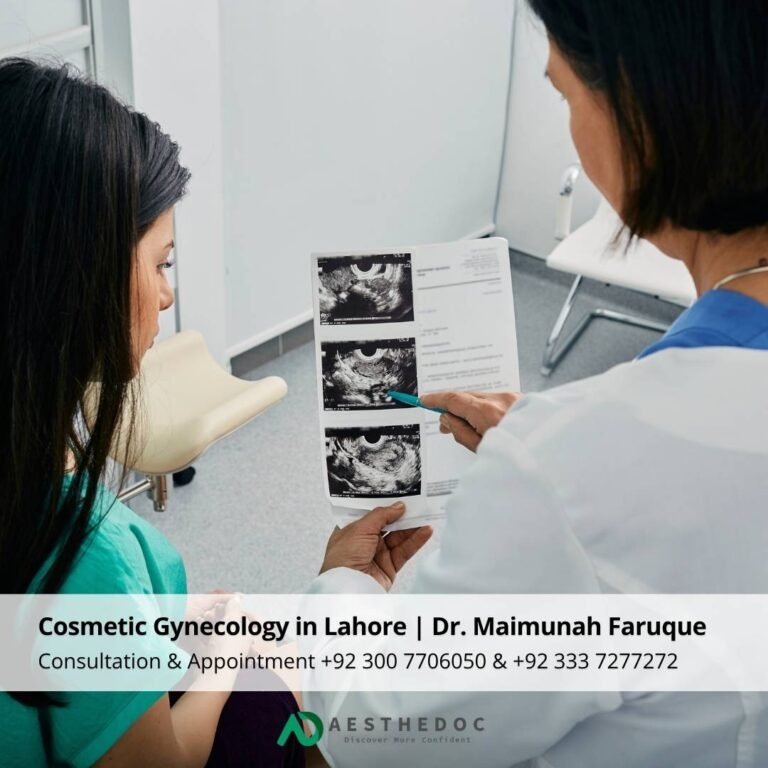
2. Pelvic Ultrasound
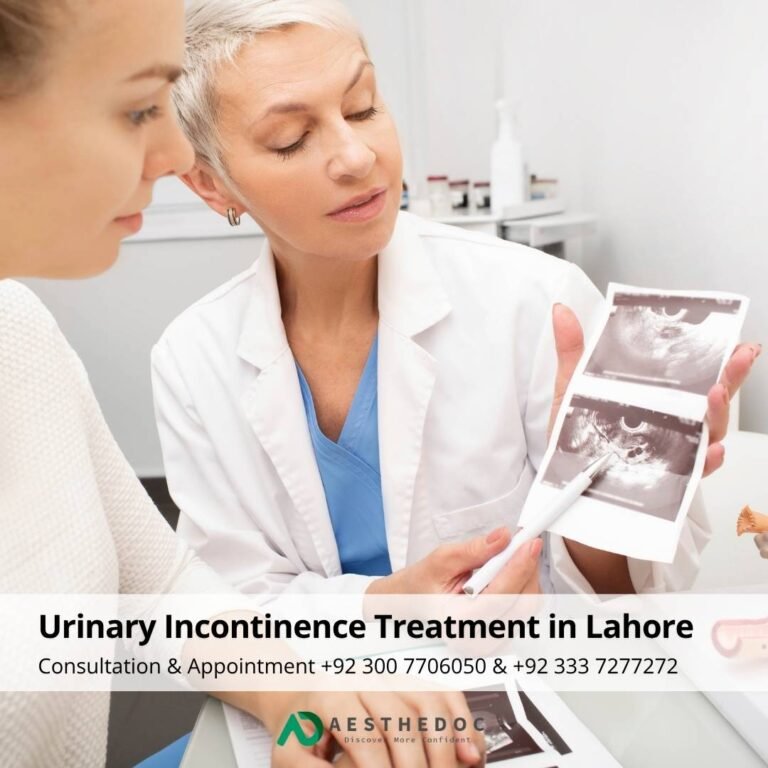
Pelvic ultrasound is an important investigation in female fertility assessment.
It can help examine:
- Uterine structure.
- Endometrial lining.
- Ovarian appearance.
- Ovarian cysts.
- Uterine fibroids.
- Certain structural abnormalities.
- Antral follicle count when indicated.
Transvaginal ultrasound may provide detailed images of the uterus and ovaries when appropriate.
3. Hormonal Investigations
Depending on the symptoms and clinical findings, blood tests may include:
- AMH.
- FSH.
- LH.
- Estradiol.
- Thyroid-stimulating hormone.
- Prolactin.
- Other targeted hormonal tests.
Not every woman requires every test.
AMH and antral follicle count are particularly useful for assessing ovarian response in assisted fertility treatment, but they should not be used alone to determine whether natural conception is possible.
4. Ovulation Assessment
The doctor evaluates whether the woman is ovulating regularly.
For women with predictable menstrual cycles, the menstrual history can often provide useful information about ovulation.
When additional assessment is necessary, options may include:
- Targeted blood progesterone testing.
- Ovulation predictor kits.
- Ultrasound follicular monitoring.
The timing of these investigations is important for accurate interpretation.
5. Hysterosalpingography (HSG)
HSG is an imaging procedure used to evaluate the uterine cavity and whether the fallopian tubes are open.
During the examination, contrast material is introduced through the cervix into the uterus while X-ray images are taken.
It may help identify:
- Blocked fallopian tubes.
- Certain abnormalities of the uterine cavity.
- Other structural concerns.
HSG is not suitable for every patient and should be performed after appropriate medical assessment.
6. Semen Analysis
Semen analysis is one of the most important initial investigations for male fertility.
It evaluates several characteristics of semen, including:
- Semen volume.
- Sperm concentration.
- Total sperm number.
- Sperm motility.
- Sperm morphology.
- Other laboratory parameters.
If the first result is abnormal, repeat testing may be recommended because semen parameters can vary.
Depending on the findings, referral to a urologist or male fertility specialist may be necessary.
7. Hysteroscopy
Hysteroscopy is a procedure in which a thin camera is introduced through the cervix to examine the inside of the uterus.
It may be recommended when there is suspicion of:
- Endometrial polyps.
- Submucosal fibroids.
- Intrauterine adhesions.
- Certain uterine cavity abnormalities.
In selected cases, treatment can be performed during the same procedure.
8. Laparoscopy
Laparoscopy is a minimally invasive surgical procedure performed through small abdominal incisions using a camera and specialised instruments.
It may help investigate or treat selected pelvic conditions associated with infertility, including:
- Endometriosis.
- Pelvic adhesions.
- Certain ovarian cysts.
- Selected tubal abnormalities.
Laparoscopy is not routinely required for every woman experiencing infertility.
It is considered when the medical history, symptoms, imaging, or examination suggest that surgery may provide useful diagnostic or therapeutic information.
Infertility Treatment Options in Lahore
There is no single infertility treatment suitable for every couple.
Treatment depends on the cause, duration of infertility, age of the female partner, ovarian reserve, sperm parameters, previous pregnancy history, and reproductive goals.
The following are commonly considered treatment approaches.
1. Ovulation Induction
Ovulation induction involves using medication to stimulate or regulate the release of an egg.
It may be recommended for women who experience irregular or absent ovulation.
Conditions that may be associated with ovulation problems include:
- PCOS.
- Certain hormonal disorders.
- Some cases of unexplained irregular menstruation.
The treatment may involve medicines such as letrozole or other clinically appropriate medication.
The choice of medicine depends on the patient’s diagnosis and medical history.
Ultrasound monitoring may be recommended to assess follicular development and reduce the risks associated with ovarian overstimulation or multiple pregnancy.
Medication should never be taken without appropriate medical supervision.
2. Treatment of PCOS-Related Infertility
Women with PCOS may require an individualised approach to improve reproductive health.
Treatment can include:
- Lifestyle and nutritional guidance.
- Management of insulin resistance when present.
- Appropriate hormonal assessment.
- Ovulation-induction medication.
- Monitoring of ovarian response.
For many women with PCOS-related anovulatory infertility and no other infertility factors, ovulation induction can be an important treatment option.
The doctor should also consider whether the fallopian tubes are open and whether the male partner’s semen analysis is normal.
3. Treatment of Thyroid and Hormonal Disorders
Hormonal problems may interfere with normal ovulation.
When thyroid dysfunction or another endocrine disorder is identified, appropriate treatment can help improve reproductive health.
Women with elevated prolactin may require further investigation to identify the underlying cause.
Treatment should be based on laboratory findings and clinical assessment.
4. Treatment of Endometriosis-Related Infertility
Endometriosis may affect fertility through inflammation, adhesions, ovarian involvement, or changes in pelvic anatomy.
Management depends on the severity of the disease and the patient’s reproductive plans.
Options may include:
- Fertility assessment.
- Pain management.
- Selected laparoscopic procedures.
- Treatment of associated ovarian or pelvic abnormalities.
- Referral for assisted reproductive treatment when appropriate.
Hormonal suppression treatments used for endometriosis pain generally prevent ovulation while being taken and are not fertility treatments for women actively trying to conceive.
Surgical treatment should be carefully considered because ovarian surgery can sometimes reduce ovarian reserve.
5. Laparoscopic Treatment of Pelvic Conditions
Laparoscopic surgery may be appropriate when a structural pelvic problem contributes to infertility.
Depending on the findings, it may be used for:
- Selected endometriosis cases.
- Pelvic adhesions.
- Certain ovarian cysts.
- Selected tubal conditions.
The objective is to treat a specific identified problem rather than perform surgery simply because pregnancy has not occurred.
The potential benefits and risks should be discussed before the procedure.
6. Treatment of Uterine Fibroids
When fibroids distort the uterine cavity or are associated with reproductive difficulties, treatment may be considered.
One surgical option is myomectomy, which involves removing fibroids while preserving the uterus.
The surgical approach depends on the size, location, and number of fibroids.
Possible approaches include:
- Hysteroscopic myomectomy.
- Laparoscopic myomectomy.
- Open abdominal myomectomy.
Not all fibroids need removal before pregnancy.
The doctor evaluates whether the fibroids are likely to affect fertility and whether surgery offers a meaningful benefit.
7. Treatment of Fallopian Tube Problems
Treatment depends on the location and severity of tubal disease.
Selected patients may be considered for tubal surgery, while others may be referred for assisted reproductive techniques.
In women with severely damaged or blocked fallopian tubes, IVF may be more appropriate than attempting surgical repair.
The treatment decision should consider the woman’s age, ovarian reserve, other infertility factors, and previous reproductive history.
8. Intrauterine Insemination (IUI)
IUI is a fertility procedure in which specially prepared sperm are placed inside the uterus around the time of ovulation.
It may be considered in selected cases, depending on the cause of infertility and sperm quality.
The treatment generally involves:
- Assessment of the couple.
- Confirmation that the fallopian tubes are sufficiently functional.
- Monitoring of ovulation.
- Preparation of the sperm sample.
- Placement of prepared sperm into the uterus using a thin catheter.
IUI is not suitable for every couple, particularly where there is severe male-factor infertility or significant bilateral tubal damage.
9. In Vitro Fertilisation (IVF)
IVF is an advanced assisted reproductive technique in which eggs are collected from the ovaries and fertilised with sperm in a laboratory.
After fertilisation, an embryo may be transferred into the uterus.
IVF may be considered for conditions such as:
- Severe tubal damage.
- Certain male-factor infertility problems.
- Some cases of endometriosis-related infertility.
- Reduced reproductive potential associated with age.
- Unexplained infertility after appropriate assessment and treatment.
IVF requires specialised fertility laboratory facilities and a dedicated reproductive medicine team.
Patients should discuss the expected treatment process, costs, possible complications, and realistic success rates with an appropriately qualified fertility centre.
10. Treatment of Male-Factor Infertility
When male fertility problems are identified, treatment depends on the underlying condition.
Options may include:
- Management of hormonal disorders.
- Treatment of selected infections.
- Varicocele assessment and treatment in appropriate patients.
- Management of reproductive tract obstruction.
- Lifestyle modifications.
- Assisted reproductive techniques when indicated.
Severe male-factor infertility may require specialised procedures such as sperm retrieval and intracytoplasmic sperm injection (ICSI), depending on the diagnosis.
A male fertility specialist or urologist should be involved when indicated.
Can Infertility Be Treated Without IVF?
Yes. IVF is not required for every couple experiencing infertility.
Some couples may conceive after treatment of the underlying condition or with less invasive approaches.
Examples include:
- Ovulation induction for selected women with anovulation.
- Management of thyroid disorders.
- Treatment of certain hormonal problems.
- Selected surgical treatment of uterine or pelvic abnormalities.
- Lifestyle changes where relevant.
- Appropriate management of selected male reproductive problems.
However, IVF may be the more suitable option for some patients, particularly when there is severe tubal damage, certain male-factor problems, or other significant reproductive conditions.
The appropriate treatment should be selected after evaluating both partners.
Does Age Affect Female Fertility?
Yes. Female age is one of the most important factors influencing fertility.
A woman is born with a finite number of eggs, and both egg quantity and quality generally decline with age.
The decline becomes more significant during the later reproductive years.
Age can influence:
- Natural conception rates.
- Miscarriage risk.
- Chromosomal abnormalities.
- Ovarian response to fertility medication.
- IVF success rates.
Women aged 35 or above should consider earlier fertility assessment if pregnancy does not occur after six months of trying.
Women above 40 may benefit from more immediate evaluation.
It is important not to delay consultation when age-related fertility concerns are present.
Can PCOS Cause Permanent Infertility?
No. PCOS does not automatically cause permanent infertility.
Many women with PCOS conceive naturally, while others may need medical support to achieve regular ovulation.
The likelihood of conception depends on several factors, including age, ovarian function, weight-related metabolic health, and the presence of other fertility problems.
An individual assessment can help determine the most suitable treatment.
Can I Get Pregnant With Blocked Fallopian Tubes?
It depends on whether one or both fallopian tubes are blocked and the extent of the damage.
If one tube is open and functioning, natural conception may still be possible.
If both tubes are severely blocked, natural conception may be difficult or impossible without treatment.
Selected tubal conditions may be treated surgically, while IVF may be recommended when tubal damage is significant.
Women with tubal disease also require appropriate assessment for ectopic pregnancy risk.
Can Endometriosis Cause Infertility?
Yes. Endometriosis can contribute to infertility, particularly when it affects the ovaries, fallopian tubes, or normal pelvic anatomy.
However, many women with endometriosis can conceive naturally.
Treatment depends on the severity of symptoms, disease location, age, ovarian reserve, and pregnancy goals.
Surgery may help selected patients, but it is not always the best first option for fertility improvement.
Lifestyle Changes That May Support Fertility
Lifestyle factors can influence reproductive health in both women and men.
Although lifestyle changes cannot correct every cause of infertility, they may support general health and improve certain fertility-related factors.
1. Maintain a Healthy Weight
Both underweight and obesity may affect reproductive hormones and ovulation.
A suitable weight-management plan may help women with PCOS and other metabolic conditions.
2. Eat a Balanced Diet
A balanced diet can support overall reproductive health.
Consider including:
- Fresh vegetables.
- Fruits.
- Whole grains.
- Protein-rich foods.
- Nuts and seeds.
- Healthy fats.
Women planning pregnancy should discuss folic acid supplementation with their healthcare professional.
3. Avoid Smoking
Smoking can negatively affect reproductive health in both men and women.
Stopping smoking is an important step for couples planning pregnancy.
4. Limit Exposure to Harmful Substances
Certain environmental and occupational exposures may affect reproductive function.
Patients should discuss relevant workplace chemicals, medication exposure, and other environmental risks with their doctor.
5. Manage Chronic Medical Conditions
Diabetes, thyroid disease, hypertension, and other medical conditions should be appropriately managed before pregnancy.
Preconception counselling can help identify health issues that may affect fertility or pregnancy.
6. Understand the Fertile Window
The fertile window is the period surrounding ovulation when conception is most likely.
For women with regular cycles, ovulation generally occurs approximately 14 days before the next menstrual period, although this varies.
Having intercourse regularly throughout the cycle, particularly during the fertile window, may improve the opportunity for conception.
Women with irregular periods may benefit from ovulation assessment.
7. Avoid Unverified Fertility Supplements
Not all supplements marketed for fertility have reliable scientific evidence.
Some products may interact with medication or have unwanted effects.
Couples should consult a healthcare professional before using fertility supplements, herbal remedies, or hormone-related products.
Emotional and Psychological Effects of Infertility
Difficulty conceiving can affect emotional wellbeing, relationships, and family life.
Couples may experience:
- Anxiety.
- Frustration.
- Sadness.
- Stress during menstrual cycles.
- Relationship difficulties.
- Social pressure.
- Fear about future pregnancy.
Infertility should be treated as a medical concern rather than a personal failure.
Both partners deserve respectful care and emotional support.
Open communication, appropriate counselling, and avoiding unnecessary blame can help couples manage the experience.
It is also important to remember that fertility problems are not always caused by the woman. Male-factor infertility and combined fertility factors are common possibilities.
What Should You Bring to Your First Infertility Consultation?
Preparing for a consultation can help the doctor understand your reproductive history and avoid unnecessary repetition of investigations.
Consider bringing:
- Previous ultrasound reports.
- Menstrual history.
- Previous pregnancy records.
- Reports of miscarriages or ectopic pregnancies.
- Previous pelvic surgery records.
- Hormonal blood test results.
- Previous HSG reports.
- Previous semen analysis.
- Details of fertility medication or treatment.
- Information about existing medical conditions.
Both partners should ideally participate in the fertility evaluation.
A complete assessment helps the doctor identify possible causes and recommend a practical treatment plan.
Infertility Treatment in Lahore: Why Choosing the Right Gynecologist Matters
Couples searching for infertility treatment in Lahore should look for professional medical assessment that considers both female and male reproductive health.
A suitable gynecological consultation should focus on identifying the underlying cause rather than recommending unnecessary medication, surgery, or expensive procedures.
When choosing a doctor, consider:
- Relevant medical qualifications.
- Experience in obstetrics and gynecology.
- Knowledge of reproductive health conditions.
- Ability to assess PCOS, endometriosis, fibroids, and ovarian disorders.
- Experience with gynecological laparoscopic procedures where appropriate.
- Access to relevant fertility investigations.
- Referral arrangements for male fertility assessment and advanced reproductive treatment.
Not every gynecologist provides IVF or advanced assisted reproductive services. Couples requiring these treatments should be referred to an appropriately equipped fertility centre.
A good treatment plan should explain the diagnosis, available options, expected benefits, potential risks, and when referral to another specialist is appropriate.
Frequently Asked Questions About Infertility Treatment in Lahore
1. What is the most common cause of infertility in women?
Common causes include ovulation disorders such as PCOS, tubal disease, endometriosis, uterine abnormalities, and age-related changes in ovarian function. The most likely cause varies between patients.
2. Can infertility be cured permanently?
Some causes of infertility can be successfully treated, while others require ongoing management or assisted reproductive treatment. The outcome depends on the underlying condition, age, and reproductive health of both partners.
3. How long should a couple try before seeking infertility treatment?
Women under 35 should generally seek evaluation after 12 months of regular unprotected intercourse. Women aged 35–40 should seek evaluation after six months. Women over 40 and those with known reproductive conditions may need earlier assessment.
4. Can PCOS patients become pregnant?
Yes. Many women with PCOS conceive naturally or with medical assistance. Treatment may include lifestyle management and ovulation-induction medication when appropriate.
5. Can irregular periods cause infertility?
Irregular periods may indicate irregular ovulation or another hormonal problem. Investigating the underlying cause can help determine whether treatment is required.
6. Is infertility always caused by the woman?
No. Infertility can result from male factors, female factors, combined factors, or unexplained causes. Both partners should be evaluated.
7. What is the first test for female infertility?
The initial evaluation usually involves a detailed medical and menstrual history, physical assessment when appropriate, and pelvic ultrasound. Additional hormonal and tubal investigations depend on the findings.
8. Is HSG necessary for every woman with infertility?
No. HSG is recommended when assessment of the fallopian tubes is clinically appropriate. The doctor determines whether it is necessary based on the patient’s history and other investigations.
9. Can blocked fallopian tubes be treated?
Some tubal conditions can be treated surgically, depending on the location and severity of the blockage. IVF may be a more suitable option in cases of significant tubal damage.
10. Does endometriosis always cause infertility?
No. Many women with endometriosis conceive naturally. However, the condition can affect fertility in some patients, particularly when it involves the ovaries or fallopian tubes.
11. What is the difference between IUI and IVF?
IUI involves placing prepared sperm inside the uterus around ovulation. IVF involves collecting eggs, fertilising them in a laboratory, and transferring an embryo into the uterus.
12. Can a woman get pregnant with low AMH?
Yes, pregnancy may still be possible with low AMH. AMH is primarily used as an indicator of ovarian reserve and anticipated response to fertility medication. It cannot independently determine whether natural pregnancy is possible.
13. Does age 35 affect fertility?
Female fertility generally declines with age, and the decline becomes more significant during the later reproductive years. Women aged 35 or above should seek earlier evaluation if they experience difficulty conceiving.
14. Can fibroids prevent pregnancy?
Certain fibroids, particularly those that distort the uterine cavity, may interfere with fertility. Many women with fibroids conceive normally. Treatment depends on the fibroid’s location, size, and reproductive impact.
15. Can infertility be treated without surgery?
Yes. Many fertility problems can be managed with medication, hormonal treatment, and lifestyle interventions. Surgery is considered only when a specific condition may benefit from an operation.
16. Can stress cause infertility?
Stress may affect general wellbeing, sleep, and lifestyle and can sometimes influence menstrual function. However, infertility should not automatically be attributed to stress. A proper reproductive evaluation is important.
17. Should both husband and wife undergo fertility tests?
Yes. Evaluating both partners helps identify male, female, or combined fertility factors. A semen analysis is an important part of the initial assessment.
18. Where can I get an infertility consultation in Lahore?
Patients can contact Aesthedoc to enquire about consultation arrangements with Dr. Maimunah Faruque and confirm appointment availability for Lahore patients. Depending on the diagnosis, additional fertility investigations or referral to a dedicated reproductive medicine centre may be required.
Final Thoughts: Take the First Step Towards Understanding Your Fertility
Infertility can have several underlying causes, and every couple’s medical situation is different. Some women experience difficulty conceiving because of PCOS or irregular ovulation, while others may have endometriosis, blocked fallopian tubes, fibroids, or age-related changes in ovarian function.
Male reproductive health is equally important, making it essential to assess both partners before deciding on treatment.
The most important step is to obtain an accurate diagnosis and understand which treatment options are appropriate. Depending on the findings, management may involve medication, ovulation induction, laparoscopic treatment of selected conditions, or referral for advanced fertility treatment.
Couples in Lahore who have been trying to conceive without success should consider arranging a professional fertility consultation rather than relying on unverified remedies or delaying medical assessment.
Early evaluation can help identify treatable conditions and provide a clearer path towards family planning.
Consult Dr. Maimunah Faruque at Aesthedoc
Dr. Maimunah Faruque
Gyne Endoscopy and Laparoscopic Surgeon
Cosmetic Gynecologist
Qualifications:
- MBBS
- FCPS
- F.MAS
Dr. Maimunah Faruque is associated with women’s healthcare, gynecology, and laparoscopic surgical care.
Women experiencing difficulty conceiving can enquire about a gynecological consultation to discuss their reproductive history, menstrual irregularities, PCOS, endometriosis, ovarian cysts, fibroids, and other possible factors affecting fertility.
Depending on the findings, patients may require additional investigations, male-partner evaluation, or referral to a dedicated fertility specialist or assisted reproductive centre.
Book a Consultation with Aesthedoc
If you have been trying to conceive without success, experiencing irregular periods, or have a known gynecological condition that may affect fertility, consider arranging a medical consultation.
An appropriate evaluation can help identify the underlying problem and determine the next steps.
Aesthedoc – Women’s Healthcare and Gynecology Consultation
Phone: 03337277272
Phone: 03007706050
Email: info@aesthedoc.com
Contact Aesthedoc to enquire about an appointment with Dr. Maimunah Faruque and consultation arrangements for patients from Lahore.
Medical Disclaimer: This article is for general educational purposes only. It does not replace a medical examination, fertility assessment, diagnosis, or individualised treatment plan. Fertility treatment should be selected by qualified healthcare professionals after evaluating both partners.