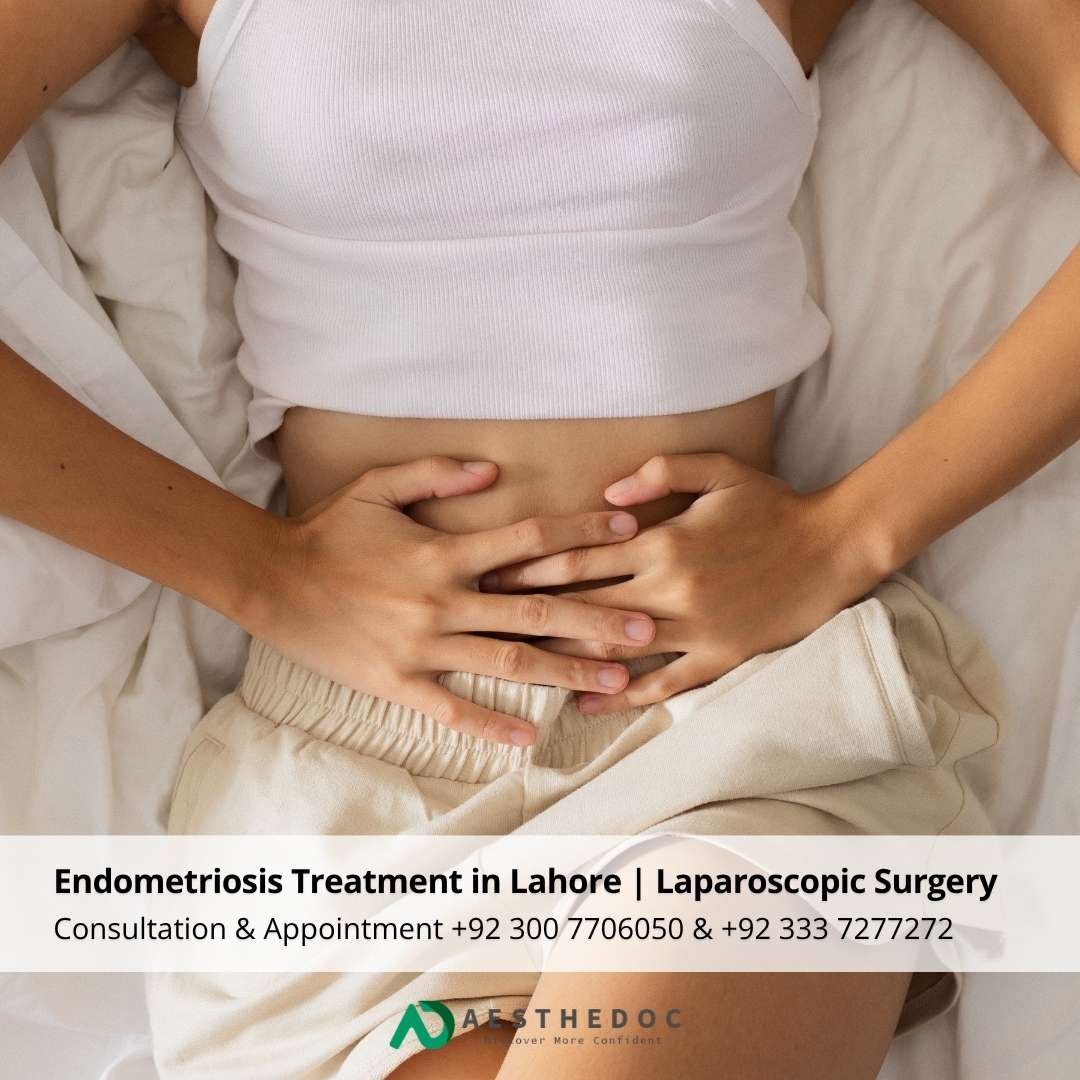
Severe menstrual pain, persistent pelvic discomfort, painful intercourse, and difficulty conceiving are symptoms that many women experience but sometimes consider a normal part of their menstrual cycle. However, when these symptoms become persistent, severe, or interfere with daily activities, an underlying gynecological condition may be responsible.
One such condition is endometriosis, a chronic inflammatory disease in which tissue similar to the lining of the uterus grows outside the uterus. It can affect the ovaries, fallopian tubes, pelvic lining, and other surrounding structures.
Endometriosis may cause significant menstrual pain, chronic pelvic discomfort, ovarian cysts, adhesions, and fertility difficulties. Some women experience severe symptoms, while others may have the condition without noticeable signs.
Women searching for endometriosis treatment in Lahore often want to understand why their periods are painful, whether endometriosis can affect pregnancy, which investigations are required, and whether laparoscopic surgery can provide relief.
The good news is that several treatment options are available. Depending on the severity of the disease, symptoms, age, and pregnancy plans, management may involve pain-relieving medication, hormonal treatment, specialist monitoring, or laparoscopic surgery.
Early assessment can help identify the condition, understand its impact on reproductive health, and develop an appropriate treatment strategy.
This comprehensive guide explains endometriosis, its causes, symptoms, stages, diagnosis, medical management, surgical treatment, recovery, and its relationship with infertility.
Women in Lahore seeking gynecological consultation can enquire about appointment arrangements with Dr. Maimunah Faruque, Gyne Endoscopy and Laparoscopic Surgeon and Cosmetic Gynecologist, at Aesthedoc.
What Is Endometriosis?
Endometriosis is a chronic gynecological condition in which tissue resembling the endometrium, which normally lines the inside of the uterus, grows outside the uterus.
These growths are commonly found in the pelvic region and may involve:
- Ovaries.
- Fallopian tubes.
- Pelvic lining.
- Tissue behind the uterus.
- Areas around the bladder.
- Tissue surrounding the bowel.
- Other pelvic structures.
Endometriosis tissue can respond to hormonal changes during the menstrual cycle. This may contribute to inflammation, irritation, pain, scarring, and the development of adhesions.
In some women, endometriosis develops into ovarian cysts known as endometriomas, sometimes called chocolate cysts.
Unlike the normal uterine lining, endometriosis lesions are located outside the uterus and cannot simply leave the body through menstrual bleeding. Their activity can contribute to persistent inflammation and tissue damage.
Quick definition: Endometriosis is a chronic inflammatory disease involving endometrium-like tissue outside the uterus, potentially causing painful periods, chronic pelvic pain, adhesions, ovarian cysts, and fertility problems.
The severity of symptoms does not always correspond to the amount of disease. Some women with extensive endometriosis have relatively mild symptoms, while others with limited disease experience severe pain.
What Are the Main Symptoms of Endometriosis?
Endometriosis symptoms vary from woman to woman.
Some women experience severe pain during menstruation, while others may have symptoms throughout the month.
The condition can also affect bowel movements, urination, sexual activity, and reproductive health.
1. Severe Menstrual Pain
One of the most recognised symptoms of endometriosis is dysmenorrhea, which refers to painful menstrual periods.
Women may experience:
- Severe lower abdominal cramps.
- Pain extending into the lower back.
- Pain radiating towards the thighs.
- Menstrual discomfort that worsens over time.
- Pain that interferes with work or daily activities.
- Menstrual pain that does not improve adequately with usual medication.
Although period pain is common, severe or progressively worsening menstrual pain should not automatically be considered normal.
2. Chronic Pelvic Pain
Some women experience pelvic pain even when they are not menstruating.
This discomfort may be constant or intermittent and can affect daily activities.
Pain may occur:
- In the lower abdomen.
- Around the pelvic region.
- In the lower back.
- During physical activity.
- Before or after menstruation.
Chronic pelvic pain requires appropriate assessment because several gynecological, urinary, and gastrointestinal conditions can cause similar symptoms.
3. Pain During Sexual Intercourse
Deep pain during or after sexual intercourse can be associated with endometriosis.
This may occur when lesions affect structures behind the uterus or other areas within the pelvis.
The pain can be uncomfortable and may affect emotional wellbeing and relationships.
Women experiencing persistent pain during intercourse should seek a gynecological evaluation rather than ignoring the symptoms.
4. Pain During Bowel Movements
Endometriosis may involve the tissue surrounding the bowel or, in some cases, the bowel wall.
Symptoms can include:
- Pain during bowel movements.
- Pelvic pressure.
- Constipation.
- Diarrhoea.
- Bloating.
- Pain that becomes worse during menstruation.
Cyclical bowel symptoms may raise suspicion of endometriosis, particularly when associated with severe menstrual pain.
5. Pain During Urination
Some women experience urinary symptoms when endometriosis affects areas around the bladder or urinary tract.
Possible symptoms include:
- Pain during urination.
- Pelvic pressure.
- Bladder discomfort.
- Urinary frequency.
- Blood in the urine, particularly around menstruation in selected cases.
Urinary symptoms can have many other causes, including urinary tract infections. Proper investigation is important.
6. Difficulty Conceiving
Endometriosis can affect fertility in some women.
It may contribute to:
- Pelvic adhesions.
- Damage to the fallopian tubes.
- Ovarian endometriomas.
- Reduced ovarian reserve in certain cases.
- Changes in the pelvic environment.
Not every woman with endometriosis experiences infertility. Many women with the condition conceive naturally.
However, women who have endometriosis and are planning pregnancy may benefit from early fertility counselling.
7. Heavy or Irregular Menstrual Bleeding
Some women with endometriosis experience heavy or irregular menstrual bleeding.
However, heavy bleeding is not specific to endometriosis and may also be associated with uterine fibroids, adenomyosis, hormonal disturbances, or other conditions.
A medical assessment can help determine the actual cause.
8. Fatigue and General Discomfort
Chronic pain and inflammation can affect sleep, physical activity, and general wellbeing.
Some women experience persistent tiredness, reduced concentration, and emotional distress.
These symptoms should be considered as part of the overall impact of the condition.
What Causes Endometriosis?
The exact cause of endometriosis is not fully understood.
Researchers have identified several possible mechanisms that may contribute to its development.
It is important to understand that endometriosis is not caused by a woman’s lifestyle choices or personal failure.
1. Retrograde Menstruation
One proposed explanation is retrograde menstruation.
This occurs when menstrual blood flows backwards through the fallopian tubes into the pelvic cavity rather than leaving the body entirely through the vagina.
The menstrual material may contain endometrial cells that can attach to pelvic tissues and contribute to endometriosis.
However, retrograde menstruation occurs in many women who never develop endometriosis, so it cannot explain every case.
2. Genetic Factors
Endometriosis may occur more frequently in women with a family history of the condition.
Having a mother or sister with endometriosis may increase the likelihood of developing it.
Genetic factors are thought to contribute to susceptibility, although they do not determine whether a woman will definitely develop the disease.
3. Immune System Factors
Changes in immune system activity may contribute to the development and persistence of endometriosis.
The immune system normally helps identify and remove abnormal cells.
In some women, differences in immune responses may allow endometrium-like tissue to survive and grow outside the uterus.
4. Hormonal Influences
Oestrogen plays an important role in the growth and activity of endometriosis lesions.
The condition is generally considered oestrogen-dependent, which helps explain why hormonal treatments can reduce symptoms in some patients.
5. Cellular Transformation
Some theories suggest that certain cells within the body may transform into endometrium-like tissue under particular biological conditions.
This may help explain cases that cannot be fully explained by retrograde menstruation.
6. Surgical and Other Biological Factors
Endometriosis can sometimes develop in surgical scars following procedures involving the uterus or abdominal wall, although this is less common.
Other biological mechanisms, including changes in tissue development and inflammatory pathways, are also being investigated.
Who Is at Higher Risk of Endometriosis?
Endometriosis can affect women during their reproductive years, although symptoms and diagnosis may occur at different ages.
Certain factors may be associated with a higher likelihood of the condition.
These include:
- A close family history of endometriosis.
- Early onset of menstruation.
- Short menstrual cycles.
- Heavy menstrual bleeding.
- Long menstrual periods.
- Certain reproductive tract abnormalities.
- Never having given birth.
However, endometriosis can develop in women without these factors.
Having one or more risk factors does not confirm the diagnosis.
What Are the Different Stages of Endometriosis?
Endometriosis is commonly classified using a staging system developed by the American Society for Reproductive Medicine (ASRM).
The classification considers factors such as the location, depth, and extent of lesions, along with adhesions and ovarian involvement.
There are four commonly recognised stages.
| Stage | Classification | General description |
|---|---|---|
| Stage 1 | Minimal | Small or superficial lesions with limited involvement |
| Stage 2 | Mild | More lesions and potentially deeper involvement |
| Stage 3 | Moderate | Deeper lesions, ovarian involvement, or adhesions |
| Stage 4 | Severe | Extensive disease, larger endometriomas, or significant adhesions |
An important point is that the stage does not reliably predict how much pain a woman experiences.
For example, a patient with Stage 1 disease may experience severe pain, while another with Stage 4 disease may report relatively mild symptoms.
Treatment decisions should therefore consider symptoms, reproductive goals, imaging findings, and the overall clinical condition rather than relying only on the stage.
What Is an Ovarian Endometrioma or Chocolate Cyst?
An ovarian endometrioma is a type of ovarian cyst associated with endometriosis.
It develops when endometriosis tissue affects the ovary and forms a cyst containing old blood.
Because of its thick, dark brown contents, it is commonly called a chocolate cyst.
Possible symptoms include:
- Painful periods.
- Chronic pelvic pain.
- Pain during sexual intercourse.
- Pelvic pressure.
- Difficulty conceiving.
Some women have no noticeable symptoms, and the cyst is discovered during an ultrasound examination.
Can Chocolate Cysts Affect Fertility?
Yes. Ovarian endometriomas may affect fertility in certain women.
They can be associated with inflammation, damage to ovarian tissue, and reduced ovarian reserve.
However, removing an endometrioma surgically can also reduce ovarian reserve, particularly when cysts are large, bilateral, or have been operated on previously.
Therefore, surgery should not be recommended automatically for every ovarian endometrioma.
The decision depends on cyst characteristics, pain, age, ovarian reserve, pregnancy plans, and the possibility of other diagnoses.
How Is Endometriosis Diagnosed?
Diagnosing endometriosis can sometimes be challenging because its symptoms overlap with other gynecological and abdominal conditions.
Some women experience symptoms for years before receiving an accurate diagnosis.
A proper assessment generally involves medical history, physical examination when appropriate, and imaging investigations.
1. Medical History and Symptom Assessment
The doctor may ask about:
- Menstrual pain.
- Duration of symptoms.
- Chronic pelvic discomfort.
- Pain during sexual intercourse.
- Bowel symptoms.
- Urinary symptoms.
- Previous pregnancies.
- Difficulty conceiving.
- Previous pelvic surgeries.
- Family history of endometriosis.
- Previous treatments and their effectiveness.
A symptom diary can also help identify whether pain follows a menstrual pattern.
2. Pelvic Examination
A pelvic examination may be performed when appropriate and with the patient’s informed consent.
It can help identify:
- Pelvic tenderness.
- Restricted uterine movement.
- Tender nodules.
- Ovarian masses.
- Other abnormalities.
However, a normal pelvic examination does not rule out endometriosis.
3. Transvaginal Ultrasound
Transvaginal ultrasound is an important investigation for suspected endometriosis.
It can help identify:
- Ovarian endometriomas.
- Certain deep endometriosis lesions.
- Pelvic abnormalities.
- Other causes of pelvic pain.
Ultrasound performed by an experienced professional may provide useful information about the extent of disease.
However, superficial endometriosis may not be visible on ultrasound.
A normal ultrasound therefore does not exclude the condition.
4. MRI Scan
Magnetic resonance imaging may be recommended when deeper endometriosis is suspected or when detailed assessment of pelvic structures is required.
MRI can help evaluate:
- Deep endometriosis.
- Bowel involvement.
- Bladder involvement.
- Uterosacral ligament disease.
- Complex ovarian or pelvic abnormalities.
It is particularly useful in selected patients when surgical planning requires detailed anatomical information.
5. Laparoscopy
Laparoscopy is a minimally invasive surgical procedure that allows direct visual examination of the pelvic cavity.
A small camera is inserted through an abdominal incision, allowing the surgeon to inspect the ovaries, uterus, fallopian tubes, and surrounding structures.
Laparoscopy may also allow treatment of visible endometriosis lesions during the same operation.
Historically, laparoscopy with biopsy was considered the gold standard for diagnosing endometriosis.
Current clinical guidance recognises that endometriosis can often be diagnosed and managed based on symptoms and imaging, without requiring surgery solely to establish a diagnosis.
Laparoscopy is considered when clinically appropriate, particularly when symptoms persist despite treatment, imaging identifies disease requiring intervention, or surgery may offer a meaningful therapeutic benefit.
6. Blood Tests
There is currently no single routine blood test that can reliably diagnose or exclude endometriosis.
Blood tests may be recommended to investigate other conditions, assess anaemia, or evaluate associated medical concerns.
CA-125 is not recommended as a standalone diagnostic test for endometriosis.
Endometriosis Treatment in Lahore: Available Medical Options
Endometriosis treatment depends on the severity of symptoms, location of disease, reproductive goals, age, and previous treatments.
Some women can manage their symptoms with medication, while others may benefit from surgery.
There is currently no guaranteed permanent cure for endometriosis, and symptoms may return after treatment.
The objective is to reduce pain, improve quality of life, preserve reproductive health where possible, and address complications.
1. Pain Management
Pain-relieving medicines may help manage menstrual cramps and pelvic discomfort.
Common options include non-steroidal anti-inflammatory drugs (NSAIDs), when appropriate.
These medicines can reduce inflammation and menstrual pain.
However, they do not remove endometriosis lesions or permanently treat the underlying disease.
Patients with kidney problems, stomach ulcers, certain medical conditions, or pregnancy concerns should discuss medication suitability with their doctor.
2. Hormonal Treatment
Hormonal medication is commonly used to manage endometriosis-related pain.
The objective is to reduce ovarian hormonal stimulation and suppress menstrual activity or endometriosis lesion activity.
Treatment options may include:
Combined hormonal contraceptives
These contain oestrogen and progestogen and may be used continuously or cyclically to reduce menstrual bleeding and pain.
Progestogen treatment
Progestogen-based medication can help reduce endometriosis-related pain in selected patients.
Levonorgestrel-releasing intrauterine system
A hormonal intrauterine system may help reduce menstrual bleeding and pain in some women.
GnRH agonists and antagonists
These medicines suppress ovarian hormone production and may be considered for selected patients with persistent symptoms.
They can cause menopausal-like side effects and may require additional hormonal treatment to reduce bone loss and other adverse effects.
Hormonal suppression treatments are generally not suitable for women actively trying to conceive because they prevent or suppress ovulation.
3. Treatment of Endometriosis-Related Ovarian Cysts
Management of an ovarian endometrioma depends on its size, symptoms, imaging characteristics, and fertility plans.
Possible approaches include:
- Regular monitoring.
- Pain management.
- Hormonal treatment when pregnancy is not currently desired.
- Selected laparoscopic surgery.
Surgery may be considered when the cyst causes significant pain, has concerning imaging features, or interferes with other treatment plans.
The potential effect of surgery on ovarian reserve should be discussed before the procedure.
4. Fertility-Focused Management
Women with endometriosis who wish to become pregnant require a treatment approach that considers reproductive health.
Management may involve:
- Assessment of ovarian reserve.
- Evaluation of fallopian tubes.
- Assessment of male-partner fertility.
- Evaluation of endometriomas.
- Review of previous pelvic surgery.
- Consideration of natural conception.
- Referral for assisted reproductive treatment when appropriate.
Hormonal treatments used solely to suppress endometriosis are generally not recommended to improve natural pregnancy rates while a woman is actively trying to conceive.
Selected women may benefit from surgery or assisted reproductive treatment, depending on their individual circumstances.
Laparoscopic Surgery for Endometriosis in Lahore
Laparoscopic surgery is an important treatment option for selected women with endometriosis.
It is a minimally invasive surgical approach that uses a camera and specialised instruments inserted through small abdominal incisions.
The surgeon can examine pelvic structures, identify endometriosis lesions, assess adhesions, and perform appropriate surgical treatment.
What Can Laparoscopic Surgery Treat?
Depending on the disease and surgical findings, laparoscopy may be used to:
- Remove or destroy selected endometriosis lesions.
- Release pelvic adhesions.
- Treat selected ovarian endometriomas.
- Improve pelvic anatomy.
- Assess the fallopian tubes.
- Treat certain associated pelvic abnormalities.
The type of surgery depends on the location and extent of the disease.
How Is Laparoscopic Endometriosis Surgery Performed?
The procedure is generally performed under general anaesthesia.
The process commonly involves:
Step 1: Anaesthesia and preparation
The patient receives general anaesthesia and is prepared for surgery.
Step 2: Small abdominal incisions
Small incisions are made in the abdomen to introduce a camera and specialised surgical instruments.
Step 3: Examination of pelvic structures
The surgeon examines the uterus, ovaries, fallopian tubes, and surrounding tissues.
Step 4: Identification of endometriosis
Visible endometriosis lesions, adhesions, and associated abnormalities are assessed.
Step 5: Surgical treatment
Depending on the findings, the surgeon may remove lesions, treat selected areas, or release adhesions.
Step 6: Completion and recovery
The instruments are removed, the incisions are closed, and the patient is transferred to the recovery area.
The extent of surgery can vary considerably between patients.
Excision vs Ablation: What Is the Difference?
Two techniques may be used during laparoscopic treatment.
Excision: The surgeon removes endometriosis tissue using specialised instruments.
Ablation: The surgeon destroys or treats the surface of endometriosis lesions using an appropriate energy source.
The choice depends on the type, location, and depth of the disease.
Deep endometriosis involving the bowel, bladder, or ureters may require advanced surgical expertise and collaboration with other specialists.
Benefits of Laparoscopic Surgery
When appropriately indicated, laparoscopic surgery may offer:
- Smaller abdominal incisions.
- Less postoperative discomfort compared with many open procedures.
- Shorter hospital stays in suitable cases.
- Faster recovery of daily activities.
- Direct visual assessment of pelvic structures.
- Treatment of selected endometriosis lesions.
- Release of certain pelvic adhesions.
However, the results depend on the extent of the disease and the surgical approach.
Laparoscopy is still a major surgical procedure and carries potential risks.
What Are the Risks of Laparoscopic Endometriosis Surgery?
Patients should understand the potential complications before agreeing to surgery.
Possible risks include:
- Bleeding.
- Infection.
- Injury to the bowel.
- Injury to the bladder.
- Injury to the ureters.
- Injury to blood vessels.
- Anaesthesia-related complications.
- Formation of new adhesions.
- Reduced ovarian reserve after certain ovarian procedures.
- Persistent or recurrent endometriosis symptoms.
The risk varies according to disease severity, lesion location, previous surgery, and the complexity of the procedure.
Deep endometriosis surgery may carry additional risks and should be planned by appropriately experienced surgical teams.
Recovery After Laparoscopic Endometriosis Surgery
Recovery depends on the extent of surgery and the patient’s general health.
Women undergoing limited laparoscopic procedures may recover faster than those requiring extensive removal of deep endometriosis or complex ovarian surgery.
First 24 Hours
After surgery, the medical team monitors:
- Blood pressure.
- Heart rate.
- Pain.
- Bleeding.
- Nausea.
- Urination.
- General recovery from anaesthesia.
Some women can go home the same day, while others may require hospital observation.
First Week
Common temporary symptoms may include:
- Mild abdominal discomfort.
- Bloating.
- Shoulder-tip pain due to the gas used during laparoscopy.
- Fatigue.
- Mild incision-site discomfort.
Patients should follow wound-care and medication instructions.
Second Week and Beyond
Gradual improvement is expected after uncomplicated surgery.
The return to work, exercise, and normal activities depends on the extent of the procedure and the surgeon’s instructions.
Women who undergo extensive surgery may require a longer recovery period.
When Should You Seek Medical Attention After Surgery?
Contact your surgical team or seek urgent medical assessment if you experience:
- High fever.
- Increasing abdominal pain.
- Heavy vaginal bleeding.
- Persistent vomiting.
- Redness or discharge from surgical wounds.
- Difficulty passing urine.
- Severe abdominal swelling.
- Chest pain or breathing difficulty.
These symptoms may indicate complications and should not be ignored.
Can Endometriosis Cause Infertility?
Yes. Endometriosis is associated with infertility in some women, although many women with the condition conceive naturally.
It may affect fertility through several mechanisms.
1. Pelvic Adhesions
Endometriosis can cause scar tissue and adhesions around the ovaries and fallopian tubes.
These may interfere with normal reproductive anatomy and egg movement.
2. Ovarian Endometriomas
Endometriomas can affect ovarian tissue and may be associated with reduced ovarian reserve.
Surgical treatment of endometriomas may also affect the remaining ovarian tissue, so the decision requires careful consideration.
3. Inflammation
Endometriosis is associated with chronic inflammation within the pelvic environment.
This may affect reproductive processes in some patients.
4. Fallopian Tube Dysfunction
Endometriosis-related adhesions may interfere with normal fallopian tube movement and function.
5. Changes in Pelvic Anatomy
Advanced endometriosis can distort the relationship between the uterus, ovaries, and fallopian tubes.
This may make natural fertilisation more difficult.
Can I Get Pregnant After Endometriosis Treatment?
Yes. Many women conceive after appropriate endometriosis management.
The likelihood depends on:
- Age.
- Ovarian reserve.
- Disease severity.
- Tubal function.
- Previous surgery.
- Presence of other fertility problems.
- Male-partner fertility.
Some women conceive naturally without surgery.
Others may benefit from selected laparoscopic treatment or assisted reproductive techniques.
Does Laparoscopic Surgery Improve Fertility?
In selected women, laparoscopic treatment of endometriosis may improve the possibility of natural conception.
However, the benefit varies depending on disease severity and surgical findings.
Surgery is not automatically recommended for every woman with infertility and endometriosis.
For women with ovarian endometriomas, bilateral disease, previous ovarian surgery, or reduced ovarian reserve, surgery may sometimes negatively affect reproductive potential.
Fertility planning should therefore be discussed before surgery.
Can Endometriosis Return After Surgery?
Yes. Endometriosis can recur after surgical treatment.
Although laparoscopic surgery may reduce symptoms and remove visible disease, it cannot guarantee that the condition will never return.
Recurrence depends on factors such as:
- Extent of disease.
- Completeness of surgical treatment.
- Ovarian involvement.
- Hormonal activity.
- Previous surgery.
- Individual disease characteristics.
For women who are not currently trying to conceive, postoperative hormonal treatment may be recommended to help reduce symptom recurrence.
The follow-up plan should be tailored to the patient’s reproductive goals.
Endometriosis vs Adenomyosis: What Is the Difference?
Endometriosis and adenomyosis are two different but sometimes overlapping gynecological conditions.
Both can cause painful periods and pelvic discomfort.
| Feature | Endometriosis | Adenomyosis |
|---|---|---|
| Tissue location | Outside the uterus | Within the muscular wall of the uterus |
| Common symptoms | Pelvic pain, painful periods, pain during intercourse | Painful periods, heavy bleeding, pelvic pressure |
| Ovarian cysts | Endometriomas may develop | Not a typical feature |
| Fertility impact | Can affect fertility | May affect fertility and pregnancy outcomes |
| Diagnosis | Clinical assessment and imaging; laparoscopy in selected cases | Usually ultrasound or MRI |
| Treatment | Pain medication, hormonal treatment, selected surgery | Hormonal treatment, symptom management, selected procedures or surgery |
A woman can have both conditions simultaneously.
Accurate diagnosis helps ensure that treatment addresses the actual cause of symptoms.
When Should You Consult a Gynecologist for Endometriosis?
Women should consider a gynecological consultation if they experience:
- Severe menstrual pain.
- Period pain that affects everyday activities.
- Persistent pelvic discomfort.
- Pain during sexual intercourse.
- Painful bowel movements during menstruation.
- Pain during urination.
- Persistent ovarian cysts.
- Difficulty conceiving.
- Menstrual pain that does not improve with usual treatment.
A consultation can help identify whether endometriosis is a possible explanation and determine whether ultrasound, MRI, medical treatment, or surgical assessment is necessary.
Endometriosis Treatment in Lahore: Choosing the Right Specialist
Women searching for an endometriosis specialist in Lahore should consider the doctor’s experience in diagnosing and managing gynecological conditions, including ovarian cysts, pelvic pain, endometriosis, and laparoscopic surgery.
Important considerations include:
- Relevant postgraduate qualifications.
- Experience in gynecology.
- Experience with laparoscopic procedures.
- Ability to assess ovarian and pelvic conditions.
- Knowledge of fertility-related concerns.
- Appropriate imaging and diagnostic arrangements.
- Access to multidisciplinary support for complex disease.
- Clear discussion of surgical benefits and risks.
Not every case of endometriosis requires surgery.
A good treatment plan should explain why a particular treatment is recommended, what outcomes may be expected, and whether fertility preservation needs to be considered.
For complex deep endometriosis involving the bowel, bladder, or ureters, treatment may require a specialised multidisciplinary surgical team.
Frequently Asked Questions About Endometriosis Treatment in Lahore
1. What is the main cause of endometriosis?
The exact cause is not fully understood. Possible contributing factors include retrograde menstruation, genetic susceptibility, immune system differences, hormonal influences, and cellular changes.
2. What are the first symptoms of endometriosis?
Common symptoms include severe menstrual pain, pelvic discomfort, painful intercourse, pain during bowel movements, and difficulty conceiving. Some women have no noticeable symptoms.
3. Is endometriosis a serious disease?
Endometriosis is a chronic disease that can significantly affect physical health, fertility, and quality of life. The severity varies between women and depends on the extent and location of the disease.
4. Can endometriosis be cured permanently?
There is currently no guaranteed permanent cure. Medical and surgical treatments can help manage symptoms and treat visible disease, but recurrence is possible.
5. Does every woman with endometriosis need surgery?
No. Many women can manage their symptoms with medication and hormonal treatment. Laparoscopic surgery is considered when clinically appropriate.
6. Is laparoscopy the best treatment for endometriosis?
Laparoscopy is an important surgical option for selected patients, particularly when there are persistent symptoms, endometriomas, adhesions, or deep disease requiring intervention. It is not necessary for every patient.
7. Can endometriosis cause infertility?
Yes. Endometriosis may affect the ovaries, fallopian tubes, and pelvic anatomy, potentially making conception difficult. However, many women with endometriosis become pregnant naturally.
8. Can I get pregnant after laparoscopic endometriosis surgery?
Yes, pregnancy may be possible after surgery. The outcome depends on age, ovarian reserve, tubal function, disease severity, and other fertility factors.
9. What is a chocolate cyst?
A chocolate cyst is an ovarian endometrioma containing old blood. It is associated with endometriosis and may cause pelvic pain or fertility problems.
10. Does endometriosis cause heavy periods?
Some women experience heavy or irregular menstrual bleeding. However, heavy bleeding can also be caused by fibroids, adenomyosis, and hormonal conditions.
11. Can ultrasound detect endometriosis?
Ultrasound can identify ovarian endometriomas and certain forms of deep endometriosis. However, superficial disease may not be visible, and a normal ultrasound does not rule out endometriosis.
12. Is MRI necessary for endometriosis?
MRI is not necessary for every patient. It may be recommended when deep endometriosis is suspected or when detailed anatomical assessment is required.
13. Can endometriosis come back after laparoscopic surgery?
Yes. Symptoms and lesions may recur after surgery. Follow-up and, in selected women, postoperative hormonal treatment may help manage recurrence risk.
14. Does endometriosis affect periods?
Yes. Women may experience painful periods, pelvic cramps, and sometimes heavy or irregular bleeding. However, menstrual symptoms vary.
15. Can endometriosis affect the bladder or bowel?
Yes. Deep endometriosis can involve tissue around the bladder or bowel and may cause urinary or gastrointestinal symptoms, especially during menstruation.
16. What is the difference between endometriosis and PCOS?
Endometriosis involves endometrium-like tissue growing outside the uterus, while PCOS is a hormonal and metabolic condition that may interfere with ovulation. Both can affect fertility but have different causes and treatments.
17. How long does recovery take after laparoscopic endometriosis surgery?
Recovery varies depending on the extent of surgery. Some women recover from limited procedures within a shorter period, while complex surgery may require several weeks.
18. Where can I get endometriosis consultation in Lahore?
Patients can contact Aesthedoc to enquire about consultation arrangements with Dr. Maimunah Faruque and confirm availability for Lahore patients. Complex cases may require additional specialist imaging or multidisciplinary surgical assessment.
Final Thoughts: Do Not Ignore Persistent Menstrual Pain
Severe menstrual pain is not something every woman should simply accept as a normal part of monthly life.
Endometriosis is an important gynecological condition that can affect the ovaries, fallopian tubes, pelvic structures, and reproductive health. It may cause painful periods, chronic pelvic discomfort, ovarian endometriomas, and difficulty conceiving.
The condition can be managed through several approaches, including pain relief, hormonal treatment, specialist monitoring, and laparoscopic surgery when appropriate.
The right treatment depends on the woman’s symptoms, age, disease severity, fertility plans, and overall medical condition.
Women experiencing persistent menstrual pain, pelvic discomfort, or fertility concerns should consider a gynecological consultation for proper assessment.
Early evaluation can help identify the condition and provide an opportunity to discuss treatment options before symptoms significantly affect daily life.
Consult Dr. Maimunah Faruque at Aesthedoc
Dr. Maimunah Faruque
Gyne Endoscopy and Laparoscopic Surgeon
Cosmetic Gynecologist
Qualifications:
- MBBS
- FCPS
- F.MAS
Dr. Maimunah Faruque is associated with women’s healthcare, gynecology, and laparoscopic surgical care.
Women experiencing severe menstrual pain, chronic pelvic discomfort, ovarian endometriomas, suspected endometriosis, or fertility-related concerns can enquire about a gynecological consultation to discuss their symptoms and appropriate investigations.
Depending on the patient’s condition, treatment may involve medical management, ultrasound assessment, further specialist imaging, or evaluation for laparoscopic surgery.
Patients requiring complex deep endometriosis treatment may need multidisciplinary specialist care.
Book a Consultation with Aesthedoc
If you experience painful periods, persistent pelvic pain, ovarian cysts, or difficulty conceiving, do not ignore these symptoms.
A professional gynecological assessment can help identify possible causes and guide you towards an appropriate treatment plan.
Aesthedoc – Women’s Healthcare and Gynecology Consultation
Phone: 03337277272
Phone: 03007706050
Email: info@aesthedoc.com
Contact Aesthedoc to enquire about an appointment with Dr. Maimunah Faruque and consultation arrangements for patients from Lahore.
Medical Disclaimer: This article is for educational purposes only and does not replace professional medical examination, diagnosis, or treatment. Endometriosis management must be individualised according to symptoms, imaging findings, fertility goals, and overall health. Laparoscopic surgery should only be recommended after appropriate clinical assessment and discussion of potential benefits and risks.