Uterine fibroids are among the common gynaecological conditions affecting women during their reproductive years. Although many fibroids do not cause symptoms, others can lead to heavy menstrual bleeding, pelvic pain, abdominal pressure, frequent urination and difficulties with fertility.
For women who have symptomatic fibroids and wish to preserve their uterus, laparoscopic myomectomy may be an appropriate surgical option. It is a minimally invasive procedure in which a surgeon removes fibroids through small abdominal incisions while attempting to preserve the uterus.
Women searching for laparoscopic myomectomy in Lahore often have important questions: Is the procedure suitable for large fibroids? Can pregnancy happen after surgery? How long does recovery take? Will fibroids return? Is laparoscopic surgery better than open surgery?
The answers depend on the number, size and location of fibroids, the patient’s health, previous surgeries and future pregnancy plans.
This guide explains laparoscopic myomectomy in detail, including patient selection, surgical steps, benefits, risks, recovery, fertility considerations and pregnancy after fibroid removal. It also explains how women in Lahore can enquire about gynaecological consultation and laparoscopic treatment options through Aesthedoc with Dr. Maimunah Faruque, Gyne Endoscopy and Laparoscopic Surgeon and Cosmetic Gynecologist.
What Is Laparoscopic Myomectomy?
Laparoscopic myomectomy is a minimally invasive surgical procedure used to remove uterine fibroids while preserving the uterus.
It is also known as:
- Keyhole myomectomy.
- Minimally invasive myomectomy.
- Laparoscopic fibroid removal surgery.
- Laparoscopic uterine fibroid surgery.
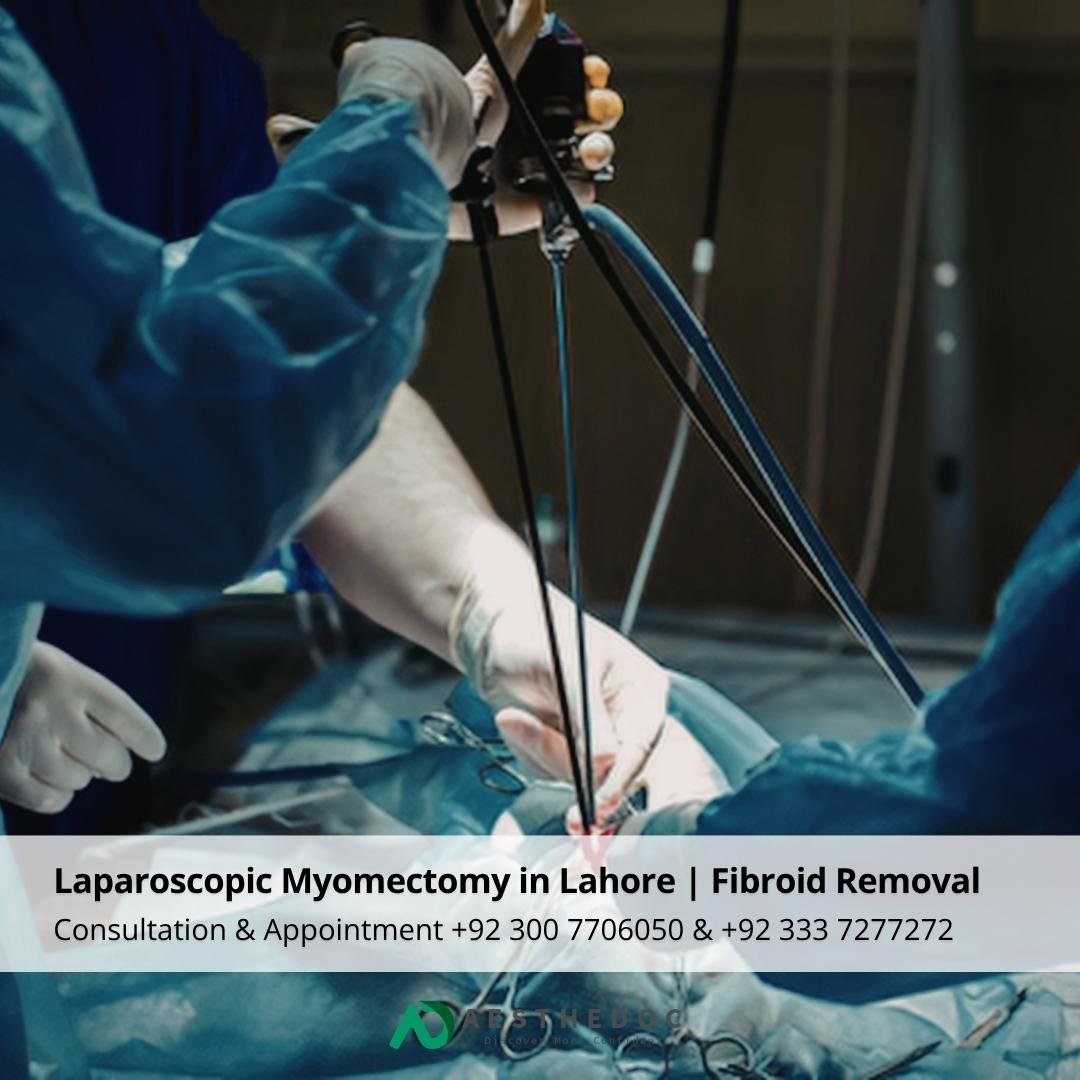
During the procedure, the surgeon makes several small incisions in the abdomen. A laparoscope, which is a thin instrument with a camera and light, is inserted through one incision. Special surgical instruments are introduced through the other openings.
The camera displays magnified images of the uterus and surrounding pelvic structures on a monitor. The surgeon uses these images to locate and remove suitable fibroids.
After removing the fibroids, the surgeon repairs the uterine muscle to restore its structure as carefully as possible.
The main objectives are to:
- Remove fibroids responsible for significant symptoms.
- Preserve the uterus where clinically appropriate.
- Reduce heavy menstrual bleeding and pelvic pressure.
- Improve the shape of the uterine cavity when affected by fibroids.
- Consider reproductive goals when planning surgery.
Laparoscopic myomectomy is not suitable for every patient. Some fibroids are better treated through hysteroscopy or open surgery.
What Are Uterine Fibroids?
Uterine fibroids, medically known as leiomyomas or myomas, are non-cancerous growths that develop from the muscular tissue of the uterus.
They vary in size and number. Some women have a single small fibroid, while others have multiple fibroids that enlarge the uterus or affect its internal cavity.
Fibroids can develop in different locations:
1. Intramural Fibroids
Intramural fibroids grow within the muscular wall of the uterus.
They may cause:
- Heavy menstrual bleeding.
- Pelvic pressure.
- Painful periods.
- Abdominal enlargement.
- Fertility-related concerns in selected cases.
2. Subserosal Fibroids
Subserosal fibroids grow towards the outer surface of the uterus.
Larger fibroids may press against the bladder or bowel and cause frequent urination, constipation or pelvic discomfort.
3. Submucosal Fibroids
Submucosal fibroids grow beneath the uterine lining and may project into the uterine cavity.
They are particularly associated with heavy menstrual bleeding and may affect fertility in some women.
Depending on their size and location, these fibroids may be suitable for hysteroscopic removal rather than laparoscopic myomectomy.
4. Pedunculated Fibroids
Pedunculated fibroids are attached to the uterus by a narrow stalk. They may grow towards the abdominal cavity or project into the uterine cavity.
Their treatment depends on their position, symptoms and surgical assessment.
Why Is Laparoscopic Myomectomy Recommended?
Laparoscopic myomectomy may be considered when fibroids are causing symptoms or affecting the patient’s reproductive health.
Common reasons include:
- Heavy menstrual bleeding.
- Iron-deficiency anaemia associated with blood loss.
- Persistent pelvic pain.
- Pressure on the bladder or bowel.
- Abdominal enlargement.
- Fibroids affecting the uterine cavity.
- Selected fertility-related problems.
- Fibroids that continue to cause symptoms despite medical management.
The decision to operate should not be based on fibroid size alone.
A woman with a small submucosal fibroid may have significant bleeding, while another woman with a larger subserosal fibroid may have few symptoms.
The surgeon considers the complete clinical picture before recommending surgery.
Who Is a Suitable Candidate for Laparoscopic Myomectomy?
Laparoscopic myomectomy may be suitable for women who:
- Have symptomatic uterine fibroids.
- Wish to preserve their uterus.
- Have fibroids that can be safely accessed through laparoscopy.
- Have a suitable number and distribution of fibroids for minimally invasive removal.
- Have fibroids associated with selected fertility concerns.
- Are medically suitable for general anaesthesia and surgery.
The procedure may be less suitable when:
- There are numerous or very large fibroids.
- Fibroids are located in difficult surgical positions.
- The uterus is significantly enlarged.
- There is extensive pelvic scarring from previous surgery.
- The fibroid pattern makes laparoscopic removal technically unsafe.
- Imaging raises concern about malignancy.
In these circumstances, open myomectomy or another treatment may be safer.
A detailed ultrasound assessment, and sometimes MRI, helps determine the most appropriate surgical route.
Investigations Before Laparoscopic Myomectomy
Preoperative assessment is important because the surgeon needs to understand the number, size and location of fibroids and plan how the uterus will be repaired.
1. Medical and Menstrual History
The doctor may ask about:
- Menstrual cycle regularity.
- Heavy menstrual bleeding.
- Duration of periods.
- Pelvic pain and pressure.
- Previous pregnancies.
- Previous miscarriages.
- Fertility plans.
- Previous fibroid treatment.
- Previous abdominal or pelvic surgery.
- Current medicines and medical conditions.
The patient’s future pregnancy plans are particularly important when choosing between different fibroid treatments.
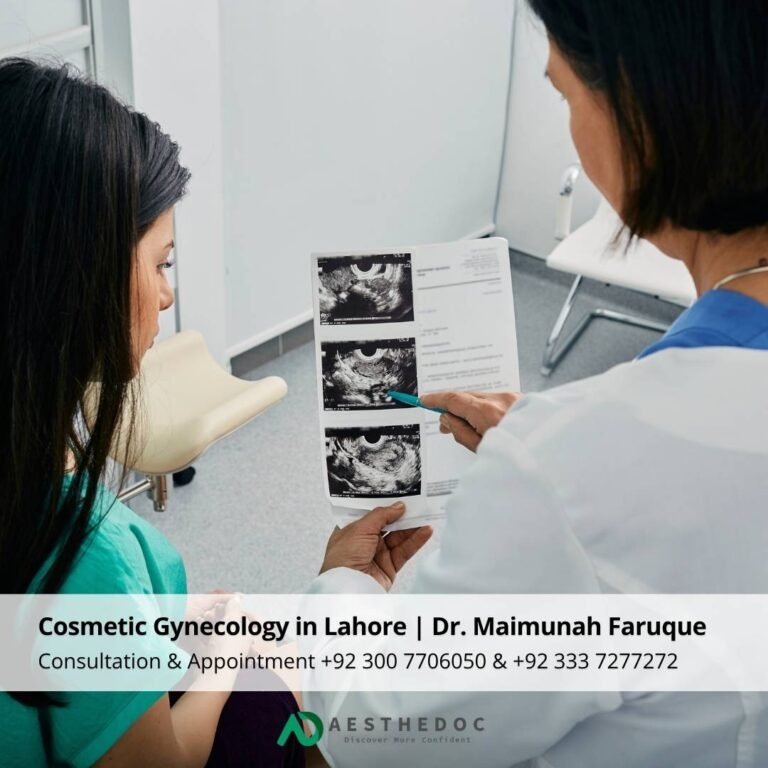
2. Pelvic Ultrasound
Pelvic ultrasound is usually the first major investigation used to assess fibroids.
It helps identify:
- Number of fibroids.
- Size of individual fibroids.
- Location within the uterus.
- Relationship to the uterine cavity.
- Uterine size and shape.
- Other pelvic abnormalities.
The ultrasound findings help determine whether laparoscopic myomectomy is technically appropriate.
3. MRI of the Pelvis
MRI may be recommended when ultrasound does not provide enough detail or when the fibroid pattern is complex.
It can help map fibroids and their relationship to the uterine muscle, cavity and surrounding structures.
MRI is not required for every patient.
4. Complete Blood Count
A complete blood count helps assess haemoglobin and identify anaemia, particularly in women who experience heavy menstrual bleeding.
Iron studies may also be requested if iron deficiency is suspected.
5. Other Preoperative Tests
Depending on the patient’s health and surgical plan, investigations may include:
- Pregnancy testing.
- Blood group and crossmatch.
- Kidney function tests.
- Other blood investigations.
- ECG or additional anaesthesia assessment when indicated.
- Assessment of the uterine lining in women with abnormal bleeding when clinically appropriate.
The exact tests depend on the patient’s age, medical history and planned operation.
How Is Laparoscopic Myomectomy Performed?
The procedure is generally performed under general anaesthesia. The exact technique depends on the number, size and position of fibroids.
Step 1: Preoperative Planning
Before surgery, the surgeon reviews imaging reports and identifies the fibroids that need removal.
The surgical plan should consider:
- Which fibroids are causing symptoms.
- Which fibroids are affecting the uterine cavity.
- Whether the fibroids can be removed laparoscopically.
- How the uterus will be repaired.
- Whether blood loss may be significant.
- How the removed tissue will be extracted.
- Whether an alternative surgical approach may be required.
Patients should discuss the possibility of conversion to open surgery before giving consent.
Step 2: General Anaesthesia
Laparoscopic myomectomy is normally performed under general anaesthesia.
The patient remains asleep during the operation, while the anaesthesia team monitors breathing, circulation and other vital signs.
Step 3: Small Abdominal Incisions
The surgeon creates small openings in the abdominal wall.
One opening is commonly used for the laparoscope, while additional openings allow specialised instruments to enter the abdomen.
Carbon dioxide gas is introduced to create space inside the abdomen and improve visibility.
Step 4: Examination of the Uterus
The laparoscope provides a magnified view of the uterus, fibroids and surrounding pelvic structures.
The surgeon examines the fibroid locations and identifies the safest approach for removal.
Step 5: Incision Over the Fibroid
A carefully planned incision is made over the fibroid in the uterine muscle.
The surgeon works through the tissue to reach the fibroid while trying to minimise unnecessary damage to the surrounding uterine wall.
Step 6: Fibroid Removal
The fibroid is separated from the surrounding muscle and removed using laparoscopic instruments.
The technique varies according to the fibroid’s size, depth and position.
The aim is to remove the fibroid while preserving as much healthy uterine tissue as possible.
Step 7: Repair of the Uterine Muscle
After fibroid removal, the surgeon repairs the uterine wall using surgical sutures.
This is a particularly important part of myomectomy because the uterus needs to heal properly before a future pregnancy.
The depth and extent of the uterine incision may influence pregnancy and delivery planning later.
Step 8: Removal of Fibroid Tissue
The removed tissue is extracted through an appropriate route.
In some laparoscopic procedures, tissue may need to be divided into smaller pieces for removal through small incisions. This is called morcellation.
The method of tissue extraction requires careful consideration. If morcellation is being considered, the surgeon should discuss the risks, including the possibility of spreading an unsuspected malignant tumour or leaving small fragments of benign tissue inside the abdomen.
Where appropriate, contained tissue extraction techniques may be considered.
Step 9: Final Surgical Assessment
The surgeon checks the uterine repair and operative area for bleeding.
The instruments are removed, the gas is released and the small incisions are closed.
The patient is then transferred to the recovery area for monitoring.
Benefits of Laparoscopic Myomectomy
For appropriately selected patients, laparoscopic myomectomy may offer several advantages.
1. Preservation of the Uterus
One of the most important advantages is that the uterus remains in place.
This can be particularly important for women who wish to preserve their reproductive options.
2. Smaller Incisions
Laparoscopic surgery generally uses several small abdominal incisions instead of one larger abdominal incision.
This often results in smaller visible scars.
3. Reduced Postoperative Discomfort
Many patients experience less wound-related discomfort after minimally invasive surgery compared with open abdominal surgery, although individual experiences vary.
4. Shorter Hospital Stay
Some patients can return home on the same day or after a short hospital stay, depending on the operation and local hospital arrangements.
5. Recovery and Return to Activities
Recovery is often quicker than after open myomectomy in appropriately selected patients.
However, recovery still depends on the number and size of fibroids, surgical complexity and the patient’s general health.
6. Potential Improvement in Symptoms
Removing symptomatic fibroids may help reduce:
- Heavy menstrual bleeding.
- Pelvic pressure.
- Abdominal discomfort.
- Bladder pressure.
- Certain fertility-related problems associated with fibroids.
The degree of improvement varies from patient to patient.
Laparoscopic Myomectomy vs Open Myomectomy
Both laparoscopic and open myomectomy are used to remove uterine fibroids while preserving the uterus.
| Feature | Laparoscopic myomectomy | Open myomectomy |
|---|---|---|
| Surgical access | Small abdominal incisions | Larger abdominal incision |
| Camera | Uses a laparoscope | Direct surgical view |
| Scarring | Usually smaller scars | Usually a larger scar |
| Postoperative discomfort | Often less wound discomfort | May involve more wound discomfort |
| Hospital stay | Often shorter in suitable cases | May be longer |
| Recovery | Often quicker | Usually longer |
| Suitable cases | Selected fibroid patterns | Complex, numerous or very large fibroids |
The best approach depends on the patient’s anatomy and the surgeon’s assessment. Laparoscopy is not automatically better for every fibroid.
Laparoscopic Myomectomy vs Hysteroscopic Myomectomy
These are two different procedures used for different types of fibroids.
Laparoscopic myomectomy is performed through small abdominal incisions and is generally used for fibroids within the uterine wall or on its outer surface when suitable for this approach.
Hysteroscopic myomectomy is performed through the vagina and cervix using a camera inserted into the uterine cavity. It is used for selected fibroids that project into the cavity.
A patient with a submucosal fibroid may be a candidate for hysteroscopic treatment rather than laparoscopic surgery.
The choice depends on fibroid type, size, depth and position.
Can Laparoscopic Myomectomy Improve Fertility?
Some uterine fibroids may affect fertility, particularly those that distort the uterine cavity.
Removing certain fibroids may improve the chances of conception in selected patients.
However, not every fibroid affects fertility, and removing every visible fibroid does not necessarily improve reproductive outcomes.
The potential benefit of surgery depends on:
- The location of the fibroid.
- Whether it distorts the uterine cavity.
- Its size and number.
- The patient’s age.
- Ovarian function.
- Fallopian tube health.
- Previous pregnancy history.
- Other possible causes of infertility.
Women experiencing difficulty conceiving should have an appropriate fertility assessment. Both partners may need evaluation.
Which Fibroids Are More Likely to Affect Fertility?
Fibroids that distort the uterine cavity, particularly submucosal fibroids, are more likely to interfere with implantation and reproductive outcomes.
The effect of intramural fibroids depends on their relationship to the uterine cavity and other clinical factors.
Subserosal fibroids that grow on the outside of the uterus are generally less likely to affect fertility unless they cause other anatomical problems.
The decision to remove a fibroid for fertility reasons should be individualised.
Pregnancy After Laparoscopic Myomectomy
Pregnancy may be possible after laparoscopic myomectomy because the uterus is preserved.
Some women may experience improved reproductive outcomes when fibroids that distort the uterine cavity are removed. However, surgery does not guarantee pregnancy.
The patient’s fertility also depends on age, ovarian reserve, ovulation, fallopian tube function, sperm health and other reproductive factors.
How Long Should You Wait Before Trying to Conceive?
The uterus needs time to heal after myomectomy.
There is no single universally established waiting period that applies to every patient. The recommended interval depends on:
- Depth of the uterine incision.
- Number of fibroids removed.
- Size and location of fibroids.
- Extent of uterine muscle repair.
- Surgical complications, if any.
- The surgeon’s assessment of healing.
Some patients may be advised to wait several months before attempting pregnancy. A recommendation of approximately three to six months is commonly discussed, but it should not be applied automatically to every case.
Patients should obtain individual clearance from their surgeon before trying to conceive.
Will I Need a Caesarean After Myomectomy?
Not every woman needs a Caesarean birth after myomectomy.
The delivery plan depends on the details of the operation, including:
- Whether the uterine cavity was entered.
- Depth and location of the uterine incisions.
- Number of fibroids removed.
- Extent of uterine muscle repair.
- The surgeon’s assessment of the uterine scar.
Some women may be advised to have a planned Caesarean delivery because of concerns about the strength of the uterine scar during labour.
Others may be considered for labour after an individual obstetric assessment.
The operative report should be kept and shared with the obstetrician during any future pregnancy.
Can the Uterus Rupture During Pregnancy After Myomectomy?
Uterine rupture is a rare but serious complication that may occur when a previous uterine surgical scar becomes disrupted during pregnancy or labour.
The risk depends on the extent and location of the uterine repair and other clinical factors.
This is why the surgeon should document the operation carefully and explain any precautions for future pregnancy and delivery.
Can Fibroids Grow Again After Laparoscopic Myomectomy?
Yes. Myomectomy removes existing fibroids but does not eliminate the possibility of developing new fibroids.
Some fibroids may be too small to identify during surgery. Others may develop or enlarge later.
The chance of further fibroid treatment depends on factors such as:
- Number of fibroids.
- Age at the time of surgery.
- Family history.
- Underlying fibroid biology.
- Whether multiple fibroids were present.
- Duration of follow-up.
Women who develop recurrent heavy bleeding, pelvic pressure or other symptoms should seek reassessment.
Risks and Possible Complications of Laparoscopic Myomectomy
Laparoscopic myomectomy is a specialised surgical procedure. Although minimally invasive techniques can reduce some aspects of surgical recovery, complications remain possible.
Patients should understand the potential risks before giving consent.
1. Bleeding
Fibroids contain blood vessels, and their removal can cause significant bleeding.
In selected cases, blood transfusion or additional surgical treatment may be required.
2. Infection
Infection may develop in the surgical wounds, pelvis or other areas after the procedure.
3. Injury to Nearby Organs
The bowel, bladder, ureters or blood vessels may be injured during surgery.
Such complications are uncommon but may require additional treatment or repair.
4. Adhesions
Adhesions are bands of scar tissue that may develop inside the abdomen or pelvis after surgery.
They can sometimes cause pelvic discomfort or affect fertility.
5. Conversion to Open Surgery
The surgeon may need to change from laparoscopic to open surgery if the procedure becomes unsafe or technically unsuitable.
Possible reasons include severe bleeding, difficult anatomy or unexpected findings.
6. Uterine Scarring
The uterine muscle needs to heal after fibroid removal.
Scar formation may affect the uterus and can influence future pregnancy and delivery planning.
7. Emergency Hysterectomy
In rare life-threatening circumstances, such as uncontrolled bleeding, removal of the uterus may become necessary to protect the patient’s life.
This possibility should be discussed during informed consent, particularly for complex procedures involving multiple or large fibroids.
8. Anaesthesia-Related Risks
General anaesthesia has potential risks, which depend on the patient’s medical history and overall health.
9. Unexpected Histopathology
Most fibroids are benign, but occasionally a uterine mass may have an unexpected diagnosis.
The removed tissue should be examined by a pathologist. Preoperative assessment cannot eliminate every possibility of an unexpected diagnosis.
10. Risks Associated With Morcellation
When fibroid tissue is divided into smaller pieces for removal, there is a risk of spreading tissue fragments within the abdomen.
There is also a concern that morcellation could spread an unsuspected malignant tumour.
The method of tissue extraction should be discussed before surgery, taking age, imaging, clinical risk factors and available extraction techniques into account.
Recovery After Laparoscopic Myomectomy
Recovery varies according to the extent of surgery, number of fibroids removed and the patient’s general health.
Patients should follow their surgeon’s instructions rather than relying on a fixed recovery timetable.
First 24–48 Hours
After surgery, patients may experience:
- Mild to moderate abdominal pain.
- Bloating.
- Tiredness.
- Shoulder-tip discomfort due to gas used during laparoscopy.
- Tenderness around the small incisions.
- Temporary nausea after anaesthesia.
Pain relief and other medicines should be taken as prescribed.
First Week
During the first week, patients are generally advised to:
- Walk gently as tolerated.
- Avoid strenuous activity.
- Avoid heavy lifting.
- Keep incision sites clean according to instructions.
- Drink enough fluids.
- Follow medication advice.
- Attend scheduled follow-up appointments.
Light daily activities can be resumed gradually if the patient feels comfortable.
Second to Fourth Week
Many patients gradually increase their activities during this period, depending on their recovery and the extent of surgery.
The surgeon will advise when it is safe to return to work, exercise, driving and other normal activities.
Full Recovery
Some patients recover relatively quickly, while others need several weeks.
The healing of the uterine muscle is particularly important. Feeling physically well does not necessarily mean that the uterus is ready for pregnancy or strenuous activity.
The surgeon should provide specific advice about when to resume sexual activity and when pregnancy can be attempted.
Warning Signs After Surgery
Seek medical attention if you experience:
- Fever or chills.
- Increasing abdominal pain.
- Heavy vaginal bleeding.
- Persistent vomiting.
- Redness, swelling or discharge from the wounds.
- Difficulty passing urine.
- Increasing abdominal swelling.
- Shortness of breath.
- Chest pain.
- Pain or swelling in one leg.
Severe or rapidly worsening symptoms require urgent assessment.
Cost of Laparoscopic Myomectomy in Lahore
The cost of laparoscopic myomectomy in Lahore varies according to the complexity of the operation and the patient’s medical needs.
Factors affecting the total cost include:
- Number of fibroids.
- Size and location of fibroids.
- Complexity of the uterine repair.
- Preoperative investigations.
- Surgeon’s professional fees.
- Anaesthesia fees.
- Hospital and operating theatre charges.
- Duration of hospital stay.
- Tissue extraction method.
- Histopathology.
- Postoperative medicines and follow-up.
Patients should request a detailed estimate after the surgeon reviews their ultrasound or MRI reports.
It is useful to confirm whether the quoted cost includes the surgeon’s fee, anaesthesia, hospital stay, investigations, histopathology and follow-up.
An accurate estimate cannot be given from the diagnosis alone because two patients with fibroids may require very different procedures.
How to Prepare for Laparoscopic Myomectomy
Preparation helps patients understand the procedure and reduce avoidable complications.
Before surgery:
- Share all previous ultrasound and MRI reports.
- Inform the surgeon about previous abdominal or pelvic operations.
- Discuss any history of anaemia or heavy bleeding.
- Provide a complete list of medicines and supplements.
- Discuss fertility plans and future pregnancy expectations.
- Ask whether blood preparation is required.
- Follow instructions about fasting before anaesthesia.
- Discuss the possibility of open surgery if required.
- Understand the risks of bleeding, transfusion and emergency hysterectomy.
- Arrange support for transport and recovery at home.
Patients should not stop prescribed medicines without medical advice.
Laparoscopic Myomectomy for Large Fibroids
A common question is whether large fibroids can be removed laparoscopically.
Some large fibroids can be removed using laparoscopic techniques, but suitability depends on more than size.
The surgeon considers:
- Exact fibroid location.
- Number of fibroids.
- Depth within the uterine wall.
- Uterine size.
- Available working space.
- Expected blood loss.
- Ability to repair the uterine muscle safely.
- Safe removal of the specimen.
For some patients, open myomectomy is the safer option.
The goal should be safe and effective treatment, not choosing laparoscopy simply because it involves smaller incisions.
Can Multiple Fibroids Be Removed in One Operation?
In selected patients, multiple fibroids can be removed during one myomectomy.
However, the decision depends on the number, size and location of the fibroids and the amount of uterine tissue involved.
Removing many fibroids can increase:
- Operating time.
- Blood loss.
- Complexity of uterine repair.
- Risk of adhesions.
- Potential impact on future pregnancy.
The surgeon may recommend removing only the fibroids responsible for symptoms or those that are clinically important.
It is not always necessary or beneficial to remove every small fibroid.
Choosing a Surgeon for Laparoscopic Myomectomy in Lahore
Laparoscopic myomectomy requires surgical planning and the ability to repair the uterine muscle appropriately.
Patients should consider the following when choosing a surgeon:
- Relevant gynaecological qualifications.
- Training in endoscopic and laparoscopic surgery.
- Experience appropriate to the complexity of the proposed procedure.
- Clear explanation of alternative treatment options.
- Discussion of fertility and future pregnancy.
- Explanation of the risks of bleeding and possible conversion to open surgery.
- Appropriate hospital and anaesthesia arrangements.
- Clear postoperative care and follow-up.
Patients should ask how the proposed procedure may affect their future pregnancy and whether they will receive an operative report describing the uterine incisions and repairs.
Laparoscopic Myomectomy Consultation at Aesthedoc
Women in Lahore who have been diagnosed with uterine fibroids or are considering uterus-preserving fibroid surgery can enquire about gynaecological consultation and appointment arrangements through Aesthedoc.
Dr. Maimunah Faruque is a Gyne Endoscopy and Laparoscopic Surgeon and Cosmetic Gynecologist.
Her listed qualifications include:
- MBBS
- FCPS
- F.MAS
A consultation can help patients understand their fibroid diagnosis, review ultrasound or MRI findings and discuss available treatment options.
For women who wish to preserve their uterus or plan pregnancy, treatment discussions should include the potential benefits and limitations of myomectomy, the possibility of recurrence and the implications of uterine surgery for future pregnancy.
Laparoscopic surgery is not suitable for every fibroid. The decision should be based on clinical assessment, surgical safety and the patient’s individual reproductive goals.
Patients from Lahore can contact Aesthedoc to enquire about consultation availability and treatment planning with Dr. Maimunah Faruque.
Book a Consultation with Aesthedoc
Doctor: Dr. Maimunah Faruque
Speciality: Gyne Endoscopy and Laparoscopic Surgeon | Cosmetic Gynecologist
Qualifications: MBBS, FCPS, F.MAS
Phone: 03337277272
Phone: 03007706050
Email: info@aesthedoc.com
Frequently Asked Questions About Laparoscopic Myomectomy in Lahore
1. What is laparoscopic myomectomy?
Laparoscopic myomectomy is a minimally invasive operation to remove uterine fibroids through small abdominal incisions while preserving the uterus.
2. Is laparoscopic myomectomy suitable for all fibroids?
No. The procedure is suitable for selected fibroid patterns. The number, size, depth and location of fibroids determine whether laparoscopic, open or hysteroscopic surgery is more appropriate.
3. Can large fibroids be removed laparoscopically?
Some large fibroids can be removed laparoscopically, but not all. The surgeon must assess whether the fibroids can be removed safely and whether the uterus can be repaired properly.
4. Does laparoscopic myomectomy preserve fertility?
The procedure preserves the uterus, which may allow future pregnancy. However, fertility is not guaranteed, and surgery can sometimes cause adhesions or uterine scarring. Individual fertility factors must also be considered.
5. How long does it take to recover after laparoscopic myomectomy?
Recovery varies according to the complexity of surgery and the patient’s health. Many patients resume light activities gradually over the first few weeks, but full recovery and uterine healing may take longer.
6. How long should I wait before pregnancy after myomectomy?
There is no single waiting period suitable for every patient. Some women are advised to wait several months, often around three to six months, depending on the depth of the uterine incision and extent of repair. The surgeon must provide individual clearance.
7. Will I need a Caesarean after laparoscopic myomectomy?
Not every patient needs a Caesarean. The decision depends on the number and depth of uterine incisions, whether the uterine cavity was entered and the surgeon’s assessment of the uterine scar.
8. Can fibroids return after myomectomy?
Yes. New fibroids may develop or previously small fibroids may grow later. Myomectomy removes existing fibroids but does not eliminate the underlying tendency to develop them.
9. Is laparoscopic myomectomy better than open surgery?
Laparoscopy may offer smaller incisions and a quicker recovery for suitable patients. Open surgery may be safer for certain large, numerous or complex fibroids. The appropriate method depends on individual assessment.
10. Can multiple fibroids be removed during one operation?
Yes, in selected cases. However, the number and location of fibroids influence surgical complexity, bleeding risk and the amount of uterine repair required.
11. Is laparoscopic myomectomy painful?
The procedure is performed under general anaesthesia, so the patient does not feel the operation. Some abdominal discomfort, bloating and incision tenderness can occur afterwards. Pain relief is provided according to clinical needs.
12. Does laparoscopic myomectomy remove the uterus?
No. Myomectomy removes fibroids while preserving the uterus. Hysterectomy is a separate procedure in which the uterus is removed.
13. What is the cost of laparoscopic myomectomy in Lahore?
The cost depends on the number and size of fibroids, surgical complexity, hospital, anaesthesia, investigations and postoperative care. An individual estimate requires review of the patient’s reports and clinical assessment.
14. Can I have a normal delivery after myomectomy?
Some women may be considered for vaginal delivery, while others need a planned Caesarean. The decision depends on the details of the uterine surgery and obstetric assessment during pregnancy.
Final Thoughts
Laparoscopic myomectomy is an important uterus-preserving treatment option for selected women with symptomatic uterine fibroids. It can help remove fibroids while avoiding removal of the uterus, which may be particularly important for women who wish to retain the possibility of pregnancy.
However, the procedure requires careful patient selection, detailed preoperative assessment and appropriate repair of the uterine muscle. Not every fibroid is suitable for laparoscopic removal, and the risks and benefits must be discussed before surgery.
Women in Lahore who are considering fibroid surgery should seek an individualised gynaecological assessment, particularly if they wish to conceive in the future.
Aesthedoc provides consultation enquiries for women seeking gynaecological assessment and information about laparoscopic treatment options with Dr. Maimunah Faruque.