Hysterectomy is a gynaecological surgical procedure in which the uterus, also known as the womb, is removed. It may be recommended for women experiencing certain medical conditions, including uterine fibroids, severe menstrual bleeding, adenomyosis, endometriosis, uterine prolapse and selected gynaecological diseases.
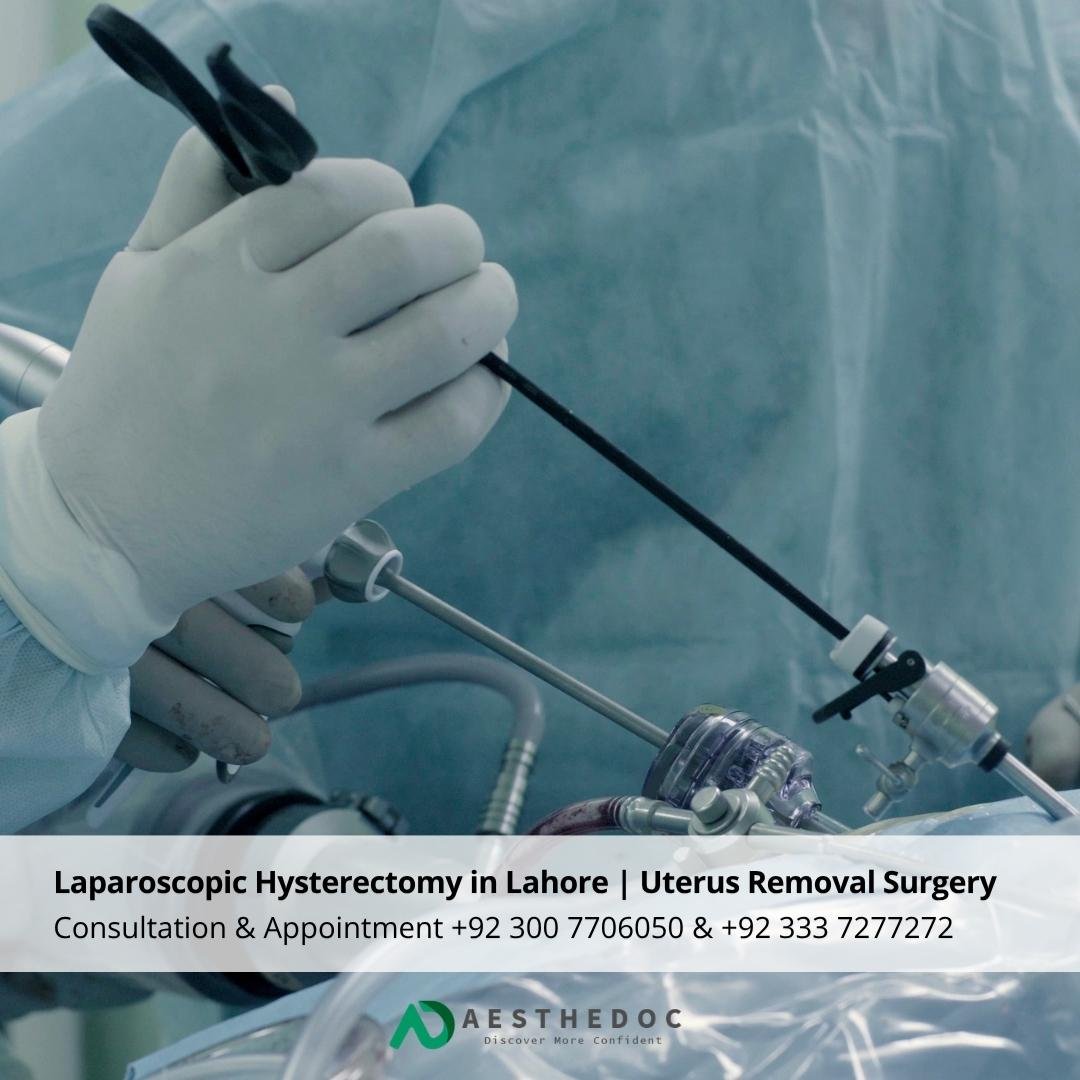
When appropriate, laparoscopic hysterectomy offers a minimally invasive way to remove the uterus through small abdominal incisions rather than a larger abdominal cut. It is commonly known as keyhole hysterectomy.
Women searching for laparoscopic hysterectomy in Lahore often have questions about the procedure, recovery, removal of the ovaries, hormonal changes and long-term health. One of the most important considerations is that hysterectomy permanently ends the ability to carry a pregnancy. Therefore, the decision requires careful medical assessment and informed consent.
Not every woman with fibroids, heavy periods or pelvic pain needs a hysterectomy. Depending on the diagnosis, medical treatment or uterus-preserving procedures may be appropriate alternatives.
This comprehensive guide explains laparoscopic hysterectomy, its indications, different types, surgical procedure, benefits, risks, recovery and frequently asked questions. It also explains how women in Lahore can enquire about gynaecological consultation and treatment planning through Aesthedoc with Dr. Maimunah Faruque, Gyne Endoscopy and Laparoscopic Surgeon and Cosmetic Gynecologist.
What Is a Hysterectomy?
A hysterectomy is an operation to remove the uterus.
The uterus is a muscular reproductive organ located in the pelvis. It is responsible for supporting the development of a pregnancy. Its inner lining, called the endometrium, is shed during menstruation when pregnancy does not occur.
After the uterus is removed:
- Menstrual periods stop permanently.
- A woman can no longer carry a pregnancy.
- Uterine fibroids cannot develop in an absent uterus.
- Conditions affecting the uterus may be treated definitively, depending on the diagnosis.
A hysterectomy does not automatically mean that the ovaries are removed. The ovaries and fallopian tubes may be preserved or removed depending on the patient’s condition and the surgical plan.
The exact operation should be discussed before surgery so the patient understands which organs will be removed and why.
What Is Laparoscopic Hysterectomy?
Laparoscopic hysterectomy is a minimally invasive surgical procedure in which the uterus is removed using a camera and specialised instruments inserted through small abdominal incisions.
It is also called:
- Keyhole hysterectomy.
- Minimally invasive hysterectomy.
- Laparoscopic uterus removal surgery.
- Laparoscopic uterine surgery.
During the procedure, the surgeon uses a laparoscope to view the pelvic organs on a monitor. Special instruments are introduced through additional small incisions to separate the uterus from its supporting structures.
Depending on the type of hysterectomy, the uterus may be removed through the vagina or through a suitable abdominal extraction method.
Compared with abdominal hysterectomy, laparoscopic surgery may offer smaller incisions, less postoperative pain and a shorter hospital stay in appropriately selected patients.
However, laparoscopic hysterectomy is not suitable for every woman. The best surgical approach depends on the size of the uterus, underlying disease, previous operations, pelvic anatomy and the surgeon’s assessment.
Why Is Hysterectomy Recommended?
Hysterectomy may be recommended when a woman has a uterine condition that causes significant symptoms, has not responded to other treatments or requires definitive surgical management.
Common reasons include:
- Uterine fibroids causing severe symptoms.
- Persistent heavy menstrual bleeding.
- Adenomyosis causing significant pain or bleeding.
- Selected cases of endometriosis.
- Uterine prolapse.
- Certain precancerous conditions.
- Cancer of the uterus or cervix in appropriate cases.
- Other serious uterine conditions requiring removal.
The decision should be based on the diagnosis, available alternatives, the patient’s reproductive plans and her informed preferences.
Common Conditions That May Require Hysterectomy
1. Uterine Fibroids
Uterine fibroids are non-cancerous growths that develop in the muscular wall of the uterus.
Some women have small fibroids without symptoms, while others experience:
- Heavy menstrual bleeding.
- Prolonged periods.
- Pelvic pressure.
- Lower abdominal discomfort.
- Frequent urination.
- Constipation.
- Anaemia.
- Fertility-related concerns.
Hysterectomy may be considered when fibroids cause significant symptoms and the patient does not wish to preserve the uterus or carry a future pregnancy.
For women who wish to retain their uterus, myomectomy may be an alternative. This procedure removes fibroids while preserving the uterus.
2. Heavy Menstrual Bleeding
Heavy menstrual bleeding can affect daily activities, cause iron deficiency and lead to anaemia.
Possible causes include fibroids, adenomyosis, endometrial polyps, hormonal disorders and other uterine conditions.
Treatment may include medication, hormonal management, hysteroscopic procedures or other interventions.
Hysterectomy may be considered when bleeding remains severe despite appropriate treatment and the patient has made an informed decision not to pursue future pregnancy.
3. Adenomyosis
Adenomyosis is a condition in which tissue similar to the uterine lining grows within the muscular wall of the uterus.
It may cause:
- Heavy menstrual bleeding.
- Severe menstrual cramps.
- Chronic pelvic pain.
- Pain during intercourse.
- An enlarged or tender uterus.
Treatment depends on symptom severity, age and fertility plans.
Medication and hormonal treatment may help some women. Hysterectomy may be considered as a definitive option for women with severe symptoms who do not wish to become pregnant.
4. Endometriosis
Endometriosis occurs when tissue similar to the lining of the uterus develops outside the uterus, commonly around the ovaries, fallopian tubes and pelvic structures.
Symptoms may include:
- Severe menstrual pain.
- Chronic pelvic pain.
- Pain during intercourse.
- Pain during bowel movements or urination.
- Difficulty conceiving.
Hysterectomy may be considered in selected women with severe symptoms who have completed their family and have not benefited from other treatments.
However, hysterectomy does not necessarily cure endometriosis because endometriosis can remain outside the uterus. Treatment may also require removal or management of visible endometriosis lesions.
5. Uterine Prolapse
Uterine prolapse occurs when the uterus descends into the vaginal canal because of weakness in the pelvic floor support structures.
Possible symptoms include:
- A sensation of something coming down through the vagina.
- Pelvic heaviness.
- A vaginal bulge.
- Difficulty emptying the bladder.
- Urinary leakage.
- Difficulty passing stool.
- Discomfort during physical activity.
Treatment options may include pelvic floor exercises, a vaginal pessary and surgical repair.
Hysterectomy may be part of the treatment in selected women, but it is not always necessary. Uterus-preserving prolapse surgery may also be an option for appropriate patients.
6. Certain Precancerous or Cancerous Conditions
Hysterectomy may be required for certain conditions involving the endometrium, cervix or other reproductive organs.
The surgical plan depends on the specific diagnosis and disease stage.
When cancer is suspected or confirmed, assessment and treatment should involve an appropriately qualified gynaecological oncology team. The operation may be more extensive than a routine benign hysterectomy.
Types of Hysterectomy
The term hysterectomy describes different operations. The type depends on which reproductive organs need to be removed.
1. Total Hysterectomy
A total hysterectomy involves removal of:
- The uterus.
- The cervix.
The ovaries and fallopian tubes may remain in place or be removed separately if indicated.
After total hysterectomy, menstrual periods stop permanently and pregnancy is no longer possible.
2. Subtotal or Supracervical Hysterectomy
In a subtotal hysterectomy, the main body of the uterus is removed while the cervix is preserved.
Possible considerations include:
- The cervix remains in place.
- Menstrual bleeding may occasionally continue as light spotting.
- Cervical screening may still be required.
- The patient cannot carry a pregnancy.
The choice between total and subtotal hysterectomy depends on the clinical situation and the patient’s preferences.
3. Hysterectomy With Removal of Fallopian Tubes
A hysterectomy may be performed together with removal of one or both fallopian tubes.
This is called salpingectomy.
In some patients, removing the fallopian tubes while preserving the ovaries may be considered as part of risk-reduction planning. The suitability of this approach depends on individual circumstances.
4. Hysterectomy With Removal of Ovaries
When one or both ovaries are removed, the procedure includes oophorectomy.
Removal of both ovaries before natural menopause causes an abrupt reduction in ovarian hormone production and results in surgical menopause.
This may lead to:
- Hot flashes.
- Night sweats.
- Vaginal dryness.
- Sleep disturbances.
- Changes in sexual comfort.
- Mood changes.
- Reduced bone density over time.
Hormone replacement therapy may be considered for suitable patients, depending on their medical history and the reason for surgery.
Ovary removal is not automatically required during hysterectomy. The decision should be discussed separately with the patient.
What Is the Difference Between Laparoscopic and Open Hysterectomy?
Hysterectomy can be performed through different surgical approaches.
| Feature | Laparoscopic hysterectomy | Open abdominal hysterectomy |
|---|---|---|
| Surgical access | Small abdominal incisions | Larger abdominal incision |
| Camera | Uses a laparoscope | Direct surgical view |
| Scarring | Usually smaller scars | Usually a larger scar |
| Postoperative discomfort | Often less wound discomfort | May involve more wound discomfort |
| Hospital stay | Often shorter in suitable cases | May be longer |
| Recovery | Often quicker | Usually longer |
| Suitable cases | Selected patients based on anatomy and diagnosis | May be preferred for selected complex cases |
Vaginal hysterectomy is another surgical approach in which the uterus is removed through the vagina without abdominal incisions.
The choice depends on the patient’s condition, surgical history, uterine size, pelvic anatomy and the surgeon’s assessment.
Who Is Suitable for Laparoscopic Hysterectomy?
Laparoscopic hysterectomy may be suitable for women who:
- Have a condition requiring removal of the uterus.
- Have persistent symptoms despite appropriate treatment.
- Do not wish to carry a future pregnancy.
- Are medically fit for surgery.
- Have pelvic anatomy suitable for a laparoscopic approach.
- Have a uterine condition that can be safely treated through minimally invasive surgery.
Some patients may need a different surgical approach because of:
- Very large uterine size.
- Extensive pelvic adhesions.
- Complex endometriosis.
- Previous major abdominal or pelvic surgery.
- Significant medical conditions.
- Suspicion of malignancy.
- Other anatomical or surgical concerns.
The decision should always be made after an individual examination and review of investigations.
Investigations Before Laparoscopic Hysterectomy
Preoperative assessment helps confirm the diagnosis, evaluate surgical fitness and plan the operation.
1. Medical History
The doctor may ask about:
- Menstrual history.
- Previous pregnancies and deliveries.
- Heavy bleeding.
- Pelvic pain.
- Previous gynaecological surgery.
- Previous abdominal operations.
- Urinary or bowel symptoms.
- Family history of relevant cancers.
- Current medicines.
- Allergies.
- Existing medical conditions.
- Future pregnancy plans.
2. Pelvic Examination
A pelvic examination may help assess the uterus, cervix, pelvic support and other abnormalities.
The examination is performed according to clinical need and patient consent.
3. Pelvic Ultrasound
Ultrasound may be used to evaluate:
- Uterine size.
- Fibroids.
- Endometrial thickness and appearance.
- Ovarian cysts.
- Other pelvic abnormalities.
4. Blood Tests
Depending on the patient’s condition, investigations may include:
- Complete blood count.
- Iron studies if anaemia is suspected.
- Blood group and crossmatch when appropriate.
- Kidney and liver function tests when indicated.
- Other preoperative investigations.
5. Cervical Screening and Endometrial Assessment
Cervical screening and assessment of the uterine lining may be needed depending on the patient’s age, symptoms and medical history.
Persistent abnormal bleeding may require hysteroscopy or endometrial sampling before surgery.
6. Anaesthesia Assessment
An anaesthetist reviews the patient’s health, medicines and suitability for anaesthesia.
The patient will receive instructions about fasting, medicines and preparation before the operation.
How Is Laparoscopic Hysterectomy Performed?
Laparoscopic hysterectomy is generally performed under general anaesthesia.
The exact technique varies according to the type of hysterectomy and the patient’s diagnosis.
Step 1: Preparation and Anaesthesia
The patient is admitted according to the hospital’s surgical arrangements.
The anaesthesia team administers anaesthesia and monitors vital signs throughout the operation.
Step 2: Small Abdominal Incisions
The surgeon makes several small incisions in the abdomen.
A laparoscope is inserted through one incision, while additional instruments are introduced through the others.
Carbon dioxide gas is used to create working space inside the abdomen.
Step 3: Examination of Pelvic Organs
The camera provides a magnified view of the uterus, ovaries, fallopian tubes and surrounding structures.
The surgeon assesses the anatomy and identifies any adhesions or abnormalities that may affect the operation.
Step 4: Separation of Uterine Attachments
The surgeon carefully separates the uterus from its supporting tissues and blood supply.
The urinary bladder, ureters and surrounding organs must be protected during the procedure.
Step 5: Removal of the Uterus
The uterus is separated according to the planned operation.
In a total hysterectomy, the cervix is also removed.
The ovaries and fallopian tubes are preserved or removed according to the agreed surgical plan.
Step 6: Specimen Removal
The uterus is removed through the vagina or another suitable extraction route.
The method depends on uterine size, anatomy and the possibility of unexpected disease.
If the uterus is too large to remove intact through the planned route, the surgeon must consider safe extraction alternatives.
When there is concern about malignancy, tissue fragmentation or morcellation requires particular caution because it may spread unsuspected cancerous tissue.
Step 7: Closure and Final Assessment
The surgeon checks the operative area for bleeding and ensures that the necessary repairs are complete.
The vaginal cuff is closed when the cervix has been removed.
The instruments are removed, gas is released and the small abdominal incisions are closed.
The patient is then transferred to the recovery area for monitoring.
What Happens to the Ovaries During Hysterectomy?
This is one of the most important questions women should ask before surgery.
The ovaries produce hormones, including oestrogen and progesterone, and release eggs during the reproductive years.
During hysterectomy, the ovaries may be preserved or removed depending on the patient’s diagnosis and individual risk factors.
If the Ovaries Are Preserved
If both ovaries remain healthy and are preserved:
- They may continue producing hormones.
- Natural menopause may occur at the usual age.
- The patient will no longer have menstrual periods because the uterus has been removed.
- Pregnancy cannot be carried.
- Ovarian function may continue after hysterectomy, although menopause may sometimes occur earlier than expected.
If Both Ovaries Are Removed
If both ovaries are removed before natural menopause, the patient experiences surgical menopause.
Possible symptoms include:
- Hot flashes.
- Night sweats.
- Vaginal dryness.
- Sleep disturbances.
- Changes in mood.
- Reduced sexual comfort.
- Bone-density changes.
Hormone replacement therapy may be considered for suitable patients. Its suitability depends on age, medical history and the reason for surgery.
Does Hysterectomy Automatically Require Ovary Removal?
No.
Hysterectomy and oophorectomy are separate surgical decisions.
For many women having surgery for benign conditions, ovarian preservation may be appropriate. However, removal may be recommended for certain ovarian diseases, genetic cancer risks or other specific medical indications.
The patient should understand exactly what is planned before giving consent.
Benefits of Laparoscopic Hysterectomy
For women who are suitable candidates, laparoscopic hysterectomy may offer several benefits compared with open abdominal surgery.
1. Smaller Incisions
The operation uses small abdominal incisions rather than a large abdominal cut.
2. Less Wound Discomfort
Many patients experience less postoperative wound discomfort compared with abdominal hysterectomy.
3. Shorter Hospital Stay
Some patients may return home within 24 hours, while others require a longer stay depending on their condition and surgical recovery.
4. Quicker Return to Everyday Activities
Patients may be able to resume normal activities sooner than after open abdominal surgery, depending on the operation and recovery.
5. Treatment of Uterine Disease
Hysterectomy removes the uterus and can provide definitive treatment for conditions originating in that organ.
6. No Further Menstrual Periods
After removal of the uterus, menstrual periods stop permanently.
This can be an important benefit for women with severe uterine bleeding who have completed their family and have chosen definitive treatment.
Laparoscopic surgery still has risks, and it may not be the safest approach for every patient.
Risks and Possible Complications of Laparoscopic Hysterectomy
Hysterectomy is a major surgical procedure. Although laparoscopic techniques may reduce some risks associated with open surgery, complications can still occur.
Potential risks include:
1. Bleeding
Bleeding may occur during or after surgery. In some cases, blood transfusion or additional treatment may be required.
2. Infection
Infection may develop in the abdominal wounds, pelvis, urinary tract or vaginal cuff.
3. Injury to the Bladder
The bladder is located close to the uterus and may be injured during surgery.
4. Injury to the Ureters
The ureters carry urine from the kidneys to the bladder. They pass close to the uterus and are at risk of injury during pelvic surgery.
5. Bowel Injury
The bowel may be injured, particularly in patients with adhesions or complex pelvic disease.
6. Blood Clots
Surgery can increase the risk of deep vein thrombosis and pulmonary embolism.
Early movement and appropriate preventive measures may reduce this risk.
7. Anaesthesia-Related Complications
General anaesthesia has risks that depend on the patient’s health and medical history.
8. Conversion to Open Surgery
The surgeon may need to change to an open abdominal operation if laparoscopy becomes unsafe or technically unsuitable.
9. Vaginal Cuff Complications
When the cervix is removed, the top of the vagina is closed. Rarely, problems such as infection, bleeding or separation of this closure can occur.
10. Early Menopause
Some women experience menopause earlier than expected after hysterectomy, even when the ovaries are preserved. Removing both ovaries causes immediate surgical menopause in women who have not already reached menopause.
11. Psychological and Emotional Effects
Hysterectomy can be emotionally significant. Some women feel relief after treatment, while others experience sadness, anxiety or concerns about fertility and body changes.
Patients should have the opportunity to discuss these concerns before and after surgery.
Recovery After Laparoscopic Hysterectomy
Recovery varies according to the patient’s health, the reason for surgery, the exact type of hysterectomy and whether complications occur.
Many women stay in hospital for approximately one day, although some may need one to three days or longer depending on their circumstances.
First 24–48 Hours
After surgery, patients may experience:
- Abdominal discomfort.
- Mild bloating.
- Shoulder-tip pain caused by the gas used during laparoscopy.
- Tiredness.
- Mild vaginal bleeding or discharge.
- Temporary nausea after anaesthesia.
- Discomfort while passing urine.
Pain relief is provided according to clinical needs.
Patients are generally encouraged to begin gentle movement when it is safe to do so.
First Week
During the first week, patients should:
- Rest adequately.
- Walk gently and regularly as tolerated.
- Avoid heavy lifting.
- Keep abdominal wounds clean and dry.
- Follow medication instructions.
- Eat a balanced diet.
- Avoid constipation and straining.
- Attend follow-up appointments.
Mild vaginal spotting may occur during recovery.
Second to Fourth Week
Many patients gradually increase everyday activities during this period.
However, heavy lifting, strenuous exercise and activities that place pressure on the healing vaginal cuff should be avoided until the surgeon advises that it is safe.
Fourth to Sixth Week
Many women continue to improve during this period.
A gradual return to normal activities may be possible, depending on healing and the type of work involved.
Sexual intercourse is generally avoided for around four to six weeks after hysterectomy, or until the surgeon confirms that internal healing is adequate.
The timing may differ according to the operation and any complications.
Returning to Work
Some patients may return to lighter work earlier, while others need several weeks.
Recovery depends on:
- Type of surgery.
- General health.
- Physical demands of the job.
- Pain and fatigue.
- Presence of complications.
- Surgeon’s advice.
Patients should not rush recovery or resume strenuous activity simply because the external incisions appear healed.
Warning Signs After Hysterectomy
Although many women recover without major problems, certain symptoms require medical attention.
Contact the treating team promptly if you develop:
- Increasing abdominal pain.
- Fever or chills.
- Heavy vaginal bleeding.
- Foul-smelling vaginal discharge.
- Redness or discharge from abdominal wounds.
- Burning or difficulty while passing urine.
- Persistent vomiting.
- Increasing abdominal swelling.
Seek emergency medical attention if you experience chest pain, sudden shortness of breath, coughing up blood, fainting or a painful swollen leg. These may indicate a serious complication such as a blood clot.
Life After Hysterectomy
Life after hysterectomy varies depending on the patient’s age, medical condition, type of operation and whether the ovaries were preserved.
Many women experience improvement in symptoms that were caused by their uterine condition.
Menstruation
Menstrual periods stop permanently after hysterectomy because the uterus has been removed.
Some women who undergo subtotal hysterectomy may occasionally experience light cyclical spotting if some endometrial tissue remains near the cervix.
Hormonal Changes
If the ovaries are preserved, hormone production may continue.
If both ovaries are removed before natural menopause, surgical menopause occurs and may require discussion of hormone replacement therapy.
Sexual Health
Many women resume sexual activity after healing and report improvement when previous symptoms such as pain or heavy bleeding have resolved.
However, experiences vary. Vaginal dryness, discomfort, changes in desire or emotional concerns may occur, particularly when both ovaries are removed.
Patients should discuss persistent symptoms with their doctor.
Weight Changes
Hysterectomy does not automatically cause weight gain.
Changes in weight may be influenced by age, activity levels, hormonal changes, diet, sleep and other health factors.
Cervical Screening
If the cervix is removed, the need for future cervical screening depends on the reason for surgery and previous cervical disease.
Women with a history of cervical precancer or cancer may still require follow-up testing from the top of the vagina.
If the cervix is retained, routine cervical screening generally continues according to the applicable screening guidance.
Does Hysterectomy Affect Fertility?
Yes. Hysterectomy permanently removes the ability to carry a pregnancy.
Even if the ovaries remain and continue producing hormones, the uterus is no longer present to support a pregnancy.
For women who wish to have children in the future, alternatives should be discussed before hysterectomy.
Depending on the condition, alternatives may include:
- Medication.
- Hormonal treatment.
- Myomectomy.
- Hysteroscopic fibroid removal.
- Selected endometriosis treatments.
- Uterus-preserving prolapse procedures.
- Other condition-specific treatment.
The appropriate option depends on the diagnosis and the patient’s medical circumstances.
Hysterectomy should never be presented as a fertility-preserving procedure. It is a definitive operation that ends the ability to carry a pregnancy.
Is Hysterectomy the Only Treatment for Fibroids?
No. Hysterectomy is one of several possible treatments for uterine fibroids.
Women who wish to preserve their uterus may be considered for:
Myomectomy
Myomectomy removes fibroids while preserving the uterus.
It can be performed laparoscopically, through an open operation or hysteroscopically, depending on the type of fibroid.
Medication
Medicines may help control heavy bleeding and other symptoms.
Some treatments can temporarily reduce fibroid size, but medication does not always provide a permanent solution.
Uterine Artery Embolisation
This procedure reduces the blood supply to fibroids, causing them to shrink over time.
It may be suitable for selected women, although its implications for future pregnancy require careful discussion.
Hysteroscopic Fibroid Removal
Selected fibroids that project into the uterine cavity may be removed through the cervix using hysteroscopy.
The best option depends on the fibroid’s location, size, symptoms and reproductive plans.
Laparoscopic Hysterectomy vs Myomectomy
Both procedures are used in the treatment of certain uterine conditions, but their purposes are different.
| Feature | Laparoscopic hysterectomy | Myomectomy |
|---|---|---|
| Main purpose | Removes the uterus | Removes fibroids |
| Uterus preserved | No | Yes |
| Menstrual periods | Stop permanently | Usually continue |
| Future pregnancy | Cannot carry a pregnancy | May remain possible |
| Fibroid recurrence | Uterine fibroids cannot recur in an absent uterus | New fibroids may develop |
| Suitable for | Selected patients needing definitive uterine treatment | Selected patients wishing to preserve the uterus |
The choice should be based on diagnosis, symptoms, age, fertility plans and informed patient preference.
Cost of Laparoscopic Hysterectomy in Lahore
The cost of laparoscopic hysterectomy in Lahore depends on the type and complexity of the operation.
Factors that may influence the total cost include:
- Whether the procedure is total or subtotal.
- Whether one or both ovaries or fallopian tubes are removed.
- The size of the uterus.
- The underlying condition.
- Previous abdominal or pelvic surgery.
- Surgeon fees.
- Anaesthesia fees.
- Hospital and operating theatre charges.
- Preoperative investigations.
- Duration of hospital stay.
- Histopathology.
- Postoperative medicines and follow-up.
Patients should request a detailed cost estimate after clinical assessment.
It is important to confirm which services are included in the quotation, particularly hospital stay, anaesthesia, laboratory investigations and postoperative care.
The most appropriate operation should be selected on medical grounds, not solely according to cost.
Choosing a Gynaecological Surgeon for Laparoscopic Hysterectomy in Lahore
Choosing a surgeon is an important decision because hysterectomy is a major operation with permanent consequences.
Patients should consider:
- Relevant gynaecological qualifications.
- Training in endoscopic and laparoscopic surgery.
- Appropriate experience with the proposed procedure.
- Clear explanation of the diagnosis.
- Discussion of non-surgical and uterus-preserving alternatives.
- Explanation of which organs will be removed.
- Discussion of fertility and hormonal consequences.
- Appropriate hospital and anaesthesia arrangements.
- A clear recovery and follow-up plan.
Before consenting to surgery, patients should ask:
- Why is hysterectomy being recommended?
- Are there alternatives?
- Will the cervix be removed?
- Will the ovaries and fallopian tubes be preserved?
- What are the expected benefits and risks?
- What surgical approach is planned?
- How long is recovery likely to take?
- Will hormone replacement therapy be relevant?
- Will further cervical screening be required?
A good consultation should give the patient enough information to make a voluntary and informed decision.
Laparoscopic Hysterectomy Consultation at Aesthedoc
Women in Lahore who have been advised to consider hysterectomy or are experiencing symptoms related to fibroids, adenomyosis, heavy menstrual bleeding or other uterine conditions can enquire about gynaecological consultation and appointment arrangements through Aesthedoc.
Dr. Maimunah Faruque is a Gyne Endoscopy and Laparoscopic Surgeon and Cosmetic Gynecologist.
Her listed qualifications include:
- MBBS
- FCPS
- F.MAS
A consultation can help patients understand their diagnosis, review available investigation reports and discuss possible treatment approaches.
For women considering hysterectomy, important discussion points include the reason for surgery, alternative treatments, whether the cervix or ovaries will be removed, future hormonal effects and the expected recovery process.
Hysterectomy is not necessary for every woman with fibroids or heavy menstrual bleeding. When possible, appropriate alternatives should be discussed, particularly with women who wish to preserve their uterus or future reproductive options.
Patients from Lahore can contact Aesthedoc to enquire about consultation availability and treatment planning with Dr. Maimunah Faruque.
Book a Consultation with Aesthedoc
Doctor: Dr. Maimunah Faruque
Speciality: Gyne Endoscopy and Laparoscopic Surgeon | Cosmetic Gynecologist
Qualifications: MBBS, FCPS, F.MAS
Phone: 03337277272
Phone: 03007706050
Email: info@aesthedoc.com
Frequently Asked Questions About Laparoscopic Hysterectomy in Lahore
1. What is laparoscopic hysterectomy?
Laparoscopic hysterectomy is a minimally invasive operation to remove the uterus using a camera and specialised instruments inserted through small abdominal incisions.
2. Why is laparoscopic hysterectomy performed?
It may be performed for selected cases of uterine fibroids, severe menstrual bleeding, adenomyosis, endometriosis, uterine prolapse and certain precancerous or cancerous conditions.
3. Is laparoscopic hysterectomy better than open surgery?
For suitable patients, laparoscopy may offer smaller incisions, less postoperative pain and a shorter hospital stay. However, open surgery may be safer for some complex cases or very large uteri.
4. Does hysterectomy remove the ovaries?
No. The ovaries do not have to be removed during hysterectomy. They may be preserved or removed depending on the diagnosis, age, risk factors and surgical plan.
5. Will I experience menopause after hysterectomy?
If the ovaries are preserved, they may continue producing hormones and natural menopause may occur later. If both ovaries are removed before natural menopause, surgical menopause occurs.
6. Can I get pregnant after hysterectomy?
No. After hysterectomy, the uterus is removed and the patient cannot carry a pregnancy. Women who wish to have children should discuss alternatives before surgery.
7. How long does recovery take after laparoscopic hysterectomy?
Recovery varies. Many women gradually return to normal activities over approximately four to six weeks, although individual recovery may be shorter or longer depending on the operation and health.
8. Will I have periods after hysterectomy?
No. After removal of the uterus, menstrual periods stop permanently. Some women who undergo subtotal hysterectomy may occasionally have light spotting if tissue remains near the cervix.
9. Can I have sex after laparoscopic hysterectomy?
Sexual activity is generally avoided for around four to six weeks, or until the surgeon confirms adequate internal healing. The exact timing depends on the procedure and recovery.
10. Does hysterectomy cause weight gain?
Hysterectomy does not automatically cause weight gain. Weight changes may be influenced by age, lifestyle, activity, hormonal changes and other health factors.
11. Is hysterectomy a treatment for endometriosis?
It may be considered in selected women with severe symptoms who do not wish to become pregnant. However, hysterectomy does not necessarily cure endometriosis because the disease can remain outside the uterus.
12. Will I need hormone replacement therapy after hysterectomy?
Not necessarily. If the ovaries are preserved, hormone production may continue. If both ovaries are removed before natural menopause, hormone replacement therapy may be considered depending on the patient’s medical history.
13. Is laparoscopic hysterectomy safe?
It is a commonly performed operation for appropriately selected patients, but it carries risks such as bleeding, infection, injury to nearby organs, blood clots and anaesthesia-related complications. Individual risks should be discussed with the surgeon.
14. What is the cost of laparoscopic hysterectomy in Lahore?
The cost depends on the type of hysterectomy, complexity, hospital charges, anaesthesia, investigations and postoperative care. An accurate estimate requires clinical assessment.
Final Thoughts
Laparoscopic hysterectomy is a minimally invasive surgical option for women who require removal of the uterus because of certain gynaecological conditions. For appropriately selected patients, it may offer smaller incisions and a quicker recovery compared with open abdominal surgery.
However, hysterectomy is a permanent decision. It ends menstrual periods and the ability to carry a pregnancy. The decision about removing the cervix, ovaries and fallopian tubes should also be discussed individually.
Women in Lahore considering hysterectomy should receive a detailed explanation of their diagnosis, alternative treatments, surgical risks and long-term consequences before proceeding.
Aesthedoc provides consultation enquiries for women seeking gynaecological assessment and information about laparoscopic treatment options with Dr. Maimunah Faruque.