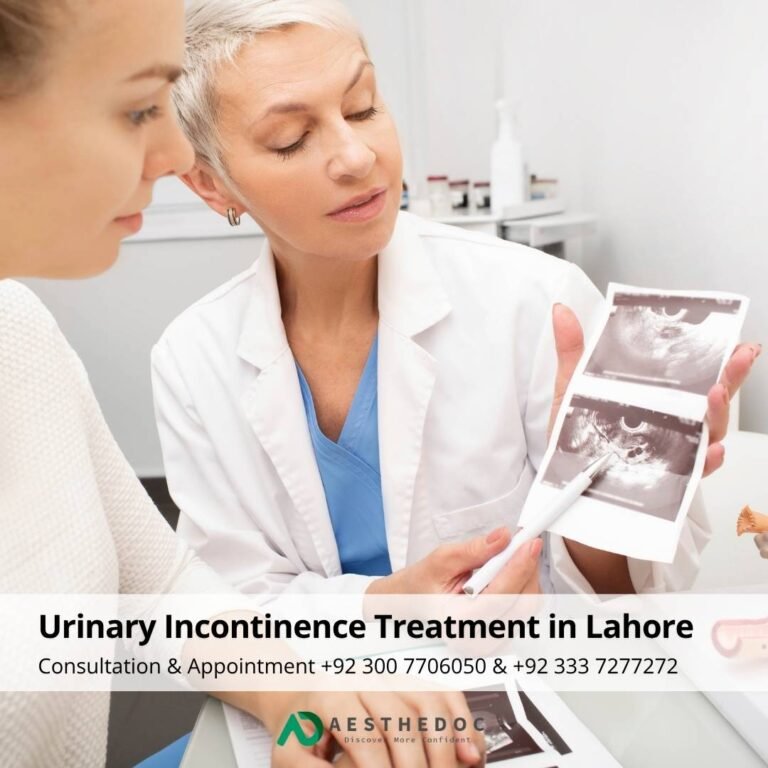
Pregnancy is an important stage of a woman’s life, but not every pregnancy follows the same medical journey. Some women experience health conditions or pregnancy-related complications that require additional medical attention, specialised investigations, and closer monitoring. These pregnancies are commonly known as high-risk pregnancies.
A high-risk pregnancy does not necessarily mean that something bad will happen to the mother or baby. It means that certain medical, obstetric, or pregnancy-related factors increase the possibility of complications and require an individualised care plan.
Women searching for high-risk pregnancy treatment in Lahore often have concerns about previous C-sections, high blood pressure, diabetes, recurrent miscarriages, multiple pregnancies, premature delivery, thyroid disorders, or other medical conditions. Appropriate antenatal assessment and regular follow-up can help identify potential problems and guide decisions throughout pregnancy.
With professional obstetric and gynecological care, many women with high-risk pregnancies can continue their pregnancies safely under appropriate medical supervision.
At Aesthedoc, patients seeking specialist women’s healthcare can enquire about consultation arrangements with Dr. Maimunah Faruque, a Gyne Endoscopy and Laparoscopic Surgeon and Cosmetic Gynecologist, whose qualifications include MBBS, FCPS, and F.MAS.
This comprehensive guide explains high-risk pregnancy, its causes, warning signs, investigations, treatment options, delivery planning, and the importance of specialist medical supervision.
What Is a High-Risk Pregnancy?
A high-risk pregnancy is a pregnancy in which the mother, developing baby, or both have an increased risk of health complications compared with an uncomplicated pregnancy.
These risks may exist before conception, develop during pregnancy, or become apparent as the pregnancy progresses.
For example, a woman with diabetes or chronic hypertension may require additional monitoring from the beginning of pregnancy. Another woman may initially have an uncomplicated pregnancy but develop gestational diabetes, pregnancy-induced hypertension, or fetal growth concerns later.
The level of risk differs from patient to patient. Some women need more frequent antenatal appointments, while others may require additional ultrasound examinations, laboratory investigations, specialist consultations, or hospital-based monitoring.
Quick definition: A high-risk pregnancy is a pregnancy requiring additional medical supervision because of maternal health conditions, previous pregnancy complications, current obstetric problems, or factors that may affect the health of the mother or baby.
The purpose of high-risk pregnancy care is to identify potential complications early, manage existing medical conditions, monitor fetal development, and plan an appropriate delivery strategy.
What Causes a High-Risk Pregnancy?
There is no single cause of high-risk pregnancy. Several medical, reproductive, lifestyle, and obstetric factors can increase pregnancy-related risks.
Understanding these factors helps women seek medical advice before conception or during the early stages of pregnancy.
1. Previous C-Section or Complicated Delivery
Women who have previously undergone a Caesarean section may require additional assessment during a subsequent pregnancy.
The previous uterine incision, number of C-sections, reason for the previous surgery, recovery history, and current pregnancy condition are important considerations.
Some women may be suitable candidates for vaginal birth after Caesarean (VBAC), while others may require a planned repeat C-section.
The decision depends on individual medical circumstances, and the availability of appropriate emergency obstetric facilities is an important consideration.
2. High Blood Pressure During Pregnancy
High blood pressure can develop before pregnancy or during pregnancy. It may increase the risk of complications involving the placenta, maternal organs, and fetal growth.
One important pregnancy-related condition is preeclampsia, which generally develops after 20 weeks of pregnancy and can affect multiple organs.
Women with chronic hypertension or a history of preeclampsia may need closer monitoring throughout pregnancy.
3. Diabetes Before or During Pregnancy
Diabetes can affect pregnancy when blood glucose levels are not appropriately controlled.
There are two important categories:
- Pre-existing diabetes: Diabetes diagnosed before pregnancy.
- Gestational diabetes: High blood glucose that develops during pregnancy.
Poorly controlled blood glucose can increase the likelihood of excessive fetal growth, delivery complications, high blood pressure disorders, and certain newborn complications.
Early assessment, appropriate glucose monitoring, nutritional guidance, and medication when required are important parts of management.
4. Maternal Age
Maternal age can influence pregnancy risk.
Women who become pregnant at an advanced maternal age, commonly defined in obstetric care as 35 years or older at the expected date of delivery, may have an increased likelihood of certain complications.
These can include:
- Gestational diabetes.
- Pregnancy-related hypertension.
- Chromosomal abnormalities.
- Miscarriage.
- Placental complications.
- Caesarean delivery.
However, age alone does not determine the outcome of a pregnancy. Many women above 35 have healthy pregnancies with appropriate antenatal care.
5. Multiple Pregnancy
Pregnancy involving twins, triplets, or more than one baby generally requires additional medical supervision.
Multiple pregnancies may carry increased risks of:
- Premature delivery.
- Low birth weight.
- Unequal fetal growth.
- Gestational diabetes.
- Preeclampsia.
- Placental complications.
Ultrasound monitoring and an individualised delivery plan help doctors assess the progress of multiple pregnancies.
6. Previous Miscarriage or Pregnancy Loss
A history of repeated miscarriages, stillbirth, premature delivery, or other serious obstetric complications may influence the care plan for a subsequent pregnancy.
The doctor may review previous medical records and investigate possible causes depending on the patient’s history.
It is important to understand that one previous miscarriage does not automatically mean that the next pregnancy will be high-risk or unsuccessful.
7. Thyroid Disorders
Both an underactive thyroid (hypothyroidism) and an overactive thyroid (hyperthyroidism) may affect pregnancy.
Uncontrolled thyroid disease can increase the risk of pregnancy complications and may affect fetal development.
Thyroid function testing and appropriate medication adjustments may be required before conception and during pregnancy.
8. Kidney, Heart, and Autoimmune Diseases
Women with chronic medical conditions may need coordinated care during pregnancy.
Examples include:
- Chronic kidney disease.
- Congenital or acquired heart disease.
- Systemic lupus erythematosus.
- Certain blood disorders.
- Epilepsy.
- Severe respiratory diseases.
Depending on the condition, obstetric care may be coordinated with a cardiologist, nephrologist, physician, or maternal-fetal medicine specialist.
9. Anaemia During Pregnancy
Anaemia is a common maternal health concern, particularly where iron deficiency is present.
Severe anaemia may affect the mother’s ability to tolerate blood loss during childbirth and can contribute to fatigue, weakness, and other complications.
Blood tests help identify anaemia and determine whether iron supplementation, further investigation, or other treatment is required.
10. Placental and Pregnancy-Related Complications
Certain conditions involving the placenta, uterus, or developing baby may require additional monitoring.
Examples include:
- Placenta previa.
- Placental abruption.
- Fetal growth restriction.
- Low amniotic fluid.
- Excessive amniotic fluid.
- Abnormal fetal position.
- Suspected fetal structural abnormalities.
The management depends on the severity, gestational age, and overall health of the mother and baby.
Symptoms and Warning Signs of a High-Risk Pregnancy
One important fact is that a high-risk pregnancy does not always produce noticeable symptoms.
Some conditions, such as gestational diabetes and pregnancy-related hypertension, may initially be detected through routine investigations rather than symptoms.
Nevertheless, pregnant women should recognise warning signs that require prompt medical assessment.
Important pregnancy warning signs
- Persistent or severe headache.
- Blurred vision, flashing lights, or visual disturbances.
- Sudden swelling of the face or hands.
- Vaginal bleeding during pregnancy.
- Severe or persistent abdominal pain.
- Leakage or a sudden gush of fluid from the vagina.
- Reduced or noticeably changed fetal movements.
- Severe or sudden breathlessness.
- Persistent fever or signs of infection.
- Regular painful contractions before the expected delivery date.
- Severe vomiting or inability to maintain fluid intake.
- Seizures, fainting, or loss of consciousness.
These symptoms should not be ignored or treated through home remedies alone.
Medical emergency: Heavy bleeding, seizures, severe breathing difficulty, severe abdominal pain, or significantly reduced fetal movement require urgent assessment at an appropriate maternity or emergency facility. Do not wait for your next routine appointment.
How Is a High-Risk Pregnancy Diagnosed?
High-risk pregnancy assessment begins with a detailed medical and obstetric history.
There is no single test that diagnoses every high-risk pregnancy. The doctor considers several factors, including the mother’s existing medical conditions, previous pregnancies, current symptoms, examination findings, and test results.
1. Medical and Obstetric History
The doctor may ask about:
- Previous pregnancies and deliveries.
- Previous C-sections.
- History of miscarriage or stillbirth.
- Previous premature delivery.
- Gestational diabetes.
- High blood pressure.
- Thyroid disorders.
- Existing medical conditions.
- Current medicines and supplements.
- Family history of inherited conditions.
- Previous uterine or abdominal surgery.
This information helps identify risk factors and develop a suitable antenatal care plan.
2. Blood Pressure Monitoring
Blood pressure measurement is an essential component of pregnancy monitoring.
It helps identify hypertension and supports the assessment of possible preeclampsia.
Depending on the findings, further blood and urine investigations may be recommended.
3. Blood and Urine Tests
Investigations may include:
- Complete blood count (CBC).
- Blood group and Rh factor.
- Blood glucose testing.
- Thyroid function tests.
- Kidney function tests.
- Liver function tests.
- Urine examination.
- Urine protein assessment.
- Additional infection or blood disorder screening when indicated.
Not every patient requires every investigation. Testing should be selected according to individual medical needs.
4. Pregnancy Ultrasound
Ultrasound examinations help assess the developing baby and the pregnancy environment.
Depending on the stage of pregnancy and clinical indication, an ultrasound may evaluate:
- Fetal heartbeat.
- Gestational age.
- Number of babies.
- Fetal anatomy.
- Placental position.
- Amniotic fluid.
- Fetal growth.
- Fetal presentation.
Additional growth scans may be advised when there are concerns about fetal development or placental function.
5. Fetal Wellbeing Assessment
Some high-risk pregnancies require additional fetal monitoring.
This may include:
Non-Stress Test (NST): This test monitors the baby’s heart rate in relation to fetal movement.
Biophysical Profile (BPP): An ultrasound-based assessment that evaluates selected indicators of fetal wellbeing, sometimes alongside an NST.
Doppler Ultrasound: This examination evaluates blood flow in selected maternal and fetal blood vessels when clinically indicated.
The doctor decides which tests are necessary based on the pregnancy condition and gestational age.
Treatment and Management of High-Risk Pregnancy
High-risk pregnancy treatment is not the same for every woman. The medical approach depends on the underlying condition, its severity, gestational age, and the health of the developing baby.
The main objectives are to control maternal medical conditions, reduce preventable complications, monitor fetal wellbeing, and determine the safest timing and method of delivery.
1. Individualised Antenatal Care
Women with high-risk pregnancies may require more frequent appointments than women with uncomplicated pregnancies.
During these visits, the doctor may assess:
- Maternal blood pressure.
- Weight and general health.
- Blood and urine results.
- Blood glucose levels when required.
- Fetal growth and development.
- Fetal movements.
- Signs of premature labour.
- Changes in existing medical conditions.
The appointment schedule is adjusted according to the patient’s condition.
2. Management of Gestational Diabetes
Gestational diabetes requires appropriate glucose monitoring and medical management.
Treatment may involve:
- Dietary assessment.
- Individualised nutritional guidance.
- Safe physical activity where appropriate.
- Blood glucose monitoring.
- Medication or insulin when necessary.
- Monitoring of fetal growth.
The treatment plan should be supervised by qualified healthcare professionals.
3. Management of High Blood Pressure and Preeclampsia
Women with hypertension require regular blood pressure assessment and appropriate medical supervision.
Depending on the diagnosis, treatment may involve pregnancy-compatible blood pressure medication, laboratory investigations, fetal monitoring, and assessment of the need for hospital admission.
In certain cases of preeclampsia, delivery may become the safest option for the mother and baby. The timing depends on the severity of the condition and gestational age.
4. Treatment of Anaemia
Iron deficiency anaemia may be treated with oral iron supplements or intravenous iron when clinically indicated.
The doctor may recommend further testing if anaemia is severe or does not improve with treatment.
Appropriate nutrition and follow-up blood tests are also important.
5. Monitoring of Fetal Growth
If the baby is measuring smaller than expected, the doctor may investigate possible fetal growth restriction.
This can involve repeat ultrasound examinations, Doppler studies, fetal wellbeing assessments, and closer monitoring.
The delivery plan depends on the cause, severity, and progress of the condition.
6. Prevention and Management of Premature Labour
Women with a history of premature delivery or certain current pregnancy complications may need additional assessment.
Depending on the clinical situation, management may involve cervical length monitoring, medication, hospital observation, or other interventions.
Some women at risk of early delivery may benefit from antenatal corticosteroids to support fetal lung maturation when preterm birth is anticipated within an appropriate clinical window.
7. Medication and Supplement Management
Medication during pregnancy requires careful consideration.
Some medicines are safe during pregnancy, while others may need to be changed, stopped, or adjusted.
Women should not independently discontinue prescribed medication, including medicines for epilepsy, hypertension, thyroid disorders, or diabetes.
A doctor should review all prescription medicines, over-the-counter products, vitamins, and herbal supplements.
High-Risk Pregnancy After a Previous C-Section
A previous Caesarean delivery is an important factor in planning a subsequent pregnancy.
Women who have had one or more C-sections may be concerned about whether they can have a vaginal delivery in their next pregnancy.
This is where assessment for Vaginal Birth After Caesarean (VBAC) becomes relevant.
The suitability of VBAC depends on several factors, including:
- The type of previous uterine incision.
- The number of previous Caesarean deliveries.
- The reason for the previous C-section.
- Any history of uterine surgery.
- The current pregnancy condition.
- The baby’s position and estimated size.
- The availability of emergency Caesarean facilities.
A previous C-section does not automatically rule out vaginal birth. However, VBAC is not suitable for every woman and requires an informed medical decision.
Can a Woman With a High-Risk Pregnancy Have a Normal Delivery?
Yes. Some women with high-risk pregnancies can have a vaginal delivery, depending on their medical condition and pregnancy progress.
A high-risk pregnancy does not automatically mean that a C-section is necessary.
The doctor evaluates the mother’s health, baby’s position, placental condition, gestational age, and any complications before recommending a delivery method.
For example:
- A woman with well-controlled gestational diabetes may be eligible for vaginal delivery.
- Some women with controlled hypertension may deliver vaginally.
- Selected women with a previous C-section may be candidates for VBAC.
- Certain placental complications may make Caesarean delivery necessary.
- Severe maternal or fetal complications may require an earlier delivery.
The safest delivery method should always be determined through individual medical assessment rather than personal preference alone.
When Is a C-Section Necessary in a High-Risk Pregnancy?
A Caesarean section may be recommended when vaginal delivery presents a greater risk to the mother or baby.
Possible reasons include:
- Placenta previa covering the cervix.
- Certain cases of previous uterine surgery.
- Persistent abnormal fetal position.
- Some multiple pregnancies.
- Fetal distress requiring urgent delivery.
- Certain cases of severe maternal complications.
- Failed labour progress.
- Other obstetric emergencies.
Not every high-risk pregnancy requires surgical delivery. The decision should be based on the actual clinical findings and the available delivery options.
How Often Should a Woman With a High-Risk Pregnancy Visit Her Doctor?
There is no universal appointment schedule for every high-risk pregnancy.
Women with stable conditions may require periodic specialist visits, while those with significant complications may need much more frequent monitoring or hospital-based care.
The schedule may change as the pregnancy progresses.
For example:
| Pregnancy stage | Main areas of assessment |
|---|---|
| First trimester | Medical history, pregnancy confirmation, dating, initial investigations and risk assessment |
| Second trimester | Maternal health, fetal anatomy, glucose screening when indicated and cervical assessment where appropriate |
| Third trimester | Fetal growth, maternal blood pressure, fetal movements, placental assessment and delivery planning |
| Near delivery | Maternal and fetal wellbeing, labour assessment and final delivery strategy |
This is a general overview, not a replacement for an individual antenatal schedule.
Early antenatal care is particularly important for women with existing medical conditions or a previous history of pregnancy complications.
What Should You Do to Maintain a Healthy Pregnancy?
Although some pregnancy complications cannot be prevented, appropriate medical care and healthy habits can support maternal and fetal wellbeing.
Consider the following recommendations:
- Attend antenatal appointments regularly.
- Take prescribed prenatal supplements.
- Follow your doctor’s nutritional advice.
- Monitor blood pressure or blood glucose if advised.
- Avoid smoking and exposure to harmful substances.
- Do not take medication without checking its suitability during pregnancy.
- Maintain appropriate physical activity if your doctor considers it safe.
- Get adequate sleep and rest.
- Report unusual symptoms promptly.
- Follow the recommended ultrasound and laboratory testing schedule.
Women with high-risk pregnancies should avoid following general pregnancy advice without considering their individual medical circumstances.
For example, exercise recommendations may differ for women with cervical problems, bleeding, placental complications, or threatened premature labour.
High-Risk Pregnancy Treatment in Lahore: Why Specialist Consultation Matters
Lahore has a large population of women seeking obstetric and gynecological services, including pregnancy assessment, antenatal monitoring, and management of pregnancy-related complications.
When choosing a doctor for high-risk pregnancy care in Lahore, patients should consider the doctor’s qualifications, obstetric experience, approach to pregnancy monitoring, and access to appropriate maternity and emergency facilities.
A good consultation should provide clear answers about:
- Why the pregnancy is considered high-risk.
- Which complications need to be monitored.
- Which investigations are necessary.
- How frequently follow-up appointments are required.
- Whether specialist referrals are needed.
- What delivery options are medically appropriate.
- Which warning signs require emergency attention.
Patients should also ask where emergency assessment, hospital admission, blood transfusion, Caesarean delivery, and neonatal care can be accessed if required.
Antenatal consultation is not only about treating existing problems. It is also about planning ahead and making informed decisions throughout pregnancy.
Why Choose an Experienced Gynecologist for High-Risk Pregnancy Care?
An experienced gynecologist and obstetric care professional can help assess pregnancy-related risks, interpret investigations, manage appropriate gynecological and obstetric conditions, and coordinate referrals when additional specialist care is required.
The doctor’s role includes:
- Reviewing the patient’s complete medical history.
- Identifying pregnancy-related risk factors.
- Assessing maternal health.
- Monitoring fetal development.
- Recommending appropriate investigations.
- Managing conditions within their clinical expertise.
- Planning follow-up and delivery arrangements.
- Referring patients to other specialists when necessary.
For complicated maternal conditions or pregnancies requiring advanced fetal medicine, collaboration with a maternal-fetal medicine specialist and a suitably equipped hospital may be necessary.
The most appropriate care is always based on the patient’s individual medical needs.
Frequently Asked Questions About High-Risk Pregnancy
1. What is considered a high-risk pregnancy?
A pregnancy is considered high-risk when maternal health conditions, previous obstetric complications, or current pregnancy-related problems increase the possibility of complications for the mother or baby. Examples include diabetes, hypertension, multiple pregnancy, previous preeclampsia, and certain placental conditions.
2. Can a high-risk pregnancy be successful?
Yes. Many women with high-risk pregnancies have healthy babies. Outcomes depend on the underlying condition, its severity, the gestational age, and the availability of appropriate medical care and monitoring.
3. Which doctor should I consult for a high-risk pregnancy in Lahore?
You should consult a qualified obstetrician-gynecologist experienced in managing pregnancy complications. Some conditions may also require a maternal-fetal medicine specialist or another medical specialist.
4. Does high-risk pregnancy always require a C-section?
No. Many high-risk pregnancies can progress to vaginal delivery. The delivery method depends on maternal health, fetal condition, placental position, previous uterine surgery, and other obstetric findings.
5. Is pregnancy after 35 considered high-risk?
Pregnancy at age 35 or above may carry an increased risk of certain complications. However, age alone does not determine the pregnancy outcome. Individual health, pregnancy history, and medical assessment are also important.
6. Can I have a normal delivery after a previous C-section?
Some women can have a vaginal birth after Caesarean (VBAC). Suitability depends on the previous uterine incision, surgical history, current pregnancy, and availability of emergency Caesarean services.
7. What tests are required during high-risk pregnancy?
Depending on the patient’s condition, tests may include CBC, blood glucose, thyroid function, kidney and liver function, urine examination, ultrasound, fetal growth scans, Doppler studies, NST, and biophysical profile.
Not every patient needs all these tests.
8. Can diabetes affect pregnancy?
Yes. Poorly controlled diabetes may increase the risk of excessive fetal growth, delivery complications, pregnancy-related hypertension, and newborn health problems. Appropriate glucose monitoring and medical management are important.
9. What are the danger signs during high-risk pregnancy?
Important warning signs include vaginal bleeding, severe headache, blurred vision, sudden swelling of the face or hands, severe abdominal pain, fluid leakage, reduced fetal movements, and severe breathlessness. These symptoms require prompt medical assessment.
10. When should I start high-risk pregnancy care?
Ideally, consultation should begin before conception if you have a known medical condition or a history of pregnancy complications. If you are already pregnant, arrange antenatal assessment as early as possible.
11. Can a woman with twins have a normal delivery?
Some women carrying twins may be candidates for vaginal delivery. The decision depends on fetal positions, gestational age, maternal health, and the availability of appropriate obstetric facilities.
12. How can I reduce the risk of pregnancy complications?
Early antenatal care, appropriate management of existing medical conditions, healthy nutrition, prescribed medication, regular monitoring, and prompt attention to warning signs can help reduce preventable risks. Not all complications can be prevented.
13. Does every high-risk pregnancy need hospital admission?
No. Some women can be monitored as outpatients, while others may require hospital observation or admission depending on their condition. The treating doctor determines the appropriate level of care.
14. Is high-risk pregnancy dangerous for the mother?
Certain high-risk conditions can cause serious maternal complications if they are not identified and managed appropriately. However, risk varies considerably between patients. Regular assessment and timely treatment are essential.
Final Thoughts: Get the Right Medical Guidance During Pregnancy
A high-risk pregnancy requires attention, careful assessment, and an individualised approach to maternal and fetal health. Whether the concern involves diabetes, high blood pressure, previous C-section, multiple pregnancy, recurrent miscarriage, thyroid disease, or another obstetric complication, timely consultation can help identify the appropriate next steps.
Women searching for high-risk pregnancy treatment in Lahore should not delay medical assessment because they are unsure whether their pregnancy is complicated. Early evaluation can help establish a monitoring plan and clarify whether additional specialist support is required.
The aim of professional pregnancy care is to protect the mother’s health, monitor the baby’s development, and make informed decisions about the safest possible delivery.
Consult Dr. Maimunah Faruque for Women’s Healthcare
Dr. Maimunah Faruque
Gyne Endoscopy and Laparoscopic Surgeon
Cosmetic Gynecologist
Qualifications:
- MBBS
- FCPS
- F.MAS
Dr. Maimunah Faruque provides women’s healthcare consultations in areas of obstetrics and gynecology, with professional interests that include pregnancy care, laparoscopic gynecological surgery, and cosmetic gynecology.
Patients seeking consultation regarding high-risk pregnancy, previous Caesarean delivery, pregnancy complications, and other gynecological concerns can contact Aesthedoc to confirm consultation arrangements and appointment availability for Lahore patients.
Book a Consultation with Aesthedoc
If you are pregnant and have a medical condition, previous pregnancy complications, or concerns about your baby’s development, seek an appropriate medical assessment.
Aesthedoc – Women’s Healthcare and Gynecology Consultation
Phone: 03337277272
Phone: 03007706050
Email: info@aesthedoc.com
Contact Aesthedoc to enquire about an appointment with Dr. Maimunah Faruque and available consultation arrangements for patients from Lahore.
Medical disclaimer: This article is for educational purposes only and does not replace an individual medical examination, diagnosis, or treatment plan. Pregnancy management and delivery decisions must be made by qualified healthcare professionals based on the patient’s clinical condition.