Ovarian cysts are a common gynaecological finding among women of reproductive age. Some cysts develop naturally during the menstrual cycle and disappear without treatment, while others may grow, persist, cause pelvic pain or require medical or surgical management. When an ovarian cyst is large, persistent, painful or has concerning features on ultrasound, a gynaecologist may recommend further investigation or surgery.
For women searching for laparoscopy for ovarian cysts in Lahore, understanding the type of cyst, its size, ultrasound appearance and possible effect on fertility is an important first step. Laparoscopic ovarian cystectomy is a minimally invasive surgical procedure that may allow a surgeon to remove a cyst while preserving healthy ovarian tissue whenever possible.
However, not every ovarian cyst requires an operation. The right treatment depends on an individual assessment rather than size alone.
This guide explains ovarian cysts, their causes, symptoms, diagnosis, treatment options, laparoscopic surgery, recovery and fertility considerations. It also explains how women in Lahore can enquire about gynaecological assessment and laparoscopic treatment with Dr. Maimunah Faruque, Gyne Endoscopy and Laparoscopic Surgeon and Cosmetic Gynecologist at Aesthedoc.
What Is an Ovarian Cyst?
An ovarian cyst is a sac or pocket of tissue that develops in or on an ovary. It may contain fluid, thick material, blood or a combination of different contents.
The ovaries are two small reproductive organs located on either side of the uterus. They have two important functions:
- Releasing eggs during the menstrual cycle.
- Producing hormones such as oestrogen and progesterone.
Ovarian cysts can develop at different stages of a woman’s life. Many are harmless and temporary, particularly those associated with normal ovulation. Others may need monitoring, medication for associated symptoms or surgical removal.
An ovarian cyst can be discovered during a routine pelvic ultrasound even when a woman has no symptoms. In other cases, it may cause pelvic discomfort, abdominal swelling, painful periods, pain during intercourse or pressure on nearby organs.
The important question is not simply whether a cyst is present, but what type of cyst it is, whether it is changing, and whether it is affecting the woman’s health or fertility.
Types of Ovarian Cysts
Different ovarian cysts have different causes and characteristics. Identifying the likely type helps the gynaecologist decide whether monitoring or surgery is appropriate.
1. Functional Ovarian Cysts
Functional cysts are associated with the normal menstrual cycle. They are common during reproductive years and frequently resolve without surgery.
Follicular cyst
During a normal menstrual cycle, a small fluid-filled follicle develops in the ovary and contains an egg. Usually, the follicle releases the egg during ovulation. If it does not rupture and release the egg, it may continue growing and become a follicular cyst.
Corpus luteum cyst
After ovulation, the follicle changes into a structure called the corpus luteum, which produces progesterone. Sometimes fluid or blood collects inside it, resulting in a corpus luteum cyst.
These cysts often resolve naturally, although some may cause discomfort or bleeding.
2. Endometrioma or Chocolate Cyst
An endometrioma is an ovarian cyst associated with endometriosis. It contains old blood and often has a thick, dark appearance, which is why it is commonly called a chocolate cyst.
Women with endometriomas may experience:
- Painful menstrual periods.
- Chronic pelvic pain.
- Pain during intercourse.
- Pain around ovulation.
- Difficulty conceiving.
Endometriomas require careful assessment, particularly when a woman is planning pregnancy. Surgery may be appropriate in selected cases, but removing an endometrioma can affect ovarian reserve. The potential benefits and risks should be discussed before treatment.
3. Dermoid Cyst
A dermoid cyst, also called a mature cystic teratoma, is a type of ovarian tumour that is usually benign. It may contain different types of tissue, including skin, hair, fat and occasionally tooth-like material.
Dermoid cysts may remain asymptomatic for a long time. Some grow gradually and may increase the risk of ovarian torsion, in which the ovary twists around its supporting structures.
Depending on its size, appearance, symptoms and clinical circumstances, a dermoid cyst may be monitored or surgically removed.
4. Cystadenoma
A cystadenoma develops from cells on the outer surface of the ovary. It may contain watery or mucus-like fluid and can sometimes become quite large.
Most cystadenomas are benign, but their size, ultrasound appearance and clinical findings need assessment. A persistent or enlarging cyst may require surgery.
5. Haemorrhagic Ovarian Cyst
A haemorrhagic cyst develops when bleeding occurs inside an ovarian cyst, often a functional cyst.
Possible symptoms include:
- Sudden pelvic pain.
- Pain on one side of the lower abdomen.
- Abdominal tenderness.
- Occasionally, internal bleeding if the cyst ruptures.
Some haemorrhagic cysts settle without surgery. Severe pain, dizziness, fainting or signs of significant bleeding require urgent medical evaluation.
6. Polycystic Ovarian Appearance and PCOS
Polycystic ovary syndrome (PCOS) is frequently confused with ovarian cyst disease.
PCOS is a hormonal and metabolic condition that can involve irregular ovulation, androgen-related symptoms and a characteristic appearance of multiple small follicles on ovarian ultrasound.
These small follicles are not the same as large pathological ovarian cysts. PCOS does not automatically mean that a woman needs ovarian cyst surgery.
Diagnosis and treatment of PCOS depend on the woman’s symptoms, menstrual history, examination and appropriate investigations.
Causes of Ovarian Cysts
Ovarian cysts can develop for several reasons. The cause depends on the type of cyst and the woman’s reproductive and medical history.
Common causes and associated conditions include:
- Normal ovulation: A follicle may continue growing instead of releasing an egg.
- Hormonal changes: Changes in the menstrual cycle can contribute to functional cyst formation.
- Endometriosis: Endometrial-like tissue can develop on the ovaries and form endometriomas.
- Abnormal tissue growth: Dermoid cysts and cystadenomas develop from different ovarian cell types.
- Pregnancy-related changes: A corpus luteum cyst may be identified during early pregnancy.
- Previous ovarian cysts: Some women develop recurrent cysts, depending on their underlying condition.
- Hormonal and reproductive conditions: Conditions affecting ovulation may be associated with certain types of ovarian cysts.
Not every ovarian cyst has an identifiable cause. A detailed assessment helps determine whether the cyst is likely to resolve naturally or needs further management.
Symptoms of Ovarian Cysts
Many ovarian cysts do not cause noticeable symptoms. They may be discovered during an ultrasound performed for another reason, such as irregular periods, fertility assessment or pelvic discomfort.
When symptoms occur, they may include:
- Pain in the lower abdomen or pelvis.
- Pain on one side of the abdomen.
- A feeling of heaviness or pressure in the pelvis.
- Abdominal bloating or swelling.
- Pain during sexual intercourse.
- Pain during menstruation.
- Frequent urination due to pressure on the bladder.
- Difficulty passing stool or a feeling of rectal pressure.
- Changes in menstrual bleeding.
- A feeling of fullness after eating small amounts.
The intensity of symptoms does not always correspond to the size of the cyst. A relatively small cyst may cause significant pain if it bleeds, ruptures or contributes to ovarian torsion.
When Is an Ovarian Cyst an Emergency?
Some ovarian cyst complications need immediate medical attention.
Seek emergency assessment if you experience:
- Sudden, severe pelvic or lower abdominal pain.
- Severe pain accompanied by nausea or vomiting.
- Fainting, dizziness or marked weakness.
- Fever with significant pelvic pain.
- Heavy vaginal bleeding.
- Severe abdominal tenderness or rapidly increasing swelling.
- Symptoms of shock, such as cold clammy skin or difficulty remaining conscious.
These symptoms may indicate ovarian torsion, cyst rupture, internal bleeding or another urgent abdominal or pelvic condition.
Do not wait for a routine appointment if you develop sudden severe pain. Ovarian torsion, in particular, is a time-sensitive condition because twisting can interrupt the ovary’s blood supply.
How Are Ovarian Cysts Diagnosed?
Accurate diagnosis is essential before deciding whether an ovarian cyst requires surgery. A gynaecologist considers symptoms, age, menstrual history, reproductive plans, ultrasound findings and relevant medical history.
1. Medical History and Gynaecological Assessment
The doctor may ask about:
- Menstrual cycle regularity.
- Pain during periods.
- Previous ovarian cysts.
- Previous pelvic or abdominal surgery.
- Pregnancy history.
- Fertility concerns.
- Family history of ovarian or breast cancer.
- Current medicines and hormonal treatments.
- Symptoms such as bloating, pelvic pressure or urinary problems.
A pelvic examination may also be considered when clinically appropriate.
2. Pelvic Ultrasound
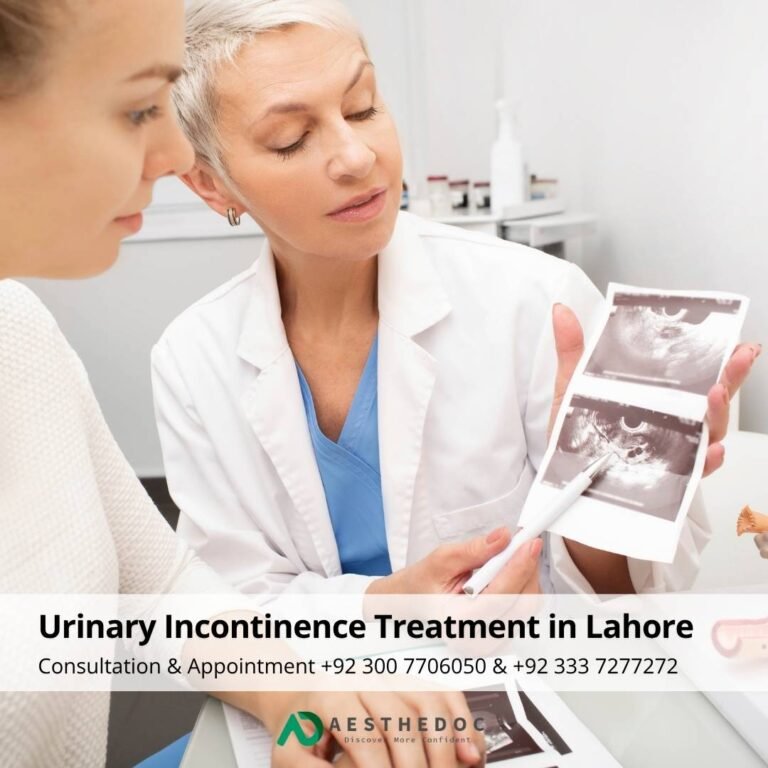
Ultrasound is one of the most important investigations for evaluating ovarian cysts.
A transvaginal ultrasound provides detailed images of the uterus, ovaries and surrounding pelvic structures. A transabdominal ultrasound may be used when an internal scan is not suitable or when a wider view is required.
The ultrasound report may describe:
- The size of the cyst.
- Its location and which ovary is involved.
- Whether it is fluid-filled or contains solid components.
- The thickness and appearance of its walls.
- Internal partitions or septations.
- Papillary projections or other complex features.
- Blood flow findings when Doppler assessment is indicated.
- Whether fluid is present around the ovary.
These findings help the gynaecologist distinguish a simple cyst from a complex ovarian mass and determine the appropriate next step.
3. Pregnancy Test
A pregnancy test may be recommended for women of reproductive age, particularly when they have pelvic pain or a delayed period.
This is important because pregnancy-related conditions, including ectopic pregnancy, can cause symptoms similar to those of an ovarian cyst.
4. Blood Tests
Blood tests are selected according to the patient’s age, symptoms and ultrasound findings. They are not necessary for every simple ovarian cyst.
Depending on the clinical situation, investigations may include:
- CA-125.
- Other tumour markers in selected cases.
- Hormonal tests when menstrual or ovulatory problems are suspected.
- Full blood count if bleeding or anaemia is a concern.
- Other tests based on the suspected diagnosis.
CA-125 is not a standalone test for ovarian cancer. It can be raised in several non-cancerous conditions, including endometriosis and menstruation. Its interpretation depends on the patient’s age, menopausal status, ultrasound findings and overall clinical picture.
5. MRI or Other Imaging
MRI may be recommended when ultrasound findings are unclear or when a more detailed assessment of a complex ovarian mass is needed.
CT imaging may be used in selected circumstances, particularly when there is concern about a more extensive disease process. It is not routinely required for every ovarian cyst.
Does Every Ovarian Cyst Require Surgery?
No. Many ovarian cysts do not require an operation.
A simple, small cyst in a woman who has no symptoms may only need observation or follow-up imaging, depending on its size and clinical context. Some functional cysts disappear naturally over one or two menstrual cycles.
Surgery may be considered when a cyst:
- Is persistent or continues to grow.
- Causes significant or recurring pelvic pain.
- Has a large size or causes pressure symptoms.
- Has complex or suspicious ultrasound features.
- Is associated with complications such as torsion or bleeding.
- Is unlikely to resolve naturally.
- Requires removal for diagnostic reasons.
The decision is not based on size alone. The cyst’s appearance, symptoms, age, menopausal status, medical history and fertility plans all matter.
Women who have reached menopause may need a different assessment pathway because the risk profile of an ovarian mass changes after menopause.
The aim is to avoid unnecessary surgery while ensuring that cysts requiring treatment are appropriately managed.
What Is Laparoscopy for Ovarian Cysts?
Laparoscopy is a minimally invasive surgical technique used to examine and operate inside the abdomen and pelvis through small incisions.
It is often called keyhole surgery.
During laparoscopic ovarian cyst surgery, a thin instrument with a camera, known as a laparoscope, is inserted through a small incision. The camera sends images to a screen, allowing the surgeon to view the ovaries and surrounding pelvic structures.
Additional small incisions allow surgical instruments to be introduced.
When the cyst is suitable for removal using this technique, the surgeon may perform a laparoscopic ovarian cystectomy.
The main objective is to remove the cyst while preserving as much healthy ovarian tissue as safely possible.
Laparoscopy is commonly considered for ovarian cysts that appear suitable for minimally invasive surgery. However, open surgery may be more appropriate for some very large or suspicious masses.
Laparoscopic Ovarian Cystectomy: Step-by-Step Procedure
The exact procedure depends on the type of cyst, its size, its position and the patient’s medical circumstances.
Step 1: Preoperative Assessment
Before surgery, the surgeon reviews the ultrasound findings, relevant blood tests, medical history and fertility goals.
The patient should discuss:
- Whether the cyst can be removed while preserving the ovary.
- Whether there is any possibility of needing to remove the affected ovary.
- The potential effect of surgery on ovarian reserve.
- Whether additional treatment may be required.
- Whether open surgery might be necessary.
- The expected recovery period.
The anaesthesia team also assesses the patient’s suitability for general anaesthesia.
Step 2: General Anaesthesia
Laparoscopic ovarian cyst surgery is generally performed under general anaesthesia, meaning the patient is asleep during the procedure.
The surgical team monitors vital signs throughout the operation.
Step 3: Small Abdominal Incisions
The surgeon makes small incisions in the abdomen, usually including one near the navel and additional small openings for instruments.
Carbon dioxide gas is introduced into the abdominal cavity to create working space and improve visibility.
Step 4: Camera and Instrument Insertion
The laparoscope is introduced through an incision. Its camera provides a magnified view of the pelvic organs.
The surgeon examines the ovaries, uterus, fallopian tubes and surrounding structures.
Step 5: Removal of the Ovarian Cyst
If the cyst is suitable for cystectomy, the surgeon carefully separates the cyst from the surrounding ovarian tissue.
The goal is to remove the cyst while preserving healthy ovarian tissue.
The technique varies according to the cyst type. Some cysts are more difficult to separate, and the amount of healthy tissue that can safely be preserved cannot always be predicted before surgery.
Step 6: Specimen Removal and Laboratory Examination
The removed tissue may be placed in a suitable retrieval bag and taken out through an incision.
The specimen is generally sent for histopathological examination to identify its nature.
The final diagnosis may therefore depend on the laboratory report rather than ultrasound alone.
Step 7: Completion of Surgery
The surgeon checks the operative area for bleeding and completes the procedure.
The instruments are removed, the gas is released and the small incisions are closed.
The patient is then transferred to the recovery area for monitoring.
Laparoscopic Ovarian Cystectomy vs Oophorectomy
These terms describe two different procedures and should not be confused.
Ovarian cystectomy means removing the cyst while attempting to leave the ovary in place.
Oophorectomy means removing an ovary. It may be considered when the ovary is severely damaged, almost entirely replaced by a mass, affected by an emergency complication or when the findings raise concern about malignancy.
In many women of reproductive age, preserving the ovary is an important surgical goal. However, ovarian preservation cannot be guaranteed in every case.
The surgeon should explain the possibility of ovary removal and obtain informed consent before the operation, including a discussion of circumstances in which the planned procedure may need to change.
Benefits of Laparoscopic Ovarian Cyst Surgery
When a cyst is suitable for minimally invasive surgery, laparoscopy may offer several advantages compared with open abdominal surgery.
Potential benefits include:
- Smaller abdominal incisions.
- Less postoperative wound discomfort in many patients.
- Reduced visible scarring.
- Shorter hospital stay in suitable cases.
- Earlier return to everyday activities.
- Direct visual assessment of pelvic structures.
- The possibility of removing a cyst while preserving the ovary.
Recovery varies from patient to patient. The benefits of laparoscopy should be balanced against the risks of the procedure and the possibility that open surgery may be safer in certain situations.
Laparoscopic Surgery for Different Types of Ovarian Cysts
The surgical approach depends on the type of cyst.
Functional Cysts
Functional cysts often resolve naturally and usually do not need surgery. If a cyst persists, causes significant symptoms or develops concerning features, further assessment may be required.
Dermoid Cysts
A dermoid cyst may be removed if it is growing, causing symptoms or considered at risk of complications such as torsion.
The surgeon assesses whether cystectomy is feasible and whether healthy ovarian tissue can be preserved.
Endometriomas
Endometriomas require particularly careful decision-making.
Surgery may help selected women with pain or other clinical indications. However, removing an endometrioma can reduce ovarian reserve, especially when cysts are bilateral, recurrent or associated with previous ovarian surgery.
For women planning pregnancy, the decision should consider age, ovarian reserve, previous operations, symptoms and fertility treatment plans.
Surgery should not be treated as an automatic requirement simply because an endometrioma is visible on ultrasound.
Large or Complex Cysts
Large or complex ovarian masses need detailed assessment before surgery.
Some may be suitable for laparoscopy, while others may require an open procedure or specialist referral. If malignancy is suspected, appropriate assessment and involvement of a gynaecological oncology team are important.
Can Ovarian Cyst Surgery Affect Fertility?
This is one of the most important questions for women who are planning pregnancy.
The effect of surgery on fertility depends on several factors, including:
- The type of cyst.
- The size and location of the cyst.
- Whether one or both ovaries are affected.
- The amount of healthy ovarian tissue remaining.
- The patient’s age.
- Her ovarian reserve before surgery.
- Previous ovarian operations.
- Whether endometriosis is present.
When possible, the surgeon aims to remove the cyst without removing the entire ovary.
However, even an operation intended to preserve the ovary may affect some healthy ovarian tissue. This is particularly important in women with endometriomas.
Ovarian Reserve and AMH Testing
Ovarian reserve refers to the remaining supply of eggs within the ovaries. It is one factor used when assessing reproductive potential.
A doctor may recommend an anti-Müllerian hormone (AMH) blood test or an antral follicle count on ultrasound in selected patients.
These tests can help inform treatment discussions, but they cannot independently predict whether a woman will become pregnant naturally.
For women who want to conceive, fertility planning should be discussed before ovarian surgery whenever the clinical situation allows.
Can a Woman Get Pregnant After Ovarian Cyst Removal?
Many women can conceive after ovarian cystectomy, particularly when healthy ovarian tissue is preserved and there are no other significant fertility problems.
However, pregnancy cannot be guaranteed after surgery. Fertility also depends on age, ovulation, fallopian tube health, sperm factors, endometriosis and other reproductive conditions.
Women experiencing difficulty conceiving may benefit from a broader fertility assessment rather than assuming the ovarian cyst is the only cause.
Special Considerations for Endometrioma Surgery
Endometriomas are different from simple functional cysts because they are associated with endometriosis, a condition that can affect the ovaries and other pelvic structures.
Surgery may be considered for selected patients, but it can also reduce ovarian reserve.
Before recommending laparoscopic endometrioma surgery, a specialist may consider:
- Whether the patient has significant pain.
- Whether the cyst has suspicious or changing features.
- Whether the patient is planning pregnancy.
- Whether one or both ovaries are affected.
- Whether the patient has undergone previous ovarian surgery.
- The patient’s ovarian reserve.
- Whether fertility preservation or reproductive medicine advice is appropriate.
In some situations, observation and medical management may be more appropriate than immediate surgery.
The treatment decision should be individualised, with the patient’s fertility priorities included in the discussion.
Risks and Possible Complications of Laparoscopic Ovarian Cyst Surgery
Laparoscopic surgery is widely used, but it is still a surgical procedure and carries potential risks.
Possible complications include:
- Bleeding: Bleeding may occur during or after surgery and may occasionally require additional treatment.
- Infection: Infection can develop at an incision site or internally.
- Injury to nearby organs: The bowel, bladder, ureters or blood vessels may be injured, although this is uncommon.
- Anaesthesia-related complications: General anaesthesia carries risks that depend on the patient’s health and medical history.
- Adhesions: Scar tissue may develop inside the pelvis after surgery.
- Damage to healthy ovarian tissue: Some ovarian tissue may be affected during cyst removal.
- Reduced ovarian reserve: This is a particular consideration in endometrioma surgery and repeat ovarian operations.
- Conversion to open surgery: The surgeon may need to change to an open operation if laparoscopy is unsafe or unsuitable.
- Recurrence: Some types of ovarian cysts can develop again.
- Unexpected pathology: Laboratory examination may identify a condition requiring additional treatment.
The risk profile differs from one patient to another. The surgeon should explain the expected benefits, alternatives and possible complications before obtaining consent.
Laparoscopy vs Open Surgery for Ovarian Cysts
Both laparoscopic and open surgery have a role in treating ovarian cysts.
| Feature | Laparoscopic surgery | Open surgery |
|---|---|---|
| Incisions | Several small incisions | Usually one larger incision |
| Surgical access | Camera and specialised instruments | Direct access through an abdominal incision |
| Recovery | Often quicker in suitable cases | Often requires a longer recovery |
| Hospital stay | May be shorter | May be longer |
| Suitable cases | Selected benign-appearing cysts | Very large or suspicious masses and selected complex cases |
| Scarring | Usually smaller scars | Usually a larger scar |
Laparoscopy is not automatically the best option for every ovarian mass. If the imaging suggests possible cancer, the surgical approach should prioritise safe removal and appropriate specialist care.
Recovery After Laparoscopic Ovarian Cyst Removal
Recovery depends on the complexity of surgery, the cyst type, the patient’s general health and whether complications occur.
Many patients return home on the same day or after a short hospital stay, depending on the surgeon’s assessment and local hospital arrangements.
First 24–48 Hours
Patients may experience:
- Mild to moderate abdominal discomfort.
- Tiredness after anaesthesia.
- Bloating.
- Mild shoulder-tip pain caused by the gas used during laparoscopy.
- Tenderness around the incision sites.
Pain relief and postoperative instructions should be followed as prescribed.
First Week
During the first week, patients are generally advised to:
- Walk gently and regularly as tolerated.
- Keep incision sites clean and dry according to instructions.
- Avoid strenuous exercise.
- Avoid lifting heavy objects.
- Take prescribed medicines as directed.
- Attend follow-up appointments.
The surgeon will advise when normal activities and work can be resumed.
Returning to Normal Activities
Some patients resume light activities within a few days, while others need longer. Full recovery may take several weeks, especially after more complex surgery.
The patient should not return to strenuous exercise, heavy lifting or sexual activity until the treating surgeon confirms it is appropriate.
Warning Signs After Surgery
Contact the treating team urgently or seek medical assessment if you experience:
- Fever or chills.
- Increasing abdominal pain.
- Heavy vaginal bleeding.
- Persistent vomiting.
- Redness, swelling or discharge from an incision.
- Foul-smelling vaginal discharge.
- Difficulty passing urine.
- Shortness of breath or chest pain.
- Pain or swelling in one leg.
Severe symptoms require urgent medical attention.
Can Ovarian Cysts Come Back After Surgery?
Yes. Some ovarian cysts can recur after removal.
The likelihood depends on the type of cyst and the underlying condition.
For example:
- Functional cysts may develop again during future menstrual cycles.
- Endometriomas may recur because endometriosis can persist.
- Some other benign cyst types may also return, although recurrence patterns vary.
Follow-up depends on the histopathology result, symptoms, cyst type and the surgeon’s recommendations.
Women with endometriosis may need a longer-term management plan that considers pain control, fertility goals and the possibility of recurrence.
Ovarian Cysts During Pregnancy
An ovarian cyst may be identified during an ultrasound scan performed in pregnancy.
Many simple cysts can be monitored, especially when they are not causing symptoms and have reassuring ultrasound features.
Management depends on:
- The size of the cyst.
- Its appearance on ultrasound.
- Whether it is growing.
- Whether the woman has pain.
- The stage of pregnancy.
- Whether there is concern about torsion or malignancy.
Surgery during pregnancy is not routinely required for every ovarian cyst. It may be considered when there are significant complications or concerning findings, with decisions made by the appropriate obstetric and surgical team.
Pregnant women with sudden severe abdominal pain should seek urgent assessment.
Ovarian Cyst Surgery Cost in Lahore
The cost of ovarian cyst surgery in Lahore varies according to the patient’s diagnosis and the complexity of the procedure.
Factors that may affect the total cost include:
- The type and size of the ovarian cyst.
- Whether one or both ovaries are involved.
- Whether laparoscopic or open surgery is required.
- The surgeon’s professional fees.
- Hospital and operating theatre charges.
- Anaesthesia fees.
- Laboratory and histopathology charges.
- Medicines and postoperative care.
- Whether additional procedures are required.
A reliable cost estimate should be provided after reviewing the ultrasound report and assessing the patient.
Patients should ask for a clear explanation of what is included in the quoted amount, including hospital stay, anaesthesia, investigations and follow-up.
It is not advisable to choose an operation based on price alone. The suitability of the procedure, surgical planning, safety arrangements and the patient’s fertility goals are also important.
Choosing a Gynaecologist for Ovarian Cyst Treatment in Lahore
Choosing a doctor for ovarian cyst assessment and possible surgery involves more than finding someone who offers laparoscopic procedures.
Patients should consider:
- Relevant gynaecological and laparoscopic surgical qualifications.
- Experience and training relevant to the proposed procedure.
- The ability to assess ultrasound findings and explain treatment alternatives.
- Discussion of ovarian preservation and fertility implications.
- Clear information about surgical risks and recovery.
- Appropriate hospital and anaesthesia arrangements.
- Access to specialist referral if a complex or suspicious ovarian mass is identified.
A good consultation should help the patient understand whether surgery is actually necessary, what alternatives are available and what the procedure may mean for future reproductive health.
Laparoscopy for Ovarian Cysts in Lahore at Aesthedoc
Women in Lahore who are experiencing ovarian cyst-related symptoms or have been advised to consider laparoscopic surgery can enquire about gynaecological consultation and appointment arrangements through Aesthedoc.
Dr. Maimunah Faruque is a Gyne Endoscopy and Laparoscopic Surgeon and Cosmetic Gynecologist. Her listed qualifications include:
- MBBS
- FCPS
- F.MAS
A gynaecological assessment can help patients understand their ultrasound findings, discuss treatment options and determine whether laparoscopic surgery may be appropriate.
The consultation should consider the type of ovarian cyst, its size and appearance, symptoms, medical history and whether the patient wishes to conceive in the future.
Not every ovarian cyst requires surgery. When an operation is being considered, the possible benefits of cyst removal should be balanced against risks to healthy ovarian tissue and fertility.
For suspicious ovarian masses, appropriate specialist assessment and referral to a gynaecological oncology team may be necessary.
Patients from Lahore can contact Aesthedoc to enquire about consultation availability, treatment planning and appointment arrangements.
Book a Consultation with Aesthedoc
For appointment information and consultation enquiries:
Doctor: Dr. Maimunah Faruque
Speciality: Gyne Endoscopy and Laparoscopic Surgeon | Cosmetic Gynecologist
Qualifications: MBBS, FCPS, F.MAS
Phone: 03337277272
Phone: 03007706050
Email: info@aesthedoc.com
Frequently Asked Questions About Laparoscopy for Ovarian Cysts in Lahore
1. Do all ovarian cysts require surgery?
No. Many ovarian cysts are harmless and disappear naturally. Surgery may be considered for persistent, large, painful or suspicious cysts. The decision depends on ultrasound findings, symptoms, age and other clinical factors.
2. What size of ovarian cyst requires surgery?
There is no single size that automatically means surgery is necessary. The type of cyst, ultrasound appearance, symptoms, growth, menopausal status and risk assessment all influence the decision. Some larger simple cysts may be monitored, while a smaller complex mass may require further investigation.
3. Is laparoscopic ovarian cyst removal safe?
Laparoscopic ovarian cystectomy is a commonly used minimally invasive procedure for appropriately selected patients. However, all surgery carries risks, including bleeding, infection, injury to nearby organs and possible effects on ovarian tissue. Individual risks should be discussed with the surgeon.
4. Will the ovary be removed during ovarian cyst surgery?
Not necessarily. In many cases, the surgeon aims to remove the cyst and preserve the ovary. However, removal of the affected ovary may be necessary if it is severely damaged, largely replaced by the cyst or if other clinical findings make removal safer.
5. Can I get pregnant after laparoscopic ovarian cystectomy?
Many women can become pregnant after ovarian cyst removal. The outcome depends on age, ovarian reserve, the type of cyst, the amount of healthy ovarian tissue remaining and other fertility factors. Pregnancy cannot be guaranteed.
6. Does surgery for an endometrioma affect ovarian reserve?
It can. Endometrioma surgery may reduce ovarian reserve, particularly when both ovaries are affected or the patient has had previous ovarian surgery. Fertility goals and ovarian reserve should be considered before treatment.
7. How long does recovery take after laparoscopic ovarian cyst surgery?
Recovery varies. Some patients resume light activities within a few days, while others need several weeks. The surgeon will provide individual advice about work, exercise, lifting and sexual activity.
8. Can ovarian cysts return after removal?
Yes. Recurrence depends on the type of cyst and the underlying condition. Endometriomas, in particular, can recur because endometriosis may continue after surgery.
9. Can an ovarian cyst become cancerous?
Most ovarian cysts in younger women are benign, but some ovarian masses require further assessment because of their appearance, age-related risk factors or other clinical findings. Ultrasound and selected blood tests help guide the assessment. No single test can determine every cyst’s nature with complete certainty.
10. Is laparoscopy better than open surgery?
For suitable benign-appearing cysts, laparoscopy often offers smaller incisions and a quicker recovery. Open surgery may be safer or more appropriate for very large or suspicious masses. The best approach depends on the individual case.
11. Can ovarian cysts cause infertility?
Some ovarian conditions, particularly endometriosis and endometriomas, may be associated with reduced fertility. However, many ovarian cysts do not prevent pregnancy. A fertility assessment may be needed when conception is difficult.
12. What is the cost of ovarian cyst surgery in Lahore?
The cost depends on the cyst’s type and size, surgical complexity, hospital charges, anaesthesia, investigations and postoperative care. An accurate estimate should be provided after reviewing the patient’s reports and assessing the required procedure.
Final Thoughts
Ovarian cysts are common, but their management should be based on accurate diagnosis and individual assessment. While many cysts disappear without treatment, some require monitoring, medical management or surgical removal.
Laparoscopic ovarian cystectomy may be an appropriate option for selected patients, particularly when the aim is to remove a cyst through small abdominal incisions while preserving healthy ovarian tissue where possible.
For women in Lahore, the most important step is to understand the nature of the cyst before deciding on surgery. Discussing symptoms, ultrasound findings, fertility plans and the potential risks of treatment with a qualified gynaecological surgeon can help support an informed decision.
Aesthedoc provides consultation enquiries for women seeking gynaecological assessment and information about laparoscopic treatment options with Dr. Maimunah Faruque.