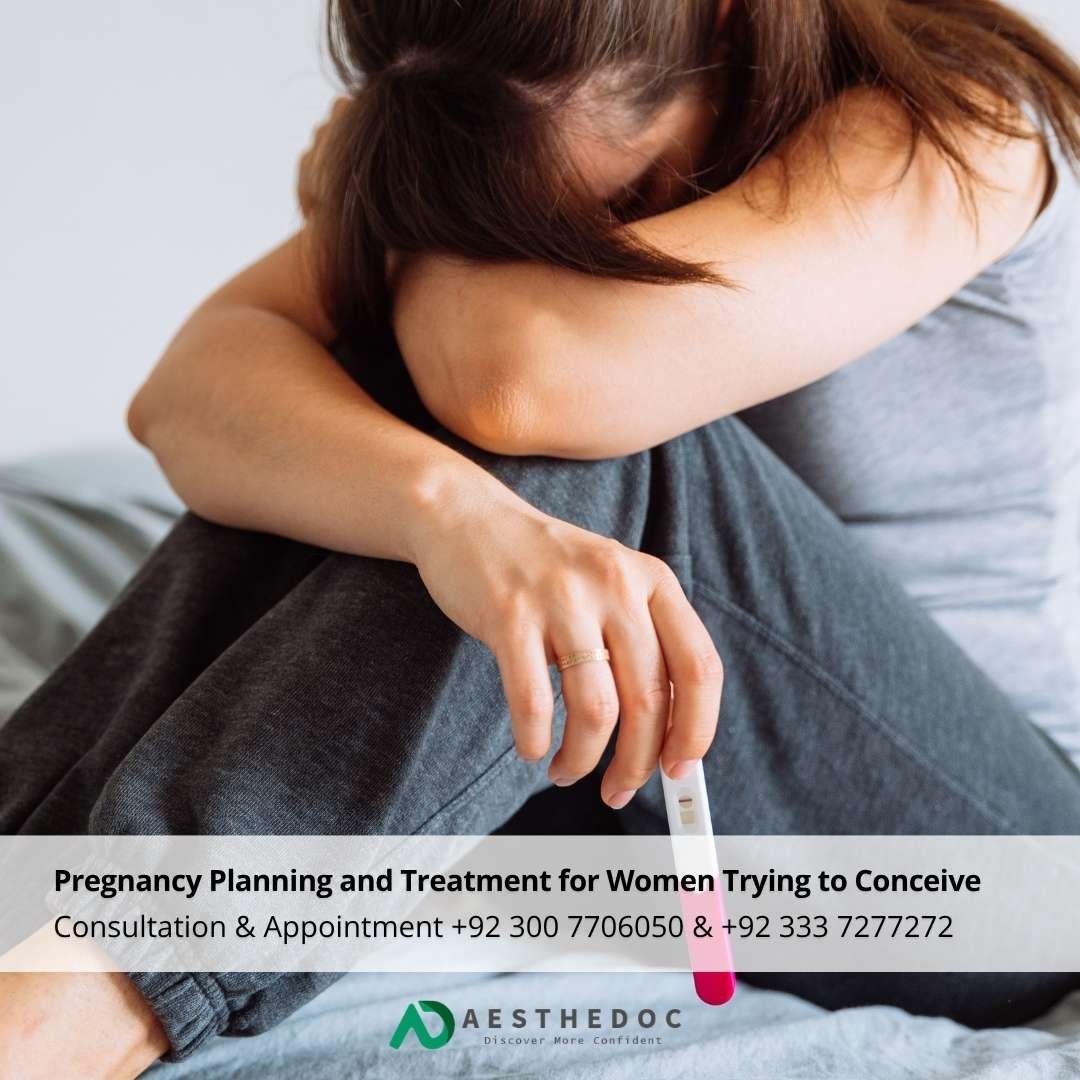
Planning a pregnancy is an important decision for couples who wish to start or expand their families. While some women conceive naturally within a few months of trying, others may experience difficulties due to irregular ovulation, hormonal imbalances, PCOS, thyroid disorders, reproductive health conditions, or other factors affecting fertility.
For women who are keen to conceive, understanding their menstrual cycle, identifying fertile days, maintaining reproductive health, and seeking appropriate medical advice can make the pregnancy-planning journey more informed.
Many couples searching for pregnancy planning and fertility treatment in Lahore want to know how to increase their chances of conception, when to have intercourse, which supplements to take, whether hormonal tests are necessary, and when they should consult a gynecologist.
The first step is understanding that fertility is influenced by several factors. A healthy reproductive system, regular ovulation, functional fallopian tubes, a suitable uterine environment, and healthy sperm all contribute to natural conception.
Some women may need only preconception counselling and guidance, while others may require treatment for PCOS, irregular periods, hormonal problems, endometriosis, ovarian cysts, or other gynecological conditions.
This comprehensive guide explains how to prepare for pregnancy, understand ovulation, identify the fertile window, improve reproductive health, recognise fertility-related problems, and explore available medical treatment options.
Women in Lahore seeking professional gynecological guidance can enquire about consultation arrangements with Dr. Maimunah Faruque, Gyne Endoscopy and Laparoscopic Surgeon and Cosmetic Gynecologist, at Aesthedoc.
What Does It Mean to Be Keen to Conceive?
Being keen to conceive means actively planning pregnancy and taking appropriate steps to improve reproductive health before conception.
For some women, this may involve stopping contraception and beginning natural pregnancy attempts. Others may have irregular menstrual cycles, previous miscarriages, PCOS, or a history of gynecological conditions that require medical evaluation before pregnancy.
Pregnancy planning is not limited to women experiencing infertility. Even women with regular periods and no known reproductive problems can benefit from preconception counselling.
A preconception consultation helps identify health conditions, medication concerns, nutritional requirements, and reproductive factors that may affect pregnancy.
The main objectives include:
- Understanding the menstrual cycle.
- Identifying the fertile window.
- Assessing ovulation where indicated.
- Reviewing reproductive health.
- Managing existing medical conditions.
- Starting appropriate pregnancy supplements.
- Reviewing medications.
- Identifying possible fertility problems.
- Preparing the body for a healthy pregnancy.
The purpose is to improve the opportunity for conception while also preparing for a healthier pregnancy.
How Can I Increase My Chances of Getting Pregnant Naturally?
Natural conception depends on several biological processes working together.
The ovary needs to release an egg, the fallopian tube must allow the egg and sperm to meet, fertilisation must occur, and the resulting embryo must travel to the uterus and implant in the uterine lining.
Couples can take several practical steps when planning pregnancy.
1. Understand Your Menstrual Cycle
The menstrual cycle is the monthly reproductive process through which the ovaries prepare and release an egg.
The first day of menstrual bleeding is considered Day 1 of the cycle.
A menstrual cycle is commonly around 21–35 days in adults, although individual patterns vary.
Understanding your cycle can help estimate when ovulation may occur.
For example:
- A woman with a 28-day cycle may ovulate around Day 14.
- A woman with a 30-day cycle may ovulate around Day 16.
- A woman with a 32-day cycle may ovulate around Day 18.
These are estimates rather than fixed rules. Ovulation timing can vary even in women with generally regular cycles.
2. Identify Your Fertile Window
The fertile window is the period during which sexual intercourse is most likely to result in pregnancy.
It generally includes the five days before ovulation and the day of ovulation, with the highest probability of conception usually occurring in the days immediately before ovulation.
This is because sperm can survive in the female reproductive tract for several days under favourable conditions, while the released egg remains capable of fertilisation for a relatively short period.
Having intercourse every one to two days during the fertile window can help maximise the opportunity for natural conception.
Couples who do not wish to track ovulation precisely can also consider having intercourse every two to three days throughout the menstrual cycle.
3. Track Ovulation
Ovulation tracking can help women understand their reproductive cycle and identify their most fertile days.
Several methods are available.
Menstrual calendar tracking
Recording the first day of each menstrual period can help identify cycle length and possible ovulation patterns.
Ovulation predictor kits
These home testing kits detect a rise in luteinising hormone (LH), which generally occurs before ovulation.
A positive result suggests that ovulation may occur within approximately 24–36 hours, although timing varies.
Cervical mucus observation
Around ovulation, cervical mucus may become clearer, more slippery, and stretchier, sometimes resembling raw egg white.
This change is associated with the fertile phase of the menstrual cycle.
Basal body temperature
Basal body temperature may rise slightly after ovulation due to progesterone production.
Recording temperature over several cycles can help identify patterns, although it generally confirms ovulation retrospectively rather than predicting it accurately.
Ultrasound follicular monitoring
In selected patients, ultrasound monitoring can help assess follicular growth and provide information about the timing of ovulation.
This is particularly useful when evaluating irregular cycles or monitoring medically induced ovulation.
4. Maintain a Healthy Body Weight
Body weight can influence reproductive hormones and ovulation.
Both significantly low body weight and obesity may affect menstrual regularity and reproductive function.
In some women with PCOS, weight management can help improve metabolic health and ovulatory function.
A suitable plan may include:
- Balanced nutrition.
- Regular physical activity.
- Adequate sleep.
- Gradual weight management where needed.
- Assessment of underlying hormonal conditions.
There is no single ideal weight for every woman. A doctor can help assess individual nutritional and reproductive health needs.
5. Follow a Balanced Diet
Good nutrition supports general health and helps prepare the body for pregnancy.
A balanced diet may include:
- Fresh vegetables.
- Seasonal fruits.
- Whole grains.
- Beans and lentils.
- Eggs.
- Dairy products where suitable.
- Fish with appropriate low-mercury choices.
- Nuts and seeds.
- Healthy sources of protein.
Women planning pregnancy should discuss their nutritional requirements and supplementation with a healthcare professional.
A healthy diet supports reproductive wellbeing but cannot independently correct conditions such as blocked fallopian tubes, severe ovulation disorders, or significant male-factor infertility.
6. Take Folic Acid Before Pregnancy
Folic acid is an important vitamin that supports early fetal development.
It helps reduce the risk of neural tube defects, which affect the developing brain and spinal cord.
Women planning pregnancy are generally advised to take 400 micrograms (mcg) of folic acid daily, starting at least one month before conception and continuing during early pregnancy.
Some women require a higher dose because of specific medical or pregnancy-related risk factors.
Examples may include a previous pregnancy affected by a neural tube defect or certain medical conditions and medications.
Higher-dose folic acid should only be taken under medical advice.
7. Avoid Smoking and Harmful Substances
Smoking can negatively affect reproductive health in both women and men.
Women planning pregnancy should avoid smoking and seek support if they need help stopping.
It is also advisable to avoid alcohol when trying to conceive because pregnancy may begin before it is recognised.
Recreational drugs and certain substances may affect fertility and fetal development.
Couples should discuss occupational or environmental exposures with their healthcare professional if they have concerns.
8. Manage Stress and Maintain Healthy Sleep
Pregnancy planning can sometimes become emotionally stressful, particularly when conception takes longer than expected.
Adequate sleep, regular activity, relaxation, and emotional support can improve general wellbeing.
Stress should not automatically be considered the cause of infertility. Women experiencing difficulty conceiving should receive appropriate medical assessment rather than being advised simply to relax.
What Is the Best Age to Plan a Pregnancy?
Female age is an important factor in reproductive health.
Women are born with a finite supply of eggs, and both egg quantity and quality generally decline as age increases.
The decline becomes more significant during the later reproductive years.
Age may influence:
- Natural conception.
- Ovarian reserve.
- Egg quality.
- Miscarriage risk.
- Chromosomal abnormalities.
- Response to fertility treatment.
- Pregnancy complications.
Women who are planning their first pregnancy later in life may benefit from preconception counselling.
Women aged 35 or above should consider fertility assessment after six months of trying without pregnancy, while women above 40 may benefit from earlier evaluation.
However, age alone does not determine whether pregnancy is possible.
How Does Ovulation Affect Pregnancy?
Ovulation is one of the most important processes involved in natural conception.
During each ovulatory menstrual cycle, a mature follicle in the ovary releases an egg.
The egg enters the fallopian tube, where fertilisation may occur if sperm are present.
After fertilisation, the developing embryo travels towards the uterus and may implant in the uterine lining.
If ovulation does not occur regularly, the opportunity for natural conception may be reduced.
Signs That May Suggest Ovulation
Some women notice physical changes around the time of ovulation.
These may include:
- Clear, slippery cervical mucus.
- Mild lower abdominal discomfort.
- Changes in sexual desire.
- A positive ovulation predictor test.
- A slight rise in basal body temperature after ovulation.
Not every woman experiences noticeable ovulation symptoms.
Women with irregular periods or absent menstruation should consider medical assessment rather than relying only on home ovulation tracking.
What Conditions Can Make It Difficult to Conceive?
Women planning pregnancy may have underlying reproductive health conditions that affect conception.
Identifying these conditions early can help determine whether treatment is needed.
1. Polycystic Ovary Syndrome (PCOS)
PCOS is a common hormonal disorder that may interfere with normal ovulation.
Women with PCOS may experience:
- Irregular menstrual cycles.
- Infrequent ovulation.
- Acne.
- Excess facial hair.
- Weight-management difficulties.
- Polycystic ovarian appearance on ultrasound.
Some women with PCOS conceive naturally, while others require medical assistance.
When PCOS-related anovulation is the cause of infertility and no other major fertility factors are present, ovulation-induction treatment may be recommended.
Letrozole is commonly used as a first-line ovulation-induction medication in appropriate patients with PCOS-related anovulatory infertility.
The choice of treatment requires medical assessment and, where indicated, monitoring.
2. Irregular Menstrual Periods
Irregular periods may indicate that ovulation is not occurring consistently.
Possible causes include:
- PCOS.
- Thyroid disorders.
- Elevated prolactin.
- Significant weight changes.
- Excessive exercise.
- Certain hormonal disorders.
A doctor may recommend hormonal testing, pelvic ultrasound, or other investigations based on the patient’s symptoms.
3. Thyroid Disorders
The thyroid gland produces hormones that influence several body functions, including reproductive health.
Hypothyroidism and hyperthyroidism may affect menstrual cycles and ovulation.
Women planning pregnancy who have a known thyroid condition should have their thyroid function reviewed before conception.
Medication may need adjustment under medical supervision.
4. Endometriosis
Endometriosis occurs when tissue similar to the lining of the uterus grows outside the uterus.
It can involve the ovaries, fallopian tubes, pelvic lining, and surrounding tissues.
Symptoms may include:
- Painful periods.
- Pelvic pain.
- Pain during sexual intercourse.
- Pain during bowel movements.
- Difficulty conceiving.
Not every woman with endometriosis experiences infertility.
Treatment depends on disease severity, symptoms, age, ovarian reserve, and pregnancy goals.
Selected patients may benefit from laparoscopic assessment or surgery, while others may require referral for fertility treatment.
5. Uterine Fibroids
Fibroids are non-cancerous growths that develop in the muscular wall of the uterus.
Some fibroids may affect conception, particularly when they distort the uterine cavity.
The doctor may recommend pelvic ultrasound to assess their size, number, and location.
Treatment may involve observation, medication for associated symptoms, or selected surgical procedures such as myomectomy.
Not every woman with fibroids requires surgery before pregnancy.
6. Ovarian Cysts
Ovarian cysts are fluid-filled or other types of sacs that develop in or on the ovaries.
Many ovarian cysts are functional and resolve without treatment.
However, some cysts, particularly certain endometriomas or other persistent ovarian masses, may require additional evaluation.
The effect on fertility depends on the type of cyst, ovarian involvement, and whether surgery is necessary.
7. Blocked Fallopian Tubes
The fallopian tubes are essential for natural conception because they provide the usual location for fertilisation.
Previous pelvic infections, endometriosis, ectopic pregnancy, and surgery may sometimes cause tubal blockage or damage.
Women with suspected tubal disease may require a hysterosalpingography (HSG) or another appropriate investigation.
Treatment depends on the severity and location of the problem.
8. Elevated Prolactin
High prolactin levels can interfere with the hormones responsible for ovulation.
Women may experience irregular periods, absent menstruation, or unexpected breast milk discharge.
A blood test can help identify elevated prolactin, while further investigation may be needed to determine the underlying cause.
9. Premature Ovarian Insufficiency
Premature ovarian insufficiency occurs when the ovaries lose normal function before the age of 40.
It may cause irregular periods, reduced ovarian function, and difficulty conceiving.
Women with suspected premature ovarian insufficiency require specialist evaluation and counselling about reproductive options.
What Medical Tests Are Recommended Before Planning Pregnancy?
Not every woman requires a large number of investigations before trying to conceive.
Testing should be based on age, medical history, menstrual regularity, previous pregnancies, symptoms, and known reproductive conditions.
A preconception consultation may involve the following assessments.
1. General Health Assessment
The doctor may review:
- Medical history.
- Previous pregnancies.
- Previous C-sections.
- History of miscarriage.
- Existing medical conditions.
- Medication use.
- Family history.
- Menstrual cycle patterns.
Blood pressure, weight, and other clinical measurements may also be assessed.
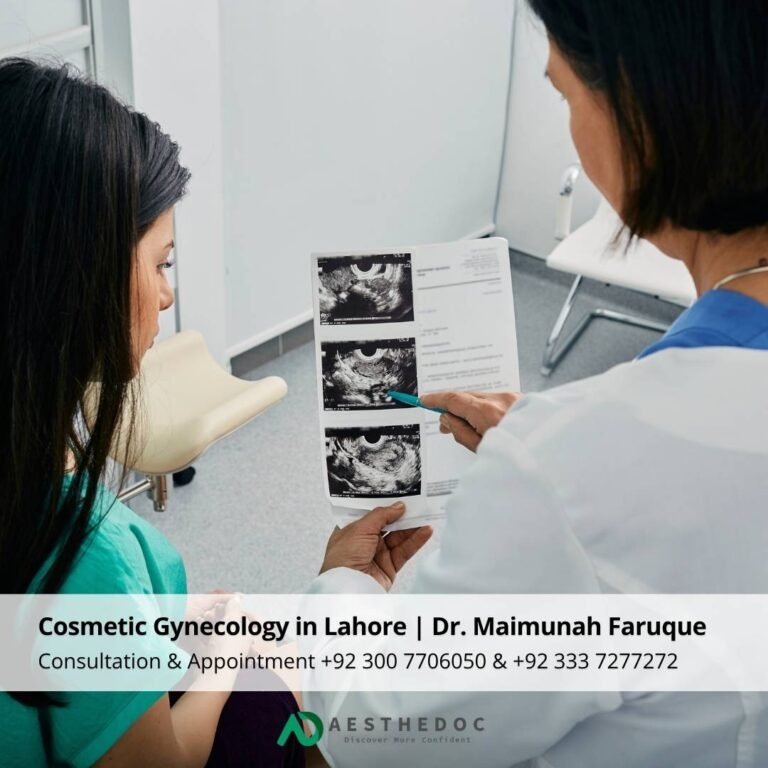
2. Pelvic Ultrasound
A pelvic ultrasound helps assess the uterus and ovaries.
It may identify:
- Uterine fibroids.
- Ovarian cysts.
- Polycystic ovarian appearance.
- Certain uterine abnormalities.
- Endometrial thickness.
- Other pelvic conditions.
The type of ultrasound depends on the patient’s clinical situation.
3. Hormonal Tests
Depending on the symptoms, the doctor may recommend:
| Test | Purpose |
|---|---|
| TSH | Evaluates thyroid function |
| Prolactin | Assesses elevated prolactin levels |
| FSH | Helps assess ovarian and pituitary function |
| LH | Provides information about reproductive hormone patterns |
| Estradiol | Helps evaluate ovarian hormone activity |
| AMH | Helps assess ovarian reserve |
| Progesterone | May help confirm whether ovulation occurred |
These tests are not universally required.
For example, AMH does not independently determine the possibility of natural conception, and hormonal results must be interpreted alongside the clinical history.
4. Blood Glucose Assessment
Women with diabetes, PCOS, obesity, or other relevant risk factors may need glucose assessment before pregnancy.
Good diabetes control before conception is important because high blood glucose around early pregnancy can increase the risk of complications.
5. Complete Blood Count
A complete blood count can help identify anaemia and other blood-related abnormalities.
Women with heavy menstrual bleeding or a history of iron deficiency may particularly benefit from assessment.
6. Infection and Immunisation Review
Depending on medical history and local recommendations, the doctor may assess:
- Rubella immunity.
- Varicella immunity.
- Hepatitis B vaccination status.
- Sexually transmitted infection risk.
- Cervical screening status.
Certain live vaccines, such as MMR and varicella, should be administered before pregnancy when indicated, with appropriate advice about how long to wait before attempting conception.
7. Semen Analysis
If a couple has experienced difficulty conceiving, male fertility assessment is important.
Semen analysis evaluates sperm concentration, movement, morphology, and other parameters.
It may be recommended earlier if the male partner has a known reproductive health problem.
Pregnancy Planning for Women With PCOS
Women with PCOS may require additional support when planning pregnancy because the condition can interfere with ovulation.
The first step is confirming the diagnosis and assessing other potential factors that may affect conception.
A suitable management plan may include:
- Menstrual cycle assessment.
- Evaluation of metabolic health.
- Assessment of blood glucose where indicated.
- Thyroid and prolactin testing when appropriate.
- Nutritional and lifestyle guidance.
- Ovulation monitoring.
- Ovulation-induction medication if required.
Some women with PCOS may ovulate regularly and conceive without medication.
Others may benefit from treatment to stimulate ovulation.
The objective is to improve reproductive health and support safe conception rather than simply induce ovulation without assessing other fertility factors.
Pregnancy Planning After a Previous C-Section
Women who have previously delivered through Caesarean section may need additional counselling before planning another pregnancy.
The doctor may review:
- The date of the previous C-section.
- The number of previous Caesarean deliveries.
- The type of uterine incision.
- Previous surgical complications.
- Recovery history.
- Current reproductive health.
- Existing medical conditions.
The interval between pregnancies is also important.
Very short intervals between pregnancies may be associated with increased maternal and obstetric risks.
The appropriate timing for another pregnancy depends on the woman’s age, health, previous delivery history, and individual circumstances.
Women considering vaginal birth after Caesarean (VBAC) should also discuss their delivery options during pregnancy planning.
How Can Women With Previous Miscarriages Plan Another Pregnancy?
Experiencing a miscarriage can be emotionally difficult, particularly for women who are keen to conceive again.
A single early miscarriage is relatively common and does not automatically indicate a permanent fertility problem.
However, women with repeated pregnancy losses may benefit from further investigation.
Depending on their history, assessment may include:
- Review of previous pregnancy records.
- Uterine structural evaluation.
- Thyroid testing.
- Diabetes assessment.
- Antiphospholipid antibody testing when indicated.
- Genetic assessment in selected cases.
The investigations should be tailored to the number, timing, and circumstances of previous pregnancy losses.
The doctor can also advise when it is medically appropriate to attempt another pregnancy.
Can Medication Help Women Trying to Conceive?
Yes. Medication can help selected women who have difficulty conceiving because of hormonal or ovulation-related problems.
The treatment depends on the diagnosis.
1. Letrozole
Letrozole is commonly used for ovulation induction in women with PCOS-related anovulatory infertility.
It works by temporarily reducing oestrogen production, which can stimulate hormonal signals involved in follicular development.
Treatment requires medical supervision.
2. Clomiphene Citrate
Clomiphene citrate is another medication used to stimulate ovulation in selected women.
It may be considered depending on the patient’s condition and treatment history.
3. Metformin
Metformin may be recommended for certain women with PCOS, particularly when metabolic factors or insulin resistance are present.
It is not a universal fertility medication and is not appropriate for every woman with PCOS.
4. Treatment of Thyroid Disorders
Women with hypothyroidism may require thyroid hormone replacement, while women with hyperthyroidism need appropriate treatment before or during pregnancy.
The medication plan should be reviewed before conception.
5. Treatment of Elevated Prolactin
If elevated prolactin is affecting ovulation, treatment may be recommended after identifying the underlying cause.
The choice of medication depends on the diagnosis.
Important: Women should not self-prescribe fertility medication. Ovulation-induction drugs can cause ovarian complications and multiple pregnancy, and their use may require ultrasound monitoring.
Does Intercourse Timing Really Matter When Trying to Conceive?
Yes. Intercourse timing can influence the chances of natural conception.
Pregnancy is most likely when intercourse takes place during the fertile window.
For couples trying naturally, intercourse every one to two days during this period is a practical approach.
However, couples do not need to make the process unnecessarily stressful by attempting to identify one exact day.
Having intercourse every two to three days throughout the cycle is another reasonable approach for couples who prefer not to track ovulation.
If periods are highly irregular, a gynecological consultation can help identify whether ovulation is occurring consistently.
How Long Does It Take to Get Pregnant?
The time required to achieve pregnancy varies between couples.
It depends on:
- Female age.
- Ovulation.
- Sperm health.
- Fallopian tube function.
- Uterine health.
- Frequency and timing of intercourse.
- Existing medical conditions.
Some couples conceive within the first few months of trying, while others may require more time.
Failure to conceive immediately does not automatically mean infertility.
However, couples should follow the recommended timeframes for fertility evaluation rather than waiting indefinitely.
What Should You Avoid When Planning Pregnancy?
Women trying to conceive should review their lifestyle, medicines, supplements, and possible health risks.
Consider avoiding:
1. Smoking: Smoking can negatively affect reproductive health and pregnancy outcomes.
2. Alcohol: Avoid alcohol when planning pregnancy because conception may occur before pregnancy is recognised.
3. Unprescribed hormonal medication: Fertility drugs should only be used following appropriate medical assessment.
4. Unverified fertility supplements: Some products marketed for pregnancy may have limited evidence or interact with prescribed medication.
5. Excessive caffeine: Moderate caffeine intake is generally preferred when planning pregnancy. Discuss individual recommendations with your doctor.
6. Extreme dieting: Severe calorie restriction or excessive exercise may interfere with normal menstrual function.
7. Self-adjusting prescription medicines: Do not stop or change prescribed medication without discussing pregnancy safety with the prescribing doctor.
8. Delaying evaluation despite warning signs: Women with absent periods, known endometriosis, previous pelvic infections, or other fertility risk factors should seek timely assessment.
How Does a Gynecologist Help Women Who Want to Conceive?
A gynecologist plays an important role in evaluating reproductive health and helping women prepare for pregnancy.
A consultation can help identify problems that may interfere with conception and determine whether further fertility treatment is necessary.
The doctor’s responsibilities may include:
- Reviewing menstrual cycle patterns.
- Assessing ovulation.
- Evaluating PCOS.
- Investigating irregular menstruation.
- Assessing ovarian cysts.
- Evaluating fibroids.
- Identifying possible endometriosis.
- Reviewing previous pregnancy complications.
- Recommending appropriate investigations.
- Managing suitable gynecological conditions.
- Referring patients for advanced fertility treatment when required.
Women with complicated reproductive problems may require a reproductive endocrinologist or dedicated fertility specialist.
Male-factor concerns may require referral to a urologist or male fertility specialist.
Pregnancy Planning in Lahore: When Should You Seek Professional Guidance?
Women searching for pregnancy planning and fertility consultation in Lahore may benefit from a medical appointment even before they begin trying to conceive.
Preconception care is particularly useful for women with:
- Irregular menstrual periods.
- PCOS.
- Thyroid disorders.
- Diabetes.
- Endometriosis.
- Previous miscarriages.
- Previous ectopic pregnancy.
- Previous pelvic surgery.
- Known ovarian cysts.
- Uterine fibroids.
- Previous fertility treatment.
- A history of difficult pregnancies.
- Age-related fertility concerns.
Women who have been trying for 12 months without success, or six months if aged 35 or older, should generally seek fertility assessment. Earlier assessment may be appropriate when known risk factors exist.
A professional consultation can help establish whether natural conception attempts are reasonable or whether further investigations and treatment are needed.
Frequently Asked Questions About Pregnancy Planning and Conceiving
1. How can I get pregnant quickly?
Understanding your menstrual cycle, having intercourse every one to two days during the fertile window, maintaining general health, and taking recommended folic acid can support pregnancy planning. If you have known reproductive problems, seek medical advice early.
2. Which days are best for getting pregnant?
The fertile window generally includes the five days before ovulation and the day of ovulation. Intercourse every one to two days during this period provides a good opportunity for natural conception.
3. How do I know if I am ovulating?
Signs may include clear and stretchy cervical mucus, a positive ovulation predictor test, and a slight temperature rise after ovulation. Ultrasound follicular monitoring can provide additional information when needed.
4. Can I get pregnant with irregular periods?
Yes, pregnancy is possible with irregular periods. However, irregular cycles may indicate inconsistent ovulation, so medical assessment may be helpful.
5. Does PCOS prevent pregnancy?
No. Many women with PCOS conceive naturally or with medical assistance. Treatment may include lifestyle management and ovulation-induction medication when appropriate.
6. Which vitamin should I take when planning pregnancy?
Women planning pregnancy are generally advised to take 400 micrograms of folic acid daily, starting at least one month before conception. Some women need a higher dose under medical supervision.
7. Can I take fertility medicine without seeing a doctor?
No. Fertility medication can cause side effects, ovarian overstimulation, and multiple pregnancy. A doctor should assess the underlying problem before prescribing treatment.
8. Is ultrasound necessary before pregnancy?
Not every woman needs an ultrasound before pregnancy. It may be recommended when there are irregular periods, pelvic pain, suspected PCOS, ovarian cysts, fibroids, or other relevant medical concerns.
9. Can thyroid problems affect pregnancy?
Yes. Uncontrolled thyroid disorders can affect menstrual function, fertility, and pregnancy outcomes. Women with known thyroid disease should have their treatment reviewed before conception.
10. Can I conceive after age 35?
Yes. Many women conceive after 35. However, fertility generally declines with age, so earlier evaluation is recommended if pregnancy does not occur after six months of trying.
11. Does having intercourse every day increase pregnancy chances?
Daily intercourse is not necessary. Having intercourse every one to two days during the fertile window is generally sufficient. Regular intercourse every two to three days throughout the cycle is another reasonable approach.
12. Can stress stop me from getting pregnant?
Stress may affect general wellbeing and sometimes menstrual function, but it should not automatically be considered the cause of difficulty conceiving. Medical evaluation is important when pregnancy is delayed.
13. Can a woman with ovarian cysts get pregnant?
Many women with ovarian cysts conceive naturally. The effect depends on the type, size, and underlying cause of the cyst. Some cysts require monitoring or treatment.
14. Should my husband also undergo fertility testing?
If pregnancy is delayed, both partners should be evaluated. Semen analysis is an important initial investigation for male fertility.
15. When should I visit a gynecologist if I want to conceive?
You can arrange a preconception consultation before trying to conceive, particularly if you have a medical condition or previous pregnancy complications. Women with known fertility problems should seek assessment early.
16. Can I get pregnant naturally without fertility treatment?
Yes. Many couples conceive naturally. Medical treatment is only required when an underlying condition or fertility problem needs intervention.
17. What is the difference between pregnancy planning and infertility treatment?
Pregnancy planning focuses on preparing for conception, improving health, understanding ovulation, and identifying potential risks. Infertility treatment involves investigating and managing difficulties achieving pregnancy after an appropriate period of trying or when known fertility problems are present.
18. Where can I get pregnancy planning consultation in Lahore?
Patients can contact Aesthedoc to enquire about consultation arrangements with Dr. Maimunah Faruque and confirm availability for Lahore patients. Women who need advanced fertility treatment may require additional assessment or referral to a dedicated reproductive medicine centre.
Final Thoughts: Prepare Your Body and Health Before Pregnancy
Planning pregnancy involves more than simply stopping contraception. Understanding your menstrual cycle, identifying ovulation, maintaining a healthy lifestyle, taking recommended supplements, and managing existing medical conditions can help prepare your body for conception.
Some women may conceive naturally without any medical intervention, while others may need treatment for PCOS, irregular ovulation, thyroid disorders, endometriosis, fibroids, or other reproductive health problems.
If you are keen to conceive but have concerns about your menstrual cycle, reproductive health, or previous pregnancy history, an early gynecological consultation can help clarify the next steps.
The objective is to identify possible problems, provide appropriate medical guidance, and support couples in making informed decisions about pregnancy.
Consult Dr. Maimunah Faruque at Aesthedoc
Dr. Maimunah Faruque
Gyne Endoscopy and Laparoscopic Surgeon
Cosmetic Gynecologist
Qualifications:
- MBBS
- FCPS
- F.MAS
Dr. Maimunah Faruque is associated with women’s healthcare, gynecology, and laparoscopic surgical care.
Women planning pregnancy or experiencing concerns related to menstrual irregularities, PCOS, ovarian cysts, endometriosis, fibroids, and other gynecological conditions can enquire about a consultation to discuss their medical history and appropriate investigations.
Depending on individual findings, patients may require ovulation assessment, hormonal investigations, male-partner fertility testing, or referral to a dedicated fertility specialist.
Book a Consultation with Aesthedoc
If you are planning a pregnancy, trying to conceive, or experiencing irregular periods and other reproductive health concerns, professional medical guidance can help you understand your fertility and prepare for the next stage.
Aesthedoc – Women’s Healthcare and Gynecology Consultation
Phone: 03337277272
Phone: 03007706050
Email: info@aesthedoc.com
Contact Aesthedoc to enquire about an appointment with Dr. Maimunah Faruque and consultation arrangements for patients from Lahore.
Medical Disclaimer: This article is intended for educational purposes only and does not replace an individual medical examination, diagnosis, or treatment plan. Pregnancy planning and fertility treatment should be guided by qualified healthcare professionals according to the patient’s medical history and reproductive health.