
You are here:
- Home
- Chemical Peels
- Azelaic Acid
SKU:
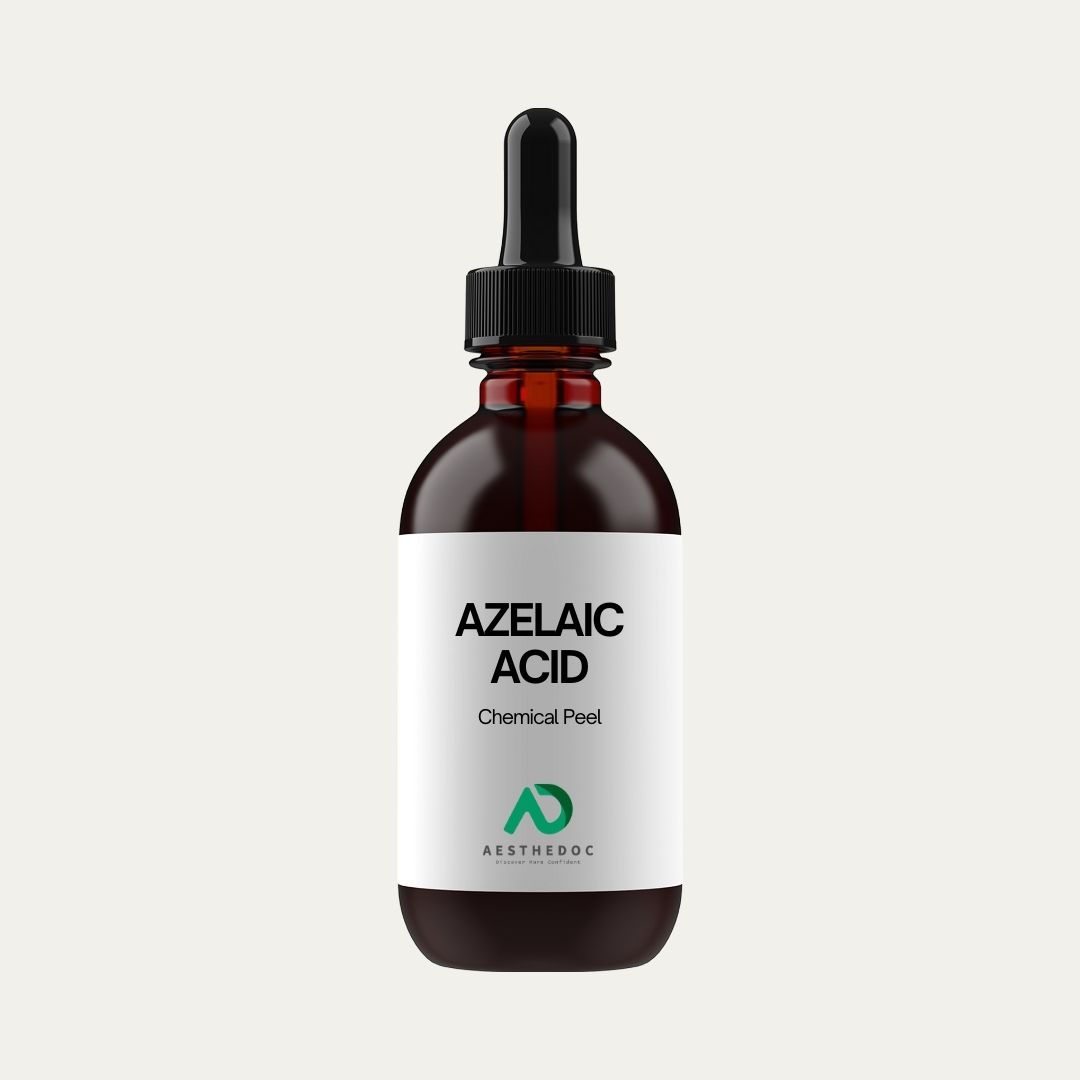
Azelaic Acid
₨15,000
Skin concerns such as acne, pigmentation, redness, rosacea, uneven tone, and sensitive skin reactions are extremely common in Pakistan due to environmental pollution, harsh sun exposure, hormonal imbalance, and improper skincare routines. While many active ingredients promise results, very few are universally safe, clinically proven, and suitable for all skin types, including sensitive and acne-prone skin.
One such gold-standard dermatological ingredient is Azelaic Acid.
Azelaic Acid has been prescribed by dermatologists globally for decades and is widely respected for its multi-functional benefits. Unlike aggressive acids that exfoliate harshly, Azelaic Acid works gently yet effectively, making it ideal for Pakistani skin tones (Fitzpatrick III–V).
Today, Azelaic Acid is a cornerstone treatment in medical dermatology and aesthetic clinics, especially for patients dealing with acne, rosacea, melasma, post-acne marks, and chronic skin sensitivity.
This comprehensive guide explains everything about Azelaic Acid, how it works, its benefits, treatment options, safety profile, and why Aesthedoc Clinic Islamabad & Rawalpindi is the trusted choice for professional Azelaic Acid treatments in Pakistan.
What Is Azelaic Acid?
Azelaic Acid is a naturally occurring dicarboxylic acid, originally derived from grains such as wheat, barley, and rye. In dermatology, it is formulated in medical-grade concentrations to treat multiple skin conditions safely and effectively.
Azelaic Acid is unique because it offers:
-
Anti-acne properties
-
Anti-inflammatory effects
-
Antibacterial action
-
Pigmentation control
-
Skin tone correction
It is approved by international dermatological authorities and is considered safe for long-term use under medical guidance.
How Azelaic Acid Works on the Skin (Scientific Explanation)
Azelaic Acid targets several skin pathways simultaneously, which is why it is so versatile.
1. Antibacterial Action
Azelaic Acid eliminates acne-causing bacteria (Cutibacterium acnes) without causing bacterial resistance, unlike antibiotics.
2. Normalization of Keratinization
It prevents blocked pores by regulating skin cell turnover, reducing:
-
Whiteheads
-
Blackheads
-
Congested pores
3. Anti-Inflammatory Effect
Azelaic Acid calms inflammation, making it ideal for:
-
Red acne
-
Rosacea
-
Sensitive skin
-
Post-procedure irritation
4. Melanin Regulation
It selectively inhibits tyrosinase, the enzyme responsible for excess melanin production, helping to fade:
-
Dark spots
-
Post-acne marks
-
Melasma
Importantly, it does not bleach normal skin, making it safer for darker skin tones.
Why Azelaic Acid Is Perfect for Pakistani Skin Types
Pakistani skin is often:
-
Acne-prone
-
Pigmentation-sensitive
-
Reactive to harsh treatments
Azelaic Acid stands out because it:
-
Is non-photosensitizing
-
Does not cause rebound pigmentation
-
Is safe for brown and wheatish skin tones
-
Can be used year-round
This makes it an excellent choice for patients in Islamabad, Rawalpindi, Lahore, Karachi, and other high-pollution cities.
Skin Conditions Treated With Azelaic Acid
1. Acne Vulgaris
Azelaic Acid treats acne by:
-
Killing acne-causing bacteria
-
Reducing redness and swelling
-
Preventing clogged pores
It is effective for:
-
Mild to moderate acne
-
Hormonal acne
-
Adult acne
2. Post-Acne Marks (PIH)
Unlike harsh exfoliants, Azelaic Acid fades acne marks gently while repairing the skin barrier.
3. Rosacea
Azelaic Acid is one of the few dermatologist-approved treatments for rosacea, helping to reduce:
-
Redness
-
Bumps
-
Skin sensitivity
4. Melasma & Hyperpigmentation
Azelaic Acid is often prescribed for:
-
Facial melasma
-
Patchy pigmentation
-
Uneven skin tone
It works gradually, making it safer for long-term use.
5. Sensitive & Reactive Skin
Patients who cannot tolerate retinoids or strong acids often benefit from Azelaic Acid.
Forms of Azelaic Acid Used in Dermatology
1. Topical Azelaic Acid Creams & Gels
Available in:
-
10% (cosmeceutical)
-
15%–20% (medical prescription)
Used for daily treatment and maintenance.
2. Azelaic Acid in Chemical Peels
Used in controlled clinical settings to enhance:
-
Skin clarity
-
Pigmentation correction
-
Acne control
3. Combination Therapies
Azelaic Acid is often combined with:
-
Niacinamide
-
Salicylic acid
-
Tranexamic acid
-
Microneedling
For enhanced results under dermatologist supervision.
Professional Azelaic Acid Treatments at Aesthedoc Clinic
At Aesthedoc Clinic Islamabad & Rawalpindi, Azelaic Acid is used as part of customized medical skincare protocols, not generic routines.
Available Treatment Options:
-
Prescription-strength Azelaic Acid therapy
-
Acne & pigmentation treatment plans
-
Azelaic-based chemical peels
-
Combination treatments with lasers or microneedling
-
Post-procedure calming protocols
Each patient receives a personalized skin analysis before treatment.
Benefits of Azelaic Acid Treatment
-
Treats acne and pigmentation together
-
Safe for sensitive skin
-
Non-comedogenic
-
No skin bleaching
-
Minimal irritation when used correctly
-
Suitable for long-term use
-
Improves overall skin texture and clarity
Azelaic Acid vs Other Common Skin Treatments
| Treatment | Acne | Pigmentation | Sensitivity |
|---|---|---|---|
| Retinoids | High | Medium | Low |
| Salicylic Acid | High | Low | Medium |
| Hydroquinone | No | High | Low |
| Vitamin C | Low | Medium | Medium |
| Azelaic Acid | High | High | High |
Azelaic Acid offers a balanced, all-in-one solution.
Who Is an Ideal Candidate for Azelaic Acid?
You are an ideal candidate if you have:
-
Acne with marks
-
Redness or rosacea
-
Uneven skin tone
-
Sensitive skin
-
Pigmentation issues
It is safe for:
-
Teenagers
-
Adults
-
Men and women
Consultation is essential for proper concentration selection.
Expected Results & Treatment Timeline
-
2–3 weeks: Reduced redness and active acne
-
4–6 weeks: Visible improvement in marks and tone
-
8–12 weeks: Clearer, calmer, healthier skin
Consistency and sun protection enhance results.
Safety Profile & Side Effects
Azelaic Acid is one of the safest dermatological actives.
Possible mild effects:
-
Temporary tingling
-
Slight redness initially
Serious side effects are rare when used correctly.
At Aesthedoc Clinic, all treatments are supervised by qualified professionals.
Importance of Sun Protection During Azelaic Acid Use
Although Azelaic Acid is not photosensitizing, sunscreen is essential to:
-
Prevent pigmentation
-
Protect healing skin
-
Maintain long-term results
Broad-spectrum SPF is strongly recommended.
Why Choose Aesthedoc Clinic Islamabad & Rawalpindi?
-
Dermatologist-approved protocols
-
Evidence-based treatments
-
Advanced aesthetic equipment
-
Customized skincare plans
-
Ethical and patient-focused care
Aesthedoc Clinic focuses on skin health, not shortcuts.
Azelaic Acid Treatment Cost in Pakistan (Estimated)
Costs depend on:
-
Treatment type
-
Product strength
-
Combination therapies
Estimated Range:
PKR 8,000 – PKR 35,000
Exact pricing is discussed after consultation.
Frequently Asked Questions (FAQs)
Can Azelaic Acid be used daily?
Yes, as advised by a dermatologist.
Is Azelaic Acid safe during pregnancy?
Topical Azelaic Acid is generally considered safe—consult your doctor.
Does it lighten skin color?
No, it only corrects uneven pigmentation.
Can men use Azelaic Acid?
Yes, it is equally effective for men.
Why Azelaic Acid Is a Dermatologist’s Favorite in Pakistan
Azelaic Acid is a multi-purpose, science-backed skincare solution that treats acne, pigmentation, redness, and sensitivity without compromising skin health. Its gentle yet effective nature makes it ideal for Pakistani skin and long-term use.
For safe, professional Azelaic Acid treatments and personalized skincare solutions, visit Aesthedoc Clinic Islamabad & Rawalpindi.
📞 Book your consultation today and start your journey toward clear, calm, and naturally radiant skin under expert dermatological care.
Products you may like
Be the first to review “Azelaic Acid” Cancel reply
Reviews
There are no reviews yet.