
- Home
- Aesthetic Machines
- DLAB Centrifuge
SKU:
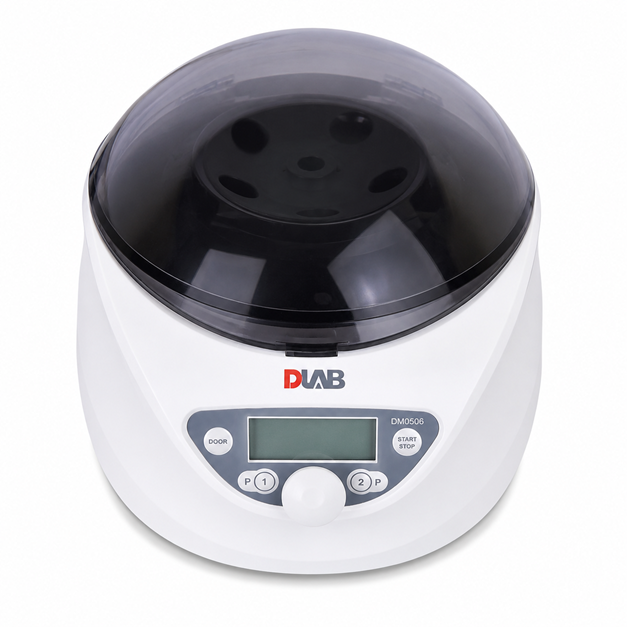
DLAB Centrifuge
A DLAB Centrifuge in Pakistan is a laboratory centrifugation device designed to separate components of liquid samples through controlled centrifugal force. DLAB manufactures laboratory equipment used in research, clinical, medical, pharmaceutical, biotechnology, and other laboratory environments.
For clinics, laboratories, aesthetic practices, research facilities, and medical professionals looking for a DLAB centrifuge machine for sale in Pakistan, choosing the correct model requires attention to speed, rotor capacity, maximum RCF, tube compatibility, operating controls, safety features, and intended application.
Aesthedoc provides professional medical, laboratory, and aesthetic equipment for clinics and healthcare professionals across Pakistan.
Aesthedoc Online Shop: aesthedoc.com/shop
Direct Order / WhatsApp: 0333 7277272
What Is a DLAB Centrifuge?
A DLAB Centrifuge is laboratory equipment used to separate substances within a sample by spinning it at controlled speeds.
When a sample is placed into a centrifuge rotor and rotated at high speed, components with different densities move differently within the tube. This allows the operator to separate or concentrate particular components of the sample.
DLAB offers different centrifuge configurations, ranging from compact laboratory centrifuges to models designed for higher-capacity applications.
The appropriate centrifuge depends on the type of sample, tube size, required speed, rotor configuration, and laboratory workflow.
How Does a Centrifuge Work?
A centrifuge uses rotational motion to generate centrifugal force.
A typical centrifugation process involves:
- Preparing the sample.
- Placing samples into compatible centrifuge tubes.
- Balancing the tubes appropriately.
- Loading the rotor.
- Selecting the required speed and time.
- Starting the centrifugation cycle.
- Allowing the rotor to reach the programmed operating speed.
- Allowing the cycle to complete.
- Removing the samples after the rotor has stopped.
The exact operating procedure depends on the DLAB centrifuge model and the application.
Proper balancing is particularly important for safe and stable centrifuge operation.
What Is a DLAB Centrifuge Used For?
A DLAB centrifuge machine can be used in a variety of laboratory applications, including sample separation and preparation.
Depending on the model, centrifuges may be used for:
- Blood sample processing
- Serum separation
- Plasma preparation
- Laboratory sample preparation
- Research applications
- Biotechnology workflows
- Pharmaceutical laboratory work
- Clinical laboratory procedures
- Molecular biology workflows
- Cell-related laboratory applications
- General sample processing
The exact applications depend on the centrifuge model, rotor, tubes, and laboratory protocol.
DLAB Centrifuge for Medical Laboratories
Medical laboratories frequently require reliable centrifugation equipment for sample preparation.
A DLAB centrifuge can be incorporated into workflows involving blood and other biological samples when the selected model and rotor are appropriate for the application.
Before purchasing, laboratories should determine:
- Required RPM
- Required RCF
- Tube capacity
- Tube dimensions
- Rotor type
- Required operating time
- Temperature requirements
- Sample volume
- Laboratory workload
Selecting the correct specifications helps ensure the equipment fits the intended workflow.
DLAB Centrifuge for Aesthetic Clinics
Centrifuges can also have applications in professional aesthetic and regenerative medicine environments where biological samples are processed according to appropriate clinical protocols.
For clinics considering a centrifuge for aesthetic procedures, it is important to select equipment according to the specific procedure, sample type, required separation characteristics, and professional protocol.
The centrifuge should not be selected solely on maximum RPM. Rotor design, RCF, capacity, tube compatibility, and controlled operation can all be important.
Key Features of a DLAB Centrifuge
When searching for a DLAB centrifuge in Pakistan, consider the following specifications.
1. Adjustable Speed
Different applications may require different centrifugation speeds.
A centrifuge with adjustable speed allows the operator to select an appropriate operating setting.
2. Maximum RPM
RPM refers to revolutions per minute.
It indicates how quickly the rotor spins, but RPM alone does not fully describe the centrifugal force applied to a sample.
3. Maximum RCF
RCF, or relative centrifugal force, is another important specification.
Two centrifuges operating at the same RPM can produce different RCF values depending on rotor radius.
For laboratory applications, RCF can therefore be more useful than RPM alone when comparing centrifugation performance.
4. Rotor Capacity
Capacity determines how many tubes can be processed in a single cycle.
Common configurations may include:
- 6-place rotors
- 8-place rotors
- 12-place rotors
- 16-place rotors
- 24-place rotors
- Larger-capacity configurations
The actual capacity depends on the selected model and rotor.
5. Digital Display
Modern laboratory centrifuges may feature digital displays for monitoring operating parameters such as:
- Speed
- Time
- Program
- Operating status
6. Timer
A built-in timer allows the operator to set the centrifugation duration.
This can improve consistency between samples and repeated laboratory procedures.
7. Safety Lock
A centrifuge should incorporate appropriate safety mechanisms to prevent unsafe access to the rotor while it is spinning.
8. Compact Design
Compact centrifuges can be useful where laboratory bench space is limited.
The appropriate size depends on the laboratory’s sample volume and workflow.
DLAB Centrifuge Rotor Types
The rotor is an important part of any centrifuge.
Fixed-Angle Rotor
Fixed-angle rotors hold tubes at a predetermined angle during centrifugation.
They are commonly used for applications requiring efficient sedimentation.
Swing-Out Rotor
Swing-out rotors allow tubes to move outward toward a horizontal position as the rotor spins.
They can be useful for certain separation applications where a more horizontal separation profile is preferred.
Microtube Rotor
Microtube rotors are designed for smaller laboratory tubes.
They are particularly useful for workflows involving small sample volumes.
The rotor supplied with a centrifuge should be compatible with the intended tubes and application.
DLAB Centrifuge Specifications to Compare
Before buying, compare the following specifications:
| Specification | Why It Matters |
|---|---|
| Maximum RPM | Indicates maximum rotational speed |
| Maximum RCF | Indicates relative centrifugal force |
| Rotor Capacity | Determines number of tubes per cycle |
| Tube Compatibility | Ensures samples fit correctly |
| Timer | Controls centrifugation duration |
| Speed Control | Allows application-specific settings |
| Rotor Type | Influences separation characteristics |
| Safety Lock | Helps prevent unsafe operation |
| Display | Provides operating information |
| Noise Level | Important for laboratory environments |
| Dimensions | Determines bench-space requirements |
A laboratory should select the model according to its actual sample-processing requirements.
DLAB Centrifuge Price in Pakistan
The DLAB Centrifuge price in Pakistan varies according to the model and configuration.
Important factors that influence price include:
- Maximum RPM
- Maximum RCF
- Rotor capacity
- Rotor type
- Tube compatibility
- Digital controls
- Safety features
- Construction quality
- Accessories
- Warranty
- Supplier support
A compact laboratory centrifuge will generally have a different price from a higher-capacity or specialized model.
For the current DLAB centrifuge price and available models, contact Aesthedoc directly.
Aesthedoc Online Shop: aesthedoc.com/shop
Direct Order / WhatsApp: 0333 7277272
Buy DLAB Centrifuge Online in Pakistan
If you are searching for a DLAB centrifuge for sale in Pakistan, compare the complete specifications before placing an order.
Before purchasing, confirm:
Model Number
Make sure you are comparing the exact DLAB model rather than comparing centrifuges only by brand name.
RPM and RCF
Check both maximum RPM and maximum RCF where available.
Rotor
Confirm the supplied rotor and determine whether alternative rotors are available.
Tube Capacity
Ensure the centrifuge supports the tubes used by your laboratory.
Power Requirements
Confirm the electrical requirements before installation.
Warranty
Ask about warranty coverage and technical support.
Accessories
Check whether the required rotor, adapters, buckets, and other accessories are included.
DLAB Centrifuge for Clinics and Laboratories
A DLAB centrifuge for clinics can be useful where controlled sample separation is part of the professional workflow.
Potential users include:
- Medical laboratories
- Diagnostic laboratories
- Research laboratories
- Biotechnology laboratories
- Pharmaceutical laboratories
- Universities
- Hospitals
- Aesthetic clinics
- Medical research facilities
The appropriate model depends on the sample type and required centrifugation protocol.
DLAB Centrifuge for Blood Sample Separation
One common laboratory application of centrifugation is the separation of components within blood samples.
Depending on the laboratory protocol, centrifugation can be used to separate:
- Serum
- Plasma
- Cellular components
The required centrifugation speed, RCF, duration, tube type, and rotor configuration depend on the specific procedure.
Laboratories should follow their validated protocols rather than using a generic centrifugation setting for every sample.
Why RCF Matters When Buying a Centrifuge
One common mistake when comparing centrifuges is looking only at RPM.
RPM tells you how fast the rotor turns. RCF tells you the relative centrifugal force generated at a particular rotor radius.
Therefore, a centrifuge with a higher RPM is not necessarily the best match for a particular application.
When purchasing laboratory equipment, compare:
RPM + RCF + Rotor Radius + Rotor Type + Capacity
This provides a more meaningful picture of the centrifuge’s capabilities.
How to Choose the Right DLAB Centrifuge
1. Identify Your Application
Determine what samples you need to process.
2. Determine Sample Volume
Small-volume applications may require a microtube centrifuge, while laboratories with higher sample volumes may require a larger-capacity model.
3. Check Required RCF
Determine the centrifugal force required by your laboratory protocol.
4. Select the Correct Rotor
Rotor configuration can significantly influence how the centrifuge performs.
5. Check Tube Compatibility
Ensure your centrifuge supports the exact tube sizes and formats used by your laboratory.
6. Consider Workflow
If your laboratory processes many samples daily, capacity and cycle time may become important purchasing factors.
7. Evaluate Safety
Look for appropriate lid-locking and imbalance or operational safety features.
8. Consider After-Sales Support
Technical support and availability of replacement components can be important for laboratory equipment.
DLAB Centrifuge Maintenance
Proper maintenance helps keep centrifuge equipment in good working condition.
General maintenance practices include:
- Clean the rotor according to manufacturer instructions.
- Keep the chamber clean and dry.
- Inspect rotors regularly.
- Check tubes for cracks before use.
- Never operate with damaged tubes.
- Balance opposing tubes appropriately.
- Do not exceed the specified rotor speed.
- Inspect the lid and locking mechanism.
- Follow the manufacturer’s servicing schedule.
- Arrange professional servicing when required.
Rotors and other components should be inspected for signs of corrosion, cracks, or damage.
Centrifuge Safety
Safe centrifuge operation is essential in clinical and laboratory environments.
Operators should:
- Follow the manufacturer’s instructions.
- Use compatible tubes and rotors.
- Balance samples correctly.
- Never exceed the rotor’s specified speed.
- Close the lid before starting the machine.
- Never attempt to open the centrifuge while the rotor is moving.
- Wait for the rotor to stop completely before opening.
- Inspect the rotor before operation.
- Use appropriate laboratory safety procedures.
Improper balancing or operation can cause vibration, equipment damage, tube breakage, or other hazards.
DLAB Centrifuge FAQs
What is a DLAB centrifuge?
A DLAB centrifuge is laboratory equipment used to separate components of samples by controlled centrifugal force.
What is a centrifuge used for?
Centrifuges are commonly used for sample preparation and separation in clinical, research, pharmaceutical, biotechnology, and laboratory environments.
What is the difference between RPM and RCF?
RPM describes the rotational speed of the rotor, while RCF describes the relative centrifugal force produced by the rotor.
How much does a DLAB centrifuge cost in Pakistan?
The price depends on the exact DLAB model, rotor, capacity, maximum speed, features, warranty, and accessories. Contact Aesthedoc for current pricing.
Can I buy a DLAB centrifuge online in Pakistan?
Yes. You can contact Aesthedoc to check available models and order professional laboratory equipment.
What rotor should I choose?
The correct rotor depends on your samples, tubes, required RCF, volume, and laboratory procedure.
Is balancing important in a centrifuge?
Yes. Proper balancing is essential for stable operation and to reduce the risk of excessive vibration or equipment damage.
Can a centrifuge be used for blood samples?
Centrifuges are commonly used in laboratory workflows involving blood samples. The appropriate speed, RCF, time, tube, and rotor depend on the validated procedure.
Is DLAB centrifuge suitable for aesthetic clinics?
A suitable centrifuge may be used in professional clinical workflows where centrifugation is required, provided the selected model is appropriate for the intended procedure and is operated according to applicable professional protocols.
What should I check before buying a DLAB centrifuge?
Check the exact model, RPM, RCF, rotor capacity, rotor type, tube compatibility, safety features, timer, warranty, accessories, and technical support.
Order DLAB Centrifuge in Pakistan from Aesthedoc
If you are searching for a DLAB Centrifuge in Pakistan for a medical laboratory, research facility, aesthetic clinic, hospital, or professional healthcare environment, select the model based on your actual sample-processing requirements.
Compare rotor capacity, maximum RPM, RCF, tube compatibility, safety features, controls, warranty, and technical support before purchasing.
Explore available professional equipment through:
Aesthedoc Online Shop: aesthedoc.com/shop
For direct orders and WhatsApp assistance:
0333 7277272
Aesthedoc can help you explore suitable equipment options according to your clinic or laboratory requirements.
Products you may like
₨2,000 – ₨10,000Price range: ₨2,000 through ₨10,000



Reviews
There are no reviews yet.