Heavy menstrual bleeding is a common gynaecological concern that can affect a woman’s physical health, emotional well-being, daily routine and quality of life. Some women experience periods that last longer than usual, while others have excessive blood loss, severe menstrual cramps, large blood clots or bleeding that interferes with work and everyday activities.
One important cause of heavy menstrual bleeding is uterine fibroids. These are non-cancerous growths that develop in or around the muscular wall of the uterus. Depending on their size, number and location, fibroids may cause prolonged periods, pelvic pressure, abdominal enlargement, anaemia, fertility difficulties and pregnancy-related complications.
For women searching for heavy menstrual bleeding treatment in Lahore or fibroid uterus treatment in Lahore, understanding the underlying cause is essential. Treatment may include medication, hormonal management, hysteroscopic procedures, laparoscopic myomectomy or hysterectomy, depending on the patient’s condition and reproductive plans.
Not every woman with fibroids needs surgery, and not every case of heavy bleeding is caused by fibroids. A proper gynaecological assessment helps identify the cause and select an appropriate treatment.
This comprehensive guide explains heavy menstrual bleeding, uterine fibroids, symptoms, diagnostic tests, medical treatment and surgical options. It also discusses fertility-preserving treatment and consultation enquiries through Aesthedoc with Dr. Maimunah Faruque, Gyne Endoscopy and Laparoscopic Surgeon and Cosmetic Gynecologist.
What Is Heavy Menstrual Bleeding?
Heavy menstrual bleeding (HMB), historically called menorrhagia, refers to menstrual blood loss that is excessive or significantly affects a woman’s physical, social, emotional or material quality of life.
A typical menstrual cycle varies between women. The duration and amount of bleeding may also change at different stages of life. However, bleeding should be assessed when it becomes unusually heavy, prolonged, painful or disruptive.
Women may describe heavy periods in different ways:
- Changing sanitary pads or tampons very frequently.
- Needing to use double protection.
- Passing large blood clots.
- Bleeding through clothes or bedding.
- Having periods that last longer than usual.
- Feeling weak, dizzy or unusually tired during menstruation.
- Missing work, school or social activities because of bleeding or pain.
Heavy menstrual bleeding is not simply an inconvenience. Persistent blood loss can lead to iron deficiency and anaemia, which may affect energy levels, concentration and general health.
What Is a Fibroid Uterus?
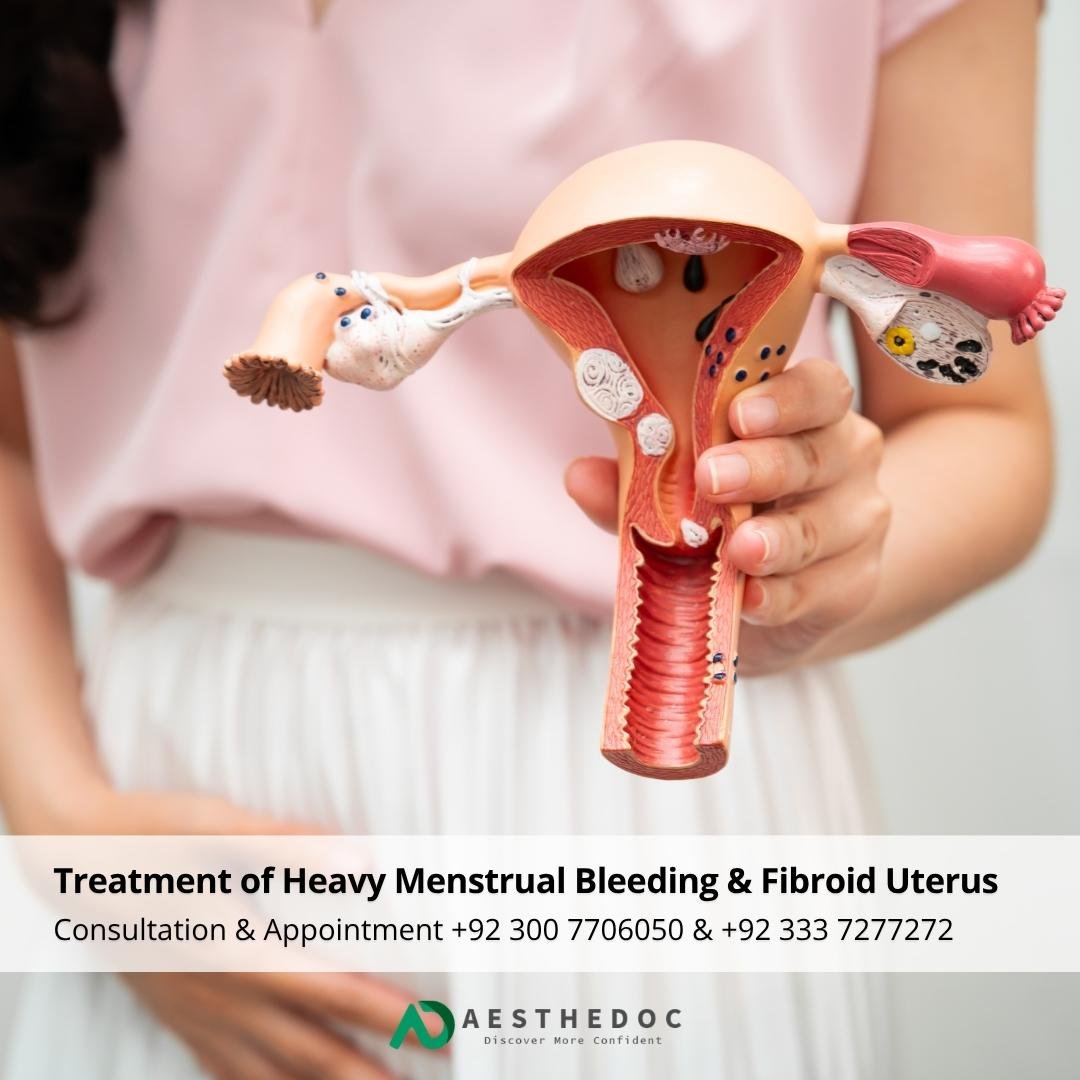
Uterine fibroids, also known as leiomyomas or myomas, are non-cancerous growths that develop from the muscular tissue of the uterus.
The uterus is a hollow, muscular reproductive organ where a pregnancy develops. Fibroids may grow within its muscular wall, project towards the uterine cavity or extend towards the outer surface.
A woman may have a single fibroid or several fibroids of different sizes. Some remain small and cause no symptoms, while others become larger or distort the shape of the uterus.
Fibroids are common during the reproductive years. Their growth is influenced by hormonal and biological factors, and they often shrink after menopause.
Although fibroids are usually benign, they can sometimes cause significant symptoms that require treatment.
Types of Uterine Fibroids
The location of a fibroid is important because it can influence menstrual bleeding, fertility and the type of treatment recommended.
1. Intramural Fibroids
Intramural fibroids develop within the muscular wall of the uterus.
They may:
- Enlarge the uterus.
- Cause heavy menstrual bleeding.
- Produce pelvic pressure.
- Contribute to painful periods.
- Affect the uterine cavity if they grow towards its inner surface.
Larger intramural fibroids may require treatment if they cause significant symptoms or affect the uterine cavity.
2. Submucosal Fibroids
Submucosal fibroids develop beneath the inner lining of the uterus and may project into the uterine cavity.
Even relatively small submucosal fibroids can cause significant menstrual bleeding because of their location.
Possible symptoms include:
- Heavy periods.
- Prolonged menstrual bleeding.
- Bleeding between periods.
- Difficulty conceiving in some patients.
- Pregnancy-related complications in selected cases.
Depending on their size and position, some submucosal fibroids can be removed through hysteroscopic myomectomy, a procedure performed through the cervix without an abdominal incision.
3. Subserosal Fibroids
Subserosal fibroids grow towards the outer surface of the uterus.
They may cause:
- Lower abdominal pressure.
- Abdominal enlargement.
- Frequent urination.
- Constipation.
- Pelvic discomfort.
They may not cause heavy menstrual bleeding unless they also affect other parts of the uterus.
4. Pedunculated Fibroids
Pedunculated fibroids are attached to the uterus by a narrow stalk.
They may develop on the outer surface or project into the uterine cavity. Depending on their location, they can cause pain, pressure or bleeding.
A fibroid on a stalk may occasionally twist, causing sudden pain that requires urgent assessment.
Causes of Heavy Menstrual Bleeding
Heavy menstrual bleeding can develop for several reasons. Fibroids are one possible cause, but a woman may have more than one contributing condition.
Common causes include:
- Uterine fibroids: Growths in the uterine wall can increase menstrual bleeding, particularly when they distort the uterine cavity.
- Adenomyosis: Tissue similar to the uterine lining grows within the muscular wall of the uterus, often causing heavy and painful periods.
- Endometrial polyps: Small growths in the uterine lining can cause irregular or heavy bleeding.
- Hormonal and ovulatory disorders: Irregular ovulation may result in unpredictable or prolonged bleeding.
- PCOS: Polycystic ovary syndrome may cause irregular menstrual cycles and episodes of abnormal bleeding.
- Bleeding disorders: Conditions affecting blood clotting can contribute to excessive menstrual blood loss.
- Endometrial abnormalities: Changes in the uterine lining sometimes cause abnormal bleeding and require investigation.
- Medications: Some medicines, including anticoagulants, may contribute to heavier bleeding.
- Pregnancy-related conditions: Miscarriage and ectopic pregnancy can cause bleeding that may be mistaken for an unusually heavy period.
Persistent or unusual bleeding should not automatically be attributed to fibroids. The underlying cause needs assessment.
Symptoms of Fibroid Uterus
Some women with fibroids have no symptoms and discover them during a routine ultrasound.
When symptoms occur, they may include:
- Heavy menstrual bleeding.
- Periods lasting longer than usual.
- Passing large blood clots.
- Severe menstrual cramps.
- Pelvic pain or pressure.
- Lower back pain.
- Abdominal enlargement.
- Frequent urination.
- Difficulty emptying the bladder.
- Constipation or pressure on the bowel.
- Pain during sexual intercourse.
- Difficulty conceiving in selected cases.
- Recurrent pregnancy complications in some patients.
The symptoms depend on the number, size and position of the fibroids. A woman with a small submucosal fibroid may experience more bleeding than someone with a larger fibroid growing on the outside of the uterus.
Warning Signs: When Should Heavy Bleeding Be Assessed Urgently?
Heavy bleeding can sometimes become an emergency.
Seek urgent medical assessment if you experience:
- Very heavy bleeding that rapidly soaks through sanitary protection.
- Severe dizziness or fainting.
- Shortness of breath, chest discomfort or a racing heartbeat.
- Severe abdominal or pelvic pain.
- Heavy bleeding with possible pregnancy.
- Marked weakness, confusion or symptoms of collapse.
If you are soaking through approximately one pad per hour for two or more consecutive hours, particularly with dizziness or weakness, seek urgent medical care.
Bleeding after menopause also requires prompt medical investigation, even if the amount is small.
How Can Heavy Menstrual Bleeding Affect Health?
Repeated or prolonged blood loss can reduce the body’s iron stores and eventually lead to iron-deficiency anaemia.
Iron is necessary for the production of haemoglobin, the protein in red blood cells that carries oxygen around the body.
Symptoms of iron deficiency or anaemia may include:
- Persistent tiredness.
- Weakness.
- Headaches.
- Dizziness.
- Pale skin.
- Shortness of breath during activity.
- Difficulty concentrating.
- Palpitations.
- Reduced exercise tolerance.
Severe anaemia may require more intensive treatment. Managing the bleeding and correcting iron deficiency are both important.
How Are Fibroids and Heavy Menstrual Bleeding Diagnosed?
The correct treatment depends on identifying the cause of bleeding and understanding the size, number and location of fibroids.
1. Medical History
The gynaecologist may ask about:
- Age and menstrual history.
- Duration of periods.
- Approximate amount of blood loss.
- Presence of clots.
- Pain during menstruation.
- Bleeding between periods.
- Previous pregnancies and deliveries.
- Previous miscarriages.
- Fertility plans.
- Previous fibroid diagnosis or surgery.
- Family history of bleeding disorders.
- Current medicines and medical conditions.
The effect of bleeding on daily life is also important.
2. Gynaecological Examination
A physical examination may help assess the size and position of the uterus and identify possible pelvic abnormalities.
The examination is selected according to the patient’s age, symptoms, clinical needs and consent.
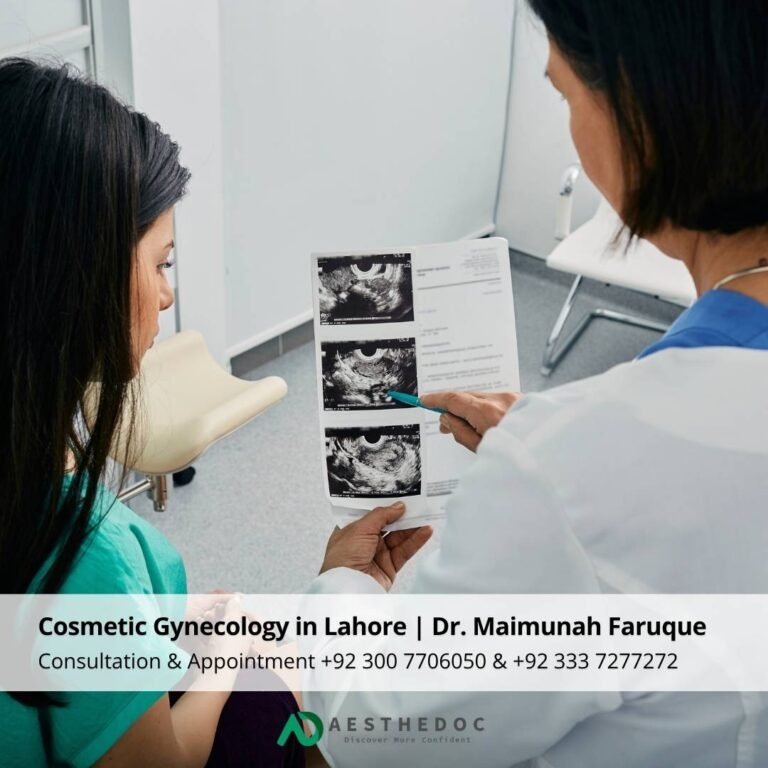
3. Pelvic Ultrasound
Ultrasound is one of the most useful investigations for diagnosing uterine fibroids.
A transvaginal ultrasound can provide detailed images of the uterus and uterine lining. A transabdominal scan may also be used, particularly when the uterus is enlarged or an internal scan is not appropriate.
The report may identify:
- Number of fibroids.
- Size of each fibroid.
- Location within the uterus.
- Relationship to the uterine cavity.
- Thickness and appearance of the endometrium.
- Presence of adenomyosis or other pelvic abnormalities.
- Ovarian findings.
These details help determine whether medical treatment, hysteroscopic surgery, myomectomy or another approach may be appropriate.
4. Complete Blood Count
A complete blood count (CBC) is important in women with heavy menstrual bleeding.
It helps assess haemoglobin levels and identify anaemia.
Additional iron studies, including ferritin, may be considered when iron deficiency is suspected.
5. Hysteroscopy
Hysteroscopy involves passing a thin camera through the cervix to examine the inside of the uterus.
It may be recommended when a submucosal fibroid, polyp or abnormality of the uterine lining is suspected.
The doctor can sometimes diagnose and treat certain abnormalities during the same procedure, depending on the findings and clinical arrangements.
6. MRI
MRI is not required for every woman with fibroids. However, it may be useful when detailed mapping of fibroid size, number, location or relationship to surrounding structures is needed.
It may be considered before complex surgery or when ultrasound findings are insufficient.
7. Endometrial Assessment
Some women require assessment of the uterine lining, particularly when they have persistent irregular bleeding, bleeding between periods, risk factors for endometrial disease or unsuccessful treatment.
The need for hysteroscopy and endometrial sampling depends on age, symptoms and clinical risk factors.
Treatment of Heavy Menstrual Bleeding
Treatment depends on the underlying cause, severity of symptoms, presence of fibroids, medical history and whether the patient wants to become pregnant.
There is no single treatment suitable for every woman.
1. Medical Management
Medication may help reduce menstrual blood loss and improve symptoms.
Common treatment options include:
Tranexamic acid
Tranexamic acid is a non-hormonal medicine that helps reduce blood loss during menstruation. It does not remove fibroids or stop the menstrual cycle.
It may be suitable for selected women with heavy periods, depending on their medical history and risk factors.
Non-steroidal anti-inflammatory drugs (NSAIDs)
Medicines such as ibuprofen or mefenamic acid may reduce menstrual pain and can also reduce menstrual blood loss in some women.
They are not suitable for everyone, particularly patients with certain stomach, kidney, bleeding or other medical conditions.
Hormonal contraceptives
Combined hormonal contraceptives may help regulate periods and reduce menstrual bleeding.
Options include tablets and other hormonal delivery methods, depending on suitability.
Progestogen treatment
Progestogen medicines may be used to manage selected types of abnormal uterine bleeding.
The treatment schedule depends on the underlying cause and the patient’s clinical circumstances.
Levonorgestrel-releasing intrauterine system
A hormonal intrauterine system may significantly reduce menstrual bleeding in suitable patients.
It is not appropriate for every woman with fibroids. Fibroids that substantially distort the uterine cavity may make insertion unsuitable or reduce treatment effectiveness.
GnRH medicines
Selected gonadotrophin-releasing hormone (GnRH) medicines may temporarily reduce fibroid-related symptoms and bleeding.
Some treatments can shrink fibroids for a limited period or be used before surgery. They require careful medical supervision because of possible side effects, including menopausal-type symptoms and changes in bone density.
Medication should be prescribed after an appropriate assessment. Women should not use hormonal medicines or bleeding-control medication without discussing contraindications and possible interactions with their doctor.
When Is Surgery Needed for Fibroid Uterus?
Surgery may be considered when fibroids cause significant symptoms or when other treatment options are ineffective, unsuitable or inconsistent with the patient’s needs.
Possible reasons for surgical treatment include:
- Heavy menstrual bleeding causing anaemia.
- Persistent pelvic pain or pressure.
- Large fibroids affecting nearby organs.
- Fibroids distorting the uterine cavity.
- Difficulty conceiving associated with particular fibroids.
- Recurrent symptoms despite medical treatment.
- Uncertainty about the nature of a uterine mass.
- Significant reduction in quality of life.
The most suitable procedure depends on the fibroid’s location, size, number, the patient’s health and future pregnancy plans.
What Is Myomectomy?
Myomectomy is a surgical procedure to remove uterine fibroids while leaving the uterus in place.
It is often considered for women who wish to preserve their uterus, including some women who plan to have children in the future.
Myomectomy can be performed through different approaches.
1. Laparoscopic Myomectomy
Laparoscopic myomectomy is a minimally invasive operation in which fibroids are removed through small abdominal incisions using a camera and specialised surgical instruments.
The surgeon examines the uterus, identifies the fibroids, removes suitable growths and repairs the uterine muscle.
Potential advantages in appropriately selected patients include:
- Smaller abdominal incisions.
- Less wound discomfort in many cases.
- Shorter hospital stay.
- Reduced visible scarring.
- A potentially quicker recovery compared with open surgery.
However, laparoscopic myomectomy is not suitable for every fibroid. Very large, numerous or deeply positioned fibroids may require a different surgical approach.
2. Open Myomectomy
Open myomectomy is performed through an abdominal incision that allows the surgeon to access the uterus directly.
It may be considered for patients with multiple fibroids, very large fibroids or complex surgical anatomy.
The incision and recovery period may be greater than with laparoscopic surgery, but open surgery can be the more appropriate option in selected cases.
3. Hysteroscopic Myomectomy
Hysteroscopic myomectomy is used for suitable fibroids that project into the uterine cavity.
A hysteroscope is passed through the vagina and cervix. Special instruments are then used to remove or resect the fibroid.
There is no abdominal incision.
This procedure may be particularly useful for selected submucosal fibroids associated with heavy menstrual bleeding or fertility concerns.
What Happens During Laparoscopic Myomectomy?
The procedure varies according to the number, size and location of fibroids.
A typical operation involves:
- Preoperative assessment: Ultrasound and other selected investigations are reviewed.
- Anaesthesia: The procedure is generally performed under general anaesthesia.
- Small incisions: Small openings are made in the abdomen for the laparoscope and surgical instruments.
- Visual assessment: The surgeon examines the uterus and identifies the fibroids.
- Fibroid removal: The fibroid is separated from the surrounding uterine muscle.
- Uterine repair: The uterine wall is repaired carefully to restore its structure.
- Specimen examination: Removed tissue is sent for histopathological examination.
- Recovery monitoring: The patient is observed after surgery and given postoperative instructions.
The operation requires careful surgical planning because the uterus must be repaired appropriately after fibroid removal.
Can Fibroids Return After Myomectomy?
Yes. Myomectomy removes existing fibroids, but it does not eliminate the possibility of developing new fibroids.
The likelihood of recurrence depends on factors such as age, number of fibroids, underlying biology and time since surgery.
Some women may need additional monitoring or treatment in the future.
What Is Hysterectomy for Fibroid Uterus?
Hysterectomy is a surgical procedure to remove the uterus.
It is a definitive treatment for uterine fibroids because fibroids cannot grow in a uterus that has been removed.
Hysterectomy may be considered when:
- Fibroids cause severe or persistent symptoms.
- Heavy menstrual bleeding has not improved with other treatments.
- Other procedures are unsuitable or unsuccessful.
- Fibroids are very large or numerous.
- The patient does not wish to become pregnant in the future.
- The patient has made an informed decision after discussing alternatives.
Hysterectomy permanently ends the ability to carry a pregnancy and stops menstrual periods.
The ovaries are not automatically removed during hysterectomy. Whether they should remain or be removed is a separate decision that requires discussion of the benefits, risks and informed consent.
Types of Hysterectomy
Total hysterectomy
The uterus and cervix are removed.
Subtotal hysterectomy
The main body of the uterus is removed while the cervix remains.
Laparoscopic hysterectomy
The uterus is removed using minimally invasive laparoscopic techniques through small abdominal incisions, with the appropriate route selected according to the patient’s circumstances.
Abdominal hysterectomy
The uterus is removed through an abdominal incision. This may be appropriate for selected patients, depending on uterine size, anatomy and clinical considerations.
The choice of surgical route depends on the patient’s condition, the size of the uterus, previous operations, surgical findings and the surgeon’s assessment.
Myomectomy vs Hysterectomy: What Is the Difference?
These operations have different purposes.
| Feature | Myomectomy | Hysterectomy |
|---|---|---|
| Main purpose | Removes fibroids | Removes the uterus |
| Uterus preserved | Yes | No |
| Future pregnancy | May remain possible | Pregnancy cannot be carried |
| Menstrual periods | Usually continue | Stop after removal of the uterus |
| Fibroid recurrence | Possible | Uterine fibroids cannot recur in an absent uterus |
| Suitable for | Selected women wishing to preserve the uterus | Women who do not wish to carry future pregnancies and need definitive treatment |
The choice should be made after discussing the patient’s symptoms, fertility plans, surgical risks and personal preferences.
Can Fibroids Cause Infertility?
Some fibroids may affect fertility, but not every fibroid causes difficulty conceiving.
Their effect depends mainly on location, size and whether they distort the uterine cavity.
Fibroids may affect reproduction in several ways:
- Submucosal fibroids may interfere with implantation.
- Fibroids that distort the uterine cavity may affect the environment in which an embryo develops.
- Certain fibroids may be associated with miscarriage or pregnancy complications.
- Large fibroids may affect the anatomy of the uterus.
However, infertility has many possible causes. These include ovulation disorders, tubal problems, endometriosis, age-related changes and male-factor infertility.
A fertility assessment should consider both partners before attributing difficulty conceiving to fibroids.
Can Pregnancy Happen After Myomectomy?
Many women can become pregnant after myomectomy, depending on their reproductive health and the type of fibroid removed.
However, the outcome varies. Surgery may cause internal scar tissue, and fibroids may develop again.
The appropriate interval before attempting pregnancy depends on the depth of surgery, the extent of uterine repair and the surgeon’s advice.
Some women may be advised to have a planned Caesarean birth after myomectomy, depending on the extent and location of the uterine incision and repair.
The delivery plan should be individualised.
Can Fibroids Affect Pregnancy?
Many women with fibroids have successful pregnancies. However, some fibroids can increase the likelihood of complications.
Possible pregnancy-related concerns include:
- Pain caused by fibroid degeneration.
- Placental complications in selected cases.
- Breech or other abnormal fetal presentation.
- Increased likelihood of Caesarean birth.
- Preterm birth in some circumstances.
- Postpartum bleeding.
The risk depends on the size, number and location of fibroids.
Women with known fibroids who are planning pregnancy should discuss their ultrasound findings and reproductive goals with a gynaecologist.
Other Treatment Options for Fibroids
Not all fibroid treatment involves removing the growths surgically.
Depending on availability, suitability and the patient’s reproductive plans, other options may be discussed.
Uterine Artery Embolisation
Uterine artery embolisation (UAE) is a procedure in which the blood supply to fibroids is reduced by blocking selected blood vessels.
The reduced blood supply causes fibroids to shrink over time.
It may help manage symptoms in selected patients. However, its implications for future pregnancy need careful discussion, and it may not be the preferred choice for every woman wishing to conceive.
Endometrial Ablation
Endometrial ablation destroys or removes the lining of the uterus to reduce menstrual bleeding.
It may be considered for selected women who do not wish to become pregnant in the future.
It is not a fertility-preserving treatment. Pregnancy after endometrial ablation can be dangerous, so reliable contraception is needed if pregnancy is possible.
It also does not remove large fibroids growing within the uterine muscle.
Lifestyle and Supportive Care
Lifestyle changes cannot remove fibroids, but supportive care may help women manage their general health while receiving appropriate treatment.
Helpful measures include:
- Eating a balanced diet with iron-containing foods.
- Taking prescribed iron supplements when indicated.
- Staying physically active as tolerated.
- Maintaining a healthy weight.
- Keeping a record of menstrual bleeding and symptoms.
- Attending follow-up appointments.
- Seeking medical advice if bleeding becomes heavier or changes suddenly.
Iron-rich foods include meat, fish, lentils, beans and leafy green vegetables. Vitamin C-containing foods may help the body absorb iron from plant sources.
Dietary changes alone are not sufficient to treat significant anaemia or the underlying cause of heavy bleeding.
Recovery After Fibroid Surgery
Recovery depends on the procedure performed.
After Hysteroscopic Myomectomy
Many patients return home on the same day, depending on the procedure and hospital arrangements.
Some vaginal bleeding and mild cramping may occur. The doctor will explain when normal activities can be resumed.
After Laparoscopic Myomectomy
Patients may experience:
- Abdominal tenderness.
- Bloating.
- Tiredness.
- Mild shoulder-tip discomfort.
- Temporary discomfort around the incision sites.
Walking gently, following medication instructions and attending follow-up appointments are important.
Recovery can take several weeks, depending on the extent of surgery.
After Open Myomectomy
Open surgery generally requires a longer recovery period because of the larger abdominal incision and uterine repair.
The patient may need additional time before returning to work, lifting heavy objects or exercising.
After Hysterectomy
Recovery varies according to whether the procedure was vaginal, laparoscopic or abdominal.
Patients should follow instructions about wound care, physical activity, lifting, driving and sexual activity.
Seek medical assessment if there is fever, increasing pain, heavy bleeding, foul-smelling discharge, wound infection, shortness of breath or leg swelling.
Cost of Fibroid Treatment and Surgery in Lahore
The cost of fibroid treatment in Lahore varies according to the diagnosis and the treatment required.
Factors affecting the total cost may include:
- Number and size of fibroids.
- Location of fibroids.
- Ultrasound and laboratory investigations.
- Whether medication or surgery is required.
- Type of surgery: hysteroscopic, laparoscopic or open.
- Surgeon and anaesthesia fees.
- Hospital and operating theatre charges.
- Length of hospital stay.
- Histopathology and postoperative follow-up.
A medical consultation and review of ultrasound reports are necessary before an accurate treatment estimate can be provided.
Patients should request a clear breakdown of the expected expenses and ask what is included in the quoted cost.
The least expensive procedure is not necessarily the most suitable. Treatment should be selected according to medical need, safety and future reproductive goals.
Choosing a Gynaecological Surgeon for Fibroid Treatment in Lahore
Choosing the right gynaecological surgeon is an important part of treatment planning.
Patients should look for:
- Relevant gynaecological qualifications.
- Appropriate training in endoscopic and laparoscopic surgery.
- A clear explanation of available treatment options.
- Discussion of fertility preservation when relevant.
- An explanation of the risks and expected benefits of surgery.
- Appropriate hospital and anaesthesia arrangements.
- Clear postoperative care and follow-up.
- Referral to other specialists when necessary.
Patients should also ask whether the proposed procedure is intended to remove fibroids, control bleeding, preserve the uterus or provide definitive treatment.
Understanding the purpose of surgery helps women make informed decisions.
Heavy Menstrual Bleeding and Fibroid Uterus Consultation at Aesthedoc
Women in Lahore who are experiencing heavy periods, pelvic pressure, painful menstruation or have been diagnosed with uterine fibroids can enquire about gynaecological consultation and appointment arrangements through Aesthedoc.
Dr. Maimunah Faruque is a Gyne Endoscopy and Laparoscopic Surgeon and Cosmetic Gynecologist.
Her listed qualifications include:
- MBBS
- FCPS
- F.MAS
A consultation can help patients understand their symptoms, review available investigation reports and discuss possible treatment pathways.
Depending on the diagnosis, treatment discussions may include medical management, further diagnostic assessment, hysteroscopic procedures, laparoscopic myomectomy or hysterectomy.
For women who wish to conceive, preserving the uterus and considering the possible effect of treatment on future pregnancy are important parts of decision-making.
Not every fibroid requires an operation, and hysterectomy is not the only treatment for heavy menstrual bleeding. The appropriate option depends on the patient’s diagnosis, symptoms, medical history and personal preferences.
Patients from Lahore can contact Aesthedoc to enquire about consultation availability and treatment planning with Dr. Maimunah Faruque.
Book a Consultation with Aesthedoc
Doctor: Dr. Maimunah Faruque
Speciality: Gyne Endoscopy and Laparoscopic Surgeon | Cosmetic Gynecologist
Qualifications: MBBS, FCPS, F.MAS
Phone: 03337277272
Phone: 03007706050
Email: info@aesthedoc.com
Frequently Asked Questions About Heavy Menstrual Bleeding and Fibroids in Lahore
1. What is the most common cause of heavy menstrual bleeding?
There are several possible causes, including uterine fibroids, adenomyosis, endometrial polyps, hormonal or ovulatory disorders and bleeding conditions. The cause should be assessed according to symptoms and clinical findings.
2. Can uterine fibroids cause very heavy periods?
Yes. Fibroids, particularly those that affect or distort the uterine cavity, can cause heavy or prolonged menstrual bleeding. They may also contribute to anaemia.
3. Can small fibroids cause heavy menstrual bleeding?
Yes. A relatively small submucosal fibroid may cause significant bleeding because of its location. Size alone does not determine symptom severity.
4. Do all women with fibroids need surgery?
No. Many fibroids do not require treatment if they are not causing symptoms or complications. Monitoring, medication or surgery may be considered depending on the patient’s condition.
5. Can fibroids disappear without surgery?
Fibroids do not usually disappear completely during reproductive years, although their size and symptoms may change. They often shrink after menopause as hormone levels decrease. Some symptoms can be controlled with medication without removing the fibroids.
6. Can fibroids cause infertility?
Some fibroids, particularly those that distort the uterine cavity, may affect fertility. However, many women with fibroids conceive naturally. Other possible causes of infertility should also be investigated.
7. What is the difference between myomectomy and hysterectomy?
Myomectomy removes fibroids while preserving the uterus. Hysterectomy removes the uterus and permanently ends the ability to carry a pregnancy. The appropriate option depends on symptoms, fertility goals and medical circumstances.
8. Is laparoscopic myomectomy better than open surgery?
Laparoscopic myomectomy may offer smaller incisions and a shorter recovery in appropriately selected patients. Open surgery may be more suitable for some women with numerous, very large or complex fibroids.
9. Can fibroids return after myomectomy?
Yes. Myomectomy removes existing fibroids but does not prevent new ones from developing. Some women may develop recurrent fibroids and need further monitoring or treatment.
10. Can I get pregnant after fibroid removal?
Many women can become pregnant after myomectomy. The likelihood depends on age, reproductive health, fibroid location, the extent of surgery and other fertility factors.
11. Does hysterectomy remove the ovaries too?
Not automatically. Hysterectomy removes the uterus, while removal of one or both ovaries is a separate procedure. The decision should be discussed with the patient and requires informed consent.
12. Can fibroids become cancerous?
Most uterine fibroids are benign. Rarely, a uterine mass may represent a different condition, including a malignant tumour. Rapid growth alone does not establish cancer, but concerning symptoms or imaging findings require appropriate assessment.
13. What tests are required before fibroid surgery?
Tests may include pelvic ultrasound, complete blood count and selected additional investigations. MRI may be recommended for detailed fibroid mapping in complex cases. The tests depend on the planned procedure and individual medical history.
14. What is the cost of fibroid surgery in Lahore?
The cost depends on the number and size of fibroids, surgical approach, hospital charges, anaesthesia, investigations and postoperative care. An accurate estimate requires consultation and review of the patient’s reports.
Final Thoughts
Heavy menstrual bleeding and uterine fibroids can affect a woman’s health, comfort, fertility plans and everyday life. However, effective treatment options are available, and surgery is not necessary for every patient.
Medical management may help control bleeding, while selected women may benefit from hysteroscopic or laparoscopic procedures. Myomectomy can preserve the uterus in suitable cases, whereas hysterectomy is a definitive option for women who do not wish to carry future pregnancies and require more permanent treatment.
The most important step is an accurate diagnosis and an individualised treatment plan. Women experiencing persistent heavy periods, pelvic pain, anaemia or symptoms associated with fibroids should seek a gynaecological assessment rather than relying on self-medication.
Aesthedoc provides consultation enquiries for women seeking gynaecological assessment and information about fibroid treatment options with Dr. Maimunah Faruque.