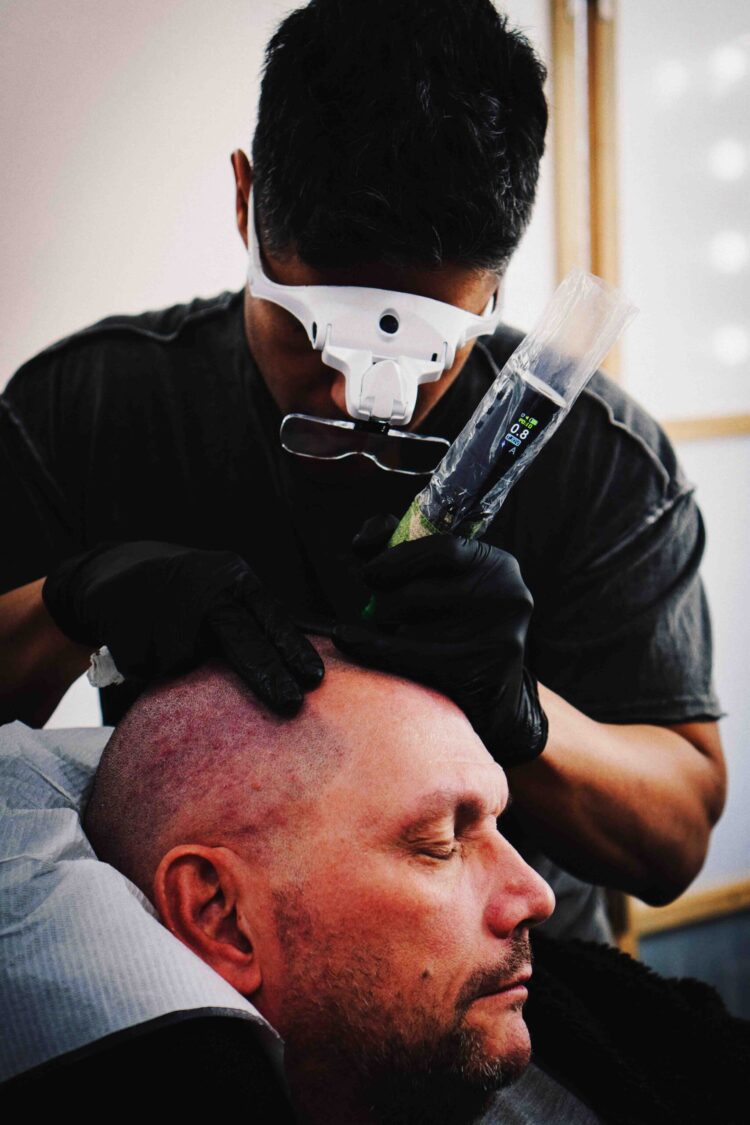
Choosing the Right Hair Transplant Training Method
Hair transplant training is essential for doctors entering the field of hair restoration. But as the industry grows, two main types of training programs dominate the market:
- Online Hair Transplant Courses
- Hands-On Hair Transplant Training
Both have their advantages, but for a doctor aiming to master surgical skills, understanding the difference is crucial.
This guide will help you compare online vs hands-on training and determine which path leads to real surgical competence and career success.
Online Hair Transplant Training
What Is Online Hair Transplant Training?
Online training involves:
- Virtual lectures
- Video demonstrations of procedures
- Theoretical knowledge delivery
- Digital learning modules
Doctors can learn from anywhere in the world without traveling or attending a clinic physically.
Advantages of Online Training
✔ Flexible Learning – Learn at your own pace.
✔ Cost-Effective – Often cheaper than in-person programs.
✔ Global Access – Learn from internationally renowned experts.
✔ Theoretical Knowledge – Understand concepts, hair anatomy, and patient evaluation.
Limitations of Online Training
No Hands-On Practice – Critical surgical skills are missing.
Limited Real-World Exposure – Handling real patients is not possible.
Delayed Feedback – Mentorship is often slower or virtual.
Reduced Confidence – Doctors may not feel prepared for actual procedures.
Hands-On Hair Transplant Training
What Is Hands-On Training?
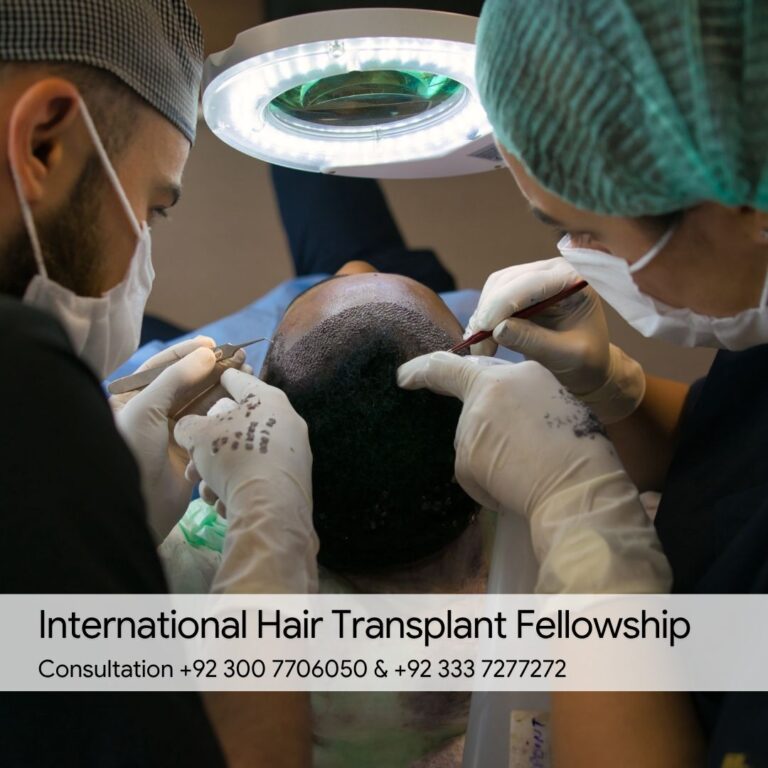
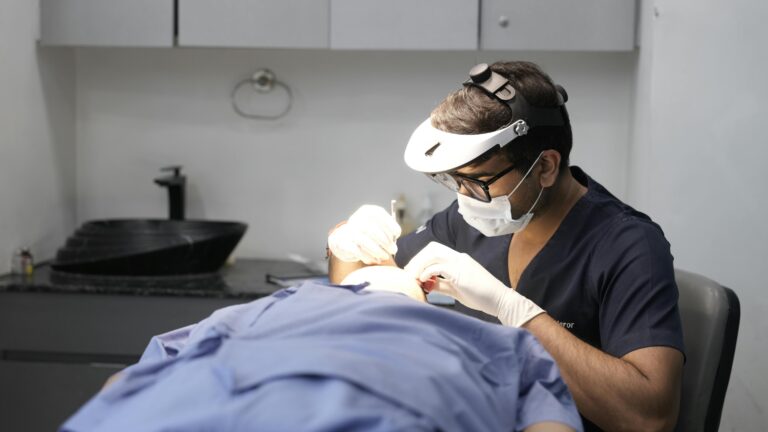
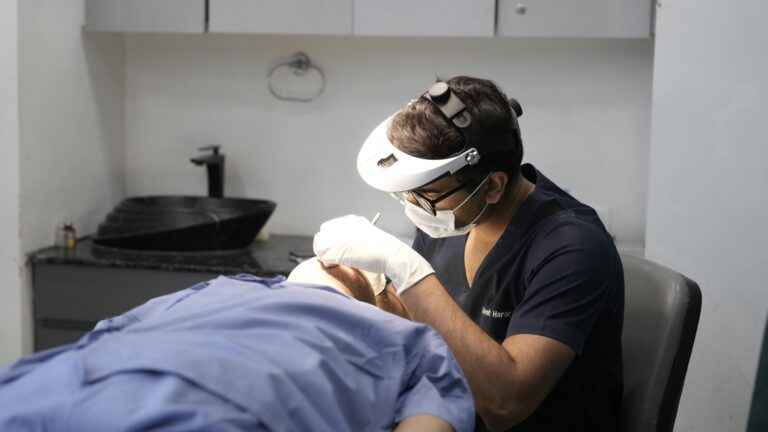
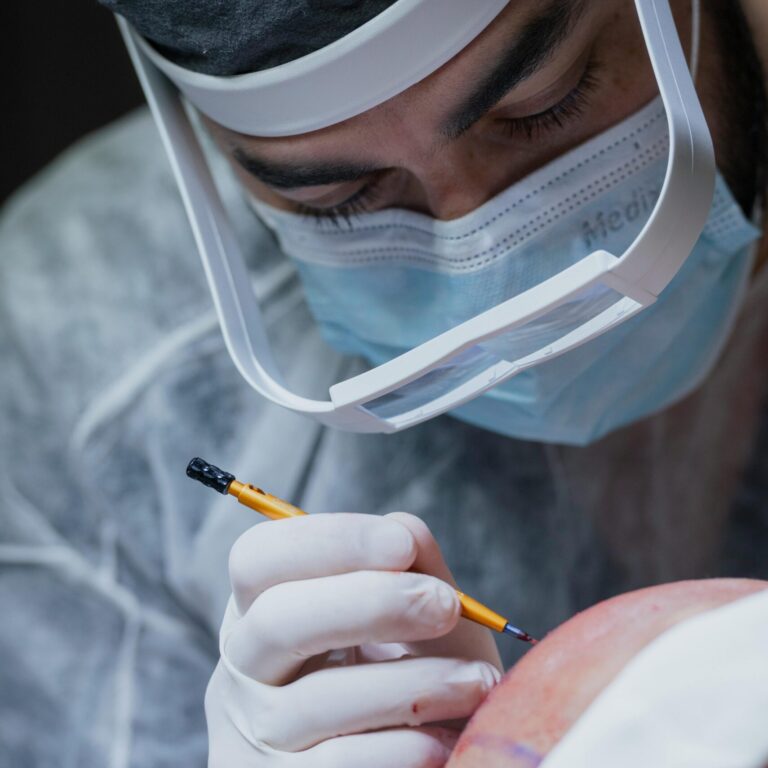
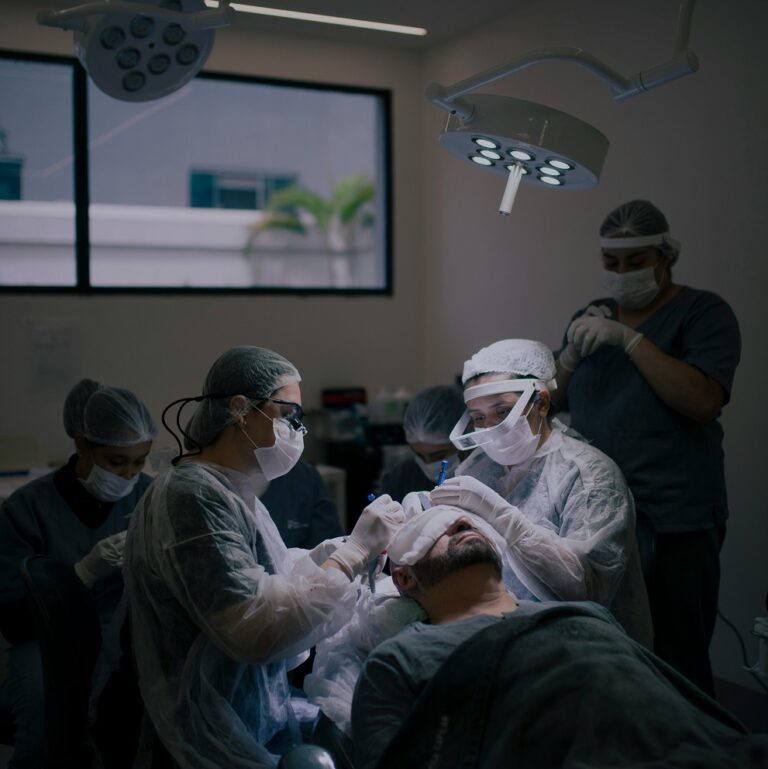
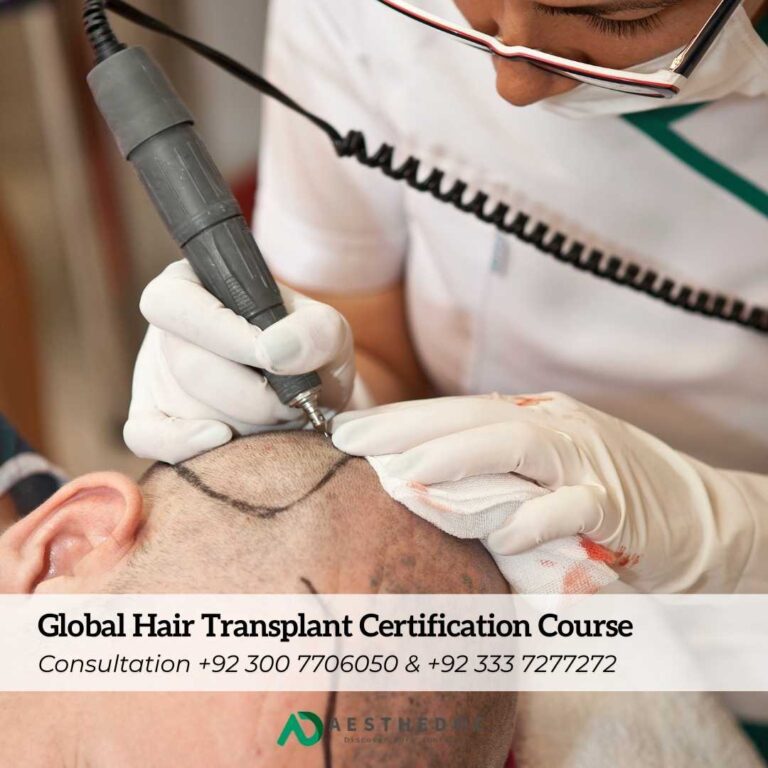
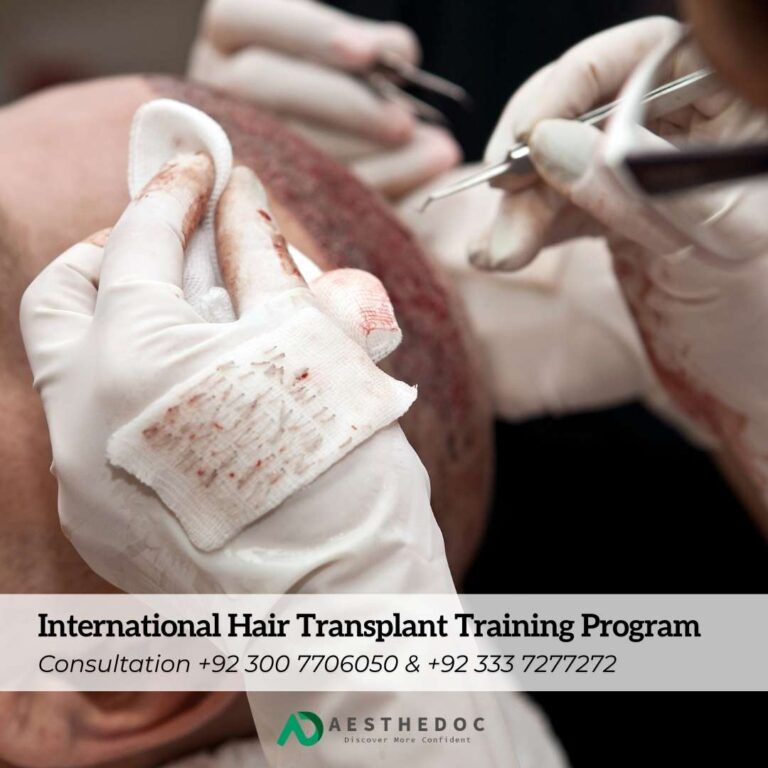
Hands-on training involves direct practice on live patients or high-quality models under expert supervision. It is considered the gold standard for surgical skill development.
Advantages of Hands-On Training
✔ Real Surgical Experience – Extraction, implantation, and graft handling.
✔ Immediate Feedback – Trainers provide guidance in real-time.
✔ Confidence Building – Doctors gain practical confidence quickly.
✔ Complex Case Exposure – Learn to handle high-density, scarred, or advanced cases.
Limitations of Hands-On Training
Higher Cost – Usually more expensive than online courses.
Travel Required – Must attend a clinic physically.
Time Commitment – Requires full-day participation over multiple days.
Key Differences Between Online and Hands-On Training
| Feature | Online Training | Hands-On Training |
|---|---|---|
| Practical Skills | Limited | Extensive |
| Patient Interaction | None | Direct |
| Confidence | Moderate | High |
| Cost | Low to Medium | Medium to High |
| Flexibility | High | Low |
| Real Case Exposure | None | Multiple cases |
Why Hands-On Training Is Crucial for Doctors
Hair transplant surgery is a high-precision procedure. Key reasons hands-on training matters:
- Graft Extraction – Proper depth and angle can only be learned through practice.
- Implantation Techniques – Accurate placement requires real surgical experience.
- Complication Management – Handling shock loss or poor graft survival in real cases.
- Surgical Speed – Efficiency improves only with repetitive practice.
Combining Online and Hands-On Training
Many advanced programs now use a hybrid approach:
- Online Modules – Cover theory, anatomy, and pre/post-operative care.
- Hands-On Sessions – Practice procedures under supervision.
This combination provides the best of both worlds: knowledge and skill mastery.
Cost Comparison: Online vs Hands-On
| Type | Price Range |
|---|---|
| Online Course | $500 – $3,000 |
| Hands-On Course | $3,000 – $10,000 |
| Hybrid Training | $2,500 – $6,000 |
Pakistan offers affordable, high-quality hands-on programs with global-standard training at lower costs.
Duration: Online vs Hands-On
| Training Type | Duration |
|---|---|
| Online | 1 week – 1 month (self-paced) |
| Hands-On | 3–14 days (intensive) |
| Hybrid | 1–3 weeks |
Hands-on or hybrid programs are recommended for doctors serious about clinical mastery.
Why Pakistan Is Ideal for Hands-On Training
Pakistan is emerging as a global hub for hair transplant training due to:
✔ High Patient Volume – Multiple surgeries daily.
✔ Affordable Fees – Cost-effective training without compromise on quality.
✔ Expert Trainers – Experienced doctors with thousands of procedures.
✔ Real Surgical Exposure – Complete hands-on learning from start to finish.
Tips for Choosing the Right Training Program
- Check Trainer Experience – Choose programs led by credible surgeons.
- Verify Hands-On Opportunities – Ensure live patient practice is included.
- Consider Batch Size – Small groups offer personalized guidance.
- Look for Certification – Prefer internationally or locally recognized credentials.
- Assess Curriculum – Must include theory, practice, and complication management.
Career Impact: Hands-On vs Online
Hands-on training allows doctors to:
- Perform independent procedures
- Gain patient trust quickly
- Build a high-end clinic
- Offer advanced and complex treatments
Online-only training is ideal for theory but insufficient for surgical independence.
Final Thoughts
For doctors entering the hair transplant field:
- Online courses are good for foundational knowledge.
- Hands-on training is essential for surgical mastery and career growth.
- Hybrid programs provide a balanced approach.
Hands-on experience is non-negotiable if your goal is real surgical expertise and international-level practice.
Start Your Hands-On Hair Transplant Training
For professional, practical training:
🌐 https://www.aesthedoc.com/hair-transplant-course/
Contact for Enrollment
📞 Call / WhatsApp: +92 333 7277272
📧 Email: info@aesthedoc.com