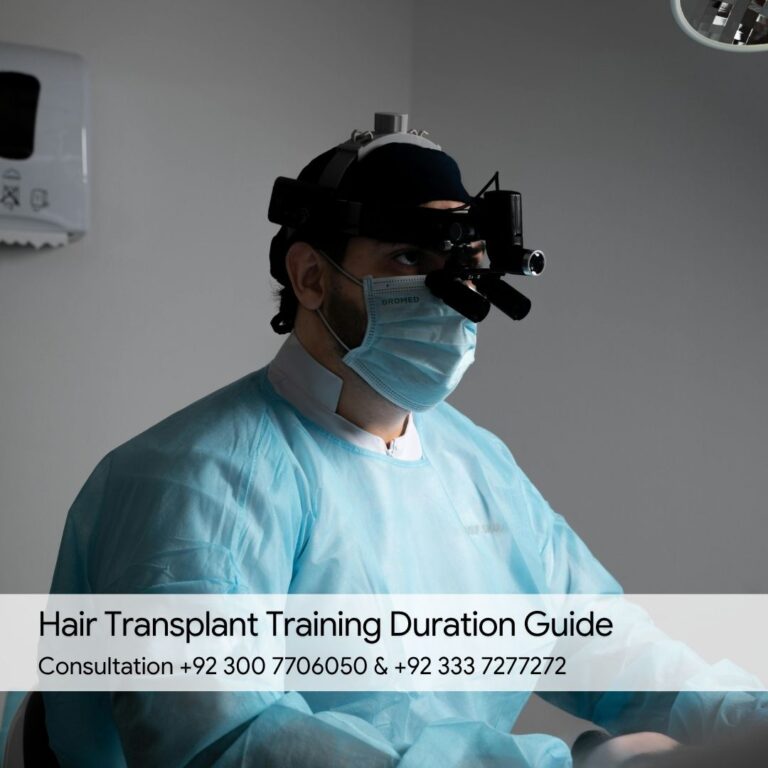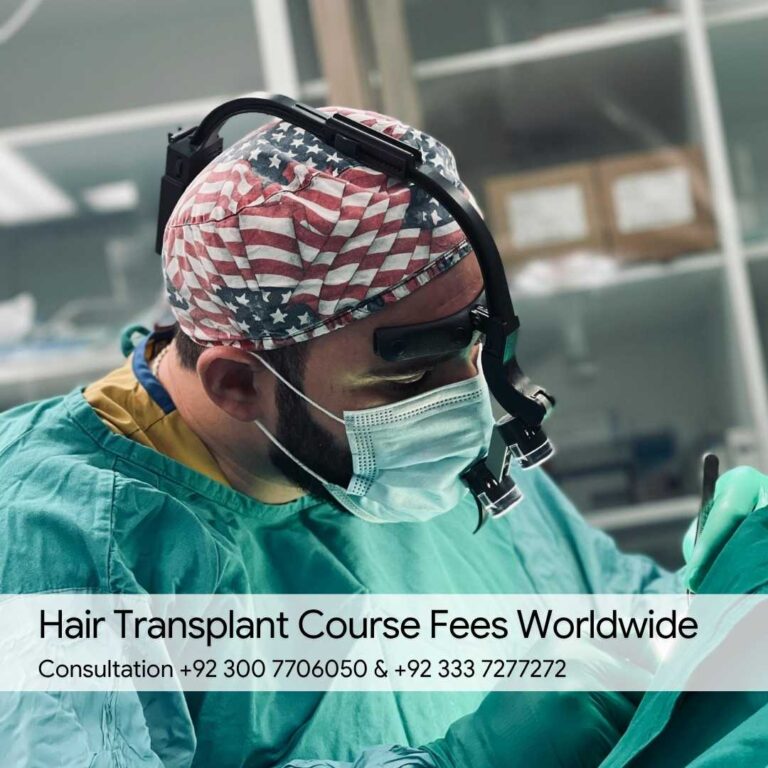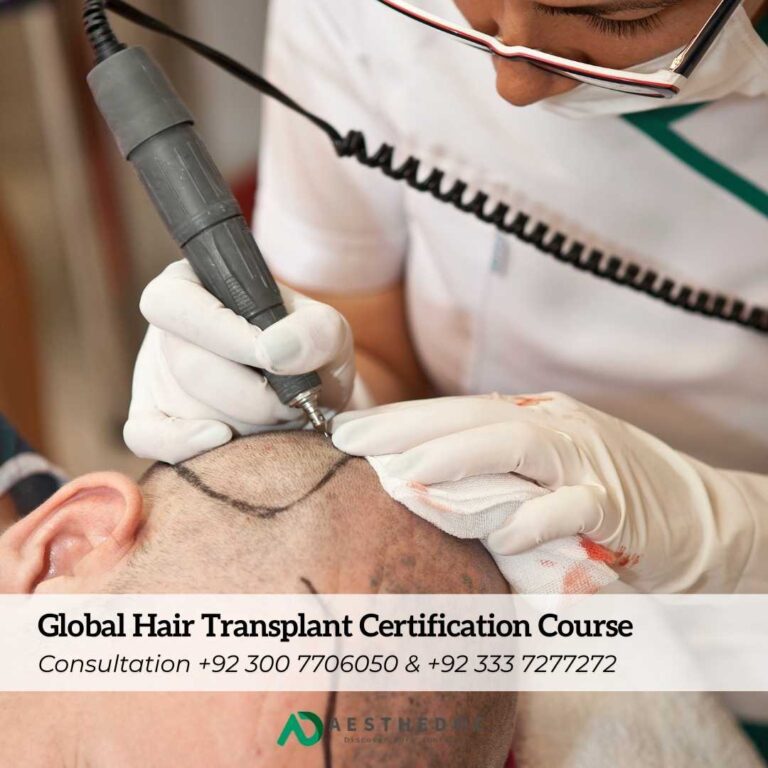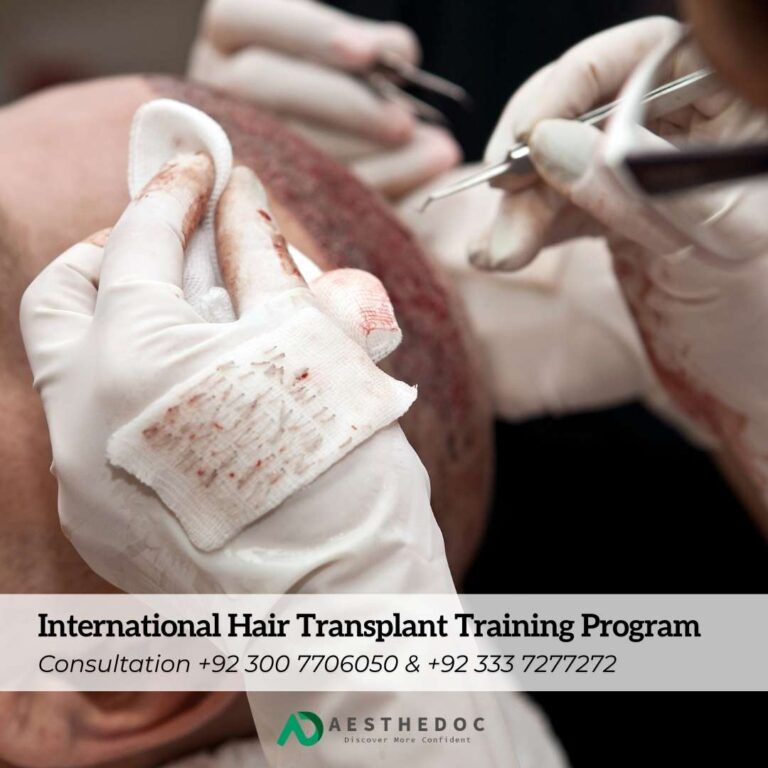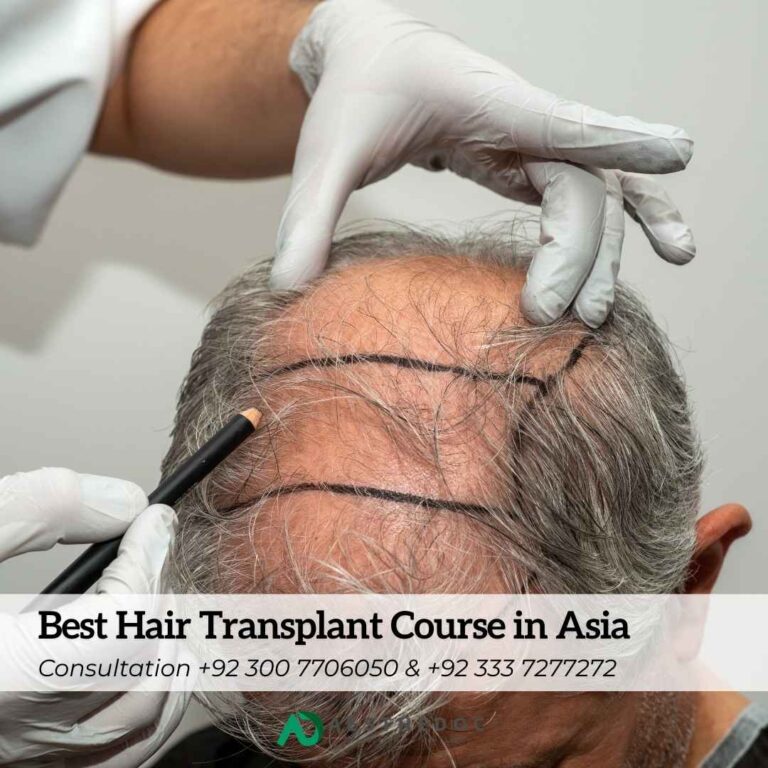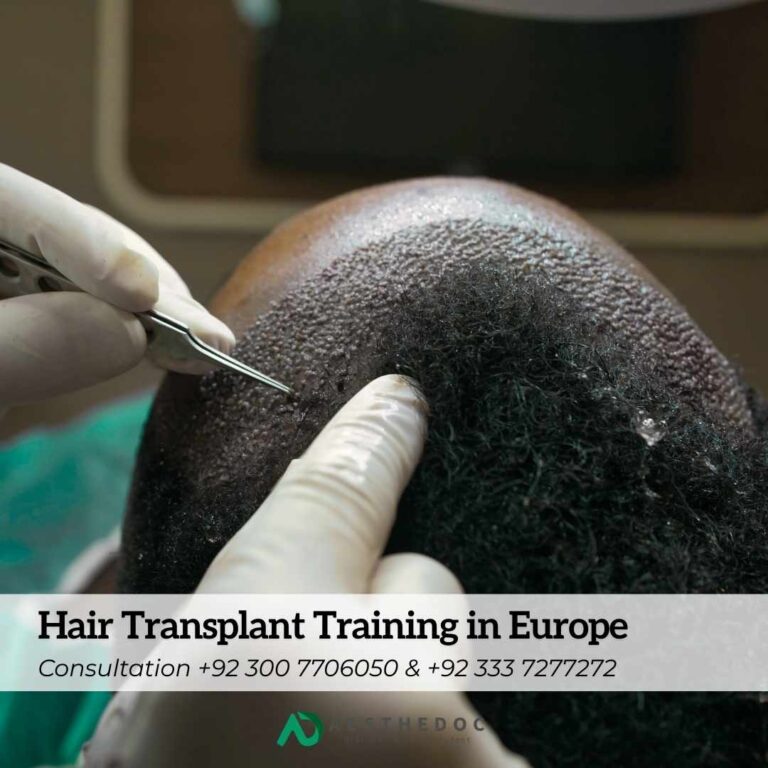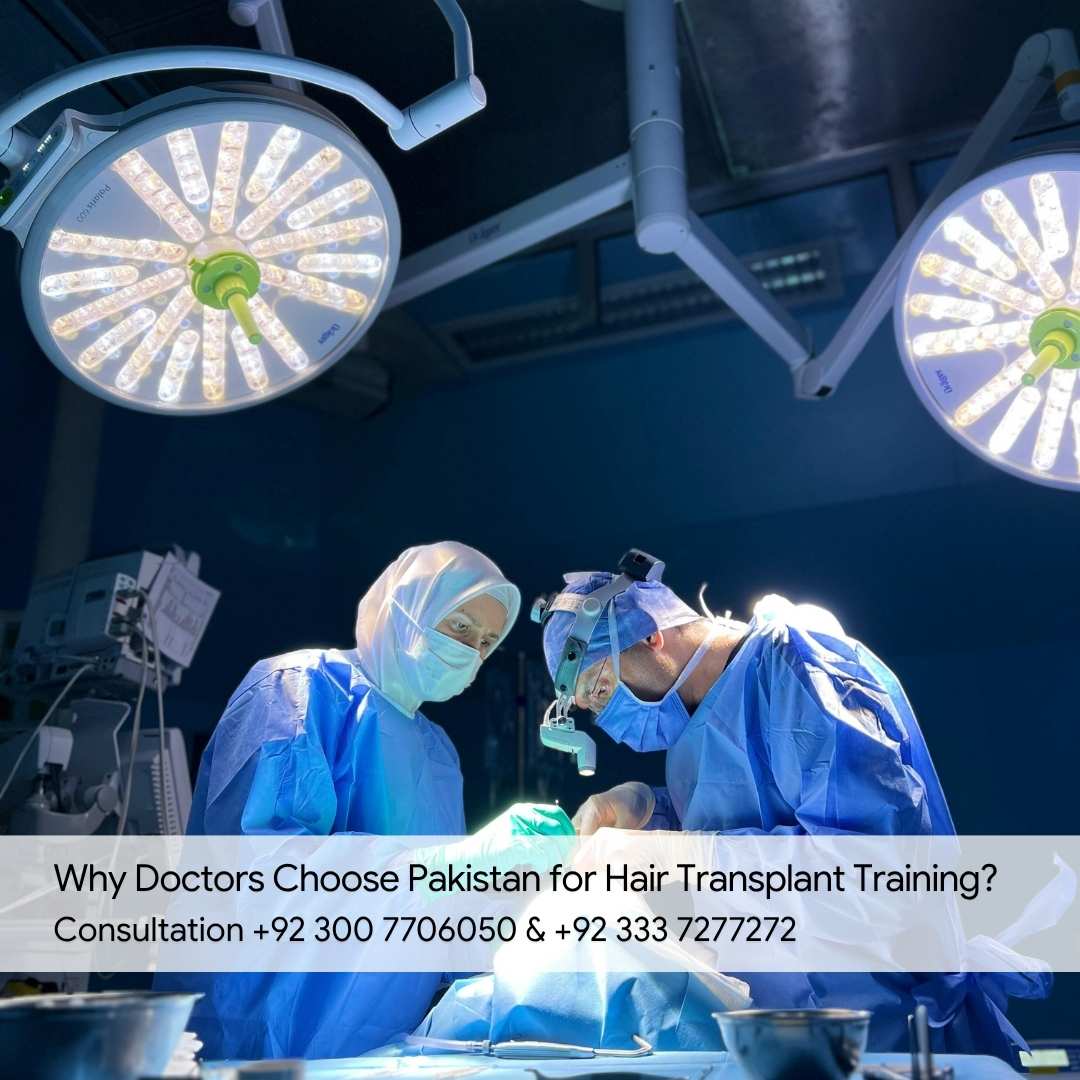
The field of hair restoration is experiencing rapid global growth, with an increasing number of doctors seeking specialized training. While countries like the USA, UK, and Turkey are popular choices, Pakistan has emerged as a preferred destination for doctors worldwide.
Pakistan offers a unique combination of high patient volume, hands-on surgical exposure, expert trainers, and cost-effective programs. This makes it an ideal place for doctors to gain both practical skills and international-level training.
This guide explores why doctors choose Pakistan for hair transplant training, what makes it unique, and how it compares to other global destinations.
Key Factors Influencing the Choice of Pakistan
1. Affordable Training Costs
One of the primary reasons doctors choose Pakistan is cost-effectiveness.
| Country | Basic Course Fee (USD) | Advanced Course Fee (USD) | Fellowship Fee (USD) |
|---|---|---|---|
| Pakistan | $2,500 – $5,000 | $3,000 – $7,000 | $4,000 – $8,000 |
| Turkey | $3,000 – $6,000 | $5,000 – $10,000 | $6,000 – $12,000 |
| USA | $15,000 – $25,000 | $20,000 – $35,000 | $30,000 – $50,000 |
| UK | $12,000 – $20,000 | $18,000 – $30,000 | $25,000 – $40,000 |
The affordable tuition and living costs allow doctors to complete intensive training without financial stress, while still gaining global-level expertise.
2. Extensive Hands-On Training
Practical surgical experience is critical for mastering hair transplant techniques. Pakistan offers:
- High patient volume: Multiple surgeries daily allow doctors to practice extensively.
- FUE, DHI, and advanced techniques: Trainees learn modern, internationally recognized procedures.
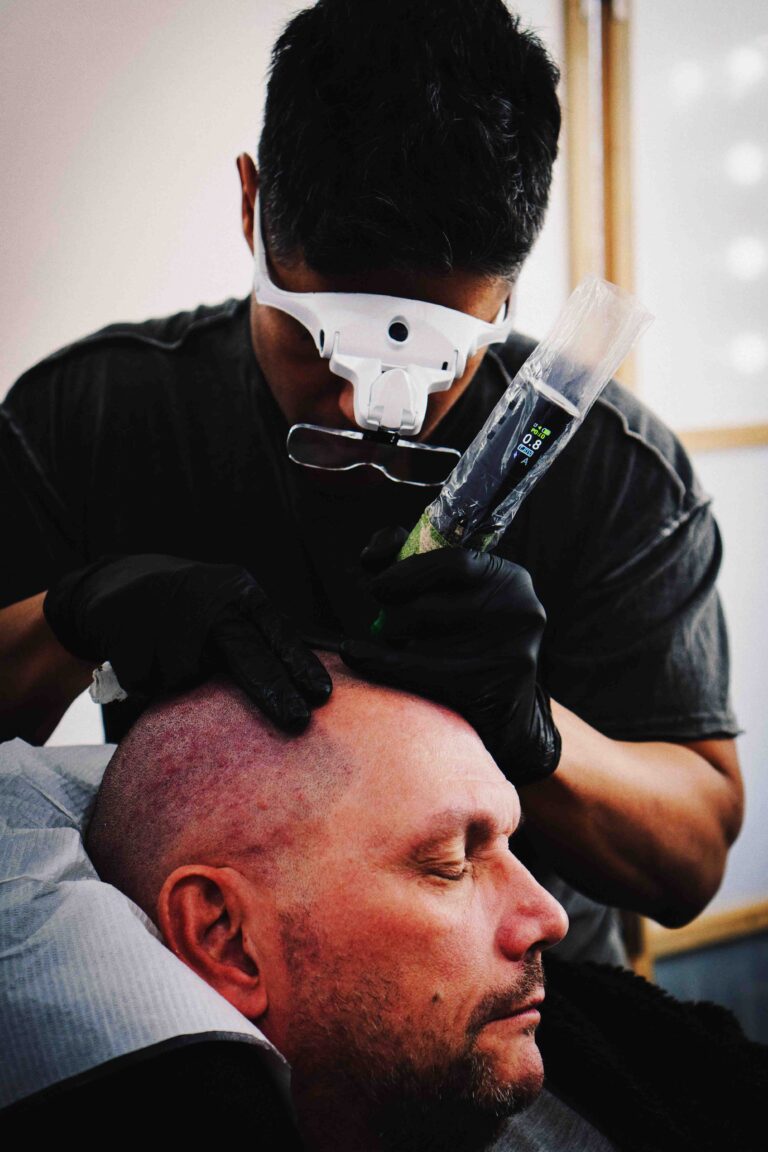
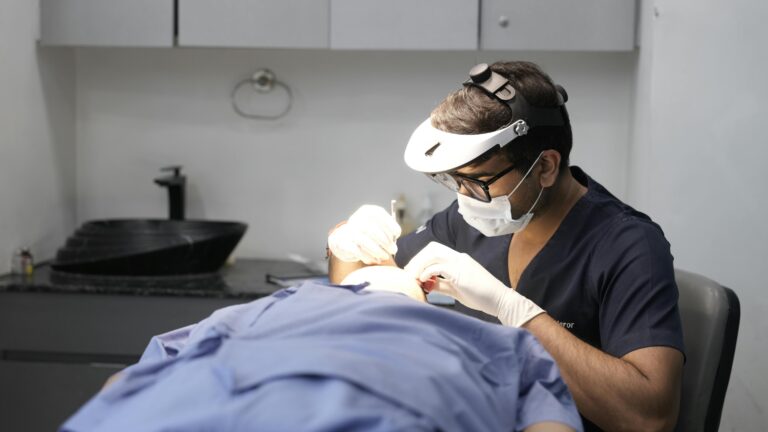
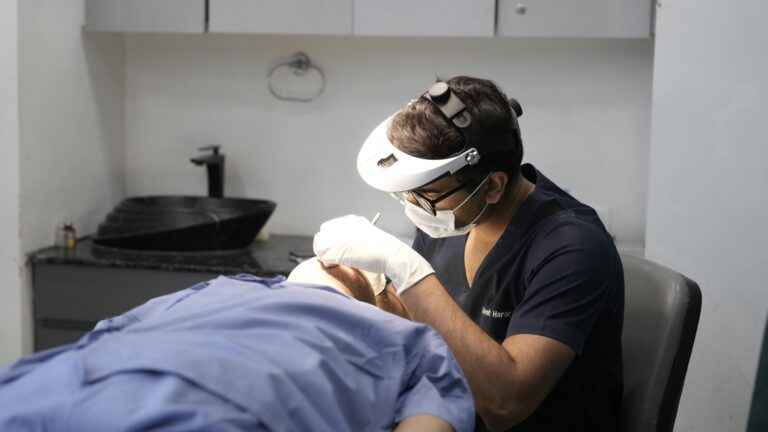
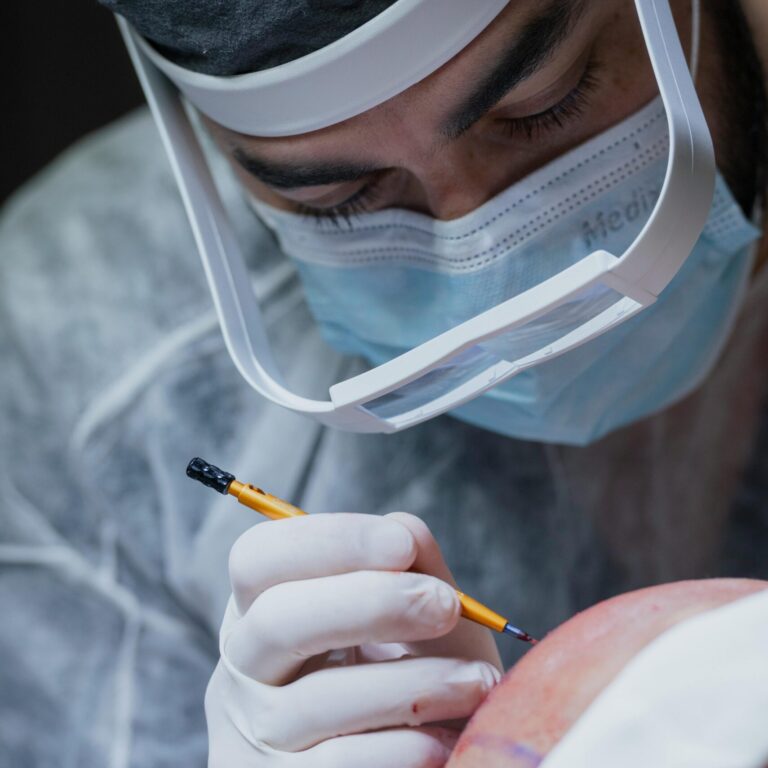
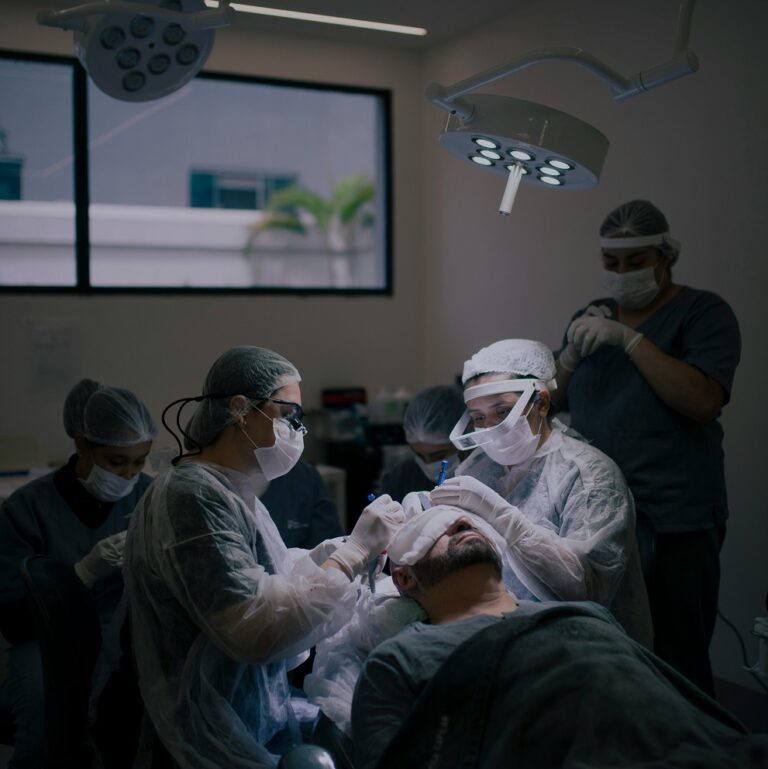
- Live patient exposure: Doctors perform surgeries under expert supervision, gaining confidence and technical skill.
Hands-on training ensures doctors graduate with complete competence, unlike some Western courses which are theory-heavy.
3. Experienced Trainers
Training quality depends on the expertise of the mentors. Pakistan has highly experienced surgeons with thousands of successful procedures.
Key benefits include:
- Direct mentorship from internationally trained surgeons
- Personalized guidance for each trainee
- Exposure to complex cases including scarred donor areas and high-density implants
4. Structured Curriculum
Pakistan’s hair transplant courses follow well-defined curricula:
| Module | Content |
|---|---|
| Hair Loss Diagnosis | Identifying alopecia types, evaluating patient history |
| Hairline Design | Natural aesthetics, ethnic considerations, facial proportions |
| Donor Area Management | Extraction techniques, density preservation |
| FUE Techniques | Motorized and manual punch extraction, graft handling |
| Implantation Techniques | Direction, angle, density, high-density packing |
| Post-Operative Care | Recovery, shock loss prevention, follow-up |
| Complication Management | Infection control, graft survival, adverse outcomes |
This structure ensures trainees develop both theoretical knowledge and practical surgical skills.
5. High Patient Volume
Doctors require sufficient case exposure to build confidence. Pakistan offers large daily patient volumes, which provide:
- Practice on diverse cases
- Exposure to different hair types and donor areas
- Experience handling advanced and challenging surgeries
High case exposure accelerates skill acquisition and prepares doctors for independent practice.
6. Affordable Living and Accommodation
Training in Pakistan is cost-effective not just in tuition but also in living expenses:
| Expense | Average Cost (USD) |
|---|---|
| Accommodation (per week) | $50 – $150 |
| Meals (per week) | $30 – $80 |
| Transportation | $10 – $30 |
This makes Pakistan accessible for international doctors seeking long-term courses without high living costs.
7. Modern Clinic Facilities
Despite being affordable, Pakistani clinics offer state-of-the-art facilities, including:
- Motorized and manual FUE devices
- Sapphire and steel implanters
- Sterile operating theaters
- Digital imaging for pre- and post-operative assessment
Doctors gain experience with advanced tools used in top clinics worldwide.
Comparison: Pakistan vs Other Popular Training Destinations
| Feature | Pakistan | Turkey | USA | UK |
|---|---|---|---|---|
| Course Fees | Low ($2,500–$8,000) | Medium ($3,000–$12,000) | High ($15,000–$50,000) | High ($12,000–$40,000) |
| Hands-On Exposure | Extensive | Moderate-High | Limited | Limited |
| Patient Volume | High | High | Moderate | Low |
| Trainer Expertise | High | Medium-High | High | High |
| Living Costs | Affordable | Moderate | Expensive | Expensive |
| Duration | 1–6 Weeks | 1–6 Weeks | 1–6 Weeks | 1–6 Weeks |
Conclusion: Pakistan provides a perfect balance of cost, training quality, and hands-on experience, making it highly attractive for doctors worldwide.
Course Duration and Fees in Pakistan
| Course Type | Duration | Fee (USD) | Key Benefits |
|---|---|---|---|
| Basic FUE Course | 3–5 Days | $2,500 – $5,000 | Introductory training, 5–10 live cases |
| Advanced Course | 1–2 Weeks | $3,000 – $7,000 | Advanced FUE/DHI, 10–20 live cases |
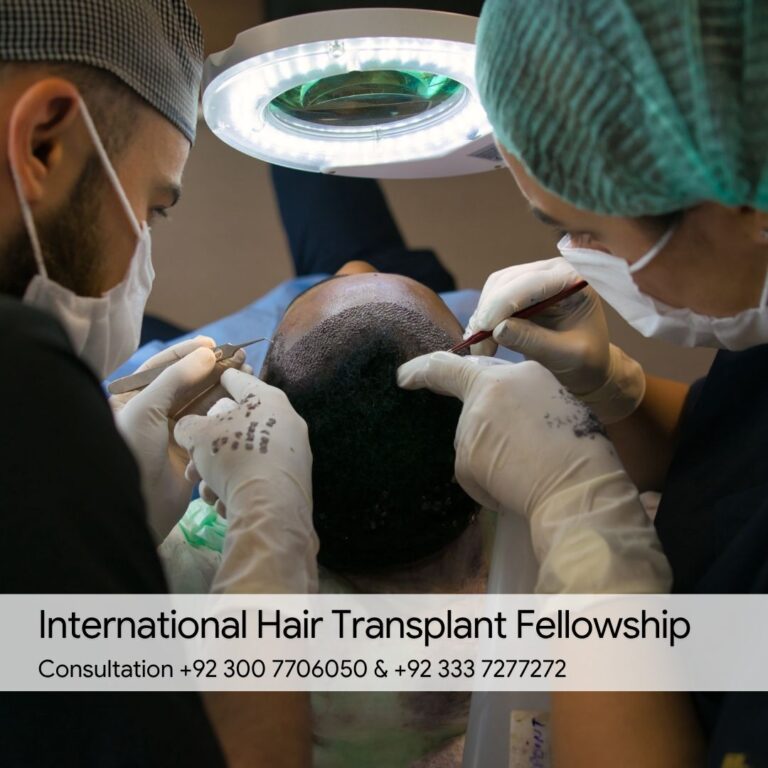
| Fellowship Program | 2–6 Weeks | $4,000 – $8,000 | Complete mastery, 20+ live cases, complex procedures |
Advantages of Training in Pakistan for International Doctors
- Rapid Skill Development: High patient volume ensures quick learning.
- Hands-On Experience: Direct surgery practice under expert supervision.
- Cost Efficiency: Affordable tuition and living expenses.
- Global Recognition: Trainers often have international exposure.
- Personalized Mentorship: Small batch sizes allow one-on-one guidance.
- Diverse Case Exposure: Trainees handle different hair types and challenging cases.
- Career Support: Guidance for clinic setup, post-training consultations, and complication management.
Common Misconceptions About Training in Pakistan
- “Lower cost means lower quality.”
Reality: Many Pakistani clinics provide high-quality training with expert surgeons and modern facilities. - “Limited international recognition.”
Reality: Pakistani-trained doctors often gain skills equivalent to international standards, and many programs offer certification recognized worldwide. - “Language barrier for international doctors.”
Reality: Most courses are conducted in English, and trainers are fluent in English.
ROI: Why Pakistan Offers the Best Value
Doctors often recover their training costs within months due to:
- High earning potential per procedure
- Rapid skill development allowing independent practice
- Ability to attract international patients to private clinics
Example Calculation:
| Procedure | Average Revenue (USD) | Procedures/Month | Monthly Revenue |
|---|---|---|---|
| Hair Transplant | $1,500 | 10 | $15,000 |
| Hair Transplant | $2,000 | 20 | $40,000 |
Even with a $5,000 training fee, the ROI is achieved within the first month for high-volume clinics.
Future of Hair Transplant Training in Pakistan
The field continues to evolve:
- Advanced Techniques: DHI, Sapphire FUE, high-density packing
- AI Integration: Digital planning and growth simulation
- Robotics: Robotic-assisted graft extraction and implantation
- Global Collaborations: Pakistani trainers are increasingly recognized internationally
Pakistan is positioned to become a global hub for hair transplant training, attracting doctors seeking affordable, high-quality, and hands-on programs.
Final Thoughts
Doctors choose Pakistan for hair transplant training because it offers:
- Affordable fees without compromising quality
- Extensive hands-on experience on live patients
- Expert mentorship and guidance
- Access to modern clinics and advanced techniques
- Rapid career growth opportunities
For doctors seeking practical training, global-level skills, and cost efficiency, Pakistan is a leading choice.
Enroll in Hair Transplant Training in Pakistan
For professional, comprehensive hair transplant training:
Website: https://www.aesthedoc.com/hair-transplant-course/
Contact: +92 333 7277272
Email: info@aesthedoc.com