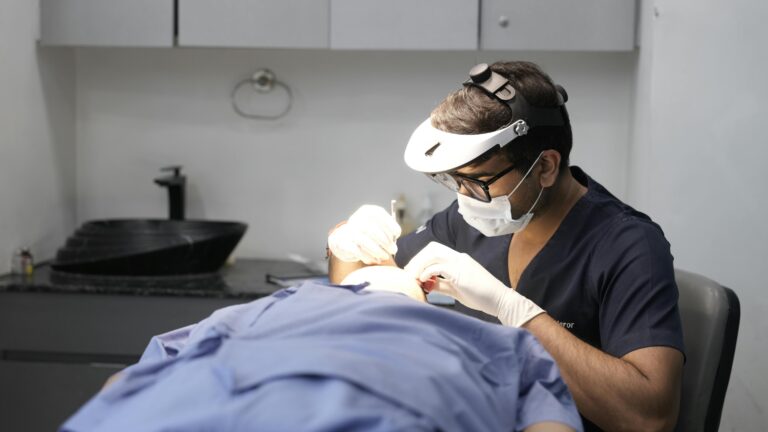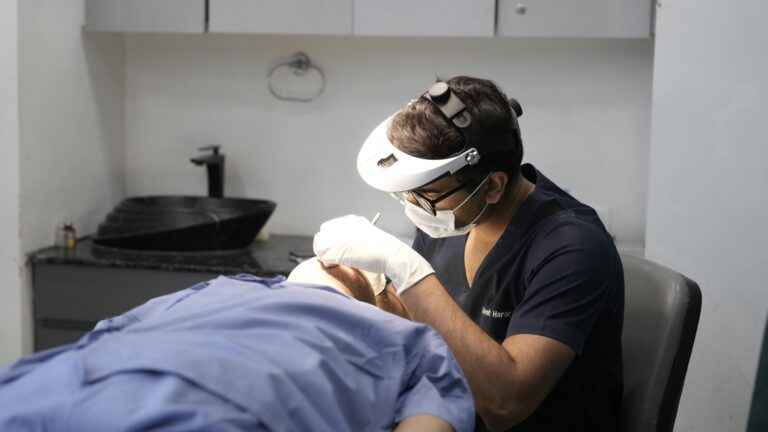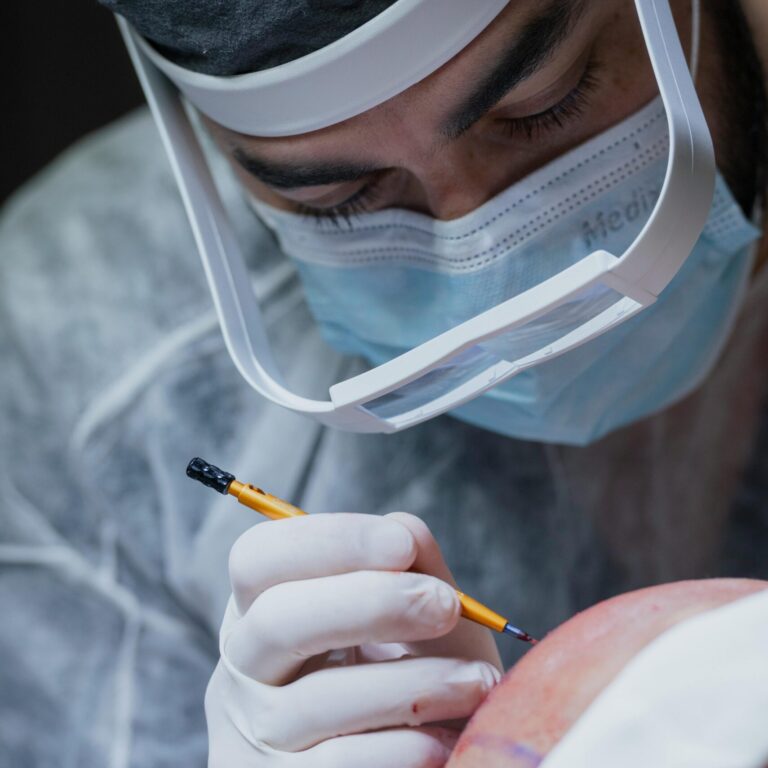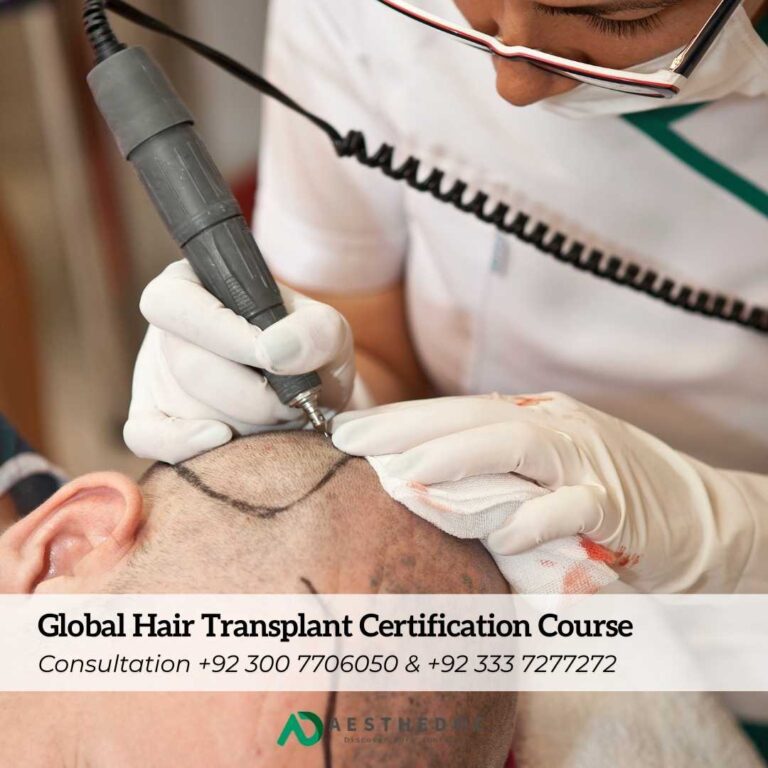
Hair transplant surgery is one of the most specialized procedures in aesthetic medicine. Doctors entering this field often ask: “How long should I train to become proficient?” The answer depends on multiple factors including the type of training, course format, hands-on experience, and complexity of techniques covered.
This guide provides a comprehensive overview of hair transplant training durations, comparing short courses, advanced programs, and full fellowships. We also explore global standards, practical exposure requirements, and factors that affect learning time. By the end, you will understand how to plan your training effectively to achieve surgical mastery.
Factors That Influence Training Duration
Several variables determine how long hair transplant training takes:
1. Type of Training Program
| Program Type | Duration Range | Description |
|---|---|---|
| Short Courses | 3–5 Days | Introductory FUE or DHI training with limited hands-on exposure |
| Advanced Courses | 1–2 Weeks | Intensive programs covering multiple surgical techniques and 10–20 live cases |
| Fellowship Programs | 2–6 Weeks | Comprehensive programs offering full surgical mastery, high patient volume, and complex cases |
2. Hands-On vs Online Learning
Hands-on training requires more time than online courses, as practical skills must be mastered through repetition on live patients. Online courses are shorter but provide theoretical knowledge only.
3. Previous Experience
Doctors with prior experience in surgery or aesthetic procedures may require less time to become proficient, while beginners may need longer programs with extensive mentoring.
4. Case Volume
Proficiency is largely achieved through practical case exposure. Programs with higher patient volume often allow doctors to complete their training in less calendar time because they gain more repetitions in the same period.
5. Complexity of Techniques
Learning advanced techniques such as DHI (Direct Hair Implantation), Sapphire FUE, or high-density transplantation requires additional practice and guidance, extending the total training duration.
Typical Duration of Hair Transplant Training Globally
Here is a detailed table comparing hair transplant training durations across popular countries:
| Country | Short Course | Advanced Course | Fellowship Program | Notes |
|---|---|---|---|---|
| Pakistan | 3–5 Days | 1–2 Weeks | 2–6 Weeks | High patient volume, affordable, extensive hands-on exposure |
| Turkey | 4–6 Days | 1–2 Weeks | 2–4 Weeks | High patient volume, internationally recognized techniques |
| USA | 5–7 Days | 2 Weeks | 4–6 Weeks | Low hands-on exposure, high tuition, prestigious training |
| UK | 5–7 Days | 2 Weeks | 4–6 Weeks | Limited practical exposure, theoretical focus, costly |
| India | 3–5 Days | 1–2 Weeks | 2–4 Weeks | Affordable, growing infrastructure, good hands-on training |
Detailed Breakdown of Training Duration by Course Type
1. Short Courses (3–5 Days)
Short courses are ideal for beginners or doctors who want an introduction to hair transplant techniques:
- Focus: FUE basics, patient evaluation, donor area management
- Hands-On Exposure: 5–10 live surgeries
- Outcome: Foundational knowledge, limited surgical skill
Pros: Quick, cost-effective, convenient for busy doctors
Cons: Insufficient for independent surgical practice
2. Advanced Courses (1–2 Weeks)
Advanced courses are suitable for doctors who want comprehensive skill development:
- Focus: FUE, DHI, Sapphire techniques, high-density implantation
- Hands-On Exposure: 10–20 live surgeries
- Outcome: Ability to perform independent surgeries on straightforward cases
Pros: Combines theory and practical training, moderate cost
Cons: Requires full-time commitment, limited exposure to very complex cases
3. Fellowship Programs (2–6 Weeks)
Fellowship programs are the gold standard for doctors aiming for mastery:
- Focus: Advanced extraction and implantation techniques, complex cases, post-op care, complication management
- Hands-On Exposure: 20+ live surgeries, including scarred donor and high-density cases
- Outcome: Complete proficiency, ready for independent practice
Pros: Full surgical competence, international-level skills, highest career ROI
Cons: Longer duration, higher cost, intensive schedule
Factors That May Extend Training Duration
- Limited Case Exposure: Programs with fewer patients may require multiple batches to achieve proficiency.
- Learning Pace: Individual doctors learn at different speeds; repetition is critical for surgical confidence.
- Technique Complexity: Learning DHI, high-density packing, or hairline aesthetics may require additional time.
- Travel and Logistics: For international trainees, adjusting to new environments can slightly extend training.
Case Volume vs Training Duration
There is a direct correlation between case volume and training duration. Higher daily surgical cases accelerate learning:
| Daily Cases | Duration Needed (Weeks) | Notes |
|---|---|---|
| 2–3 Cases | 4–6 Weeks | Suitable for short-term exposure |
| 5–10 Cases | 2–3 Weeks | Adequate hands-on experience for advanced courses |
| 10+ Cases | 1–2 Weeks | Fast-track learning, ideal in Pakistan and Turkey |
High patient volume allows doctors to complete fellowship-level training in fewer calendar days while gaining maximum surgical experience.
Online vs Hands-On Training Duration
| Training Type | Duration | Outcome |
|---|---|---|
| Online | 1–4 Weeks (self-paced) | Theoretical knowledge only, no real surgical skill |
| Hands-On Short Course | 3–5 Days | Basic surgical skill, limited live surgeries |
| Hands-On Advanced Course | 1–2 Weeks | Independent surgery on straightforward cases |
| Fellowship Program | 2–6 Weeks | Full surgical competence, ready for independent practice |
Conclusion: While online training is flexible, hands-on programs, especially in high-volume clinics, accelerate practical skill acquisition significantly.
How Pakistan Provides Efficient Training in Short Timeframes
Pakistan is recognized for providing intensive training in a relatively short duration due to:
- High patient volume: Multiple surgeries per day accelerate learning
- Expert trainers: Provide direct mentorship and real-time guidance
- Structured curriculum: Covers theory, practical skills, post-op care, and complications
- Small batch sizes: Ensures personalized attention and faster skill acquisition
A doctor can achieve fellowship-level competency in just 2–6 weeks in Pakistan, which might take longer in other countries due to lower patient exposure.
Recommended Training Duration Based on Doctor Experience
| Experience Level | Recommended Duration | Key Focus |
|---|---|---|
| Beginner | 4–6 Weeks | Basic and advanced FUE, DHI, patient evaluation, surgical confidence |
| Intermediate | 2–3 Weeks | Advanced techniques, high-density implants, aesthetic hairline design |
| Experienced Surgeon | 1–2 Weeks | Technique refinement, complication management, efficiency improvemen |
Duration vs Cost: Planning Your Training
| Duration | Average Fee (USD) | Learning Outcome |
|---|---|---|
| 3–5 Days | $2,500–$5,000 | Basic surgical skills, introductory exposure |
| 1–2 Weeks | $3,000–$7,000 | Independent surgical capability on standard cases |
| 2–6 Weeks | $4,000–$8,000 | Full mastery, ready for independent practice and complex cases |
Tip: Investing in longer training results in faster competency and higher career ROI.
Advantages of Optimized Training Duration
- Rapid Skill Acquisition: Intensive, focused programs shorten learning time
- Hands-On Mastery: Repetition on live cases builds confidence
- Cost Efficiency: Shorter calendar duration reduces travel and accommodation expenses
- Career Readiness: Doctors complete training ready to perform independent procedures
- Flexible Learning Paths: Short, advanced, and fellowship programs allow tailored planning
Key Takeaways
- Training duration depends on course type, prior experience, case volume, and hands-on exposure
- Short courses are suitable for beginners, advanced courses for moderate experience, and fellowships for mastery
- High patient volume in Pakistan allows doctors to achieve advanced skills in less time
- Hands-on experience is essential; online-only training cannot replace real surgical practice
- Proper planning ensures maximum skill acquisition and career ROI
Start Your Hair Transplant Training in Pakistan
For comprehensive, hands-on hair transplant training:
Website: https://www.aesthedoc.com/hair-transplant-course/
Contact: +92 333 7277272
Email: info@aesthedoc.com