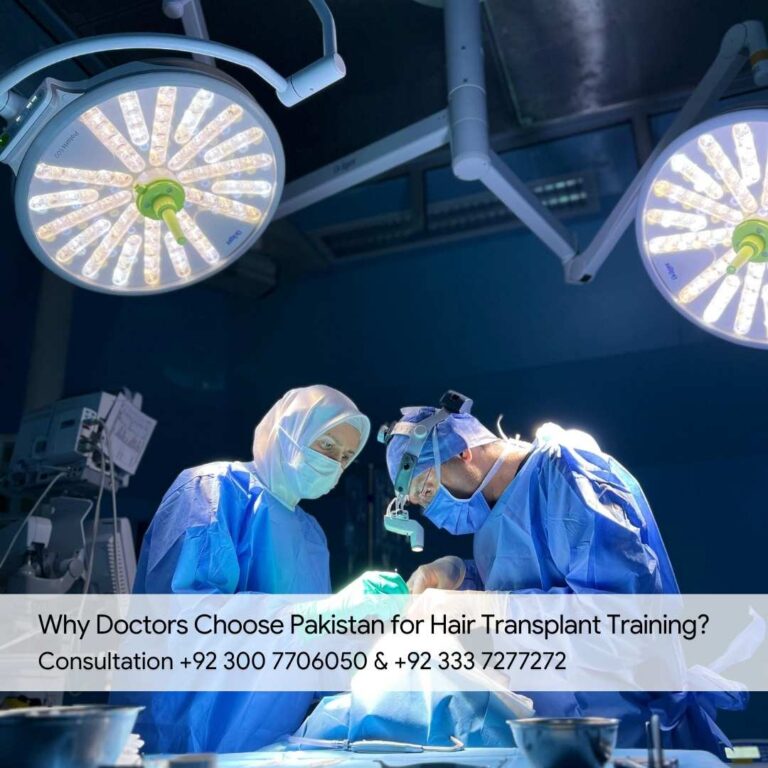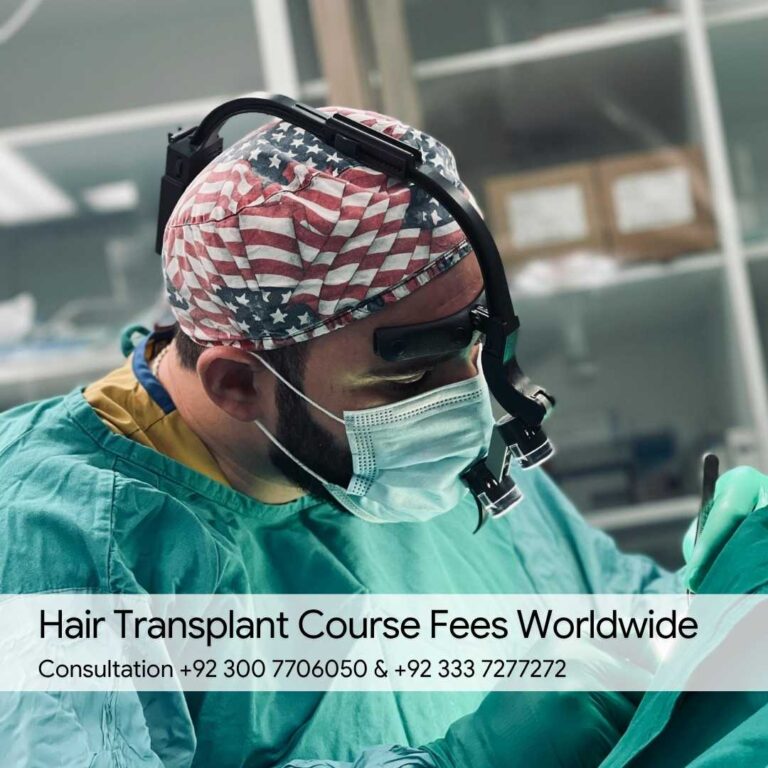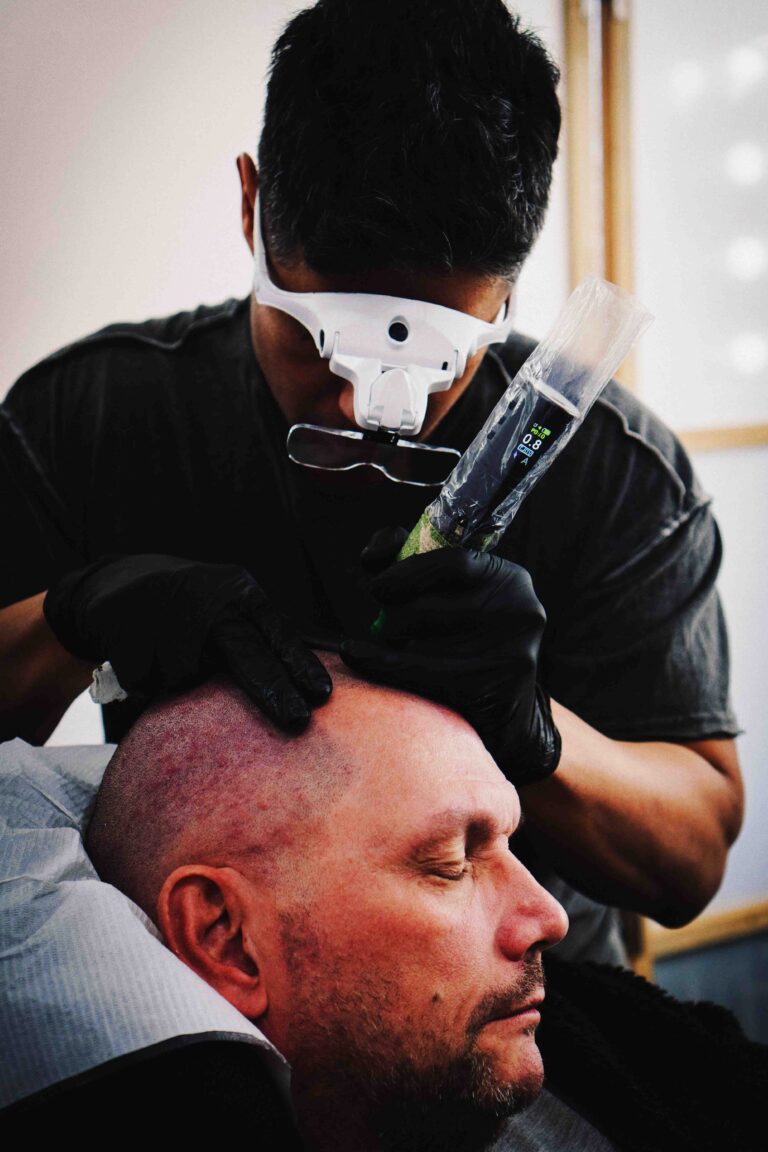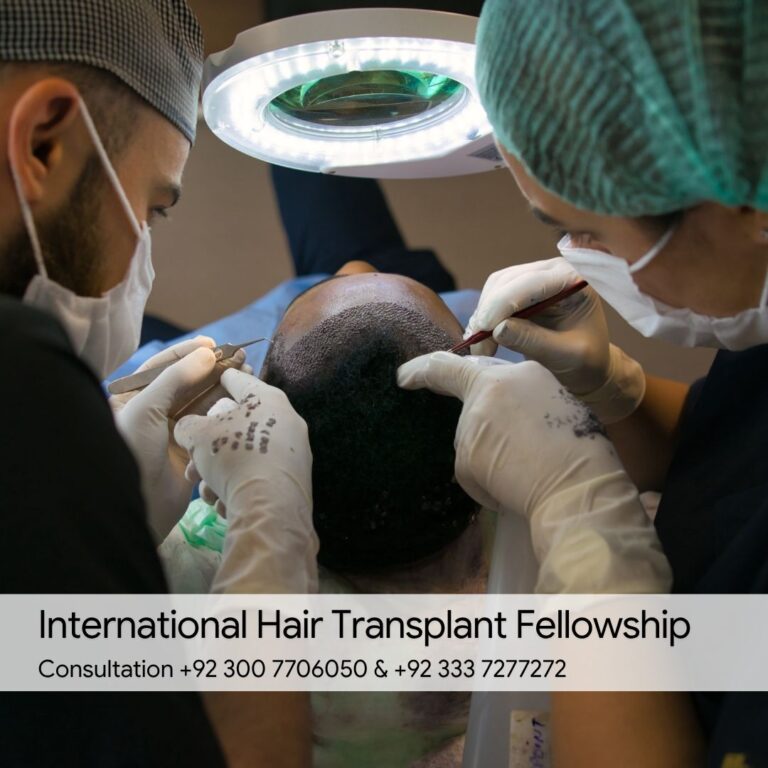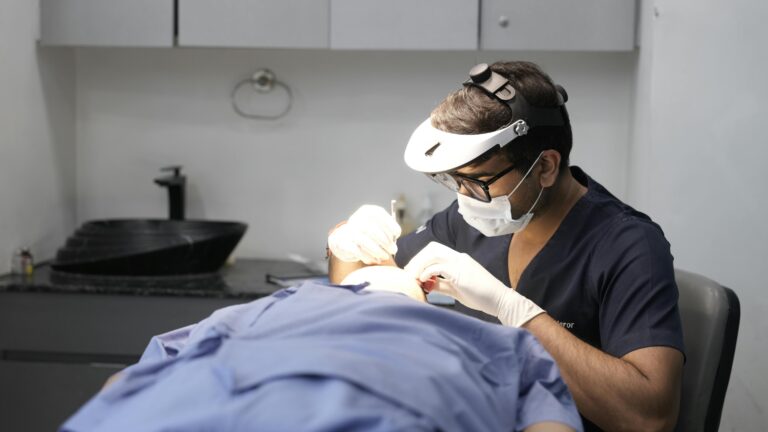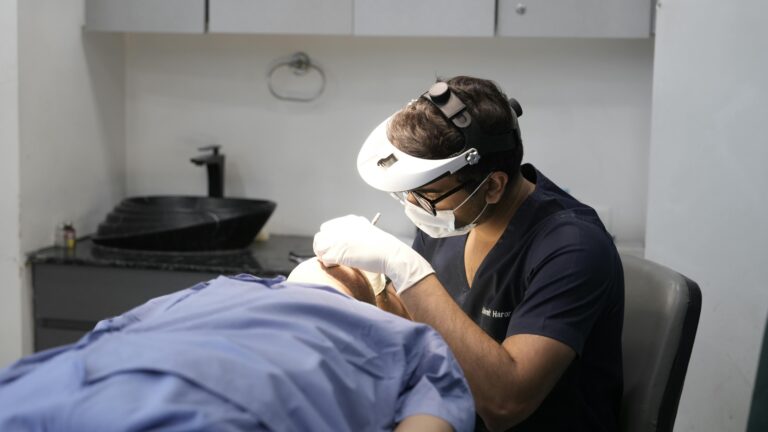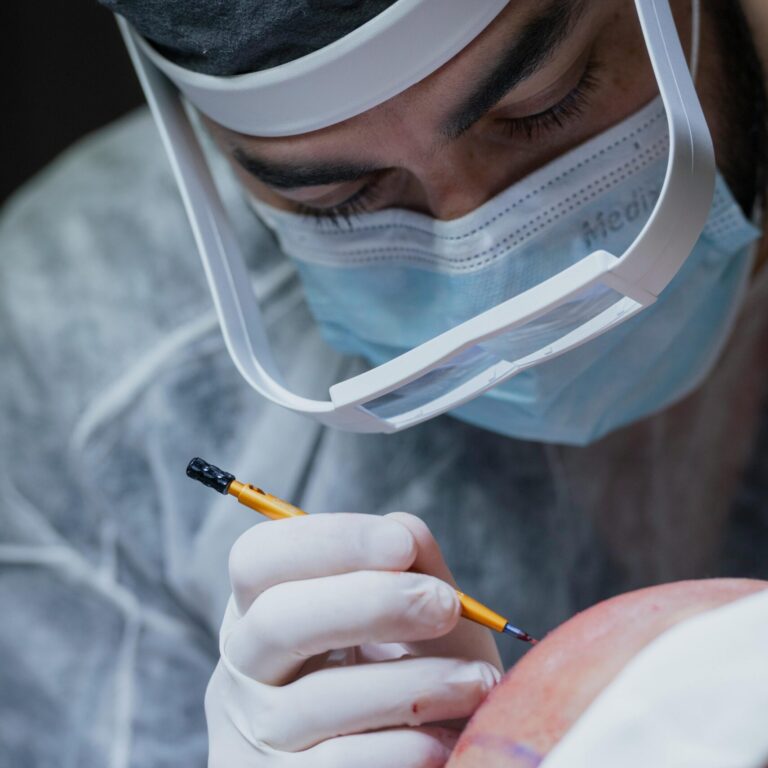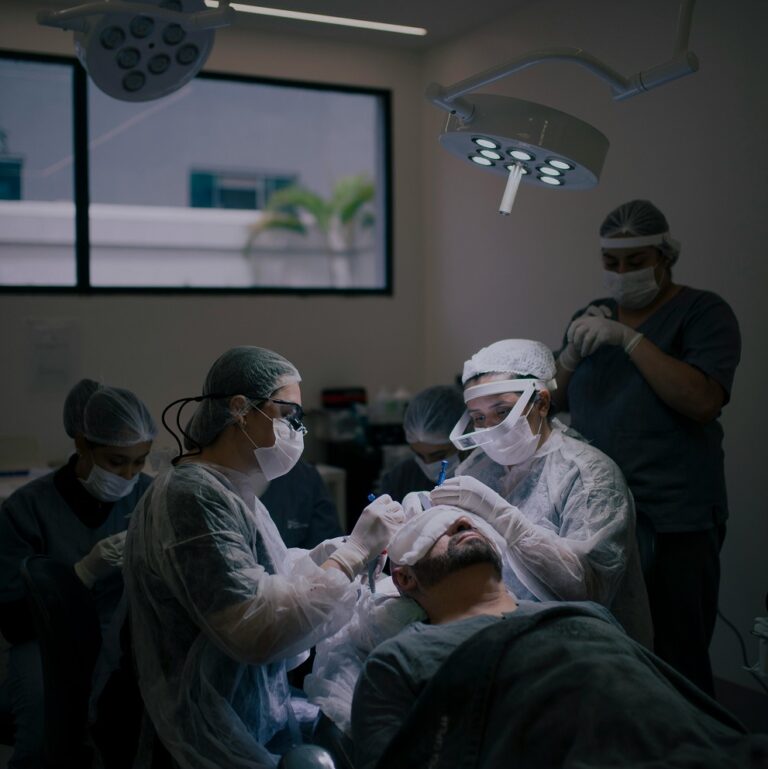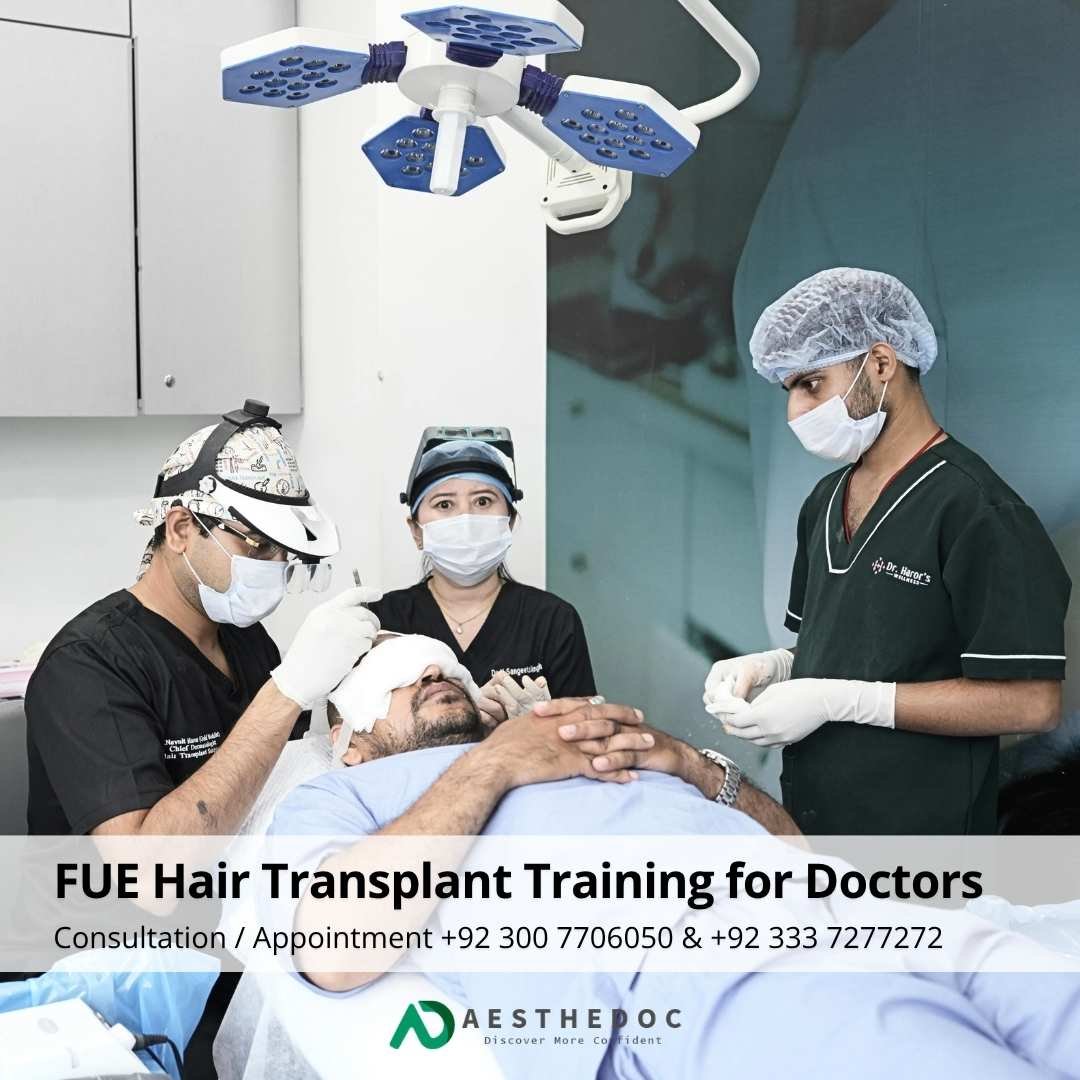
Follicular Unit Extraction (FUE) has become one of the most widely recognized approaches to modern surgical hair restoration. It involves harvesting individual follicular units from a suitable donor region and transplanting them into areas affected by hair loss. Although the technique is often associated with specialized extraction devices, successful FUE surgery requires a much broader understanding of hair anatomy, patient assessment, donor management, graft preservation, recipient site planning and surgical execution.
For doctors interested in developing expertise in hair restoration, learning FUE requires more than watching surgical demonstrations or understanding how an extraction punch operates. It involves developing the clinical judgment necessary to evaluate patients, determine surgical suitability, plan graft distribution, recognize potential complications and understand the long-term implications of donor harvesting.
This is why structured FUE hair transplant training for doctors should cover the complete surgical process rather than concentrating exclusively on graft extraction.
Medical professionals entering hair restoration may come from different backgrounds, including dermatology, plastic surgery, general surgery and aesthetic medicine. Their existing experience, clinical knowledge and surgical competencies influence the type of education they require.
A comprehensive FUE training programme should therefore combine theoretical education, instrument familiarization, clinical case exposure, surgical demonstrations, graft handling education and appropriate supervised practical learning.
At Aesthedoc Hair Transplant Clinic & Institute in Pakistan, FUE training is offered under the leadership of Dr. Adnan Bashir, a Diplomate of the American Board of Hair Restoration Surgery (ABHRS). The programme provides theoretical education, FUE surgical exposure, live patient cases and individual mentoring.
This comprehensive guide explores the major components of FUE hair transplantation, the surgical knowledge doctors should develop, the essential training modules and how to evaluate an international FUE training programme.
Quick Overview: FUE Hair Transplant Training for Doctors
FUE hair transplant training is specialized medical education focused on the principles and surgical techniques involved in follicular unit extraction and transplantation.
A comprehensive educational programme should address:
- Hair anatomy and follicular unit physiology.
- Diagnosis and classification of hair loss.
- Patient selection and preoperative assessment.
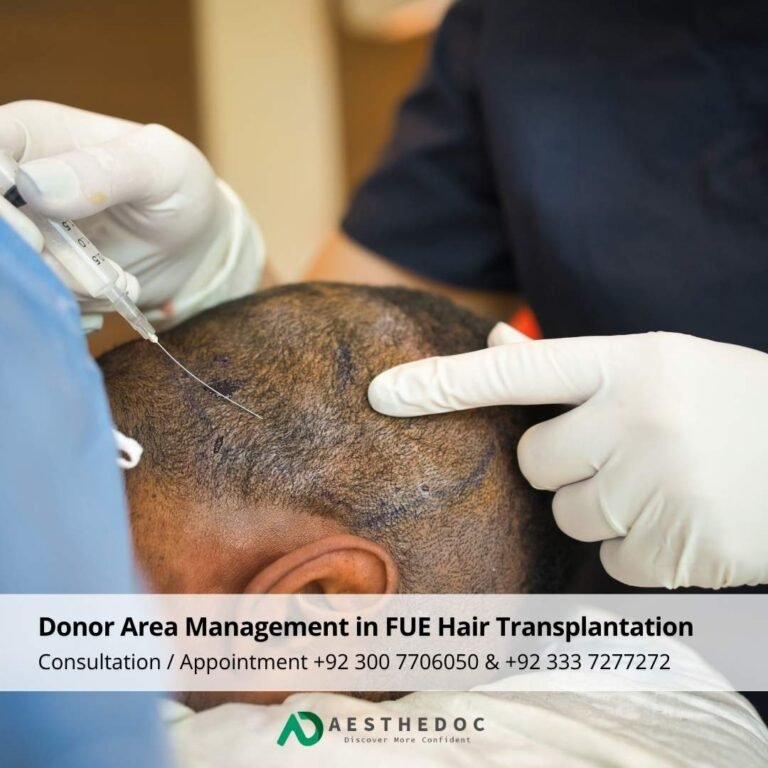
- Donor area evaluation and management.
- Hairline design and facial proportions.
- Manual and motorized FUE extraction.
- Punch selection and extraction principles.
- Graft handling and preservation.
- Recipient site creation.
- Graft implantation techniques.
- Donor area preservation.
- Postoperative care.
- Complication recognition and management.
- Corrective hair restoration principles.
Aesthedoc FUE Training Programme
| Programme detail | Information |
|---|---|
| Training institute | Aesthedoc |
| Location | Pakistan |
| Lead trainer | Dr. Adnan Bashir |
| Professional credential | Diplomate, ABHRS |
| Main surgical focus | FUE hair transplantation |
| Educational format | Theory, surgical exposure and mentorship |
| Clinical component | Live patient case exposure |
| Intended participants | Eligible medical professionals |
| Website | aesthedoc.com |
Prospective trainees should confirm the current course schedule, admission criteria, precise practical activities and supervision arrangements directly with the institute.
1. What Is FUE Hair Transplantation?
Follicular Unit Extraction, also commonly described as Follicular Unit Excision, is a surgical hair restoration technique in which individual follicular units are harvested from a suitable donor region.
These grafts are then prepared and placed into recipient areas where additional hair coverage is required.
Unlike Follicular Unit Transplantation (FUT), which involves removing a strip of scalp tissue for follicular unit dissection, FUE involves individual extraction of follicular units using specialized instruments.
FUE has become an important part of modern hair restoration practice because it allows surgeons to harvest individual grafts without creating the linear donor incision associated with conventional FUT harvesting.
However, FUE is still a surgical procedure. It involves incisions, tissue manipulation and the transfer of living follicular units.
The Three Main Stages of FUE
Stage 1: Donor Harvesting
Follicular units are selected and extracted from an appropriate donor region.
Stage 2: Graft Preparation
Extracted grafts are inspected, sorted, handled and maintained under suitable conditions before implantation.
Stage 3: Recipient Area Implantation
Prepared grafts are placed into the recipient region according to the surgical plan, taking into account hair direction, angle, distribution and desired density.
Each stage requires technical understanding and appropriate clinical decision-making.
2. Why Should Doctors Learn FUE Hair Transplantation?
Hair restoration combines medical diagnosis, surgical technique and aesthetic planning.
Doctors interested in developing a hair restoration practice must understand how to evaluate hair loss and determine which patients may benefit from surgical intervention.
Growing Interest in Hair Restoration
Hair loss affects men and women across different age groups and populations.
Androgenetic alopecia is among the most common forms of progressive hair loss. Other conditions, including alopecia areata, telogen effluvium and scarring alopecia, require different diagnostic and treatment approaches.
For appropriately selected patients, surgical transplantation may provide an additional treatment option.
Developing Specialized Surgical Knowledge
Doctors who study FUE gain exposure to an area of surgery that requires specialized knowledge of follicular anatomy and donor management.
Important competencies include:
- Recognizing appropriate donor follicles.
- Understanding extraction instruments.
- Assessing graft quality.
- Planning recipient areas.
- Understanding natural hair direction.
- Preserving the donor supply.
- Recognizing surgical complications.
Expanding Professional Knowledge
For dermatologists and surgeons, hair restoration education may complement existing clinical interests.
It can also provide a foundation for further supervised surgical education and professional development.
However, doctors should understand that attending an introductory or intensive training course does not automatically establish independent surgical competence.
3. Hair Anatomy and Follicular Unit Physiology
A proper understanding of hair anatomy is essential before learning surgical extraction.
The hair follicle is a complex biological structure located within the skin. Its development, growth cycle and anatomical characteristics influence the surgical handling of follicular units.
Structure of the Hair Follicle
Important anatomical components include:
- Hair shaft.
- Hair bulb.
- Dermal papilla.
- Hair matrix.
- Inner root sheath.
- Outer root sheath.
- Sebaceous gland.
- Arrector pili muscle.
- Surrounding connective tissue.
The relationship between these structures helps explain why follicular units must be handled carefully during extraction and implantation.
Understanding Follicular Units
A follicular unit is a naturally occurring grouping of hair follicles.
It commonly contains one to four terminal hair follicles, although composition varies.
Follicular units may also contain associated structures, including sebaceous glands and connective tissue.
During transplantation, the objective is to preserve the integrity of the follicular unit.
Hair Growth Cycle
Hair growth generally follows three major phases:
Anagen: The active growth phase.
Catagen: A transitional phase during which follicular activity decreases.
Telogen: The resting phase before the hair is shed and a new growth cycle begins.
Doctors should understand these phases because postoperative shedding and subsequent regrowth are important considerations when counselling hair transplant patients.
4. Diagnosis and Classification of Hair Loss Before FUE
Not every patient experiencing hair loss is an appropriate candidate for transplantation.
A complete medical evaluation is necessary to establish the cause of hair loss and determine whether surgical treatment is suitable.
Androgenetic Alopecia
Androgenetic alopecia is a common progressive hair loss condition affecting both men and women.
In men, it commonly produces frontal recession, temporal thinning and crown involvement.
In women, the presentation may involve diffuse thinning and widening of the central parting.
Doctors should understand the patterns of progression and their implications for long-term surgical planning.
Other Causes of Hair Loss
A differential diagnosis should consider:
- Alopecia areata.
- Telogen effluvium.
- Traction alopecia.
- Scarring alopecia.
- Inflammatory scalp disorders.
- Medication-related hair loss.
- Nutritional deficiencies.
- Systemic medical conditions.
Transplantation should not be used as a substitute for diagnosing or managing an underlying condition.
Hair Loss Classification
The Norwood-Hamilton scale is commonly used to describe male pattern hair loss.
The Ludwig classification is used to describe patterns of female androgenetic alopecia.
Understanding these systems helps doctors communicate the extent and distribution of hair loss.
Trichoscopy and Scalp Examination
Trichoscopy can assist in evaluating:
- Hair shaft diameter variation.
- Follicular density.
- Miniaturization.
- Scalp inflammation.
- Follicular openings.
- Signs of scarring.
- Regional hair characteristics.
These findings can help determine whether further medical evaluation is necessary before considering surgery.
5. Patient Selection and Preoperative Consultation
Patient selection is one of the most important aspects of hair transplant surgery.
A technically successful extraction cannot compensate for an inappropriate treatment plan.
Before recommending FUE, doctors should evaluate the patient’s medical history, hair loss progression, donor characteristics and expectations.
Medical History
The consultation should include:
- Current medical conditions.
- Medication history.
- Previous surgical procedures.
- Bleeding disorders.
- Allergies.
- Previous hair loss treatments.
- Family history.
- History of scalp disease.
- Previous hair transplantation.
Assessing Surgical Suitability
The surgeon should consider:
- Whether the diagnosis is established.
- Whether the hair loss pattern is sufficiently stable for planning.
- Whether the donor area has suitable follicles.
- Whether the requested graft number is realistic.
- Whether the patient understands potential limitations.
- Whether medical treatment should be considered.
- Whether surgery is appropriate at the current stage.
Managing Patient Expectations
Patients may expect complete restoration of their original hair density.
However, transplantation redistributes existing follicles rather than creating new ones.
Doctors should explain the limitations of donor supply, possible progression of hair loss and realistic expectations for coverage.
A responsible consultation should also discuss potential complications and the possibility of future treatment.
6. Hairline Design and Recipient Area Planning
Hairline design is a critical component of FUE surgery.
The frontal hairline has a major influence on facial appearance, and its placement must consider the patient’s age, facial proportions, hair characteristics and future hair loss progression.
Principles of Natural Hairline Design
A natural hairline generally has irregularities rather than appearing as a perfectly straight boundary.
Important considerations include:
- Frontal hairline position.
- Temporal recession.
- Facial proportions.
- Existing hair characteristics.
- Hair direction.
- Age-related changes.
- Future hair loss.
- Available donor supply.
Single-Hair Follicular Units
Single-hair follicular units are commonly important in the frontal transition zone because they can contribute to a softer appearance.
Multi-hair follicular units may be used in appropriate areas behind the frontal hairline to contribute to density.
Crown Restoration Planning
The crown has a different hair growth pattern from the frontal scalp.
Doctors must understand the direction and arrangement of existing hair when planning graft distribution.
The crown can also require a considerable number of grafts, making donor management especially important.
7. Donor Area Assessment Before FUE Extraction
The donor area is a limited resource, and its management influences both immediate and future hair restoration options.
The occipital and parietal scalp regions are commonly assessed for suitable follicular units.
However, donor characteristics vary considerably between individuals.
Donor Density
Doctors should understand the difference between:
- Follicular units per square centimetre.
- Individual hairs per square centimetre.
- Average hairs per follicular unit.
- Hair shaft calibre.
- Miniaturization percentage.
These measurements help evaluate the potential donor supply.
Safe Donor Area
The safe donor area refers to regions containing follicles considered relatively stable and suitable for transplantation.
It should not be treated as an identical fixed boundary for every patient.
Assessment should consider age, hair loss progression, miniaturization and individual anatomy.
Preventing Overharvesting
Excessive extraction can result in visible donor thinning, uneven distribution and reduced options for future procedures.
A comprehensive FUE training programme should explain:
- Extraction mapping.
- Donor capacity estimation.
- Punch selection.
- Extraction distribution.
- Previous transplant assessment.
- Long-term donor preservation.
8. FUE Instruments and Surgical Equipment
Modern FUE procedures use different instruments and extraction systems.
Doctors should become familiar with the equipment and understand how instrument selection influences the harvesting process.
Manual FUE Punches
Manual punches are operated by hand.
They provide the surgeon with direct control over the instrument during follicular unit extraction.
Their design, diameter and cutting characteristics may vary.
Motorized FUE Systems
Motorized systems use powered instruments to assist follicular unit extraction.
They may offer different rotational, oscillating or other movement mechanisms depending on the device.
Doctors should understand:
- Device components.
- Punch compatibility.
- Speed and movement settings.
- Instrument maintenance.
- Sterilization.
- Operator control.
- Safety considerations.
FUE Punch Diameter
Punch selection depends on follicular unit characteristics, hair calibre, scalp properties and instrument design.
There is no single punch diameter appropriate for every patient and every extraction situation.
The surgeon should understand the relationship between instrument size, surrounding tissue removal and graft integrity.
Other Essential Equipment
A hair restoration surgical environment may require:
- Surgical magnification.
- Examination lights.
- Appropriate surgical instruments.
- Graft sorting equipment.
- Graft storage containers.
- Temperature-controlled storage arrangements where indicated.
- Sterile instruments and supplies.
- Emergency preparedness equipment.
- Appropriate patient monitoring systems.
The equipment used should be appropriate for the procedure and maintained according to clinical safety standards.
9. Manual and Motorized FUE Extraction Techniques
FUE extraction requires an understanding of follicular direction, punch alignment, depth and surrounding scalp anatomy.
The objective is to obtain intact follicular units while minimizing unnecessary tissue trauma.
Manual FUE Extraction
Manual extraction involves using a handheld punch instrument.
Doctors should understand the principles of:
- Identifying follicular units.
- Assessing hair direction.
- Aligning the instrument.
- Understanding punch characteristics.
- Maintaining controlled movements.
- Recognizing tissue resistance.
- Inspecting extracted grafts.
Motorized FUE Extraction
Motorized systems assist the extraction process through powered instrument movement.
The surgeon must understand how the device behaves and how different settings may influence extraction.
Training should include equipment familiarization, instrument handling and appropriate safety considerations.
Comparing Manual and Motorized FUE
| Feature | Manual FUE | Motorized FUE |
|---|---|---|
| Instrument operation | Hand-operated | Powered device |
| Operator control | Direct manual control | Device-assisted control |
| Extraction movement | Depends on instrument | Depends on system design |
| Equipment | Manual punch | Motorized punch system |
| Learning requirement | Instrument handling | Device control and familiarization |
| Selection | Case and surgeon dependent | Case and surgeon dependent |
Neither method should be considered universally superior.
The appropriate approach depends on patient characteristics, instrument design and the surgeon’s training and experience.
10. Graft Extraction and Follicular Unit Preservation
Once the extraction sites have been prepared, follicular units are carefully removed from the donor region.
The grafts must remain intact throughout the harvesting and preparation process.
Understanding Graft Quality
A graft may contain one or multiple hair follicles.
Doctors should understand how to identify:
- Intact follicular units.
- Partially transected grafts.
- Damaged follicles.
- Excessive surrounding tissue.
- Dehydrated grafts.
- Grafts with compromised structure.
Graft Inspection
Magnification is important when evaluating harvested follicular units.
Graft inspection helps identify their composition and quality before implantation.
Graft Sorting
Grafts may be categorized according to the number of hairs they contain.
For example:
- Single-hair grafts.
- Two-hair grafts.
- Three-hair grafts.
- Four-hair grafts.
This organization can help with recipient area planning and implantation.
Graft Handling
Follicular units are living tissue and require appropriate handling.
Training should address:
- Gentle graft manipulation.
- Avoiding unnecessary crushing.
- Preventing dehydration.
- Suitable storage conditions.
- Minimizing out-of-body time.
- Appropriate graft organization.
The goal is to preserve graft integrity throughout the surgical process.
11. Recipient Site Creation and Implantation
After donor harvesting and graft preparation, the recipient area must be prepared according to the treatment plan.
Recipient site creation influences the direction, angle and distribution of transplanted hair.
Recipient Area Design
The surgeon should determine:
- The boundaries of the restoration area.
- Required graft distribution.
- Hairline transition.
- Existing hair direction.
- Density requirements.
- Crown pattern.
- Relationship between graft availability and recipient size.
Recipient Site Creation
Recipient site creation involves preparing the scalp to receive follicular units.
Important considerations include:
- Site direction.
- Angle.
- Depth.
- Distribution.
- Spacing.
- Existing hair preservation.
The design should be consistent with natural hair growth patterns.
Forceps Implantation
With forceps implantation, individual grafts are held carefully and inserted into prepared recipient sites.
The surgeon must understand how to minimize trauma during handling and placement.
Implanter Pen Techniques
Implanter devices use a channel and plunger mechanism to facilitate graft placement.
Training may include:
- Instrument components.
- Graft loading.
- Appropriate handling.
- Implantation principles.
- Site direction.
- Graft placement considerations.
DHI is commonly associated with implanter-based implantation, although the harvesting and implantation stages remain conceptually distinct.
12. Graft Survival and Factors Influencing Transplant Results
Graft survival is influenced by several factors throughout the surgical process.
No single instrument or technique guarantees a particular survival percentage.
Important considerations include:
Follicular Unit Integrity
Damage during extraction, handling or implantation may compromise graft quality.
Storage and Hydration
Follicular units should be maintained under appropriate conditions while outside the body.
Surgical Handling
Excessive manipulation or trauma can affect follicular integrity.
Recipient Site Preparation
Appropriate site planning and placement are important for successful implantation.
Patient Factors
Underlying medical conditions, scalp characteristics, healing response and postoperative adherence may influence outcomes.
Doctors should learn to evaluate these factors as part of a complete surgical process rather than attributing results to graft count alone.
13. Postoperative Care Following FUE Hair Transplantation
Postoperative care is an important part of the treatment process.
Patients should receive clear, individualized instructions from the treating surgeon.
Immediate Postoperative Care
Important considerations include:
- Donor area monitoring.
- Recipient area protection.
- Bleeding assessment.
- Swelling management.
- Appropriate scalp hygiene.
- Medication instructions.
- Infection prevention.
Understanding Postoperative Shedding
Some transplanted hair shafts may shed during the early postoperative period.
This phenomenon is commonly discussed as shock shedding or postoperative shedding.
Patients should be counselled about the difference between shedding of the hair shaft and the long-term status of the follicular unit.
Follow-Up Schedule
Follow-up allows the surgeon to evaluate:
- Healing.
- Donor area appearance.
- Recipient area recovery.
- Possible complications.
- Hair growth progression.
- Patient concerns.
Patients should understand that visible cosmetic results take time and that the growth timeline varies.
14. FUE Complications and Their Management
Hair transplantation is a surgical procedure and may involve complications.
Doctors should understand how to recognize, prevent and appropriately manage adverse events.
Potential complications include:
- Bleeding.
- Infection.
- Swelling.
- Folliculitis.
- Donor area scarring.
- Overharvesting.
- Shock loss.
- Poor graft growth.
- Unnatural hairline appearance.
- Cysts.
- Altered scalp sensation.
- Necrosis in severe cases.
Why Complication Management Must Be Part of Training
A comprehensive surgical education programme should not focus only on successful cases.
Doctors should also understand how complications develop, which patients may be at higher risk and when further medical or surgical intervention is necessary.
Clinical judgment, appropriate emergency preparedness and postoperative follow-up are essential.
15. What Should a Complete FUE Hair Transplant Training Curriculum Include?
When evaluating a professional training course, doctors should review the curriculum carefully.
A structured programme should cover the full surgical workflow.
| Training module | Important learning areas |
|---|---|
| Hair anatomy | Follicles, scalp structures and hair cycle |
| Hair loss diagnosis | Alopecia types and classification |
| Patient assessment | Medical history and surgical eligibility |
| Hairline design | Facial proportions and natural hair direction |
| Donor management | Density, miniaturization and donor preservation |
| FUE instruments | Manual and motorized extraction systems |
| Graft harvesting | Extraction principles and follicular integrity |
| Graft preparation | Sorting, inspection and preservation |
| Recipient planning | Distribution, direction and density |
| Implantation | Forceps and implanter techniques |
| Postoperative care | Recovery and follow-up |
| Complications | Recognition and management |
| Ethical practice | Consent, patient safety and medical responsibility |
Doctors should also ask whether the programme includes live case observation, simulated practice, supervised clinical participation and individual mentorship.
16. Who Should Apply for FUE Hair Transplant Training?
FUE education may be relevant to several medical specialties.
Admission requirements depend on the individual training provider and the applicant’s professional qualifications.
Dermatologists
Dermatologists have a background in diagnosing hair and scalp disorders.
Hair restoration education may complement their understanding of hair loss and introduce surgical treatment principles.
Plastic Surgeons
Plastic surgeons may be interested in the aesthetic and reconstructive aspects of hair transplantation.
Important educational areas include hairline design, donor management and recipient site planning.
General Surgeons
Eligible general surgeons may explore additional surgical education in follicular unit harvesting and implantation.
MBBS Doctors
Medical graduates may enquire about introductory hair restoration education, subject to admission criteria.
However, surgical practice requires appropriate professional licensing and competence beyond course attendance.
Aesthetic Physicians
Eligible aesthetic physicians interested in hair restoration may benefit from understanding patient assessment, treatment planning and surgical principles.
International Medical Graduates
Doctors from the UK, USA, UAE, Saudi Arabia, Canada, Australia and other countries may contact Aesthedoc to discuss international admission requirements.
Any clinical participation must comply with applicable Pakistani regulations and professional licensing requirements.
17. How to Choose the Right FUE Training Programme
Not all hair transplant courses provide the same level of education.
Some focus on basic theory, while others include surgical observation, instrument training and clinical mentorship.
Before enrolling, investigate the following.
Trainer’s Qualifications
Review the trainer’s medical education, professional registration, hair restoration qualifications and clinical experience.
Surgical Experience
Look for evidence of relevant experience in FUE, donor management, recipient planning and corrective procedures.
Curriculum Structure
Ensure the programme covers the complete FUE workflow.
Practical Education
Ask whether the course includes demonstrations, simulation, graft handling exercises, live case observation and supervised clinical activities.
Patient Safety
Review the clinical environment, patient consent procedures, infection control and emergency preparedness.
Individual Mentorship
Find out how much direct interaction with the trainer is available.
Certificate and Recognition
Verify the organization issuing the certificate and the exact status of the credential.
A private course certificate should not be confused with specialist recognition, medical licensing or a formal professional fellowship.
18. FUE Training at Aesthedoc Hair Transplant Clinic & Institute, Pakistan
Aesthedoc provides professional hair transplant education for eligible medical professionals interested in modern hair restoration techniques.
Its programme is led by Dr. Adnan Bashir, a Diplomate of the American Board of Hair Restoration Surgery (ABHRS).
The published course information describes theoretical training, hands-on FUE surgical exposure, live patient cases, one-on-one mentoring, preoperative planning, postoperative care protocols and complication management.
Meet Dr. Adnan Bashir
Dr. Adnan Bashir has a medical and academic background in medicine and pharmacology, together with professional training in hair restoration and aesthetic medicine.
His published qualifications include:
- MBBS – Foundation University Medical College, Islamabad.
- M.Phil Pharmacology – University of Health Sciences, Lahore.
- Diplomate – American Board of Hair Restoration Surgery (ABHRS).
- CPD UK-certified aesthetic trainer.
- Qualifi UK Level 5 and Level 7 trainer in aesthetic medicine.
- Certified HRA-Robograft provider.
- Advanced Cardiac Life Support certification from the American Heart Association.
His professional profile describes experience in more than 5,000 FUE procedures, including scalp hair restoration, beard transplantation, eyebrow reconstruction and corrective surgery.
What Can Doctors Learn?
The Aesthedoc programme identifies the following educational areas:
Hair Loss Fundamentals and Patient Selection
- Types of alopecia.
- Indications and contraindications.
- Medical and surgical treatment planning.
- Ethical patient counselling.
Hairline Design and Facial Harmony
- Gender-specific hairline principles.
- Age-appropriate planning.
- Natural density distribution.
- Facial and aesthetic considerations.
Donor Area Assessment and Management
- Safe donor zone identification.
- Density calculation.
- Overharvesting prevention.
- Long-term donor preservation.
FUE Hair Transplant Surgery
- Punch selection and angles.
- Graft extraction techniques.
- Graft handling and storage.
- Recipient site creation.
- Implantation methods.
- Graft preservation principles.
Advanced Hair Restoration
- Beard transplantation.
- Eyebrow restoration.
- Corrective procedures.
- Scar and burn-related restoration.
- Density planning.
Postoperative Care
- Infection prevention.
- Shock loss management.
- Poor growth assessment.
- Revision planning.
Why Consider Aesthedoc?
Doctors researching FUE training can evaluate Aesthedoc based on its published curriculum, trainer credentials and clinical learning arrangements.
The programme provides an opportunity to study hair restoration in Pakistan while receiving direct educational guidance from an experienced hair transplant surgeon.
Prospective trainees should request the current course outline and confirm the exact extent of practical participation before enrolment.
19. International FUE Hair Transplant Training: What Doctors Should Know
Medical professionals travelling internationally for surgical education should consider more than the course curriculum.
The training destination, admission requirements, professional regulations and travel arrangements can all influence the experience.
International Admission
Applicants should confirm:
- Whether their medical qualification is accepted.
- Whether professional registration documents are required.
- Whether their existing surgical experience is relevant.
- Whether the course accepts international applicants.
- What language is used during instruction.
Clinical Participation and Licensing
International medical graduates must understand that attending training in another country does not automatically authorize them to perform medical or surgical procedures there.
The International Society of Hair Restoration Surgery (ISHRS) considers donor harvesting, hairline design, recipient site creation and related scalp surgical procedures to be physician-level surgical responsibilities, subject to applicable professional licensing rules.
Doctors should verify their legal scope of practice in the country where they intend to perform procedures.
Continuing Education
After completing a course, doctors should continue developing their knowledge through appropriate supervised experience, professional education, clinical review and ongoing competency assessment.
20. Frequently Asked Questions About FUE Hair Transplant Training for Doctors
What is FUE hair transplant training?
FUE hair transplant training is specialized medical education covering the principles and techniques of follicular unit extraction and implantation.
It generally addresses donor assessment, extraction instruments, graft handling, recipient site preparation, implantation and postoperative care.
Can doctors learn FUE hair transplantation through a short course?
A short course can introduce foundational concepts and provide focused educational exposure.
However, independent surgical competence requires appropriate medical qualifications, experience, supervised development and continued professional assessment.
What is the difference between FUE and FUT?
FUE involves individual extraction of follicular units from the donor area.
FUT involves removing a strip of scalp tissue from the donor region and dissecting it into individual follicular units.
Both techniques have different indications, advantages and limitations.
What is the difference between FUE and DHI?
FUE describes the method of harvesting follicular units.
DHI generally refers to an implantation approach involving specialized implanter devices.
The terms describe different stages or aspects of the hair transplantation process.
Do FUE training programmes include manual and motorized extraction?
Some comprehensive programmes introduce both approaches.
Doctors should check the specific equipment and techniques included in their chosen curriculum.
What is taught in practical FUE training?
Depending on the programme, practical education may include instrument familiarization, extraction demonstrations, graft handling, graft sorting, recipient site principles and implantation methods.
The exact scope of hands-on participation should always be confirmed.
Why is donor area management important in FUE?
Donor hair is a limited resource.
Poor harvesting distribution or excessive extraction can produce visible thinning and reduce the patient’s options for future procedures.
Does FUE training include hairline design?
A comprehensive FUE curriculum should include hairline design because recipient planning is an important part of achieving natural-looking restoration.
Can dermatologists enrol in FUE training?
Eligible dermatologists can enquire about professional hair restoration education, depending on the training provider’s admission policy and applicable regulations.
Can international doctors attend FUE training in Pakistan?
International doctors can enquire about Aesthedoc’s training programme in Pakistan.
They should confirm eligibility, clinical participation, documentation and travel requirements before enrolment.
Who conducts FUE training at Aesthedoc?
The programme is led by Dr. Adnan Bashir, a Diplomate of the American Board of Hair Restoration Surgery.
Does completing an FUE course make a doctor a certified hair transplant surgeon?
No. A course certificate does not automatically confer specialist status, board certification or independent surgical privileges.
Doctors must meet the relevant professional and regulatory requirements.
What should doctors look for in an FUE training institute?
Important considerations include trainer qualifications, surgical experience, curriculum, clinical exposure, supervision, patient safety and the exact certificate awarded.
21. Enquire About FUE Hair Transplant Training at Aesthedoc
FUE hair transplantation requires a combination of anatomical knowledge, surgical understanding, aesthetic planning and responsible clinical decision-making.
For doctors interested in developing their knowledge of modern hair restoration, a structured educational programme can provide an opportunity to study the different stages of the procedure.
Aesthedoc offers hair transplant training in Pakistan under the leadership of Dr. Adnan Bashir, an ABHRS-certified hair transplant surgeon.
The programme includes theoretical education, FUE surgical exposure, live patient cases, individual mentorship, preoperative planning, postoperative care and complication management.
If you are a dermatologist, plastic surgeon, general surgeon or another eligible medical professional interested in FUE hair restoration, contact the Aesthedoc team to discuss your qualifications and training objectives.
Contact Aesthedoc Hair Transplant Training Institute
Training Institute: Aesthedoc Hair Transplant Clinic & Institute
Lead Trainer: Dr. Adnan Bashir
Professional Credential: Diplomate, American Board of Hair Restoration Surgery (ABHRS)
Training Location: Pakistan
Programme: FUE Hair Transplant Training for Doctors
WhatsApp / International Enquiries: +92 333 727 7272
Additional Contact: +92 300 7706050
Email: info@aesthedoc.com
Contact the institute to request the complete curriculum, available training dates, admission requirements, clinical exposure details and supervised practical learning arrangements.
Develop your understanding of FUE hair restoration through professional medical education and surgical mentorship at Aesthedoc.
Medical and Professional Disclaimer
This article is intended for medical education and professional information. FUE hair transplantation is a surgical procedure requiring appropriate medical qualifications, training, clinical competence and compliance with applicable professional regulations. Surgical participation must follow informed patient consent, clinical governance and relevant licensing requirements. Completion of a training programme does not automatically confer specialist recognition or independent surgical privileges.