Hair transplant surgery is one of the most advanced and skill-based procedures in aesthetic medicine. As the demand for hair restoration continues to grow worldwide, more doctors are entering this field.
However, one critical factor separates a beginner from a professional:
👉 Certification
A Certified Hair Transplant Course ensures that a doctor is properly trained, qualified, and capable of performing procedures safely and effectively.
This guide will help you understand everything about certified hair transplant courses, including:
- Types of certifications
- Course structure
- Global standards
- How to choose the right program
What Is a Certified Hair Transplant Course?
A certified course is a structured training program that provides:
✔ Theoretical knowledge
✔ Practical surgical training
✔ Hands-on experience
✔ Official certification upon completion
Certification acts as proof of training and skill competency, helping doctors build credibility in the market.
Why Certification Is Important for Doctors
1. Builds Patient Trust
Patients prefer certified professionals because:
- It shows credibility
- Reduces perceived risk
- Increases confidence
2. Enhances Professional Reputation
Certified doctors:
- Stand out in the market
- Attract more patients
- Build stronger brand value
3. Career Opportunities
Certification opens doors to:
- International practice
- Clinic partnerships
- Higher-paying roles
4. Legal & Professional Safety
Structured training ensures:
- Safe procedures
- Ethical practice
- Reduced complications
Types of Hair Transplant Certifications
There are different levels of certification depending on the course:
1. Basic Certification
Covers:
- Fundamentals of hair transplant
- Basic FUE techniques
- Patient assessment
2. Advanced Certification
Includes:
- Complex procedures
- High-density implantation
- Advanced techniques
3. Fellowship Programs
Highest level of certification:
- Long-term training
- Extensive surgical exposure
- Master-level expertise
What Should a Certified Course Include?
A high-quality certified course must include:
1. Structured Curriculum
A proper course should cover:
- Hair loss science
- Diagnosis and planning
- Surgical techniques
- Post-operative care
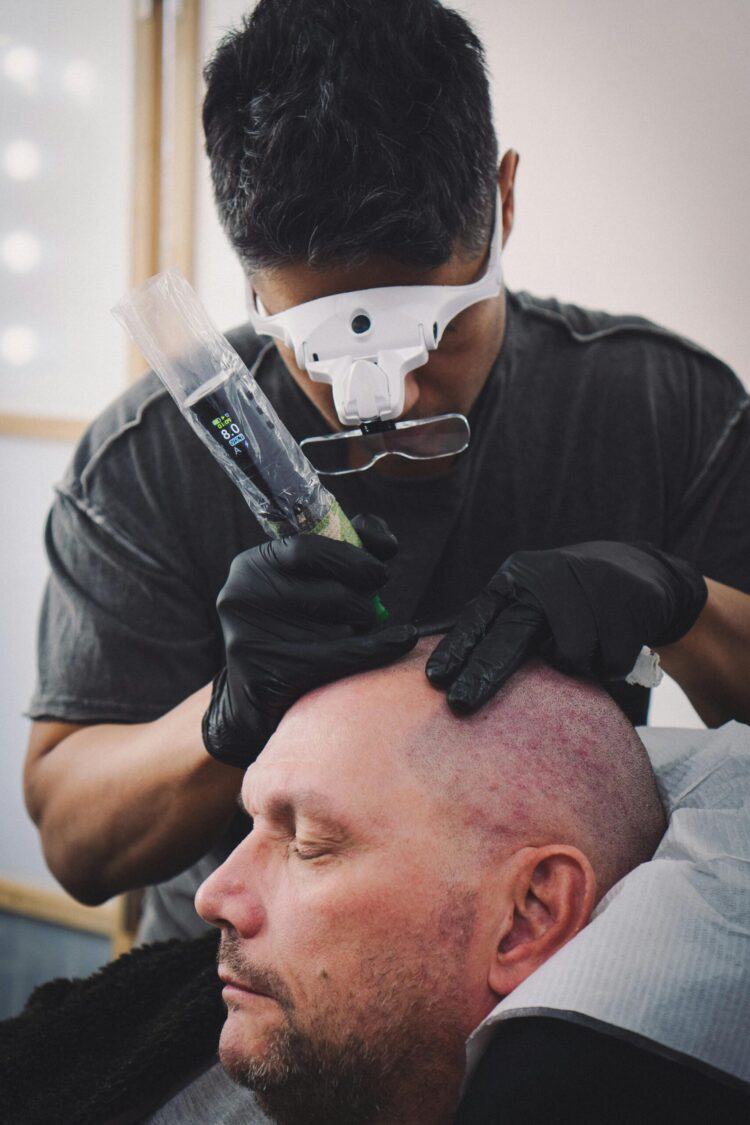
2. Hands-On Surgical Training
Certification without practical experience has little value.
Doctors must:
- Perform real procedures
- Practice extraction and implantation
- Work under supervision
3. Experienced Trainers
Certification is only valuable if the trainer is credible.
Look for:
- Years of experience
- Thousands of successful procedures
- Strong professional reputation
4. Real Patient Exposure
The best programs provide:
5. Assessment & Evaluation
A certified course should include:
- Skill evaluation
- Performance feedback
- Practical assessment
Global Certification vs Local Certification
International Certification
Advantages:
- Recognized globally
- Adds prestige
Limitations:
- Expensive
- Often theory-based
Local Certification (Pakistan & Similar Countries)
Advantages:
- Affordable
- Hands-on experience
- Faster skill development
Reality:
Skill matters more than the certificate name.
What You Learn in a Certified Hair Transplant Course
A comprehensive course includes:
1. Hair Loss Diagnosis
- Types of alopecia
- Patient evaluation
2. Hairline Design
- Natural aesthetics
- Facial proportions
3. Donor Area Management
- Safe extraction
- Density preservation
4. FUE Technique
- Graft extraction
- Handling and preservation
5. Implantation
- Density control
- Direction and angle
6. Post-Operative Care
- Recovery protocols
- Follow-ups
7. Complication Management
- Shock loss
- Infection control
Duration of Certified Courses
Course duration varies:
| Course Type | Duration |
|---|---|
| Basic Certification | 3–5 Days |
| Advanced Certification | 1–2 Weeks |
| Fellowship Program | 2–4 Weeks |
Longer courses provide better practical exposure and skill development.
Cost of Certified Hair Transplant Courses
Global pricing varies:
| Country | Cost |
|---|---|
| USA | $15,000 – $30,000 |
| UK | $10,000 – $20,000 |
| Turkey | $3,000 – $6,000 |
| Pakistan | $3,000 – $5,000 |
Pakistan offers high-quality certified training at affordable rates
Why Pakistan Is a Top Choice for Certified Training
Pakistan is becoming a global training hub due to:
Hands-On Experience
Doctors actively perform surgeries
High Patient Volume
Multiple cases daily
Affordable Fees
Lower cost with high value
Skilled Trainers
Experienced professionals with real expertise
How to Verify a Certified Course
Before enrolling, check:
✔ Trainer credentials
✔ Course curriculum
✔ Hands-on training availability
✔ Reviews and testimonials
✔ Clinic setup
Common Mistakes to Avoid
Choosing certification without practical training
Ignoring trainer experience
Selecting courses based only on price
Falling for marketing hype
Is Certification Alone Enough?
No.
Certification is important, but:
👉 Skills matter more than the certificate
Doctors must:
- Practice regularly
- Gain real experience
- Continuously upgrade skills
Career Benefits After Certification
Certified doctors can:
✔ Start Their Own Clinic
✔ Join Aesthetic Centers
✔ Work Internationally
✔ Offer Premium Services
ROI of Certified Hair Transplant Training
Hair transplant training offers:
- Low investment
- High earning potential
- Fast return
One procedure can cover a large portion of training cost.
Future of Certified Hair Transplant Training
The field is evolving with:
- AI-based planning
- Robotic assistance
- Advanced surgical tools
Certified and skilled doctors will dominate the future market.
Final Thoughts
A Certified Hair Transplant Course is the foundation of a successful career in hair restoration.
It provides:
✔ Professional credibility
✔ Practical skills
✔ Career growth opportunities
Choosing the right certified program can shape your future in this high-demand field.
Start Your Certified Training Today
For a professional, hands-on certified course:
🌐 https://www.aesthedoc.com/hair-transplant-course/
Contact for Enrollment
Call / WhatsApp: +92 333 7277272
Email: info@aesthedoc.com