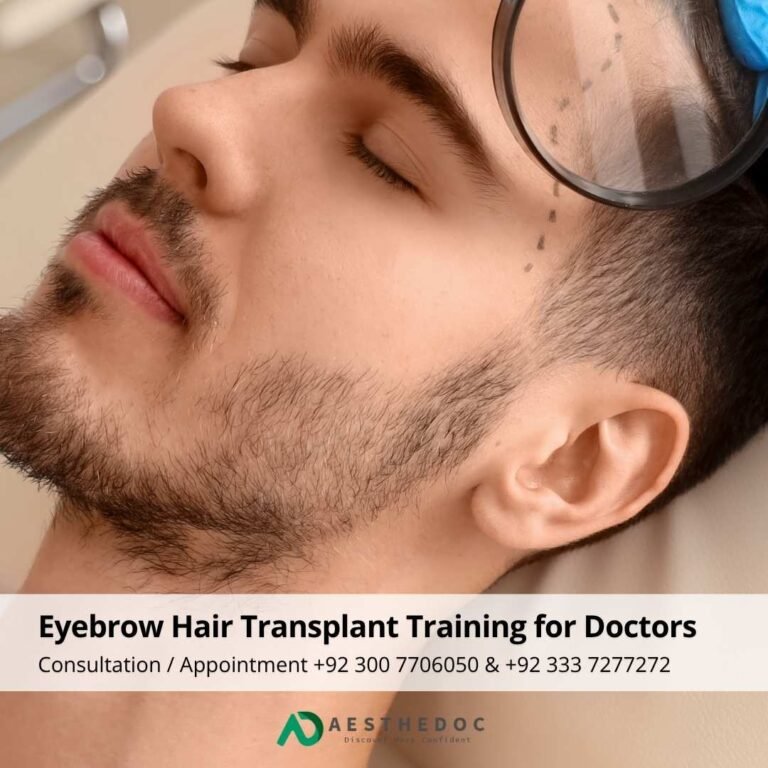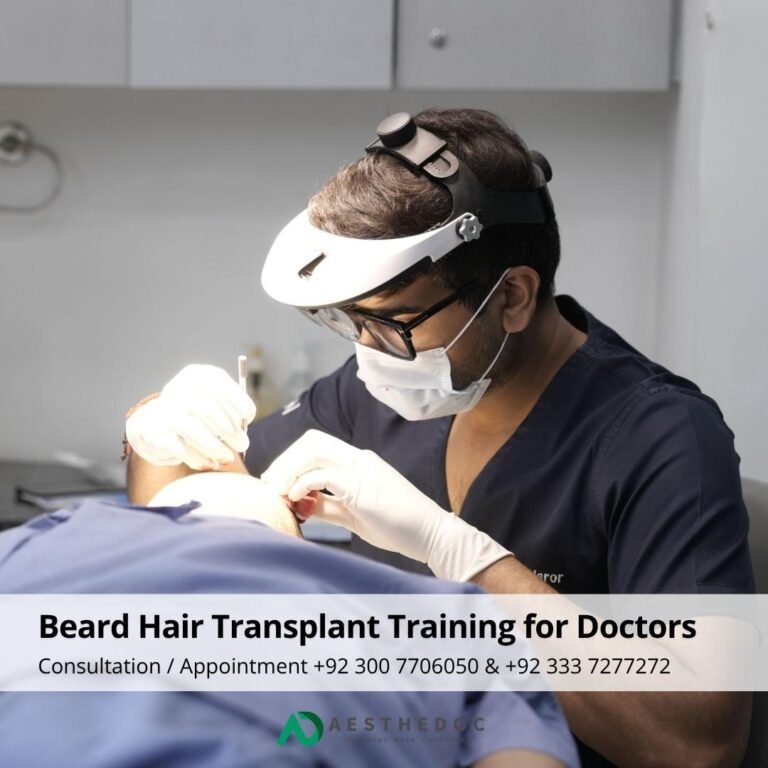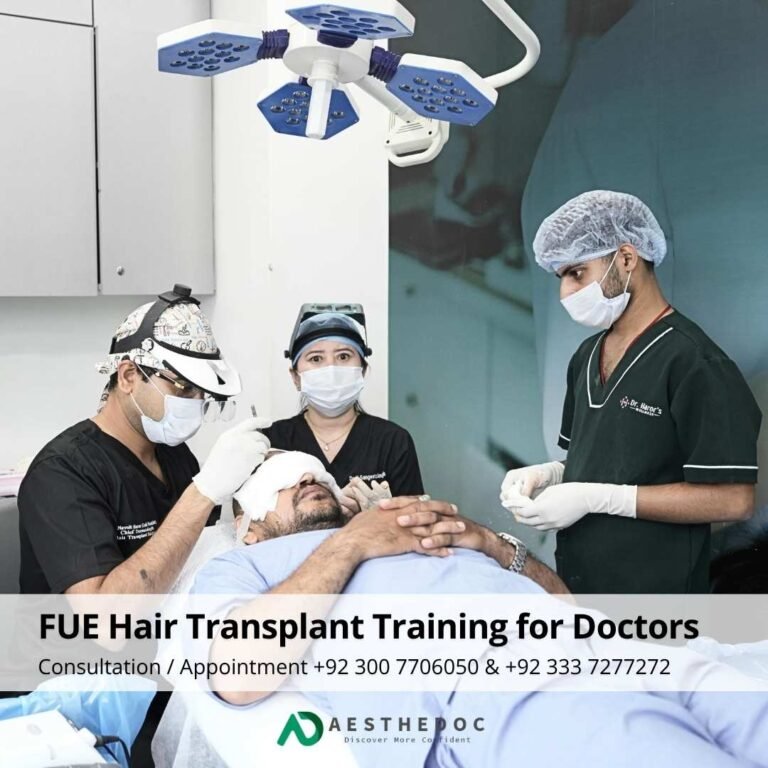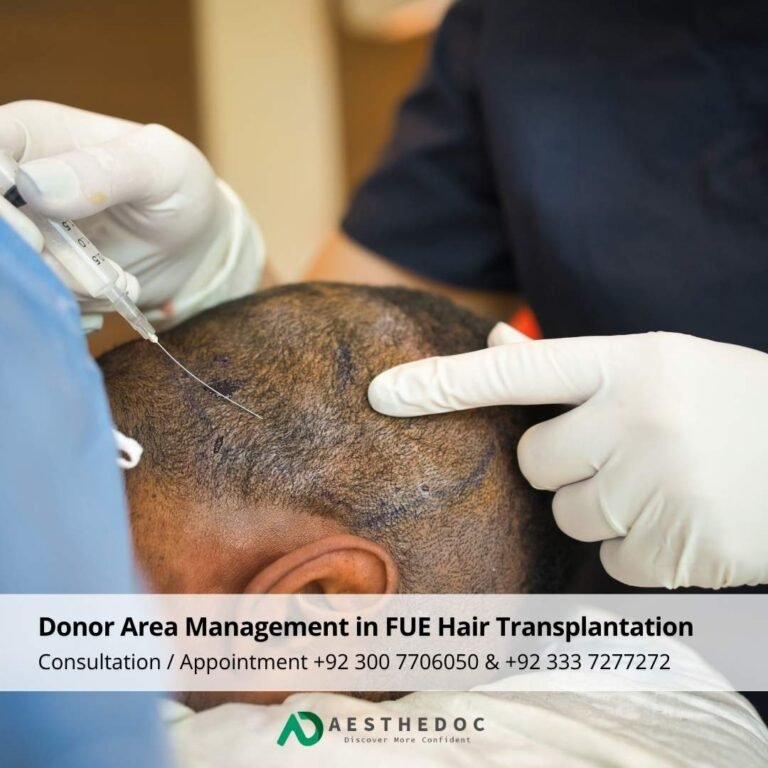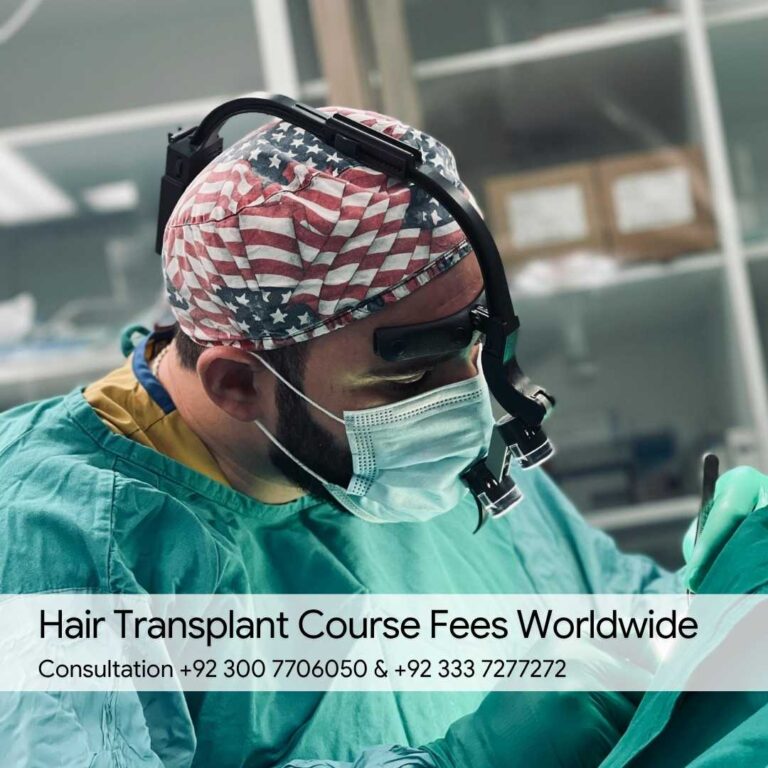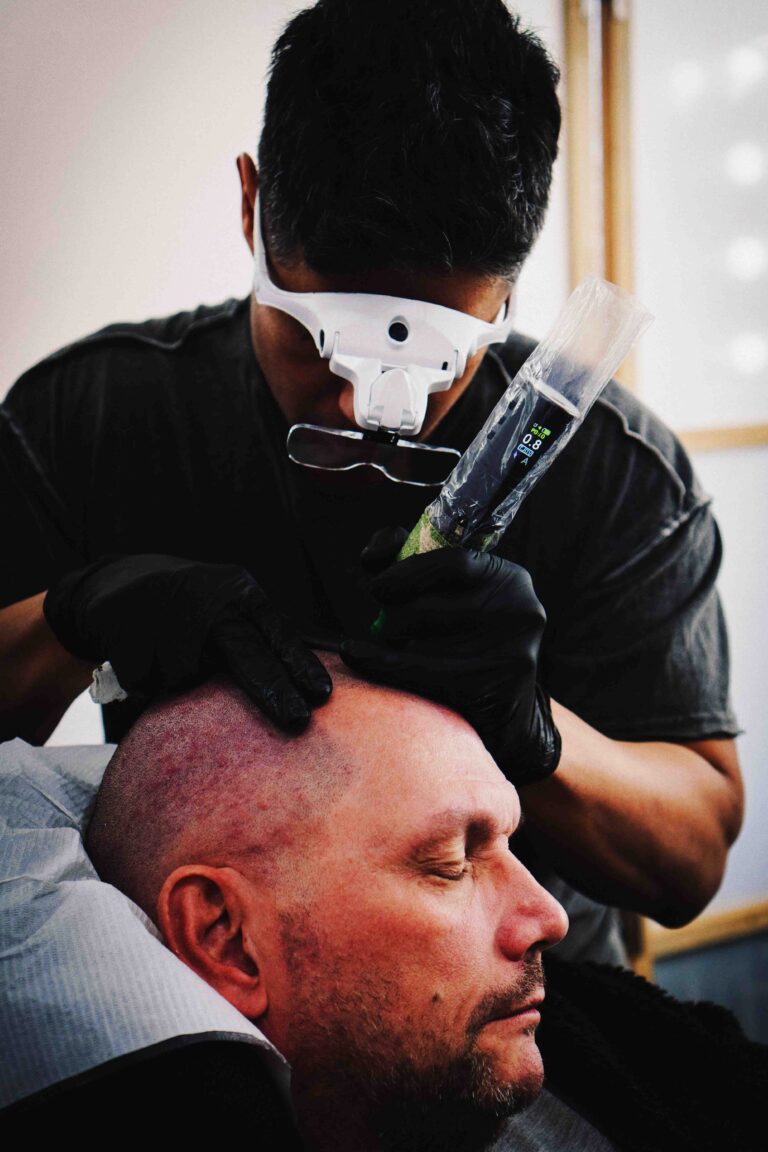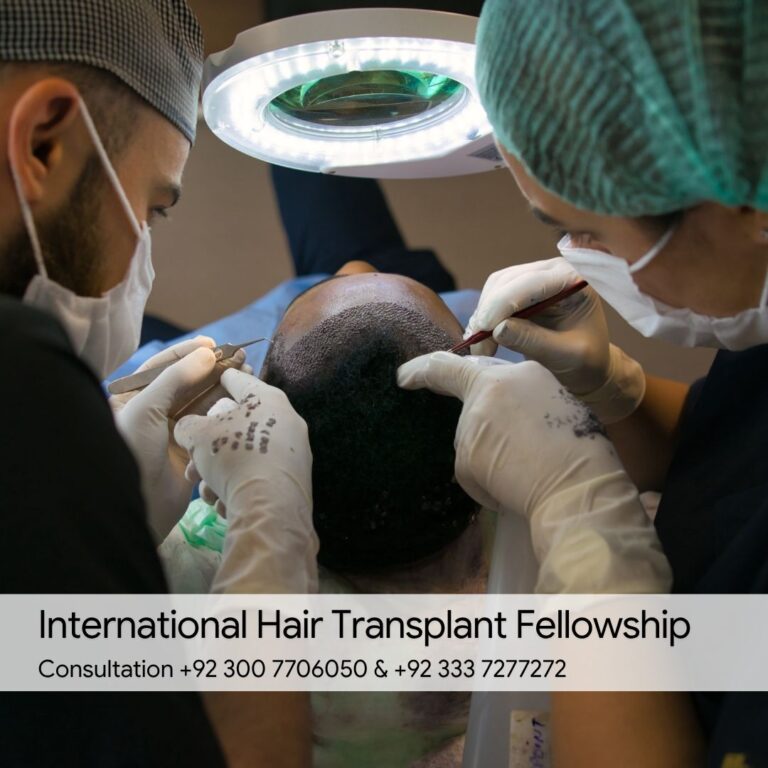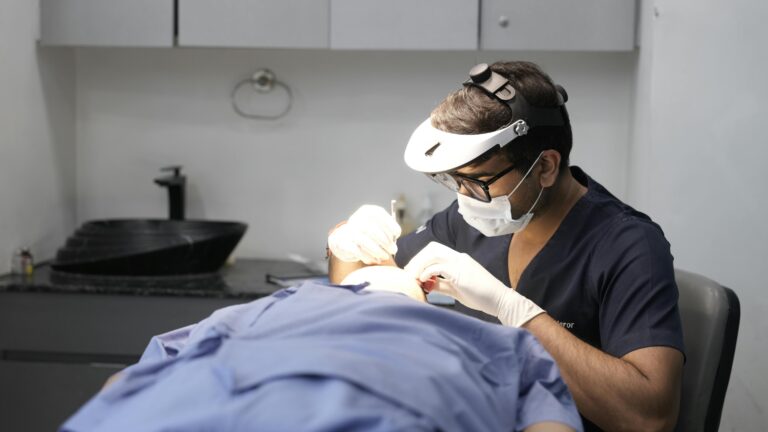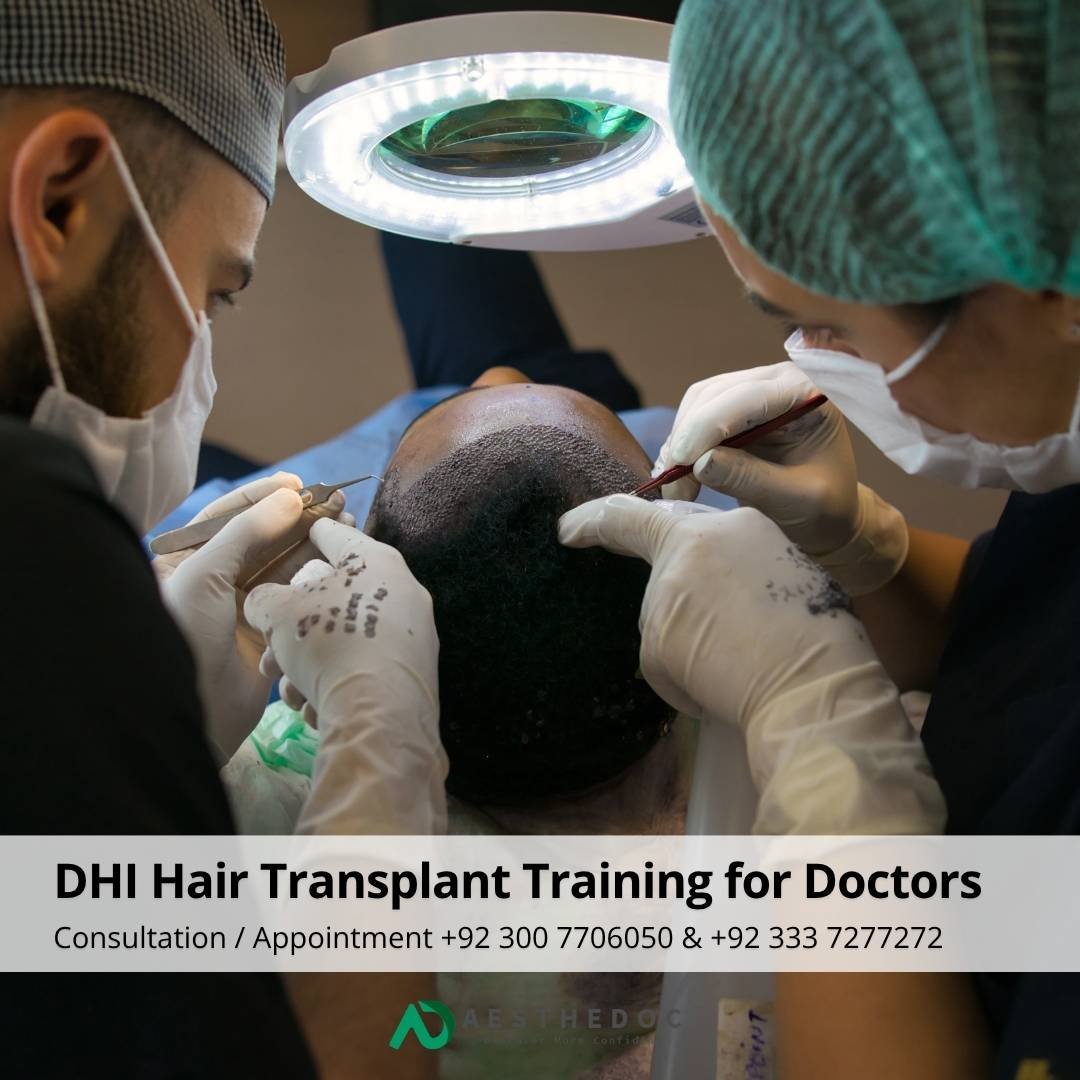
Hair restoration surgery has evolved significantly with the development of specialized follicular extraction systems, advanced implantation instruments and improved surgical planning methods. Among the techniques receiving considerable attention from hair restoration professionals is Direct Hair Implantation (DHI), an implantation approach commonly associated with specialized implanter pens.
For doctors interested in expanding their knowledge of hair transplantation, understanding DHI requires more than learning how to operate an implanter device. It involves studying follicular anatomy, graft handling, recipient area preparation, implantation angles, hairline design and the preservation of follicular units throughout the surgical process.
DHI is particularly relevant to medical professionals who want to understand different approaches to graft implantation and how these approaches can influence surgical workflow.
However, an important distinction must be understood: DHI is not an independent donor-harvesting technique. Follicular units still need to be obtained through a harvesting method, commonly Follicular Unit Excision (FUE), before they can be implanted.
This distinction is important when comparing surgical approaches and selecting professional hair transplant training.
At Aesthedoc Hair Transplant Clinic & Institute in Pakistan, doctors can explore modern hair restoration education under the leadership of Dr. Adnan Bashir, a Diplomate of the American Board of Hair Restoration Surgery (ABHRS).
This guide examines DHI implantation principles, implanter pen technology, graft preparation, recipient site planning, clinical considerations and the essential educational components doctors should look for when choosing an advanced hair transplant training programme.
Quick Overview: DHI Hair Transplant Training
DHI-related training focuses on the principles of follicular unit implantation using specialized implanter devices.
A comprehensive educational programme should address:
- Hair follicle anatomy.
- FUE harvesting fundamentals.
- Implanter pen components.
- Implanter needle and channel selection.
- Graft loading techniques.
- Follicular unit handling.
- Implantation angle and direction.
- Recipient area planning.
- Natural hairline creation.
- Graft placement and distribution.
- Graft trauma prevention.
- Implantation workflow.
- Postoperative care.
- Surgical safety and complication management.
Aesthedoc Training Information
| Programme detail | Information |
|---|---|
| Institute | Aesthedoc |
| Location | Pakistan |
| Lead trainer | Dr. Adnan Bashir |
| Professional credential | Diplomate, ABHRS |
| Training focus | Hair restoration and FUE/DHI principles |
| Educational components | Theory, surgical exposure and mentorship |
| Intended participants | Eligible medical professionals |
| Website | aesthedoc.com |
Prospective participants should confirm the exact DHI modules, practical activities, clinical supervision and upcoming training dates with the institute.
1. What Is DHI Hair Transplantation?
Direct Hair Implantation, commonly abbreviated as DHI, is a term used by some hair restoration practitioners to describe implantation using specialized implanter devices.
These instruments are designed to hold a follicular unit inside a small channel and allow it to be placed into the recipient scalp through a controlled mechanism.
Depending on the instrument design, an implanter may be used to insert a graft into a previously created recipient incision or to create an incision and implant the graft during the same action.
The technique is associated with the concept of controlled graft placement and reduced direct manipulation of the follicular bulb.
The International Society of Hair Restoration Surgery explains that DHI is not a separate hair transplantation method. It is a term used for particular implantation approaches. https://ishrs.org/patients/treatments-for-hair-loss/surgical-treatments/
How Does the DHI Implantation Approach Work?
The process generally involves three stages.
Stage 1: Follicular Unit Harvesting
Suitable follicular units are harvested from the donor region, commonly using FUE.
Stage 2: Graft Preparation
The extracted follicles are examined, sorted and prepared for implantation.
Stage 3: Implanter-Based Placement
Individual grafts are loaded into an appropriate implanter and positioned within the recipient area according to the surgical plan.
The surgeon must consider graft characteristics, recipient anatomy, hair direction, implantation angle and the desired distribution.
2. Understanding the Difference Between FUE and DHI
One of the most common misconceptions in hair restoration is that FUE and DHI are two completely separate harvesting techniques.
In reality, they describe different aspects of the procedure.
FUE refers to the method of harvesting individual follicular units from the donor area.
DHI generally refers to an implantation approach using specialized implanters.
This distinction is important for doctors learning modern hair restoration surgery.
FUE Hair Transplantation
Follicular Unit Excision involves harvesting individual follicular units using specialized punches.
After extraction, grafts may be implanted using forceps or implanter devices.
DHI Implantation
DHI generally involves loading grafts into specialized implanter pens and placing them into the recipient area.
The technique can involve creating the recipient incision and implanting the graft in one movement when sharp implanters are used.
FUE vs DHI: Educational Comparison
| Feature | FUE | DHI |
|---|---|---|
| Main concept | Donor harvesting method | Implantation approach |
| Donor extraction | Individual follicular unit extraction | Usually FUE or another harvesting method |
| Instrument | FUE extraction punch | Specialized implanter |
| Main focus | Follicular unit harvesting | Follicular unit placement |
| Recipient preparation | Depends on implantation approach | May use sharp implanter or pre-made sites |
| Graft handling | Depends on workflow | Graft loading and controlled placement |
| Learning requirements | Extraction and donor management | Implanter handling and implantation principles |
Can FUE and DHI Be Combined?
Yes. FUE harvesting can be followed by implanter-based implantation.
This combination is frequently described commercially as an FUE-DHI procedure.
Doctors should understand that the harvesting and implantation stages are separate technical components that can be combined in the same surgical procedure.
3. What Is a Hair Transplant Implanter Pen?
A hair transplant implanter is a specialized instrument designed to facilitate follicular unit placement.
It generally consists of a handle, a loading channel, a needle or stylus and a plunger mechanism.
The graft is positioned inside the instrument, and the plunger helps deliver it into the recipient area.
Main Components of an Implanter
Handle
Provides the operator with a grip and control during implantation.
Loading Channel
Holds the follicular unit before placement.
Needle or Stylus
Provides the channel through which the graft is positioned.
Plunger
Pushes the graft out of the instrument during implantation.
How Does an Implanter Work?
The instrument is prepared according to its design and manufacturer instructions.
The graft is carefully loaded into the device, maintaining appropriate follicular orientation.
The implanter is then positioned according to the planned recipient site direction and angle.
The graft is delivered through the instrument’s mechanism.
The exact sequence depends on whether the device is sharp or dull and whether recipient incisions have already been created.
4. Types of Hair Transplant Implanters
Implanter devices differ in their construction, needle design and implantation mechanism.
Doctors should become familiar with the different categories rather than assuming all implanters operate in the same way.
Sharp Implanters
Sharp implanters are designed to create an incision in the skin and deliver the graft during the implantation process.
Because they create an incision, their use involves surgical responsibilities and must comply with applicable professional qualifications and licensing requirements.
Dull Implanters
Dull implanters are generally used to place follicular units into previously prepared recipient incisions.
Their function is to assist with graft insertion rather than creating the original incision.
Different Implanter Needle Designs
Implanter devices may use different needle dimensions and configurations.
Selection depends on:
- Follicular unit characteristics.
- Hair calibre.
- Recipient area requirements.
- Graft size.
- Instrument compatibility.
- Surgeon experience.
- Manufacturer specifications.
There is no single implanter size suitable for every graft and every patient.
Why Instrument Familiarization Matters
Doctors should understand how the device works before using it in a clinical setting.
A structured training programme should introduce instrument components, loading principles, handling considerations, sterilization and maintenance.
5. Graft Loading Techniques and Follicular Unit Handling
Graft loading is an important part of implanter-based implantation.
A follicular unit must be positioned appropriately inside the instrument before placement.
Incorrect handling can damage delicate follicular structures.
Understanding Graft Anatomy
A follicular unit may contain one or multiple hair follicles.
It also includes surrounding connective tissue and associated structures.
During graft preparation, doctors should understand how to recognize the follicular bulb, shaft and surrounding tissue.
Graft Loading Considerations
Important educational areas include:
- Correct identification of graft orientation.
- Appropriate graft sizing.
- Instrument compatibility.
- Gentle tissue handling.
- Avoiding unnecessary compression.
- Preventing dehydration.
- Minimizing repeated manipulation.
Maintaining Graft Integrity
Follicular units are living tissue.
Their preservation requires appropriate handling and storage throughout the procedure.
Doctors should understand the importance of maintaining hydration, avoiding excessive manipulation and minimizing unnecessary out-of-body time.
Implanter devices may reduce certain forms of direct graft manipulation, but they do not eliminate the possibility of graft damage.
6. Recipient Area Planning Before DHI Implantation
Implantation begins with a carefully developed recipient area plan.
The surgeon must determine where follicular units should be positioned and how they should be distributed.
This involves understanding facial proportions, hair loss patterns, existing hair characteristics and donor availability.
Hairline Design
The frontal hairline is one of the most visually important aspects of hair restoration.
Its position should be appropriate for the patient’s age, facial proportions, existing hair characteristics and expected future hair loss.
A natural hairline should not look like a perfectly straight artificial boundary.
Doctors should study:
- Frontal transition zones.
- Temporal recessions.
- Single-hair graft distribution.
- Facial proportions.
- Natural irregularities.
- Long-term hair loss progression.
Density Planning
The number of grafts required depends on the recipient area’s size, existing density, donor availability and desired coverage.
Implanter-based placement does not automatically produce higher density.
The surgeon must plan graft distribution according to the clinical requirements of the individual patient.
Existing Hair Preservation
Recipient areas may contain native hair that needs to be considered during implantation.
Appropriate planning is important to minimize unnecessary trauma to existing follicles.
7. Implantation Angle, Direction and Depth
Natural-looking hair restoration depends on more than placing grafts into the scalp.
The angle and direction of each follicular unit influence how the transplanted hair will grow.
Understanding Hair Direction
Hair does not emerge from every part of the scalp in the same direction.
The frontal hairline, temporal regions, mid-scalp and crown have different growth patterns.
The surgeon should evaluate existing hair direction and design the recipient area accordingly.
Implantation Angle
The implantation angle influences how the hair emerges from the scalp.
An inappropriate angle may contribute to an unnatural appearance.
Training should explain how implantation instruments are positioned according to the intended hair direction.
Implantation Depth
Grafts must be placed at an appropriate depth within the recipient tissue.
Incorrect placement may result in problems such as buried grafts, protruding grafts or compromised tissue healing.
Doctors should understand the relationship between graft characteristics, recipient tissue and instrument design.
Crown Implantation
The crown presents a particular challenge because of its whorl pattern.
Its circular arrangement requires careful planning to reproduce the natural direction of existing hair.
Doctors should learn to evaluate crown anatomy and avoid applying a simple linear implantation pattern.
8. DHI for Frontal Hairline Restoration
The frontal hairline is an important area in hair transplantation because even small design differences can affect the overall appearance.
Implanter-based placement may be used as part of a carefully planned frontal restoration procedure.
Single-Hair Grafts in the Frontal Transition Zone
Single-hair follicular units are often important for creating a softer frontal transition.
The surgeon should consider graft selection, distribution and natural hair direction.
Multi-Hair Grafts Behind the Hairline
Multi-hair follicular units may be used in appropriate areas behind the frontal transition zone to contribute to coverage.
Their placement must be consistent with the patient’s existing hair characteristics.
Avoiding an Artificial Hairline
Common planning concerns include:
- Excessively straight hairline design.
- Inappropriate hairline height.
- Poor temporal transition.
- Incorrect hair direction.
- Inconsistent graft distribution.
A natural appearance depends on appropriate surgical planning rather than the choice of implanter alone.
9. DHI for Crown and Mid-Scalp Restoration
The crown and mid-scalp present different challenges from frontal restoration.
The surgeon must understand how to distribute grafts according to existing hair patterns.
Crown Whorl Design
The crown often has a circular or spiral arrangement.
The surgeon should evaluate the centre of the whorl, surrounding hair direction and recipient area size.
Mid-Scalp Density
The mid-scalp connects the frontal region with the crown.
Graft distribution should be planned to create appropriate visual continuity.
Donor Supply Considerations
Crown restoration can require a substantial number of grafts.
Doctors should understand the relationship between available donor supply and the treatment priorities of the patient.
A larger recipient area does not necessarily mean that every region can receive the same density.
10. DHI vs Forceps Implantation
Follicular units can be implanted using forceps or specialized implanter devices.
Both approaches have their own handling requirements and clinical considerations.
Forceps Implantation
With forceps implantation, the graft is gently held and inserted into a previously created recipient incision.
The surgeon must avoid unnecessary compression or direct trauma to the follicular bulb.
Implanter-Based Implantation
With implanter-based placement, the graft is loaded into an instrument and delivered into the recipient area.
The design of the instrument determines whether it is used with a previously prepared incision or creates the incision during placement.
Comparison
| Feature | Forceps | Implanter |
|---|---|---|
| Graft handling | Direct instrument contact | Graft held within an instrument |
| Recipient incision | Usually pre-made | Pre-made or created by sharp implanter |
| Placement mechanism | Manual insertion | Plunger-assisted delivery |
| Instrument requirements | Fine forceps | Specialized implanter |
| Learning focus | Graft control and insertion | Loading, orientation and delivery |
| Surgical workflow | Depends on team organization | Depends on device and workflow |
The ISHRS notes that implanters may reduce certain forms of direct graft manipulation, but technique and correct use remain important. https://ishrs.org/patients/treatments-for-hair-loss/surgical-treatments/
Neither implantation approach guarantees superior outcomes in every patient.
11. Does DHI Provide Higher Density Than Traditional FUE?
This is one of the most frequently asked questions about DHI.
There is no universal rule that implanter-based implantation automatically produces higher density than implantation with forceps.
Density depends on several factors:
- Recipient area characteristics.
- Existing hair density.
- Scalp vascularity.
- Graft quality.
- Recipient site design.
- Surgical planning.
- Appropriate spacing.
- Patient-specific limitations.
An implanter may offer certain workflow and handling advantages, but these advantages do not establish that it is always better for dense packing.
The surgeon must select an appropriate implantation approach according to the individual clinical situation.
12. DHI and Graft Survival: Important Clinical Considerations
Graft survival is influenced by the entire transplantation process.
The use of an implanter device alone cannot guarantee a particular survival rate.
Factors Affecting Graft Integrity
Extraction quality
The harvesting stage can affect the structural integrity of the follicular unit.
Graft handling
Excessive compression, repeated manipulation and dehydration may compromise graft quality.
Storage conditions
Appropriate storage and hydration are important while grafts remain outside the body.
Implantation technique
Careful placement is necessary to avoid unnecessary tissue trauma.
Patient factors
Healing characteristics, underlying medical conditions and postoperative care may influence results.
Why Doctors Need Comprehensive Training
Doctors should learn to assess graft quality throughout the entire surgical process.
Focusing exclusively on the implantation device overlooks other important determinants of surgical outcomes.
13. Common Technical Challenges During Implanter-Based Implantation
Implanter-based placement requires familiarity with instrument mechanics and graft characteristics.
Some challenges may include:
Incorrect Graft Loading
Incorrect orientation or positioning may interfere with smooth delivery.
Graft Damage
Excessive pressure or inappropriate handling may damage follicular structures.
Incorrect Implantation Depth
Inappropriate depth may affect graft placement and healing.
Inconsistent Direction
Poor control of the implantation angle may create an unnatural hair growth pattern.
Instrument Compatibility
Grafts and instruments must be appropriately matched.
Workflow Difficulties
The surgical team must coordinate graft preparation, loading and implantation while maintaining appropriate sterile practices.
These topics should be addressed through structured theoretical and practical education.
14. What Should Doctors Learn in a DHI Hair Transplant Training Course?
A comprehensive educational programme should include the following modules.
| Training module | Important learning areas |
|---|---|
| Hair anatomy | Follicular structures and growth cycle |
| Patient assessment | Diagnosis and surgical suitability |
| Donor harvesting | FUE extraction principles |
| Graft preparation | Inspection and sorting |
| Implanter anatomy | Device components and mechanisms |
| Graft loading | Handling and orientation |
| Recipient planning | Hairline and density design |
| Implantation | Placement principles and direction |
| Instrument selection | Needle and graft compatibility |
| Graft preservation | Hydration and trauma prevention |
| Postoperative care | Recovery and monitoring |
| Complication management | Recognition and appropriate response |
| Clinical ethics | Consent and patient safety |
Practical Learning Components
Where included in the programme, practical education may involve:
- Implanter device familiarization.
- Instrument handling demonstrations.
- Graft loading demonstrations.
- Graft orientation exercises.
- Recipient site planning.
- Implantation demonstrations.
- Clinical case observation.
- Supervised practical exposure within permitted professional scope.
Applicants should confirm which activities involve simulation, observation or actual clinical participation.
15. Who Should Consider DHI Training?
DHI-related education may be relevant to medical professionals interested in expanding their understanding of hair restoration.
Dermatologists
Dermatologists who diagnose and manage hair loss may benefit from understanding surgical hair restoration and different implantation approaches.
Plastic Surgeons
Plastic surgeons may find implanter-based implantation relevant to the aesthetic and reconstructive aspects of hair restoration.
General Surgeons
Eligible surgeons may pursue additional professional education in follicular harvesting and implantation principles.
MBBS Doctors
Medical graduates can enquire about introductory hair restoration education according to the provider’s admission policy.
However, completion of a course does not independently authorize surgical practice.
Aesthetic Physicians
Eligible aesthetic physicians may be interested in learning the fundamentals of hair restoration and understanding surgical approaches.
International Doctors
Medical professionals from the United Kingdom, United States, UAE, Saudi Arabia, Canada, Australia and other countries may enquire about international admission and training arrangements at Aesthedoc.
Professional qualifications, local licensing and the permitted scope of clinical participation must always be verified.
16. How to Choose the Right DHI Hair Transplant Training Institute
Choosing a suitable training provider requires evaluating more than the course title.
Doctors should examine the qualifications of the trainer, educational content and opportunities for appropriate supervised learning.
Trainer Qualifications
Review the trainer’s medical background, professional credentials, surgical experience and experience in hair restoration.
Implanter Training
Ask which implanter systems are included in the programme and whether doctors receive practical instruction in device handling and graft loading.
Complete Hair Restoration Education
DHI should not be studied in isolation.
A good programme should explain donor harvesting, graft preparation, recipient planning and postoperative care.
Clinical Exposure
Confirm whether live surgical cases are observed and whether supervised practical participation is available.
Patient Safety
Evaluate infection control, informed consent, clinical governance and the responsibilities of the surgical team.
Certificate Information
Confirm which organization issues the training certificate and what professional recognition, if any, it provides.
A course certificate should not be confused with medical specialist certification or an independent licence to perform surgery.
17. DHI and FUE Training at Aesthedoc, Pakistan
Aesthedoc Hair Transplant Clinic & Institute provides hair restoration education for eligible medical professionals interested in modern transplantation techniques.
The programme is led by Dr. Adnan Bashir, a Diplomate of the American Board of Hair Restoration Surgery (ABHRS).
Aesthedoc’s published training information includes FUE, DHI, implanter-based implantation principles, clinical exposure and professional mentorship.
Meet Dr. Adnan Bashir
Dr. Adnan Bashir has a medical and academic background and professional experience in hair restoration and aesthetic medicine.
His published qualifications include:
- MBBS – Foundation University Medical College, Islamabad.
- M.Phil Pharmacology – University of Health Sciences, Lahore.
- Diplomate – American Board of Hair Restoration Surgery (ABHRS).
- CPD UK-certified aesthetic trainer.
- Qualifi UK Level 5 and Level 7 trainer in aesthetic medicine.
- Certified HRA-Robograft provider.
- Advanced Cardiac Life Support certification from the American Heart Association.
His professional profile describes experience in FUE hair transplantation, beard restoration, eyebrow reconstruction and corrective hair restoration.
What Doctors Can Study at Aesthedoc
The published training curriculum covers multiple areas of hair restoration.
Hair Loss Fundamentals
- Hair anatomy and physiology.
- Causes and patterns of hair loss.
- Patient assessment.
- Surgical treatment planning.
Donor Area Management
- Donor density assessment.
- Safe donor zone principles.
- Extraction planning.
- Overharvesting prevention.
FUE Hair Transplantation
- Manual and motorized extraction.
- Punch selection.
- Graft handling.
- Follicular unit preservation.
DHI Implantation
- Implanter pen familiarization.
- Direct implantation principles.
- Graft loading.
- Recipient area planning.
- Implantation direction and placement.
- Graft trauma prevention.
Advanced Hair Restoration
- Beard transplantation.
- Eyebrow restoration.
- Corrective hair transplantation.
- Scar and burn-related restoration.
Postoperative Management
- Patient instructions.
- Recovery monitoring.
- Complication recognition.
- Follow-up planning.
The precise depth and practical scope of each module should be confirmed with the institute before registration.
Why Consider Aesthedoc for Hair Transplant Training?
For international doctors comparing training destinations, Aesthedoc offers an opportunity to study modern hair restoration techniques in Pakistan.
The programme combines theoretical education, surgical exposure and mentorship under an ABHRS Diplomate.
Doctors can enquire about the available FUE and DHI learning components, equipment, course schedules and clinical participation arrangements.
18. International DHI Hair Transplant Training: What Doctors Should Know
Doctors considering international training should evaluate professional and logistical requirements before travelling.
Admission Requirements
Potential applicants should confirm:
- Accepted medical qualifications.
- Professional registration requirements.
- Previous surgical experience, if required.
- Course language.
- Practical training eligibility.
- Required documentation.
Training in Pakistan
Pakistan offers medical professionals an opportunity to explore professional hair restoration education through institutes such as Aesthedoc.
International applicants should request details about the training location, accommodation options, visa documentation and course schedule before making travel arrangements.
Practising After Training
Completing an international course does not automatically authorize a doctor to perform hair transplantation in their home country.
Medical licensing, surgical privileges, specialist requirements and professional regulations vary between jurisdictions.
Doctors should verify the applicable requirements in the country where they intend to practise.
19. Frequently Asked Questions About DHI Hair Transplant Training
What is DHI hair transplant training?
DHI training focuses on implantation using specialized implanter devices. It may include implanter handling, graft loading, recipient site planning and follicular unit placement.
Is DHI a separate hair transplant technique from FUE?
No. FUE describes a donor harvesting method, while DHI generally refers to an implantation approach. FUE-harvested grafts can be implanted using implanters.
What is a DHI implanter pen?
It is a specialized instrument designed to hold a follicular unit and deliver it into the recipient area using a plunger mechanism.
What is the difference between sharp and dull implanters?
Sharp implanters create an incision and place the graft. Dull implanters are generally used to insert grafts into previously created recipient sites.
Does DHI provide better results than FUE?
They are not directly competing harvesting techniques. Results depend on patient selection, donor management, graft quality, implantation technique and surgical planning.
Can DHI be performed after FUE extraction?
Yes. Follicular units harvested using FUE can be implanted using an implanter-based approach.
Does DHI always produce higher hair density?
No. Density depends on recipient area characteristics, graft availability, surgical planning and tissue considerations. An implanter does not guarantee higher density.
Is DHI suitable for frontal hairline restoration?
Implanter-based implantation may be used for frontal restoration in selected cases. Hairline design, graft selection and natural direction remain essential.
Can implanter pens reduce graft damage?
They may reduce certain types of direct manipulation, but incorrect loading, placement or instrument handling can still damage grafts.
Who can attend DHI hair transplant training?
Eligible medical professionals, including dermatologists, plastic surgeons and appropriately qualified doctors, may enquire according to the institute’s admission requirements.
Does DHI training include FUE extraction?
A comprehensive programme may cover both stages. Applicants should confirm whether extraction training and implanter implantation are both included.
Is practical DHI training available at Aesthedoc?
Aesthedoc’s published programme includes DHI and implanter-based training. Applicants should confirm the precise practical activities and level of supervised clinical participation.
Where is Aesthedoc hair transplant training conducted?
Aesthedoc’s main training programme is offered in Pakistan. International doctors can contact the institute for current location and scheduling details.
Does completing DHI training make someone a certified hair transplant surgeon?
No. Training attendance does not automatically confer specialist status, board certification or independent surgical privileges. Appropriate medical licensing and competency requirements still apply.
20. Enquire About DHI and Advanced Hair Transplant Training at Aesthedoc
Direct Hair Implantation and implanter-based graft placement are important subjects within modern hair restoration education.
Doctors interested in these approaches should develop a comprehensive understanding of follicular anatomy, donor harvesting, graft preparation, instrument handling and recipient site planning.
At Aesthedoc Hair Transplant Clinic & Institute, eligible medical professionals can explore hair transplant training under the leadership of Dr. Adnan Bashir, a Diplomate of the American Board of Hair Restoration Surgery.
The educational programme covers modern hair restoration principles, FUE, DHI implantation, graft handling, donor management, hairline design, clinical exposure and postoperative care.
Whether you are a dermatologist, plastic surgeon, general surgeon or another eligible medical professional, contact Aesthedoc to discuss your professional background and training objectives.
Contact Aesthedoc Hair Transplant Training Institute
Institute: Aesthedoc Hair Transplant Clinic & Institute
Lead Trainer: Dr. Adnan Bashir
Professional Credential: Diplomate, American Board of Hair Restoration Surgery (ABHRS)
Training Location: Pakistan
Programme: FUE and DHI Hair Transplant Training
WhatsApp / International Enquiries: +92 333 727 7272
Additional Contact: +92 300 7706050
Email: info@aesthedoc.com
Contact the institute to request the curriculum, implanter training details, available dates, admission requirements and supervised practical learning opportunities.
Develop your knowledge of modern hair restoration through structured medical education and professional mentorship at Aesthedoc.
Medical Disclaimer
This article is intended for professional medical education and general information. Hair transplantation is a surgical procedure requiring appropriate qualifications, clinical competence and compliance with applicable professional regulations. Sharp implanter use and recipient site incision creation involve surgical responsibilities. Clinical participation must follow informed patient consent, appropriate supervision and applicable licensing requirements. Training attendance does not independently confer specialist recognition or authorization to practise surgery.