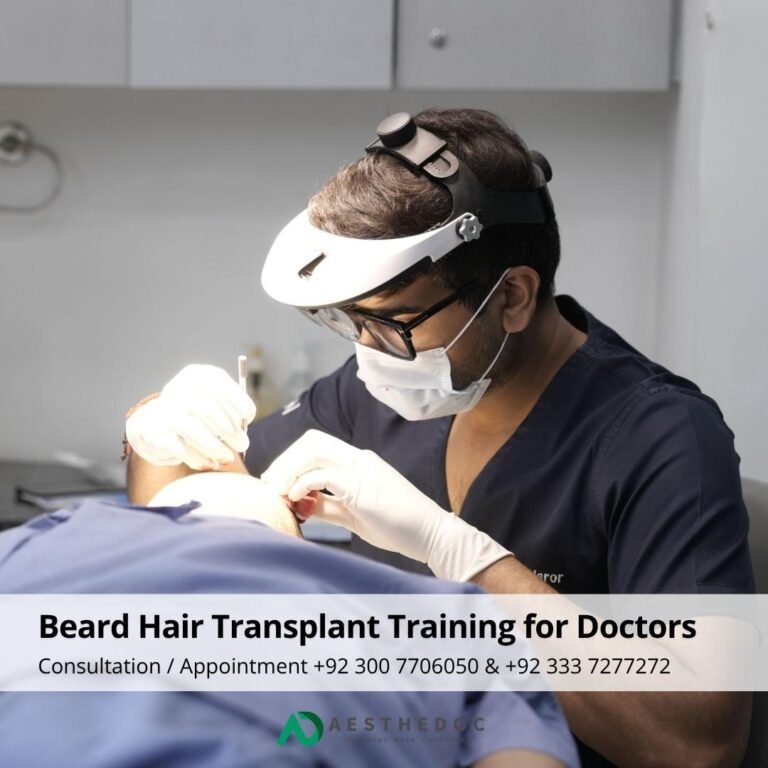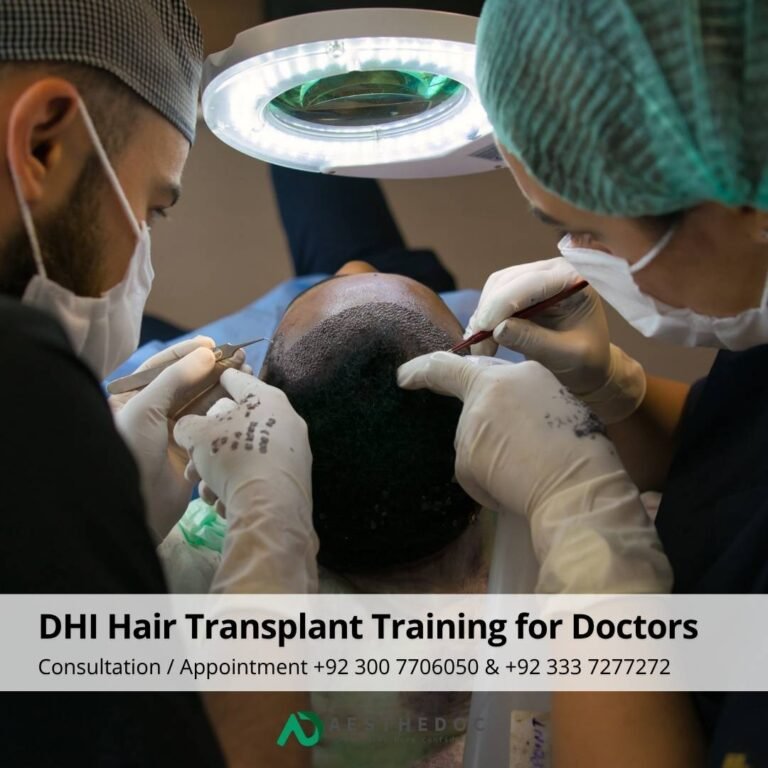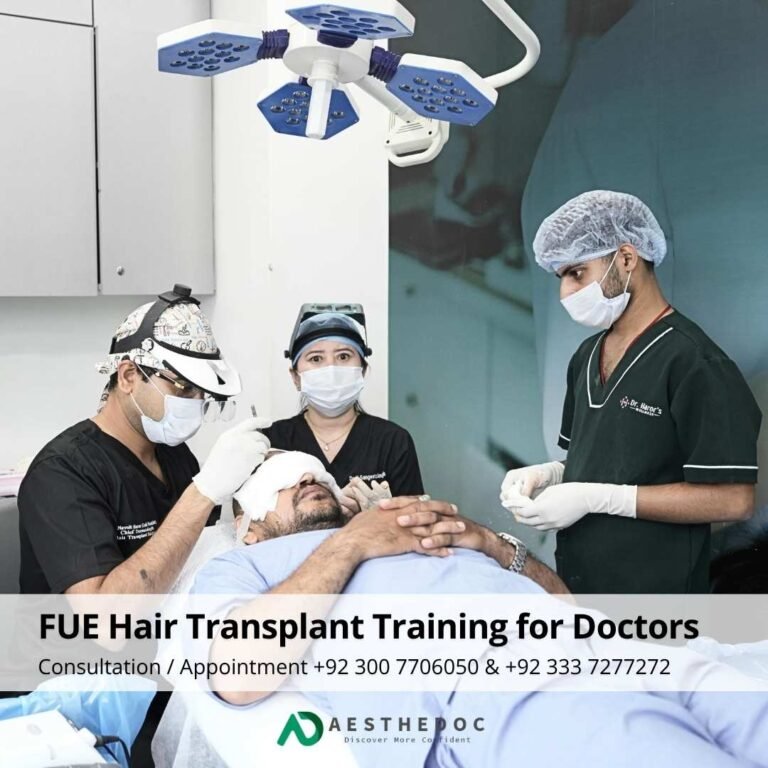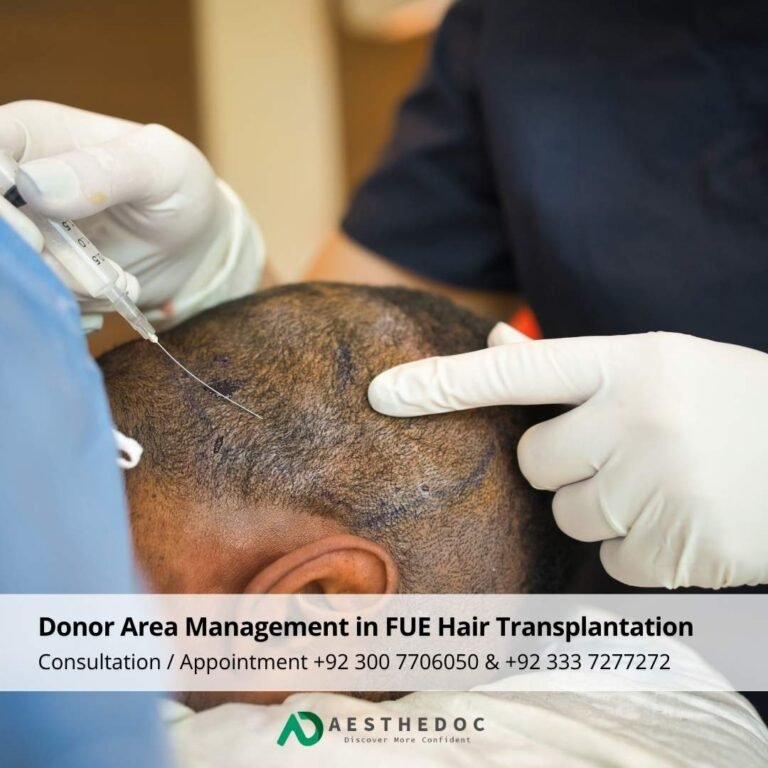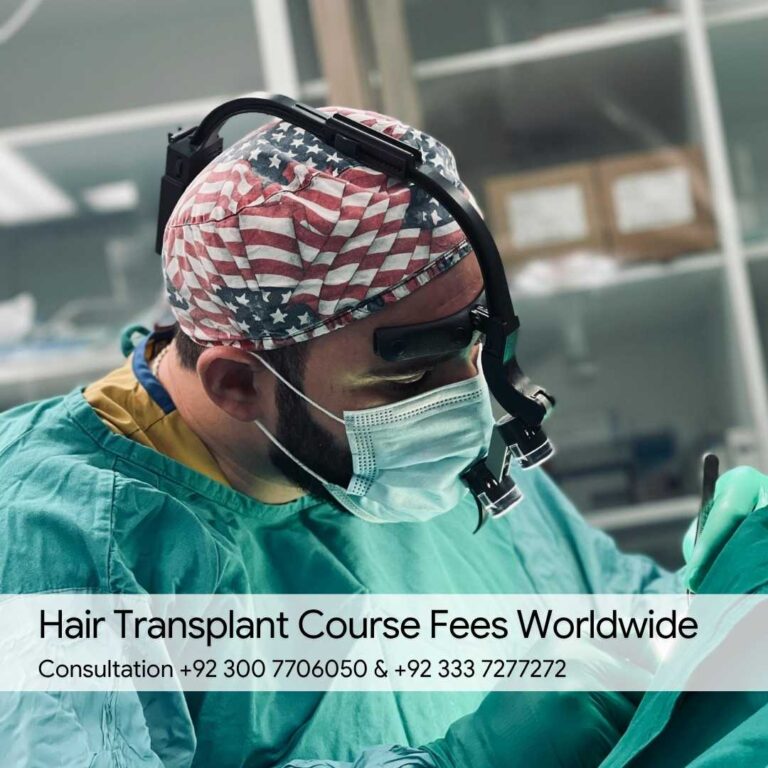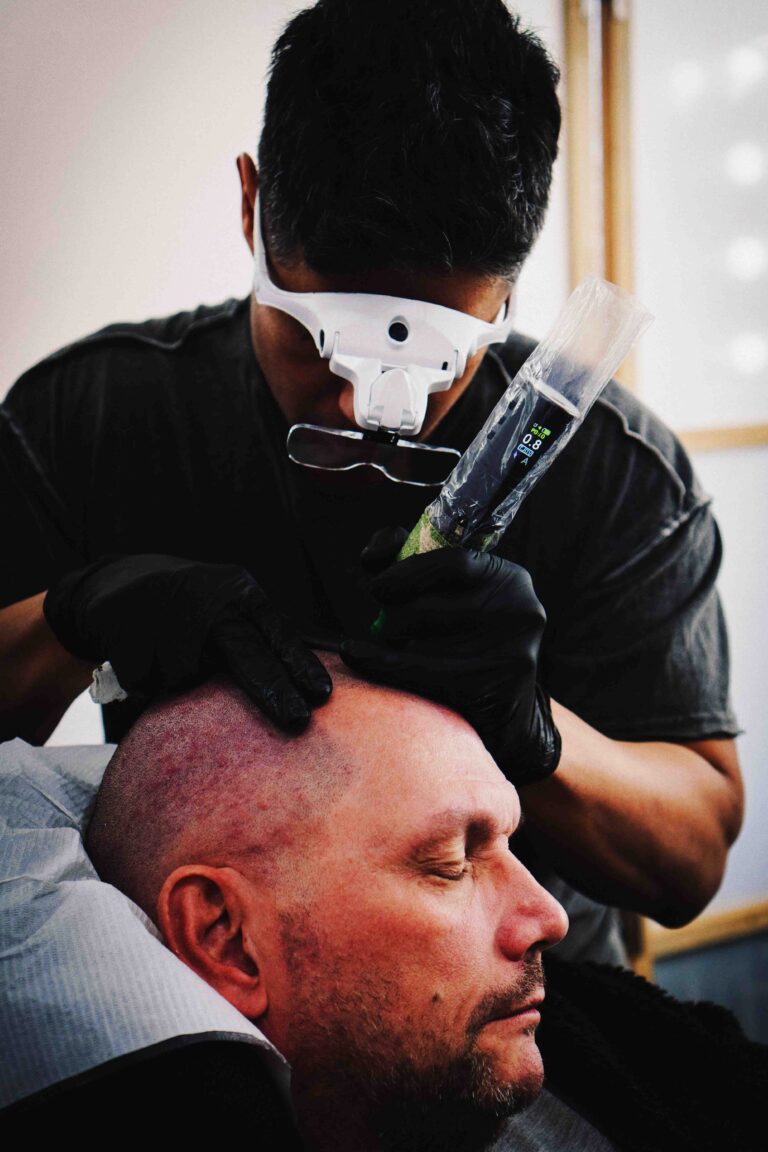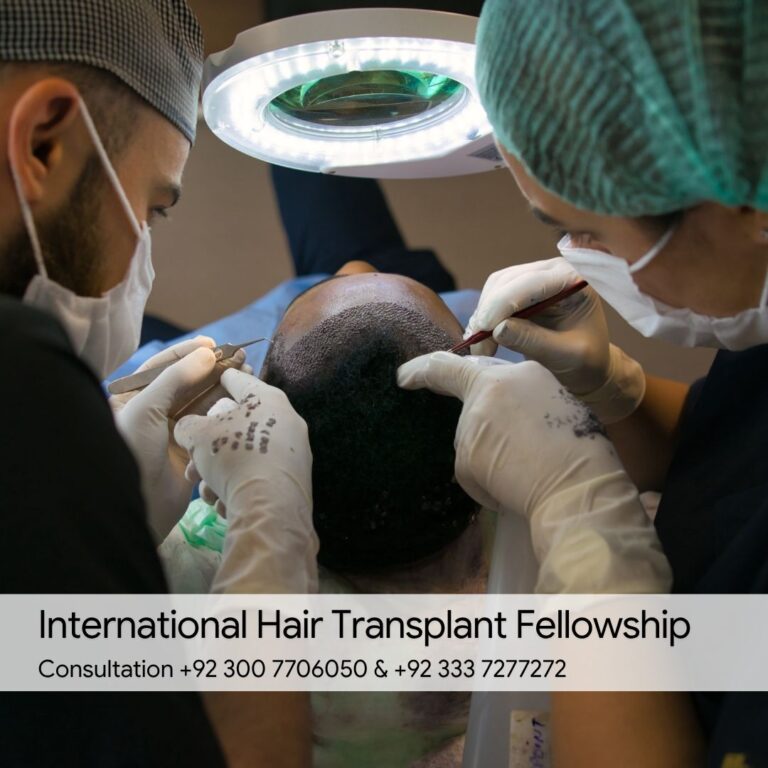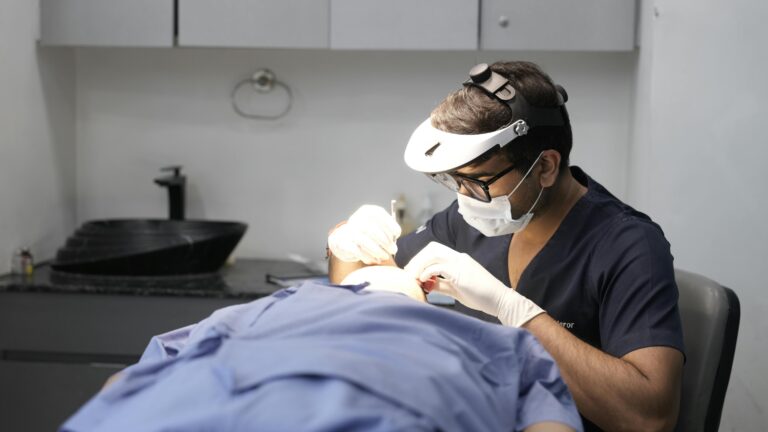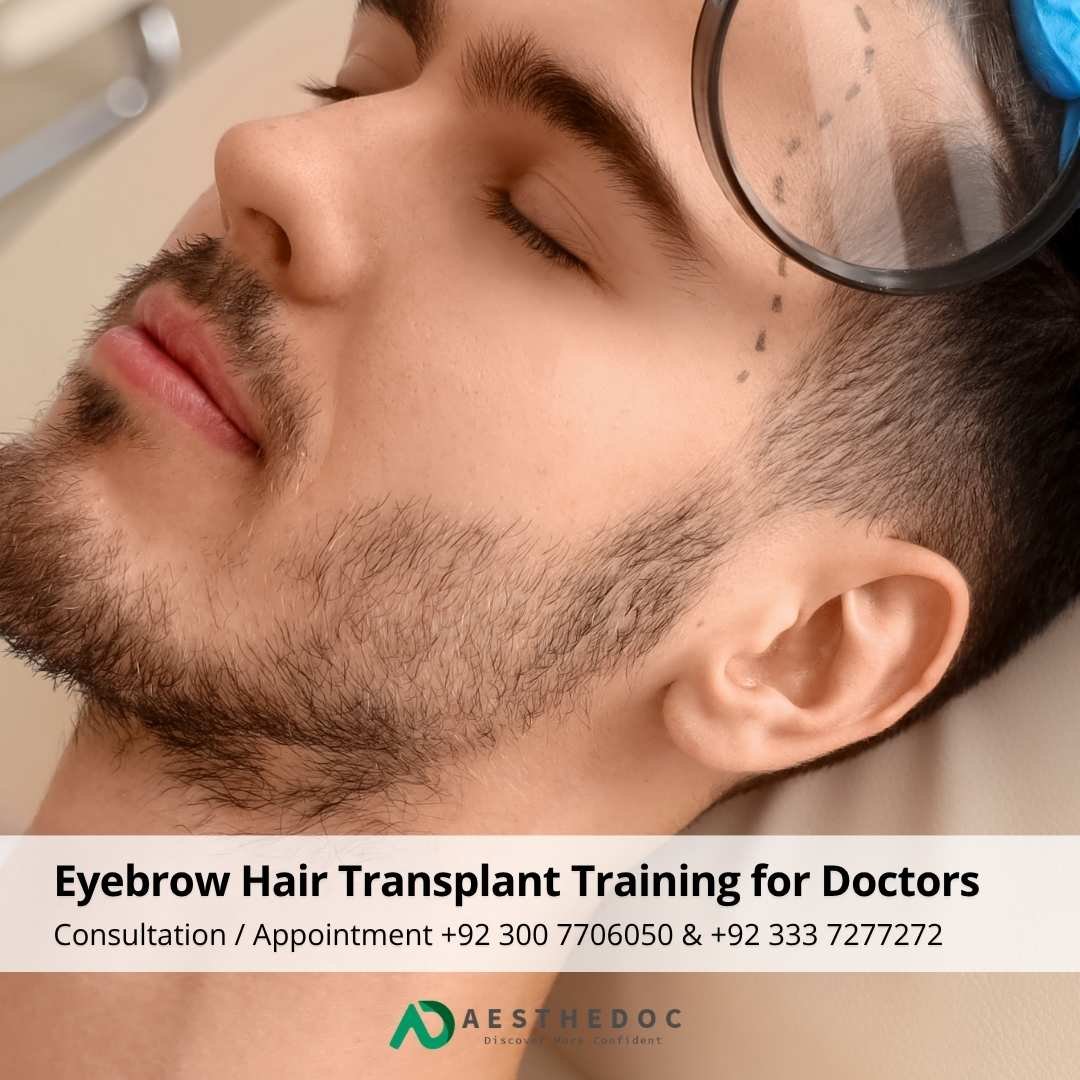
Eyebrow transplantation is a specialized area of modern hair restoration surgery that requires precision, anatomical knowledge and a strong understanding of facial aesthetics. Unlike conventional scalp hair transplantation, eyebrow restoration involves working within a relatively small recipient area where even minor differences in graft direction, angle, density and distribution can influence the final appearance.
For doctors interested in developing advanced hair restoration skills, eyebrow transplantation offers an opportunity to understand a highly specialized form of follicular unit restoration. It requires knowledge of donor hair selection, follicular unit preparation, eyebrow anatomy, facial symmetry, recipient site creation and the careful placement of individual hair grafts.
Patients may seek eyebrow transplantation for naturally thin eyebrows, congenital hair deficiencies, overplucking-related hair loss, traumatic injuries, burns, surgical scars or previous unsuccessful cosmetic procedures.
However, successful eyebrow restoration is not simply about increasing the number of hairs. The surgeon must understand the natural eyebrow architecture, including its medial head, central body, arch and lateral tail. Each region has different hair directions and aesthetic requirements.
This is why eyebrow hair transplant training for doctors should focus on the specialized principles of facial hair restoration rather than treating eyebrow transplantation as an ordinary scalp hair transplant.
At Aesthedoc Hair Transplant Clinic & Institute in Pakistan, eyebrow transplantation is included among the advanced hair restoration subjects offered through its hair transplant training programme. The programme is led by Dr. Adnan Bashir, a Diplomate of the American Board of Hair Restoration Surgery (ABHRS).
This comprehensive guide explores eyebrow transplantation, FUE harvesting, eyebrow design, graft selection, implantation techniques, surgical challenges and the educational components doctors should evaluate when choosing an advanced hair restoration training institute.
Quick Overview: Eyebrow Hair Transplant Training for Doctors
Eyebrow hair transplant training is specialized medical education focused on restoring eyebrow hair through follicular unit transplantation.
A comprehensive educational programme should address:
- Eyebrow anatomy and hair growth patterns.
- Facial proportions and eyebrow symmetry.
- Patient selection and clinical assessment.
- Causes of eyebrow hair loss.
- Donor area evaluation.
- FUE extraction principles.
- Single-hair graft selection.
- Graft preparation and preservation.
- Natural eyebrow design.
- Recipient site creation.
- Implantation angle and direction.
- Eyebrow density planning.
- Management of scar-related eyebrow loss.
- Postoperative care.
- Complication recognition and management.
- Corrective eyebrow transplantation.
Aesthedoc Training Information
| Programme detail | Information |
|---|---|
| Institute | Aesthedoc |
| Location | Pakistan |
| Lead trainer | Dr. Adnan Bashir |
| Professional credential | Diplomate, ABHRS |
| Training focus | Hair restoration surgery |
| Advanced subjects | Eyebrow and beard transplantation |
| Educational format | Theory, surgical exposure and mentorship |
| Intended participants | Eligible medical professionals |
| Website | aesthedoc.com |
The published Aesthedoc programme also describes theoretical training, hands-on FUE surgical exposure, live patient cases and one-to-one mentoring. Doctors should confirm the specific eyebrow training activities and level of supervised clinical participation before enrolment.
1. What Is Eyebrow Hair Transplantation?
Eyebrow hair transplantation is a surgical procedure that involves transferring follicular units from a suitable donor region into areas of the eyebrows requiring additional hair coverage.
The procedure aims to improve eyebrow density, restore missing hair and create a shape that complements the patient’s facial proportions.
Unlike temporary eyebrow enhancement methods, transplantation introduces living follicular units into the recipient area.
Common Reasons for Eyebrow Transplantation
Patients may consider eyebrow restoration for several reasons:
- Naturally thin eyebrows.
- Congenital eyebrow deficiencies.
- Overplucking-related hair loss.
- Traumatic eyebrow injuries.
- Burn-related eyebrow loss.
- Surgical scars.
- Selected cases of alopecia.
- Previous cosmetic procedures.
- Unsuccessful previous eyebrow transplantation.
The suitability of surgery depends on the cause of hair loss, the condition of the recipient skin and the availability of suitable donor follicles.
How Does Eyebrow Transplantation Work?
The procedure generally involves three major stages.
Stage 1: Donor Hair Extraction
Suitable follicular units are harvested from an appropriate donor region, commonly the scalp.
Stage 2: Graft Preparation
Harvested follicles are examined, sorted and prepared for implantation.
Stage 3: Eyebrow Implantation
Individual grafts are placed into the recipient eyebrow area according to the planned shape, direction and density.
The surgeon must pay particular attention to the natural growth pattern of eyebrow hair.
2. Why Is Eyebrow Hair Transplant Training Different From Scalp Hair Transplant Training?
Although both procedures involve follicular unit transplantation, eyebrow restoration has distinct technical requirements.
The scalp provides a relatively large recipient area, whereas eyebrows are smaller and have more intricate directional patterns.
Smaller Recipient Area
The eyebrow contains a relatively limited number of follicles compared with the scalp.
This makes graft distribution and placement particularly important.
Complex Hair Direction
Eyebrow hair does not grow in one uniform direction.
Its orientation changes between the medial head, central body, arch and lateral tail.
Single-Hair Graft Requirements
Eyebrow transplantation commonly relies on individual hair follicles or carefully selected single-hair follicular units to achieve a natural appearance.
Facial Symmetry
The two eyebrows must be evaluated in relation to each other and to the patient’s facial structure.
Perfect mathematical symmetry is not always natural, but noticeable imbalance should be avoided.
Different Aesthetic Expectations
Eyebrow restoration is not simply about achieving maximum density.
The objective is to recreate a natural eyebrow pattern that complements the face.
For these reasons, doctors should seek specialized eyebrow restoration education within a broader hair transplantation curriculum.
3. Understanding Eyebrow Anatomy and Hair Growth Patterns
Understanding eyebrow anatomy is essential before learning eyebrow transplantation.
The eyebrow is a complex facial structure containing hair follicles, skin, connective tissue and surrounding muscles.
Its appearance contributes to facial expression, symmetry and overall aesthetic balance.
The Four Main Eyebrow Regions
1. Medial Head
The medial head is the inner portion of the eyebrow, located closer to the nose.
Its hairs generally have a more upward-oriented growth pattern.
2. Central Body
The body forms the central and largest portion of the eyebrow.
Hair direction gradually changes as it moves laterally.
3. Eyebrow Arch
The arch represents the upper contour of the eyebrow.
Its position influences the overall eyebrow shape and relationship with the upper eyelid.
4. Lateral Tail
The tail forms the outer end of the eyebrow.
Hair direction generally becomes more lateral and downward-oriented.
Why Regional Anatomy Matters
A surgeon should understand that each eyebrow region requires different planning.
Applying a single direction or implantation pattern across the entire eyebrow can produce an unnatural appearance.
Eyebrow Hair Growth Cycle
Like scalp hair, eyebrow follicles undergo anagen, catagen and telogen phases.
However, eyebrow hair generally has a shorter growth cycle than scalp hair.
This difference is important when counselling patients about postoperative growth and maintenance.
4. Causes of Eyebrow Hair Loss and Patient Assessment
Before considering eyebrow transplantation, doctors must establish the cause of eyebrow hair loss.
Not every patient with sparse eyebrows is an appropriate surgical candidate.
Some conditions require medical treatment rather than transplantation.
Common Causes of Eyebrow Hair Loss
Potential causes include:
- Overplucking.
- Traumatic injury.
- Burn injuries.
- Surgical scars.
- Alopecia areata.
- Frontal fibrosing alopecia.
- Thyroid-related disorders.
- Nutritional deficiencies.
- Skin inflammation.
- Medication-related hair loss.
- Congenital follicular deficiencies.
Medical Evaluation
The consultation should include a detailed medical history and examination.
Important areas include:
- Duration of eyebrow hair loss.
- Pattern of hair loss.
- Previous cosmetic treatments.
- History of autoimmune disease.
- Thyroid-related symptoms.
- Medication history.
- Skin conditions.
- Previous facial injuries.
- Family history.
Trichoscopy and Clinical Examination
Trichoscopy may help evaluate follicular openings, hair shaft characteristics, miniaturization and signs of inflammatory or scarring conditions.
Additional investigations may be appropriate when the clinical history suggests an underlying medical cause.
Why Diagnosis Is Important
Active inflammatory or autoimmune hair loss may compromise the suitability of transplantation.
The underlying condition should be appropriately assessed and managed before surgery is considered.
5. Patient Selection for Eyebrow Hair Transplantation
Patient selection is an essential component of professional eyebrow restoration training.
The surgeon must determine whether the patient is likely to benefit from transplantation and whether the available donor hair can achieve the desired appearance.
Suitable Candidates May Include
Patients with:
- Stable eyebrow thinning.
- Congenital eyebrow deficiencies.
- Permanent hair loss following trauma.
- Selected mature scars.
- Overplucking-related permanent hair loss.
- Stable eyebrow defects following surgery.
Situations Requiring Additional Assessment
Special caution may be necessary in patients with:
- Active alopecia areata.
- Active inflammatory scalp or facial disease.
- Frontal fibrosing alopecia.
- Unstable scarring conditions.
- Uncontrolled medical conditions.
- Unrealistic expectations.
Managing Expectations
Patients should understand that transplanted follicles behave like donor hair.
Scalp-derived hair may continue growing longer than natural eyebrow hair.
Regular trimming and grooming may therefore be required.
Doctors should explain this consideration before surgery.
6. Eyebrow Design and Facial Aesthetic Planning
Eyebrow design is one of the most important aspects of eyebrow transplantation.
The surgeon must understand the relationship between eyebrow shape, facial proportions, eye position and individual aesthetic preferences.
Understanding Facial Proportions
Important considerations include:
- Distance between the eyebrows.
- Relationship with the nasal bridge.
- Position of the orbital structures.
- Forehead proportions.
- Upper eyelid anatomy.
- Existing eyebrow shape.
- Facial asymmetry.
Natural Eyebrow Design
A natural eyebrow should not appear artificially drawn or excessively symmetrical.
The surgeon should evaluate the patient’s existing eyebrow pattern and develop a design that complements their facial structure.
Eyebrow Head Design
The medial head requires careful attention because its hairs have a distinctive upward and outward orientation.
Body and Arch Design
The central body and arch should follow the natural transition of hair direction.
The desired shape should be appropriate for the patient’s anatomy rather than following a temporary beauty trend.
Tail Design
The lateral tail should be planned carefully to maintain appropriate length, contour and direction.
Gender and Individual Preferences
Eyebrow shapes may vary according to individual anatomy, gender presentation, cultural preferences and personal expectations.
A customized approach is preferable to applying one standard eyebrow shape to every patient.
7. Donor Area Selection for Eyebrow Transplantation
Selecting the correct donor area is an important surgical decision.
In many eyebrow transplant procedures, scalp follicles are used because they may provide suitable single-hair grafts.
However, the surgeon must evaluate donor hair characteristics before selecting the follicles.
Common Donor Regions
The scalp donor area is commonly assessed, particularly regions with suitable hair calibre and texture.
The selection depends on:
- Hair thickness.
- Hair colour.
- Hair curl.
- Follicular unit composition.
- Growth characteristics.
- Donor density.
- Future hair loss considerations.
Why Fine Hair Is Important
Very thick or coarse hair may produce an unnatural eyebrow appearance.
The surgeon should assess whether the donor hair is appropriate for the delicate recipient area.
Donor Area Preservation
Even when relatively few grafts are required, donor harvesting should be carefully planned.
Unnecessary extraction can create visible donor irregularities.
8. FUE Extraction for Eyebrow Hair Transplantation
Follicular Unit Excision is a commonly used harvesting method for obtaining eyebrow transplant grafts.
The procedure involves extracting individual follicular units using specialized instruments.
Understanding FUE for Eyebrow Restoration
The extraction process must account for the characteristics of the selected donor follicles.
Doctors should understand:
- Follicular unit identification.
- Donor density assessment.
- Hair direction.
- Punch selection.
- Instrument handling.
- Graft integrity.
- Extraction distribution.
- Donor preservation.
Importance of Single-Hair Grafts
Eyebrow restoration commonly requires single-hair grafts to achieve a delicate and natural-looking appearance.
Multi-hair units may not be appropriate for every recipient location.
The surgeon must understand graft selection and the relationship between hair calibre and eyebrow design.
Graft Inspection
Extracted grafts should be examined under suitable magnification.
The objective is to assess follicular integrity and identify grafts suitable for the planned recipient region.
9. Graft Preparation and Preservation
Graft preparation is an essential part of eyebrow transplantation.
Follicular units must be handled carefully because their structural integrity can influence the quality of the final result.
Graft Sorting
Grafts may be organized according to:
- Number of hairs.
- Follicular unit size.
- Hair calibre.
- Shaft characteristics.
- Intended recipient location.
Graft Handling
Important considerations include:
- Gentle manipulation.
- Appropriate hydration.
- Avoiding unnecessary compression.
- Maintaining suitable storage conditions.
- Minimizing out-of-body time.
- Avoiding repeated handling.
Why Graft Selection Matters
Eyebrow restoration requires carefully selected follicles.
The objective is not simply to maximize the number of implanted grafts, but to create an appropriate distribution of hair with natural characteristics.
10. Recipient Site Creation in Eyebrow Transplantation
Recipient site creation is one of the most technically demanding stages of eyebrow restoration.
The surgeon must account for the delicate anatomy of the eyebrow and the distinctive direction of individual hairs.
Understanding Recipient Site Direction
The head, body, arch and tail have different hair orientations.
The surgeon should evaluate these regional differences before planning recipient sites.
Implantation Angle
Eyebrow hair generally emerges at a relatively shallow angle.
The surgeon must understand how the recipient site relates to the skin surface and surrounding follicles.
Implantation Direction
The direction of each graft should correspond to the natural hair pattern of the relevant eyebrow region.
Incorrect orientation may produce hairs that grow in an unnatural direction.
Recipient Site Spacing
Graft distribution should be based on existing density, recipient area dimensions and available donor follicles.
Excessive density should not be pursued at the expense of tissue safety.
Preserving Existing Hair
Some patients retain partial eyebrow growth.
Recipient planning should consider existing follicles to avoid unnecessary trauma.
11. Eyebrow Graft Implantation Techniques
After graft preparation and recipient site creation, the follicular units are implanted into the planned eyebrow region.
Different instruments and workflows may be used.
Forceps Implantation
Forceps can be used to insert individual grafts into prepared recipient sites.
The surgeon must understand how to minimize direct graft manipulation.
Implanter-Based Implantation
Specialized implanters may be used to facilitate graft placement.
The device holds the graft and delivers it into the recipient area through a controlled mechanism.
Comparing the Approaches
| Feature | Forceps | Implanter |
|---|---|---|
| Graft placement | Manual insertion | Device-assisted insertion |
| Recipient preparation | Usually pre-made sites | Depends on instrument design |
| Main skill | Graft control | Loading and delivery |
| Instrument | Fine forceps | Specialized implanter |
| Application | Case dependent | Case dependent |
Neither approach guarantees superior results in every patient.
The choice depends on graft characteristics, recipient anatomy, surgeon experience and the planned surgical workflow.
12. Eyebrow Transplantation for Overplucking-Related Hair Loss
Repeated eyebrow plucking can damage follicles in some individuals.
While temporary thinning may improve after stopping the practice, longstanding follicular damage can result in persistent hair loss.
Evaluating Overplucking-Related Hair Loss
Doctors should establish:
- Duration of eyebrow thinning.
- Whether hair regrowth has occurred.
- Presence of remaining follicles.
- Skin condition.
- Previous cosmetic procedures.
- Other possible causes of hair loss.
Planning Restoration
The surgeon should assess the existing eyebrow pattern and determine which areas require additional coverage.
The design should preserve natural contours and avoid creating an excessively dense or artificial appearance.
Patient Counselling
Patients should understand that transplanted hair may require regular trimming and grooming.
They should also receive realistic expectations about growth and long-term maintenance.
13. Eyebrow Transplantation for Scars and Burn Injuries
Trauma and burns may permanently damage eyebrow follicles.
In selected patients, eyebrow transplantation may be considered for restoring hair coverage over suitable scar tissue.
Common Indications
Potential cases include:
- Burn-related eyebrow loss.
- Traumatic eyebrow defects.
- Surgical scars.
- Injury-related follicular damage.
- Selected congenital defects.
Assessing Scar Tissue
Scar tissue may differ from normal skin in thickness, flexibility and blood supply.
These differences can influence graft placement and healing.
Preoperative Evaluation
The surgeon should assess:
- Scar maturity.
- Tissue condition.
- Vascularity.
- Skin thickness.
- Existing follicular structures.
- Donor availability.
- Previous reconstructive procedures.
Corrective Eyebrow Restoration
Patients who have undergone previous eyebrow transplantation may present with irregular direction, poor density or unnatural shape.
Corrective cases require careful evaluation because available donor follicles may be limited.
14. Eyebrow Transplantation Complications and Their Management
Eyebrow transplantation involves surgical manipulation of a sensitive facial region.
Doctors must understand the possible complications and their appropriate management.
Potential complications include:
- Infection.
- Folliculitis.
- Swelling.
- Bleeding.
- Donor area scarring.
- Poor graft growth.
- Unnatural hair direction.
- Irregular density.
- Asymmetry.
- Cobblestoning.
- Pigmentation changes.
- Scarring.
- Poor aesthetic results.
Unnatural Hair Direction
This is a particularly important concern in eyebrow transplantation.
Incorrect graft orientation may produce hairs that grow away from the intended eyebrow pattern.
Eyebrow Asymmetry
Differences in eyebrow height, shape and density can influence facial appearance.
Careful preoperative design is essential.
Poor Graft Growth
Not all implanted follicles necessarily produce visible growth.
Doctors should understand the potential factors affecting graft survival and patient healing.
Complication Prevention
A comprehensive educational programme should address:
- Appropriate patient selection.
- Surgical planning.
- Graft preservation.
- Recipient tissue assessment.
- Infection control.
- Postoperative monitoring.
- Corrective treatment planning.
15. Postoperative Care Following Eyebrow Hair Transplantation
Postoperative care is important for protecting the transplanted follicles and monitoring healing.
Patients should follow individualized instructions provided by the treating surgeon.
Immediate Postoperative Period
Important considerations include:
- Protecting the recipient area.
- Avoiding unnecessary pressure.
- Appropriate cleansing.
- Monitoring swelling.
- Infection prevention.
- Following medication instructions.
Graft Protection
Patients should avoid rubbing, scratching or disturbing the transplanted eyebrow area during early healing.
Hair Shedding
Some transplanted hair shafts may shed after surgery.
This is a commonly discussed postoperative phenomenon and does not necessarily mean the follicular units have been lost.
Long-Term Grooming
Because donor scalp follicles retain many of their original growth characteristics, transplanted eyebrow hair may continue growing longer than natural eyebrow hair.
Patients may need periodic trimming.
Follow-Up
Follow-up appointments allow the surgeon to assess:
- Healing.
- Graft growth.
- Eyebrow symmetry.
- Hair direction.
- Skin condition.
- Patient satisfaction.
- Potential need for additional treatment.
16. Eyebrow Transplantation Versus Microblading and Cosmetic Tattooing
Patients sometimes confuse eyebrow transplantation with non-surgical cosmetic eyebrow enhancement.
Although both aim to improve eyebrow appearance, they are fundamentally different approaches.
Eyebrow Transplantation
This is a surgical procedure involving the transfer of living follicular units into the eyebrow region.
The transplanted follicles can produce growing hair.
Microblading
Microblading is a cosmetic technique that uses pigment to create the appearance of eyebrow hairs.
It does not introduce living hair follicles.
Cosmetic Eyebrow Tattooing
Tattooing deposits pigment into the skin to create or enhance eyebrow shape.
It does not restore follicular growth.
Comparison
| Feature | Eyebrow transplantation | Microblading | Tattooing |
|---|---|---|---|
| Method | Surgical follicular transfer | Pigment implantation | Pigment deposition |
| Living hair growth | Yes | No | No |
| Donor follicles | Required | Not required | Not required |
| Recovery | Surgical recovery | Cosmetic healing | Cosmetic healing |
| Maintenance | Trimming may be needed | Touch-ups may be needed | Touch-ups may be needed |
| Clinical nature | Surgical procedure | Cosmetic procedure | Cosmetic procedure |
Doctors should understand these distinctions when counselling patients about available treatment options.
17. What Should an Eyebrow Hair Transplant Training Course Include?
Doctors evaluating a specialized eyebrow transplantation programme should examine the curriculum carefully.
A comprehensive programme should cover the complete surgical process.
| Training module | Important learning areas |
|---|---|
| Eyebrow anatomy | Facial structures and follicular patterns |
| Hair growth | Follicular cycle and hair characteristics |
| Patient assessment | Causes of eyebrow hair loss |
| Eyebrow design | Facial proportions and symmetry |
| Donor assessment | Hair calibre and donor density |
| FUE harvesting | Extraction principles |
| Graft preparation | Sorting and preservation |
| Recipient planning | Regional direction and density |
| Implantation | Forceps and implanter approaches |
| Scar restoration | Burn and trauma-related cases |
| Postoperative care | Healing and grooming |
| Complication management | Prevention and recognition |
| Ethical practice | Consent and patient safety |
Practical Educational Components
Depending on the training programme, educational activities may include:
- Eyebrow design demonstrations.
- Facial symmetry assessment.
- Donor area evaluation.
- FUE instrument familiarization.
- Graft handling demonstrations.
- Recipient site planning.
- Implantation demonstrations.
- Live patient case observation.
- Appropriate supervised clinical participation.
Applicants should confirm the exact activities offered, including which are observational, simulated or performed under direct supervision.
18. Who Should Attend Eyebrow Hair Transplant Training?
Eyebrow restoration education may be relevant to medical professionals interested in advanced hair restoration.
Dermatologists
Dermatologists who manage hair disorders may be interested in learning surgical eyebrow restoration principles.
Plastic Surgeons
Plastic surgeons may find eyebrow transplantation relevant to facial reconstruction, scar restoration and aesthetic surgery.
General Surgeons
Eligible surgeons may explore additional education in FUE harvesting and follicular unit implantation.
MBBS Doctors
Medical graduates may enquire about introductory hair restoration education, subject to the institute’s admission requirements.
Aesthetic Physicians
Eligible aesthetic physicians interested in hair restoration can explore the fundamentals of eyebrow transplantation.
International Medical Professionals
Doctors from the UK, USA, UAE, Canada, Australia, Germany, Saudi Arabia and other countries may enquire about international training at Aesthedoc.
All clinical participation and subsequent surgical practice must comply with applicable medical licensing requirements.
19. How to Choose the Right Eyebrow Hair Transplant Training Institute
Choosing an appropriate training institute requires evaluating the trainer’s credentials, curriculum and educational arrangements.
Trainer Qualifications
Review the trainer’s medical background, hair restoration qualifications and professional experience.
Experience in Facial Hair Restoration
Eyebrow transplantation is a specialized procedure.
Ask whether the trainer has relevant experience with eyebrow restoration, corrective procedures and scar-related cases.
Complete Surgical Curriculum
Eyebrow training should be supported by a strong foundation in FUE harvesting, graft preparation and recipient site creation.
Clinical Exposure
Find out whether live cases are available for observation and whether supervised practical participation is included.
Individual Mentorship
Ask how much direct educational interaction is available with the trainer.
Patient Safety and Clinical Governance
Review informed consent, infection prevention, clinical supervision and emergency preparedness.
Certificate and Professional Recognition
Confirm the certificate issuer and the exact professional status of the qualification.
A private training certificate does not automatically confer specialist recognition or independent surgical privileges.
20. Eyebrow Hair Transplant Training at Aesthedoc, Pakistan
Aesthedoc Hair Transplant Clinic & Institute provides professional hair restoration education for eligible medical professionals interested in modern transplantation techniques.
The programme is led by Dr. Adnan Bashir, a Diplomate of the American Board of Hair Restoration Surgery (ABHRS).
The published Aesthedoc curriculum includes eyebrow and beard transplantation among its advanced hair restoration subjects.
Meet Dr. Adnan Bashir
Dr. Adnan Bashir has a medical and academic background and professional experience in hair restoration and aesthetic medicine.
His published qualifications include:
- MBBS – Foundation University Medical College, Islamabad.
- M.Phil Pharmacology – University of Health Sciences, Lahore.
- Diplomate – American Board of Hair Restoration Surgery (ABHRS).
- CPD UK-certified aesthetic trainer.
- Qualifi UK Level 5 and Level 7 trainer in aesthetic medicine.
- Certified HRA-Robograft provider.
- Advanced Cardiac Life Support certification from the American Heart Association.
His professional profile describes experience in FUE transplantation, beard restoration, eyebrow reconstruction and corrective hair restoration.
What Doctors Can Learn at Aesthedoc
The published programme covers the following educational areas.
Hair Loss Fundamentals and Patient Selection
- Types of alopecia.
- Indications and contraindications.
- Ethical patient counselling.
- Medical and surgical treatment planning.
Hairline Design and Facial Harmony
- Facial aesthetic principles.
- Age-appropriate planning.
- Natural density distribution.
- Individual anatomical considerations.
Donor Area Assessment and Management
- Safe donor area identification.
- Density calculation.
- Overharvesting prevention.
- Long-term donor preservation.
FUE Hair Transplant Surgery
- Punch selection.
- Graft extraction techniques.
- Graft handling and storage.
- Recipient site creation.
- Implantation methods.
Advanced Hair Restoration Techniques
- Beard transplantation.
- Eyebrow transplantation.
- Corrective and repair cases.
- Scar and burn-related restoration.
- Density optimization strategies.
Postoperative Care and Complications
- Infection prevention.
- Shock loss management.
- Poor growth troubleshooting.
- Revision planning.
Training Format
The published Aesthedoc course describes:
- Structured theoretical training.
- Hands-on FUE surgical exposure.
- Live patient cases.
- One-to-one mentoring.
- Preoperative planning.
- Postoperative care protocols.
- Complication management.
Doctors specifically interested in eyebrow transplantation should ask the institute about the dedicated eyebrow curriculum, available clinical cases and the precise extent of supervised practical participation.
Why Consider Aesthedoc?
Aesthedoc provides an opportunity for eligible medical professionals to explore advanced hair restoration education in Pakistan.
Its published curriculum includes both foundational FUE training and specialized restoration subjects such as eyebrow and beard transplantation.
International doctors can contact the institute to discuss their qualifications, training objectives, available dates and clinical learning arrangements.
21. International Eyebrow Hair Transplant Training: Why Consider Pakistan?
Medical professionals considering international training should evaluate the educational structure, clinical exposure and professional qualifications of the training provider.
Pakistan is one destination where international doctors can explore hair restoration education.
International Admission
Before travelling, prospective trainees should confirm:
- Accepted medical qualifications.
- Professional registration documents.
- Admission criteria.
- Training schedule.
- Language of instruction.
- Clinical participation arrangements.
- Certificate details.
- Travel documentation.
- Accommodation options.
Professional Development
International training can introduce doctors to different clinical cases, hair characteristics and surgical approaches.
However, clinical exposure should always be accompanied by appropriate supervision and patient safety standards.
Practising After Training
Completing a course in Pakistan does not automatically authorize a doctor to practise surgery in another country.
Doctors must comply with the professional registration, licensing and surgical privilege requirements of their intended country of practice.
22. Frequently Asked Questions About Eyebrow Hair Transplant Training
What is eyebrow hair transplant training for doctors?
It is specialized medical education covering eyebrow anatomy, patient selection, FUE harvesting, graft preparation, eyebrow design, implantation techniques and postoperative care.
Why is eyebrow transplantation different from scalp transplantation?
Eyebrow restoration requires more detailed attention to hair direction, graft selection, facial symmetry and the shape of the recipient area.
What donor area is used for eyebrow transplantation?
The scalp is commonly assessed as a donor source because suitable fine follicular units may be available. Selection depends on individual hair characteristics.
Why are single-hair grafts important in eyebrow transplantation?
Single-hair grafts are commonly used to create a delicate and natural-looking eyebrow pattern. They allow greater control over the appearance of individual hairs.
Can eyebrow transplantation correct overplucking-related hair loss?
It may be considered when permanent follicular damage has occurred and the recipient area is suitable for surgery.
Can eyebrow transplantation restore hair after burns?
Selected patients with stable, suitable scar tissue may be candidates for eyebrow restoration following burn injuries.
Does transplanted eyebrow hair grow like normal eyebrow hair?
Transplanted follicles generally retain characteristics of their donor region. Scalp-derived eyebrow hair may continue growing longer and require regular trimming.
What is the difference between eyebrow transplantation and microblading?
Eyebrow transplantation involves moving living hair follicles into the recipient area. Microblading uses pigment to create the appearance of eyebrow hairs without restoring follicular growth.
Can DHI implanters be used for eyebrow transplantation?
Implanter-based techniques may be used for selected eyebrow implantation procedures. Instrument choice depends on graft characteristics, recipient anatomy and surgeon experience.
How long does eyebrow transplantation take to show results?
Visible growth develops gradually over several months. Final assessment often requires approximately 10–14 months, although individual growth timelines vary.
Who can attend eyebrow hair transplant training at Aesthedoc?
Eligible medical professionals can enquire according to the institute’s admission requirements and applicable professional regulations.
Does Aesthedoc include eyebrow transplantation in its hair transplant course?
Yes. Eyebrow transplantation is specifically listed among the advanced hair restoration techniques on the published Aesthedoc course page.
Who leads the Aesthedoc hair transplant training programme?
The programme is led by Dr. Adnan Bashir, a Diplomate of the American Board of Hair Restoration Surgery.
Can international doctors attend eyebrow hair transplant training in Pakistan?
International doctors can contact Aesthedoc to discuss eligibility, course schedules and available educational arrangements.
Does completing an eyebrow transplant course make a doctor a specialist?
No. A course certificate does not automatically establish specialist status, board certification or independent surgical privileges.
23. Enquire About Eyebrow Hair Transplant Training at Aesthedoc
Eyebrow transplantation is a specialized area of hair restoration that combines follicular unit extraction, facial anatomy, aesthetic design and precise graft implantation.
Doctors interested in developing their understanding of eyebrow restoration should seek structured education covering patient assessment, donor selection, graft handling, recipient site planning and postoperative management.
Aesthedoc Hair Transplant Clinic & Institute provides hair restoration education in Pakistan under the leadership of Dr. Adnan Bashir, a Diplomate of the American Board of Hair Restoration Surgery.
Its published training programme includes advanced subjects such as eyebrow transplantation, beard restoration, corrective hair transplantation and scar-related restoration.
If you are a dermatologist, plastic surgeon, general surgeon or another eligible medical professional interested in advanced hair restoration education, contact Aesthedoc to discuss your qualifications and training objectives.
Contact Aesthedoc Hair Transplant Training Institute
Institute: Aesthedoc Hair Transplant Clinic & Institute
Lead Trainer: Dr. Adnan Bashir
Professional Credential: Diplomate, American Board of Hair Restoration Surgery (ABHRS)
Training Location: Pakistan
Programme: Advanced Hair Transplant Training – Eyebrow Restoration
WhatsApp / International Enquiries: +92 333 727 7272
Additional Contact: +92 300 7706050
Email: info@aesthedoc.com
Contact the institute to request the complete course curriculum, available dates, admission requirements and details about eyebrow transplantation education and supervised clinical exposure.
Develop your understanding of advanced eyebrow restoration through professional medical education and surgical mentorship at Aesthedoc.
Medical and Professional Disclaimer
This article is intended for medical education and professional information. Eyebrow transplantation is a surgical procedure requiring appropriate medical qualifications, clinical competence and compliance with applicable professional regulations. Donor harvesting, recipient site creation and graft implantation must be undertaken by appropriately qualified professionals. Training attendance does not independently confer specialist recognition or authorization to practise surgery.