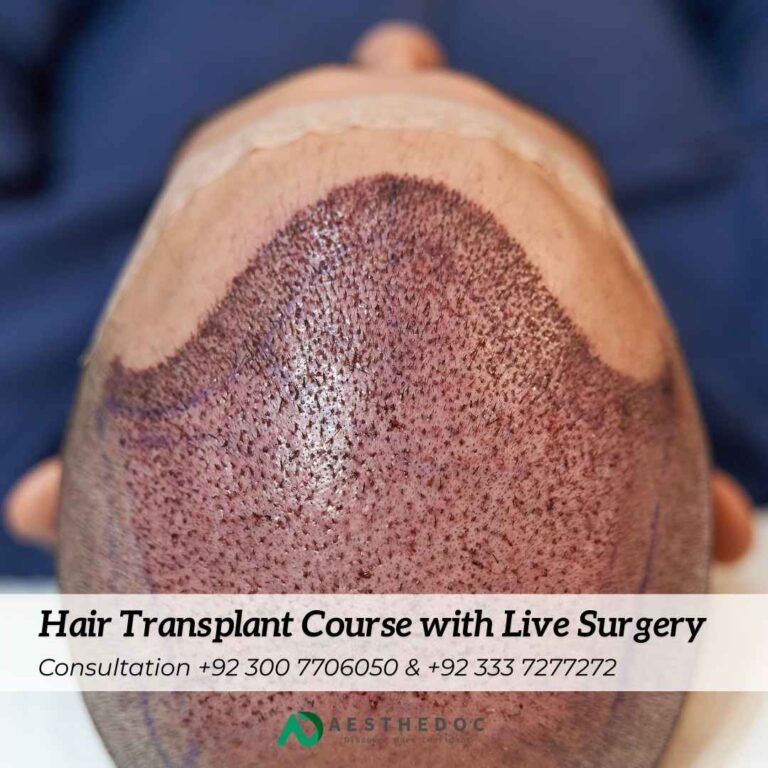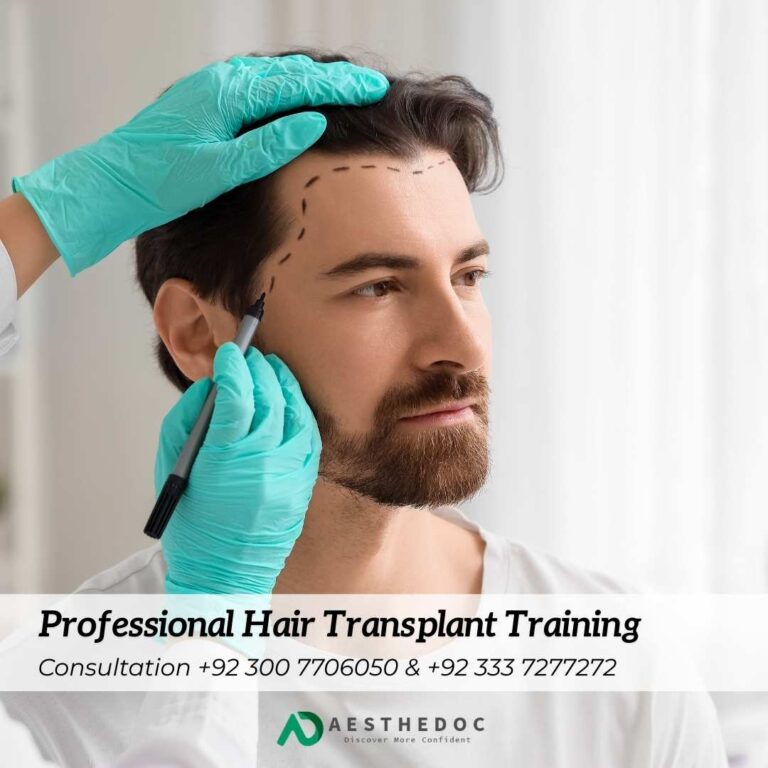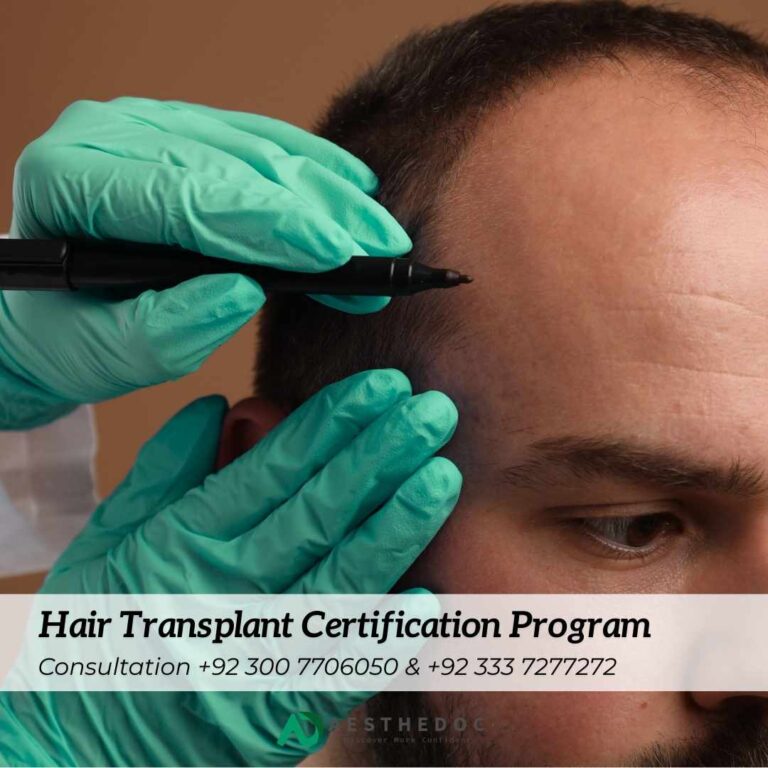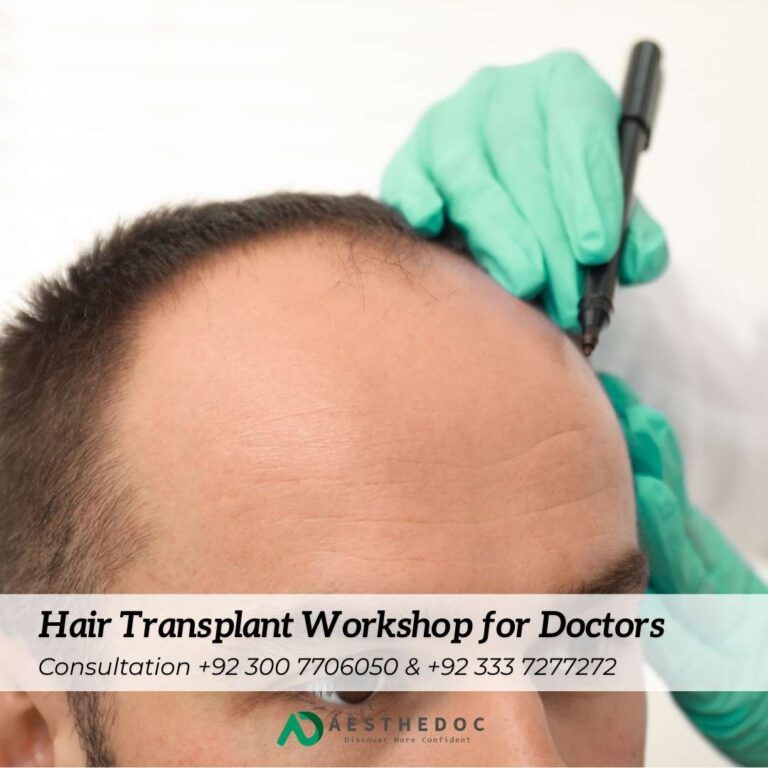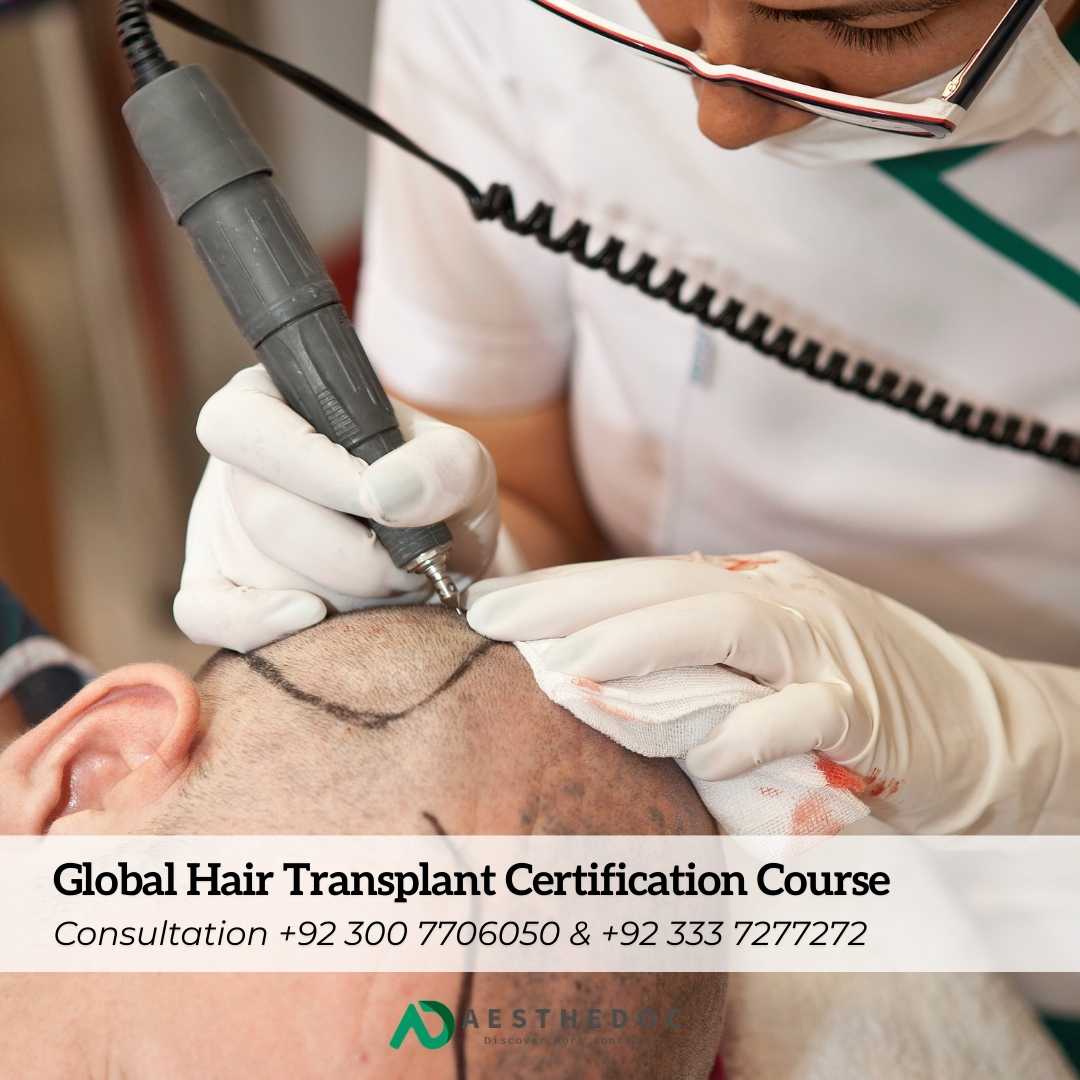
Hair loss is a common condition affecting millions of individuals worldwide, impacting self-confidence, appearance, and psychological well-being. With advancements in aesthetic medicine and surgical innovation, hair restoration has emerged as a rapidly expanding field. Physicians and medical professionals are increasingly recognizing the importance of structured training programs to master modern hair transplant techniques.
A Global Hair Transplant Certification Course is designed to provide medical professionals with internationally recognized credentials, equipping them with advanced knowledge, practical surgical skills, and professional expertise in hair restoration. Such courses are essential for physicians who want to deliver high-quality, safe, and effective treatments to patients while building credibility in the global hair restoration industry.
This guide will explore the global hair restoration market, the structure of certification courses, surgical techniques, hands-on training, program duration, international pricing, career opportunities, and the future of hair restoration. It will also introduce Aesthedoc Hair Transplant Clinic & Institute as a professional global training hub, offering structured programs led by internationally recognized hair transplant surgeons.
Global Overview of the Hair Restoration Industry
Hair transplantation is one of the fastest-growing segments in aesthetic medicine. With increasing patient awareness, improved surgical outcomes, and technological innovation, the global demand for trained hair transplant surgeons has surged.
Global Prevalence of Hair Loss
Hair loss is a universal concern affecting both men and women:
- Approximately 50% of men experience noticeable hair loss by the age of 50.
- Around 30–40% of women experience hair thinning or hair loss during their lifetime.
Common causes include:
- Androgenetic alopecia (pattern baldness)
- Telogen effluvium (stress-related hair shedding)
- Alopecia areata (autoimmune hair loss)
- Traumatic or scarring alopecia
- Hormonal imbalances and nutritional deficiencies
With the rising prevalence, hair restoration has become a cornerstone of aesthetic and cosmetic medicine.
Advancements in Hair Restoration Techniques
Modern hair transplantation methods focus on precision, aesthetics, and minimally invasive procedures. These advancements have transformed the field:
- Follicular Unit Extraction (FUE): Extraction of individual hair follicles with minimal scarring.
- Follicular Unit Transplantation (FUT): Strip harvesting of scalp tissue for larger graft requirements.
- Direct Hair Implantation (DHI): Implantation using specialized pens for controlled density and direction.
- Robotic-Assisted Surgery: Enhances precision and efficiency in follicular extraction.
- Microscope-Assisted Graft Dissection: Improves graft viability and aesthetic outcomes.
These innovations have created a growing demand for skilled surgeons who can achieve natural results with high graft survival.
Growth of the Global Aesthetic Medicine Market
Hair transplantation is now an integral service in aesthetic medicine, which includes:
- Facial rejuvenation and anti-aging procedures
- Laser and skin therapies
- Cosmetic injectables and fillers
- Body contouring and sculpting
- Hair restoration surgeries
Hair transplantation provides high-value services for clinics worldwide and has become a major revenue generator in medical tourism destinations.
Medical Tourism Impact
Countries like Turkey, India, South Korea, Thailand, and the UAE have become international hubs for hair restoration, attracting both patients and physicians. This growth has boosted the availability of globally recognized certification courses, allowing doctors to gain international exposure and surgical experience.
Why Doctors Choose a Global Hair Transplant Certification Course
A Global Hair Transplant Certification Course offers several unique benefits over local training programs.
Exposure to Advanced Clinics
Participants gain access to clinics equipped with cutting-edge technology:
- Robotic FUE systems
- High-precision implanters
- Microscope-assisted graft dissection
- PRP and regenerative therapies
This exposure ensures trainees learn surgical procedures using globally recognized tools and standards.
Mentorship from International Experts
Leading hair transplant surgeons with extensive clinical experience provide mentorship, including:
- Advanced hairline design techniques
- Donor and recipient area management
- Corrective and aesthetic hair restoration
- Patient consultation and treatment planning
Guidance from seasoned surgeons accelerates learning and develops clinical expertise.
Diverse Patient Cases
International courses expose doctors to patients with different hair types, ethnic backgrounds, and hair loss patterns, enhancing adaptability and skills for global practice.
Global Recognition and Accreditation
Certification from an internationally recognized course increases professional credibility, enabling doctors to practice confidently in multiple countries and attract patients seeking high-quality hair restoration services.
Networking Opportunities
Participants interact with medical professionals worldwide, fostering knowledge exchange, collaboration, and referrals, which are invaluable for career growth.
Who Can Enroll in a Global Hair Transplant Certification Course
Hair transplant certification programs are designed for licensed medical professionals, including:
Dermatologists
Dermatologists who manage scalp and hair disorders are ideal candidates for specialized hair transplant training.
Plastic Surgeons
Plastic and cosmetic surgeons can integrate hair restoration into their aesthetic procedures.
General Practitioners
Physicians interested in expanding their aesthetic practice can benefit from training in hair transplantation.
Aesthetic Medicine Practitioners
Doctors already working in cosmetic and aesthetic medicine can add hair restoration as a high-demand service.
Participants must ensure they meet licensing requirements and course prerequisites for international certification.
Core Curriculum of a Global Hair Transplant Certification Course
Certification courses provide comprehensive theoretical and practical knowledge.
Hair Anatomy and Physiology
Understanding hair biology is essential:
- Hair follicle structure
- Hair growth cycles (anagen, catagen, telogen)
- Scalp vascular anatomy
- Follicular unit composition
- Donor and recipient area characteristics
Causes and Diagnosis of Hair Loss
Doctors learn to diagnose different types of alopecia:
- Androgenetic alopecia
- Alopecia areata
- Scarring alopecia
- Telogen effluvium
- Traction alopecia
Accurate diagnosis ensures appropriate patient selection and treatment planning.
Patient Consultation and Planning
Trainees learn to perform:
- Scalp and hair density assessments
- Donor area evaluation
- Personalized treatment planning
- Informed consent procedures
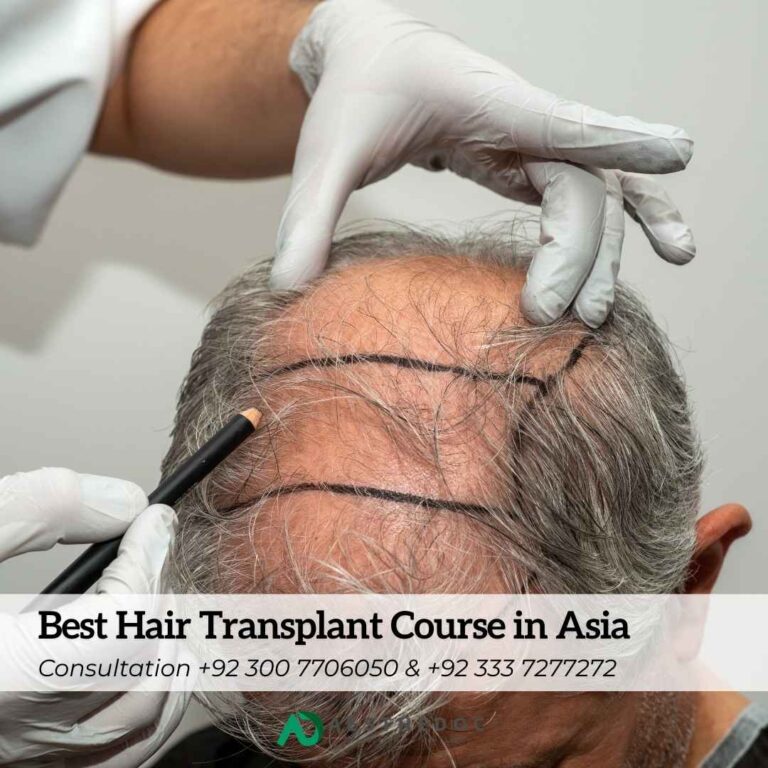
Hairline Design Principles
Courses teach natural hairline design based on:
- Patient age and facial proportions
- Gender and ethnic characteristics
- Long-term hair loss considerations
Graft Handling and Preservation
Proper handling preserves follicle viability:
- Extraction techniques
- Microscopic dissection
- Storage solutions for graft preservation
- Minimizing trauma during implantation
Surgical Planning and Execution
Doctors learn to plan:
- Recipient area mapping
- Donor area management
- Calculating required graft numbers
- Multi-session procedures if necessary
Hair Transplant Techniques Taught in Certification Courses
International certification courses cover a range of techniques.
Follicular Unit Extraction (FUE)
FUE involves extracting individual hair follicles from the donor area. Benefits include:
- Minimal scarring
- Rapid recovery
- Natural-looking results
Follicular Unit Transplantation (FUT)
FUT involves strip harvesting of scalp tissue for large graft requirements. It is valuable for patients needing extensive coverage.
Direct Hair Implantation (DHI) and Advanced Techniques
Courses also cover:
- Implanter pen implantation
- Dense packing strategies
- Sapphire blade incision techniques
These methods enhance precision, graft survival, and aesthetics.
Hands-On Surgical Training
Practical training is essential in a global certification program.
Live Surgery Observation
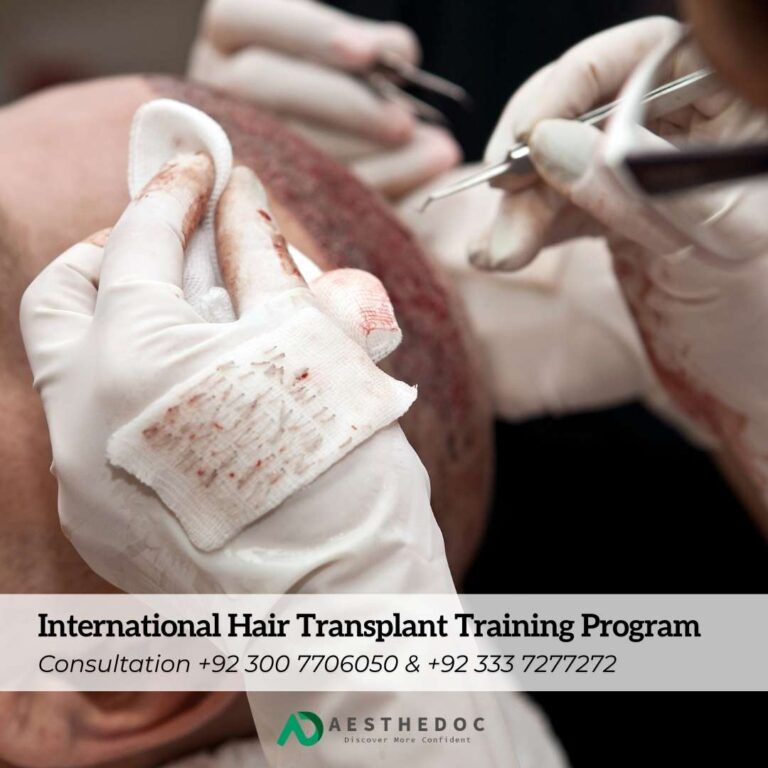
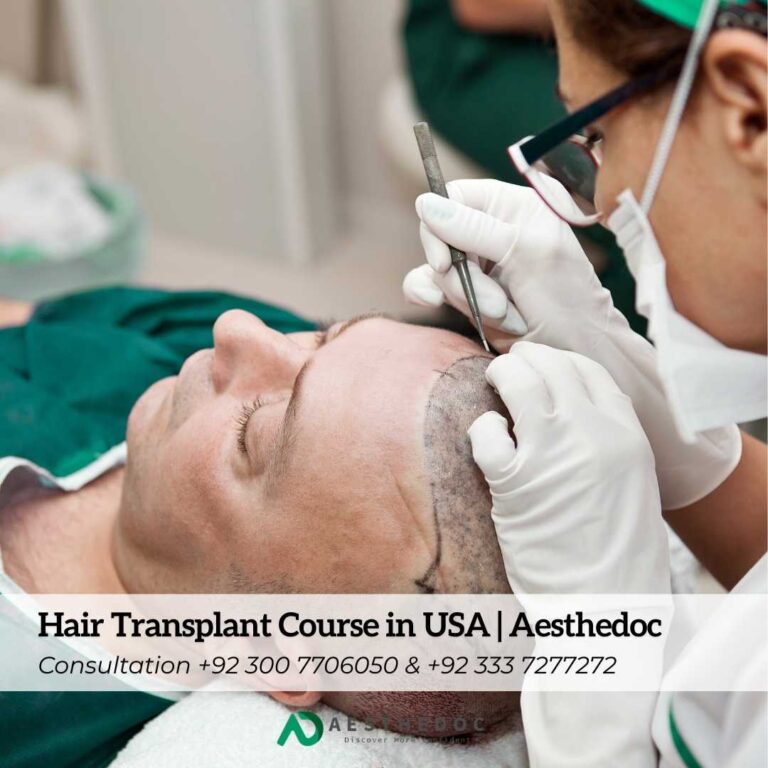
Doctors observe complete procedures performed by experienced surgeons.
Graft Extraction Practice
Trainees practice FUE and FUT extraction techniques under supervision.
Implantation Techniques
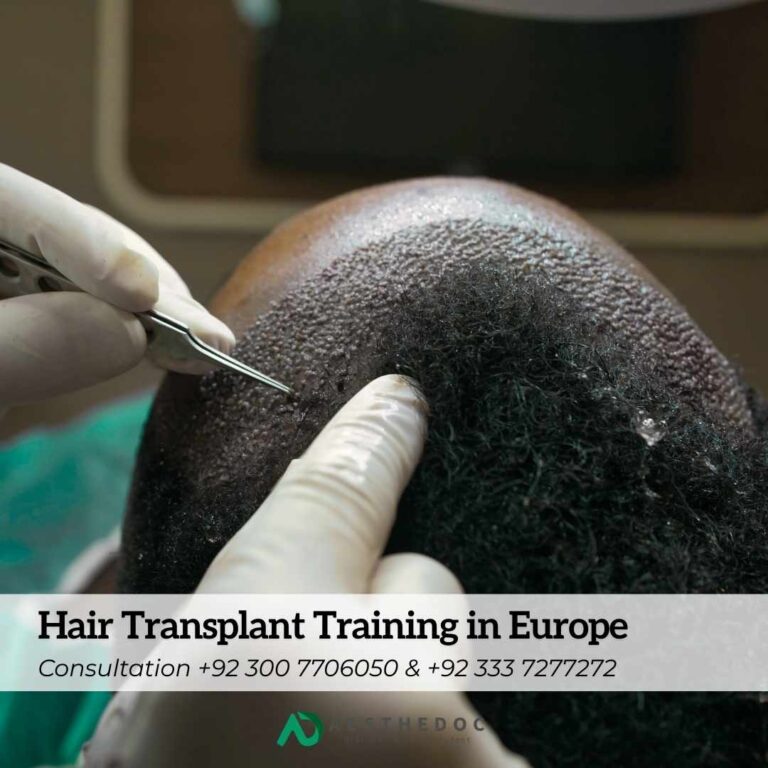
Hands-on implantation training covers proper angulation, direction, and density.
Microscope-Assisted Work
Microscopic dissection ensures accuracy and high graft viability.
Surgical Team Coordination
Courses teach effective operating room workflow management for optimal efficiency.
Duration of Global Hair Transplant Certification Courses
Course durations vary depending on program type and depth.
| Course Type | Duration |
|---|---|
| Introductory Workshop | 1–3 days |
| Intensive Training | 4–7 days |
| Advanced Certification | 1–2 weeks |
| Fellowship Program | 3–6 months |
Short-term workshops offer foundational knowledge, while fellowships provide extensive surgical practice and mentorship.
International Cost Comparison
Training costs vary globally based on course quality, faculty expertise, and duration.
| Country | Average Course Cost | Duration |
|---|---|---|
| Turkey | $3,000 – $7,000 | 3–7 days |
| Dubai | $4,000 – $9,000 | 4–7 days |
| UK | $7,000 – $15,000 | 5–10 days |
| USA | $10,000 – $20,000 | 5–7 days |
| India/Asia | $2,500 – $6,500 | 4–7 days |
Factors influencing costs:
- Instructor experience and reputation
- Level of hands-on training
- Certification and international recognition
- Surgical equipment included
Asian courses often provide excellent value while maintaining high-quality standards.
What to Look for in a Certification Institute
Doctors should assess the following when selecting a program:
Experienced Faculty
Ensure the instructors have extensive clinical experience and global recognition.
Hands-On Training
Practical exposure to extraction and implantation techniques is crucial.
Comprehensive Curriculum
The program should cover theory, surgical skills, patient evaluation, and aesthetic principles.
Certification and Accreditation
Globally recognized certification validates competence and increases patient confidence.
Post-Course Support
Ongoing mentorship helps refine skills and troubleshoot clinical challenges.
Career Opportunities After Certification
A global hair transplant certification opens various career pathways:
- Hair Restoration Clinics: Start or join specialized clinics.
- Aesthetic Medicine Centers: Offer comprehensive cosmetic and hair restoration services.
- Plastic Surgery Practices: Integrate hair transplantation into aesthetic portfolios.
- Medical Tourism Clinics: Serve international patients seeking advanced hair restoration.
- Academic and Mentorship Roles: Conduct training programs or workshops for other physicians.
Future of the Hair Restoration Industry
The global hair restoration market is projected to expand due to:
- Technological advancements (robotics, AI-assisted surgery)
- Regenerative therapies (PRP, stem cells)
- Growth in female hair restoration procedures
- Integration with aesthetic medicine
These trends promise long-term opportunities for trained hair transplant surgeons globally.
Aesthedoc Global Hair Transplant Certification
Medical professionals seeking structured, internationally recognized training can explore Aesthedoc Hair Transplant Clinic & Institute. Programs are designed to provide:
- FUE hair transplant techniques
- Advanced hairline and aesthetic design
- Donor area management
- Graft extraction and implantation
- PRP therapy for hair loss
- Patient consultation and treatment planning
Aesthedoc emphasizes safe, effective, and globally competitive hair restoration training.
Dr. Adnan Bashir – Professional Profile
Dr. Adnan Bashir is an internationally trained hair transplant surgeon, aesthetic physician, and educator with over 15 years of experience.
Highlights:
- Diplomate of the American Board of Hair Restoration Surgery (ABHRS)
- Performed 5,000+ hair transplant procedures
- Specialist in FUE, hairline design, beard and eyebrow transplantation, and corrective surgery
- Extensive international clinical experience
- Trainer for physicians seeking advanced global hair transplant education
Dr. Bashir prioritizes natural aesthetics, patient safety, and high graft survival.
Training Inquiry
Medical professionals interested in global hair transplant certification can request course details from:
Aesthedoc Hair Transplant Clinic & Institute
Website: https://www.aesthedoc.com
Email: info@aesthedoc.com
Phone / WhatsApp: +92 333 7277272