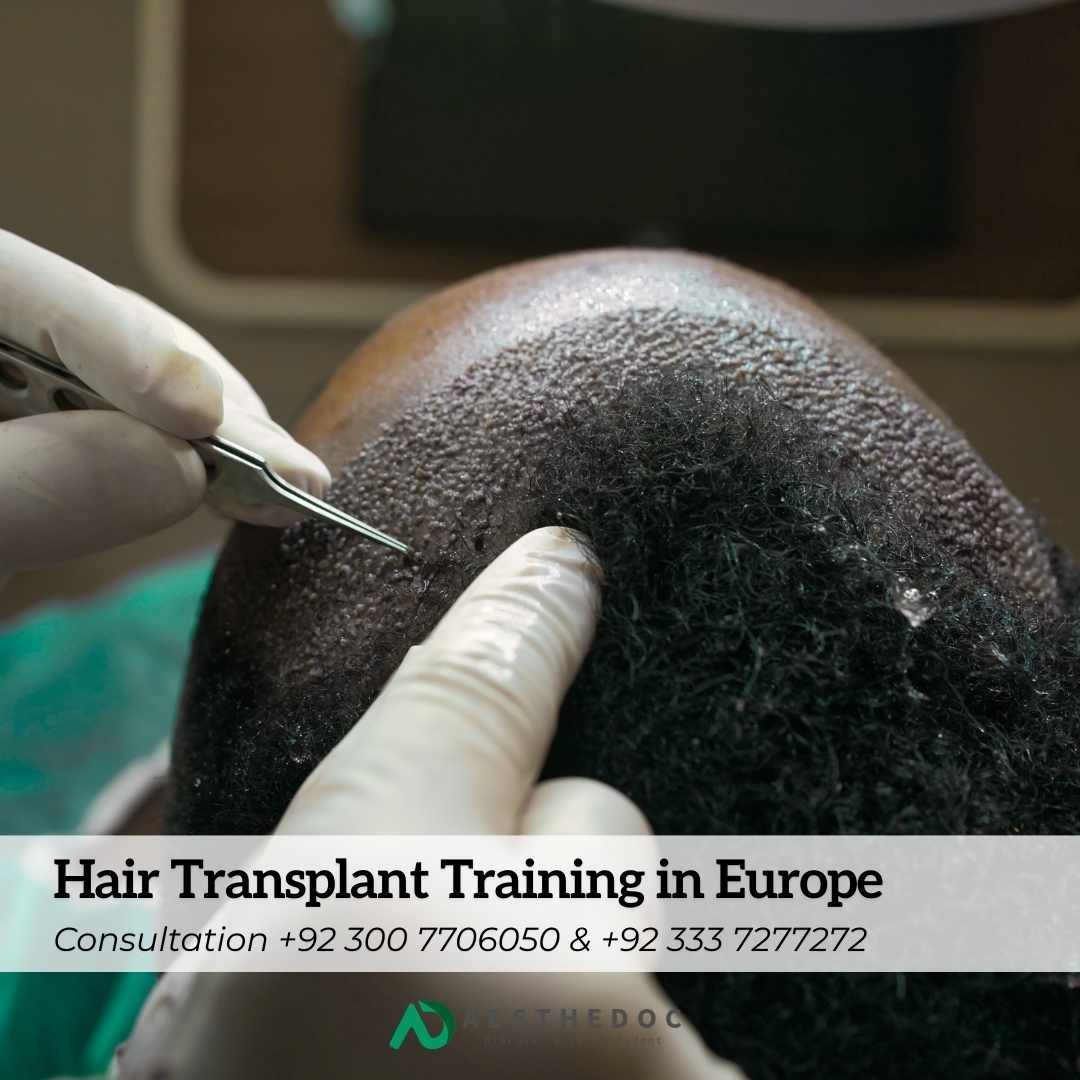
Hair restoration surgery has evolved into one of the most dynamic specialties within aesthetic medicine. Millions of individuals worldwide experience hair loss due to genetics, hormonal imbalance, medical conditions, or lifestyle factors. As awareness of effective hair restoration treatments grows, the demand for qualified hair transplant surgeons continues to increase rapidly.
For physicians seeking to enter this expanding field, professional education and hands-on surgical training are essential. Among the many global options available, Hair Transplant Training in Europe has become increasingly popular for doctors looking to learn modern hair restoration techniques from experienced specialists.
Europe offers a unique combination of advanced medical infrastructure, internationally recognized training institutes, and exposure to diverse patient populations. Medical professionals from Asia, the Middle East, Africa, and the Americas often travel to Europe to learn surgical hair restoration techniques such as Follicular Unit Extraction (FUE), Follicular Unit Transplantation (FUT), and modern implantation methods.
Hair transplantation requires a combination of medical expertise, surgical precision, and artistic design. Physicians must understand hair follicle biology, scalp anatomy, patient consultation, donor management, and aesthetic hairline design to achieve natural-looking results.
A structured training program provides the knowledge and practical skills required to perform these procedures safely and effectively. Doctors who complete professional training gain the confidence to integrate hair transplantation into their aesthetic practice or establish specialized hair restoration clinics.
This comprehensive guide explores everything physicians should know about Hair Transplant Training in Europe, including the global growth of the hair restoration industry, course curriculum, techniques taught, training duration, international cost comparisons, and career opportunities in this rapidly expanding field.
Global Overview of the Hair Restoration Industry
Hair transplantation has grown from a niche cosmetic procedure into a major component of the global aesthetic medicine market. Advances in surgical techniques and technology have significantly improved patient outcomes, making hair restoration one of the most sought-after aesthetic procedures worldwide.
Increasing Prevalence of Hair Loss
Hair loss affects a large portion of the global population. Research estimates that:
- approximately 50% of men experience pattern hair loss by age 50
- nearly 30–40% of women experience noticeable hair thinning during their lifetime
Common causes of hair loss include:
- androgenetic alopecia (genetic hair loss)
- hormonal changes
- stress and lifestyle factors
- autoimmune disorders
- nutritional deficiencies
- aging
As hair loss becomes more common, more patients are seeking permanent treatment options such as hair transplantation.
Evolution of Hair Transplant Techniques
Early hair transplant procedures performed decades ago often produced unnatural results. However, modern surgical techniques have transformed the field of hair restoration.
Today’s procedures focus on:
- natural hairline design
- minimally invasive surgical methods
- improved graft survival rates
- faster recovery times
Innovations such as high-magnification microscopes, advanced extraction tools, and precision implantation devices have greatly enhanced surgical accuracy.
Expansion of Aesthetic Medicine
The aesthetic medicine industry has experienced remarkable growth over the past decade. Many clinics now offer comprehensive cosmetic services including:
- facial aesthetic procedures
- skin rejuvenation treatments
- laser therapies
- body contouring
- hair restoration treatments
Hair transplantation has become one of the most profitable services within the aesthetic industry.
Global Medical Tourism
Medical tourism has further increased the popularity of hair transplant procedures. Patients frequently travel internationally to access experienced surgeons and cost-effective treatments.
Countries such as Turkey, Spain, Germany, and the United Kingdom have become popular destinations for both hair transplant patients and physicians seeking professional training.
Why Europe Is Popular for Hair Transplant Training
Europe has established itself as a leading hub for medical education and aesthetic surgery training. Doctors from around the world pursue Hair Transplant Training in Europe for several important reasons.
Advanced Medical Infrastructure
European healthcare systems are known for their high standards of patient care and medical regulation. Training programs often take place in modern clinics equipped with advanced surgical technology.
This ensures that participants learn procedures using up-to-date equipment and internationally accepted clinical protocols.
Experienced Hair Transplant Surgeons
Many European training institutes are led by surgeons who have performed thousands of hair transplant procedures. Their extensive experience allows participants to learn from real clinical cases and complex surgical scenarios.
Experienced mentors play a crucial role in guiding doctors through the technical and aesthetic aspects of hair restoration surgery.
Exposure to Diverse Hair Types
Europe’s multicultural population provides exposure to patients with different hair characteristics, including:
- straight hair
- wavy hair
- curly hair
- coarse hair textures
Learning to treat different hair types helps physicians gain valuable experience and improve surgical adaptability.
Innovation and Research
Europe is home to many research institutions and medical organizations focused on advancing hair restoration techniques.
New developments in surgical tools, graft preservation methods, and regenerative treatments are often introduced through European training programs.
Accessibility for International Doctors
Europe’s central location and strong transportation infrastructure make it accessible for doctors traveling from different regions of the world. Many training institutes also provide programs specifically designed for international physicians.
Who Can Join Hair Transplant Training Programs
Hair transplant training programs are typically designed for licensed medical professionals who wish to specialize in hair restoration procedures.
Eligible participants usually include:
Dermatologists
Dermatologists frequently treat hair and scalp disorders, making hair transplantation a natural extension of their medical expertise.
Plastic Surgeons
Plastic surgeons often include hair restoration procedures as part of comprehensive cosmetic surgery services.
General Physicians
Some general practitioners transition into aesthetic medicine and pursue training in hair transplantation.
Cosmetic Surgeons
Cosmetic surgeons performing facial procedures may integrate hairline restoration into their aesthetic treatments.
Aesthetic Medicine Practitioners
Doctors working in aesthetic clinics often expand their services by offering hair transplant procedures.
Before enrolling in a training program, physicians should verify licensing requirements and ensure that the course is appropriate for their professional qualifications.
Core Topics Covered in Hair Transplant Training
A comprehensive Hair Transplant Training in Europe program typically includes both theoretical education and practical surgical experience.
Hair Anatomy and Biology
Understanding the biological structure of hair follicles is fundamental to hair transplantation.
Training covers topics such as:
- hair follicle structure
- hair growth cycle phases
- scalp vascular supply
- follicular unit anatomy
- donor and recipient area characteristics
Causes of Hair Loss
Participants learn to diagnose different types of hair loss conditions including:
- androgenetic alopecia
- alopecia areata
- scarring alopecia
- telogen effluvium
- traction alopecia
Accurate diagnosis helps determine whether hair transplantation is an appropriate treatment.
Patient Consultation
Consultation training focuses on evaluating patient expectations and developing individualized treatment plans.
Key elements include:
- scalp analysis
- donor area assessment
- hair density measurement
- patient medical history review
- informed consent procedures
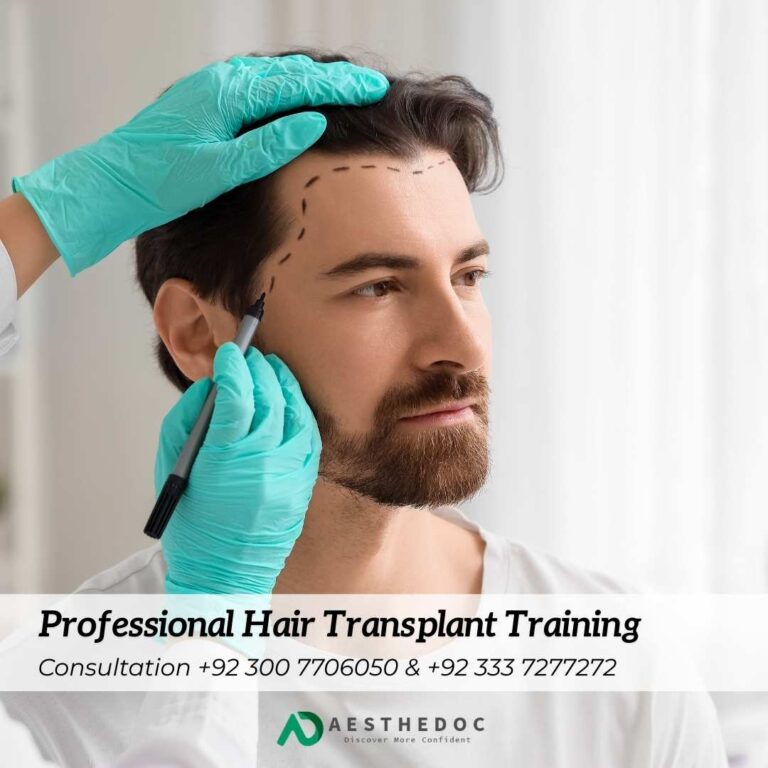
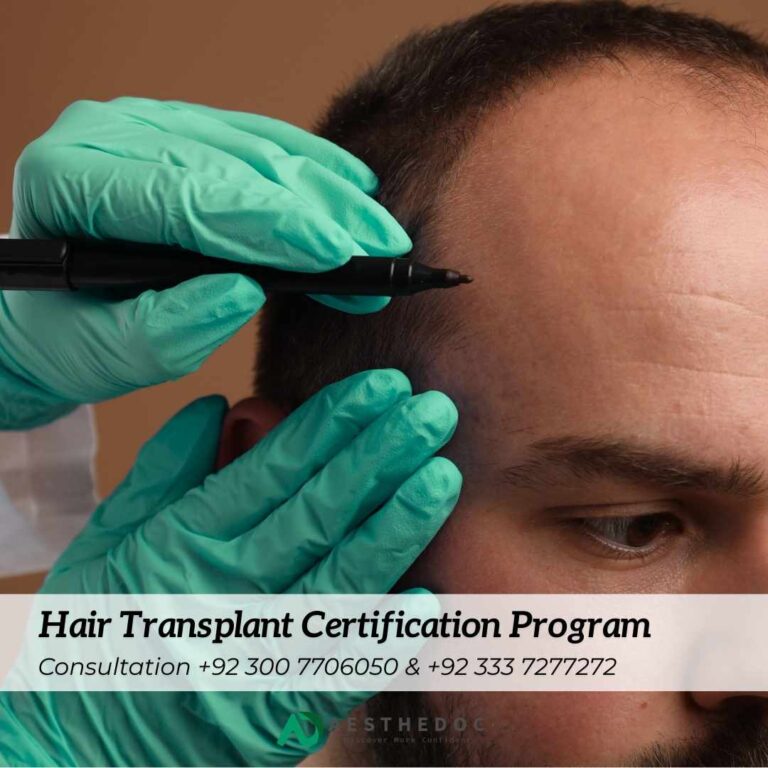
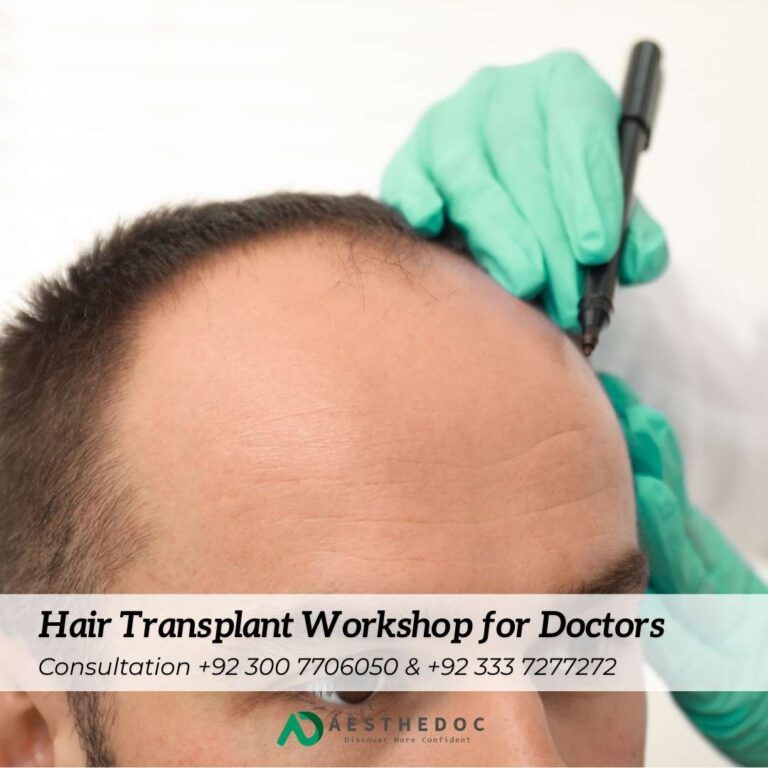
Hairline Design
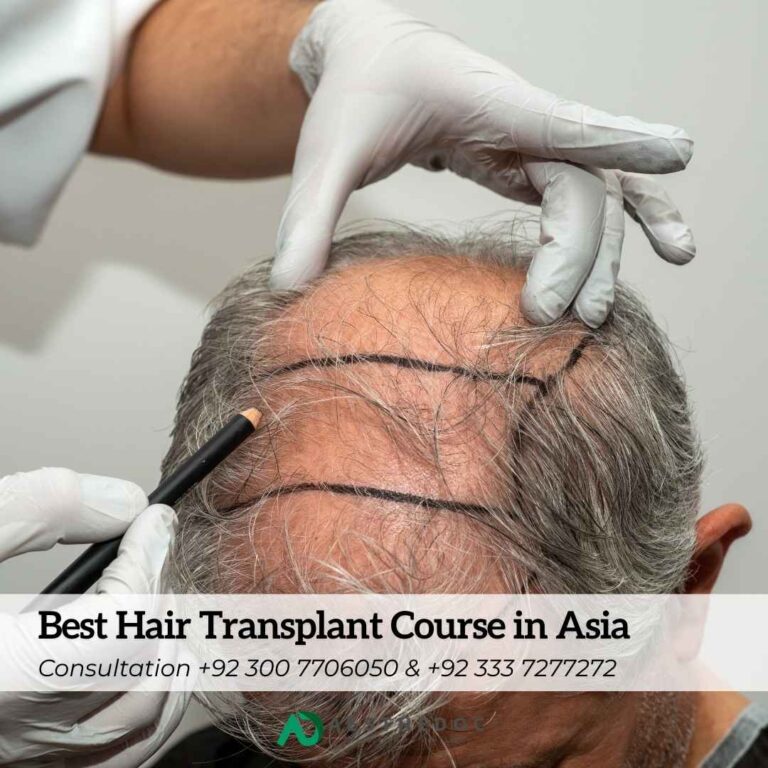
Hairline design requires careful analysis of facial proportions and hair growth patterns.
Doctors learn how to create natural-looking hairlines based on:
- patient age
- facial symmetry
- ethnic characteristics
- long-term hair loss progression
Graft Handling
Proper graft handling is essential for maintaining follicle viability during surgery.
Training includes:
- graft extraction techniques
- graft dissection
- preservation methods
- minimizing follicular damage
Surgical Planning
Participants learn how to plan procedures based on:
- donor area density
- recipient area requirements
- graft calculations
- long-term treatment strategies
Hair Transplant Techniques Taught
Hair transplant training programs in Europe typically teach several widely used surgical techniques.
Follicular Unit Extraction (FUE)
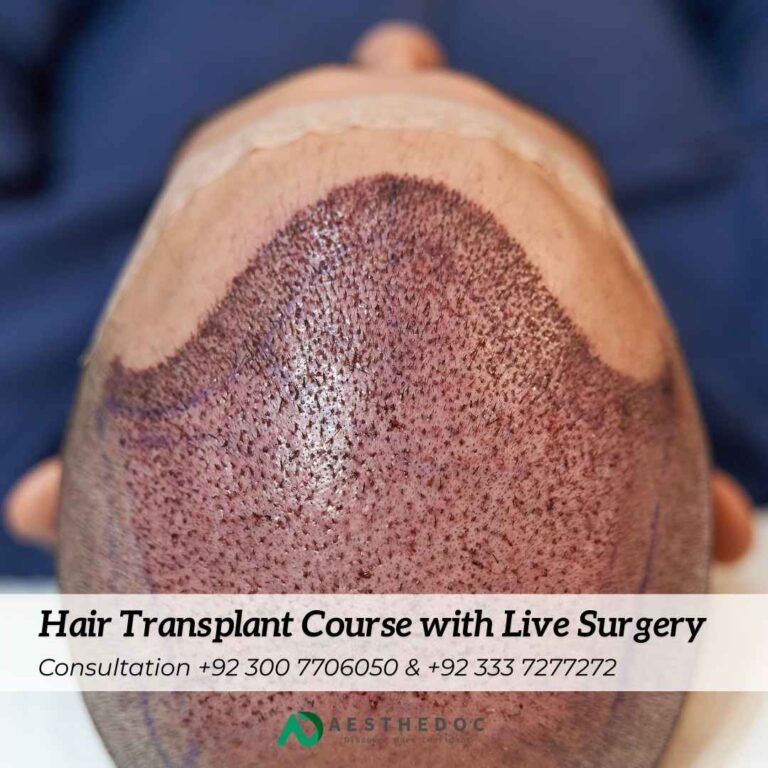
FUE is currently the most popular hair transplant method worldwide. It involves extracting individual follicular units from the donor area and implanting them into areas experiencing hair loss.
Benefits of FUE include:
- minimal scarring
- faster recovery
- natural hair growth patterns
- flexibility in donor harvesting
Follicular Unit Transplantation (FUT)
FUT involves removing a strip of scalp from the donor area and dissecting it into follicular units.
Although less commonly used today, FUT remains useful for certain patients requiring large numbers of grafts.
Modern Implantation Techniques
Advanced training programs may also introduce:
- Direct Hair Implantation (DHI)
- implanter pen techniques
- sapphire blade incisions
- dense packing methods
These techniques help surgeons achieve higher graft survival rates and improved aesthetic outcomes.
Hands-On Surgical Training
Practical surgical experience is one of the most valuable components of hair transplant training.
Hands-on training may include:
Live Surgical Demonstrations
Participants observe experienced surgeons performing complete hair transplant procedures.
Graft Extraction Practice
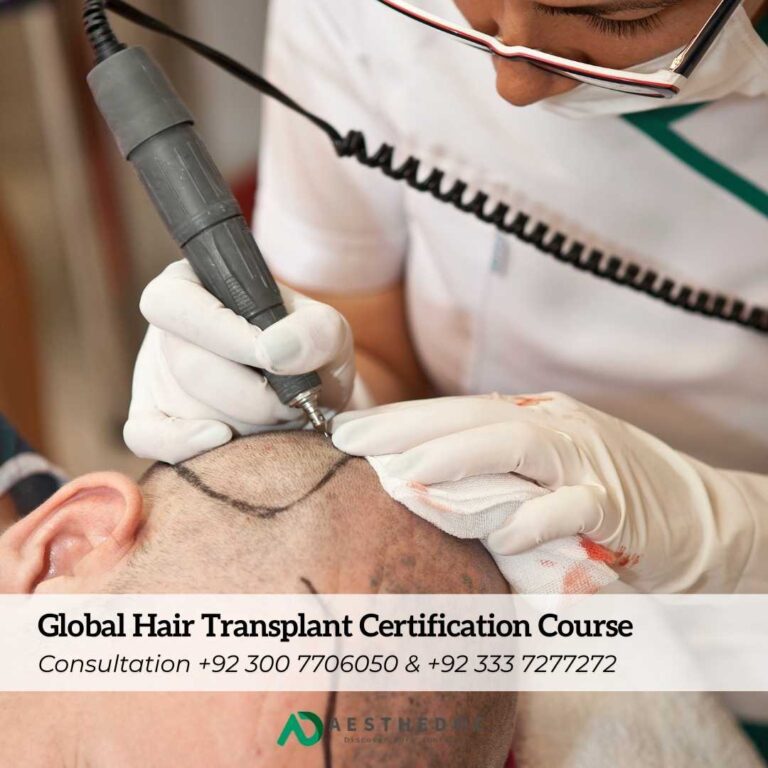
Doctors practice follicular unit extraction using specialized punches and surgical instruments.
Implantation Techniques
Participants learn how to place grafts at the correct angle, direction, and density to create natural hair growth patterns.
Microscope Work
Microscopes are used for graft dissection and quality evaluation.
Surgical Team Coordination
Doctors learn how to manage surgical assistants and maintain efficient operating room workflow.
Hands-on training allows participants to develop confidence and technical skills before performing procedures independently.
Duration of Hair Transplant Training Programs
Hair transplant training programs vary depending on the level of training and the depth of practical experience offered.
| Course Type | Duration |
|---|---|
| Introductory Workshop | 1–3 days |
| Intensive Training | 4–7 days |
| Advanced Certification | 1–2 weeks |
| Fellowship Training | 3–6 months |
Short workshops provide basic theoretical understanding, while longer fellowship programs offer extensive surgical training and mentorship.
International Price Comparison of Hair Transplant Training
The cost of hair transplant training varies depending on location, instructor expertise, and course structure.
| Country | Average Course Cost | Duration |
|---|---|---|
| Turkey | $3,000 – $7,000 | 3–7 days |
| Dubai | $4,000 – $9,000 | 4–7 days |
| UK | $7,000 – $15,000 | 5–10 days |
| USA | $10,000 – $20,000 | 5–7 days |
| India | $2,500 – $6,000 | 4–6 days |
Why Course Prices Differ
Several factors influence training costs:
- instructor experience
- course duration
- level of hands-on training
- certification level
- availability of surgical equipment and materials
Programs offering extensive practical training and mentorship generally cost more but provide greater educational value.
What to Look for in a Hair Transplant Training Institute
Choosing the right training institute is critical for building a successful career in hair restoration surgery.
Doctors should consider the following factors:
Instructor Experience
Training should be conducted by surgeons with significant clinical experience and a strong track record of successful procedures.
Hands-On Training Opportunities
Courses that allow participants to perform graft extraction and implantation provide greater learning value.
Comprehensive Curriculum
A structured curriculum should include both theoretical education and practical surgical training.
Certification and Accreditation
Professional certification helps demonstrate credibility when offering hair transplant services.
Post-Training Mentorship
Ongoing mentorship allows doctors to continue refining their surgical skills after completing the course.
Career Opportunities After Hair Transplant Training
Completing hair transplant training can open numerous career opportunities within the aesthetic medicine industry.
Hair Transplant Clinics
Many physicians establish specialized hair restoration clinics.
Aesthetic Medicine Centers
Hair transplantation can become a major service offered within aesthetic clinics.
Cosmetic Surgery Practices
Plastic surgeons frequently incorporate hair restoration into their services.
Medical Tourism Clinics
Countries with strong medical tourism industries offer significant opportunities for hair transplant specialists.
Academic and Training Roles
Experienced surgeons may eventually teach hair transplant techniques to other physicians.
Future of the Hair Restoration Industry
The hair restoration industry is expected to continue growing due to technological innovations and increasing patient demand.
Key trends shaping the future include:
Robotic Hair Transplant Systems
Robotic extraction devices are being developed to improve surgical precision.
Regenerative Medicine
Researchers are studying stem cell therapies and growth factors to stimulate hair follicle regeneration.
Combination Treatments
Hair transplant procedures are increasingly combined with treatments such as:
- PRP therapy
- laser therapy
- medical hair loss treatments
Expanding Female Hair Restoration
More women are seeking hair transplant procedures as awareness about female hair restoration increases.
These developments ensure that hair transplantation will remain an important specialty within aesthetic medicine.
Aesthedoc International Hair Transplant Training
Medical professionals seeking structured education in hair restoration may also explore international training programs offered by Aesthedoc Hair Transplant Clinic & Institute.
The institute provides training designed for physicians who want practical experience in modern hair transplant procedures.
Training programs typically include:
- FUE hair transplant techniques
- advanced hairline design
- donor area management
- graft extraction and implantation
- PRP therapy for hair loss
- patient consultation and treatment planning
These programs aim to equip doctors with the knowledge and surgical skills required to safely perform hair transplant procedures in clinical practice.
Dr. Adnan Bashir – Professional Profile
Dr. Adnan Bashir is an internationally trained hair transplant surgeon, aesthetic physician, and medical educator with more than 15 years of experience in hair restoration surgery and aesthetic medicine.
Professional highlights include:
- Diplomate of the American Board of Hair Restoration Surgery (ABHRS)
- Performed 5,000+ hair transplant procedures
- Specialist in FUE hair transplant, hairline design, beard transplant, eyebrow transplant, and corrective hair restoration surgery
- Extensive international clinical experience in aesthetic medicine
- Trainer for doctors seeking professional hair transplant education
Dr. Bashir focuses on natural hairline design, patient safety, and high graft survival rates.
Training Inquiry
Medical professionals interested in structured hair transplant education can request course details from:
Aesthedoc Hair Transplant Clinic & Institute
Website
https://www.aesthedoc.com
Email
info@aesthedoc.com
Phone / WhatsApp
+92 333 7277272