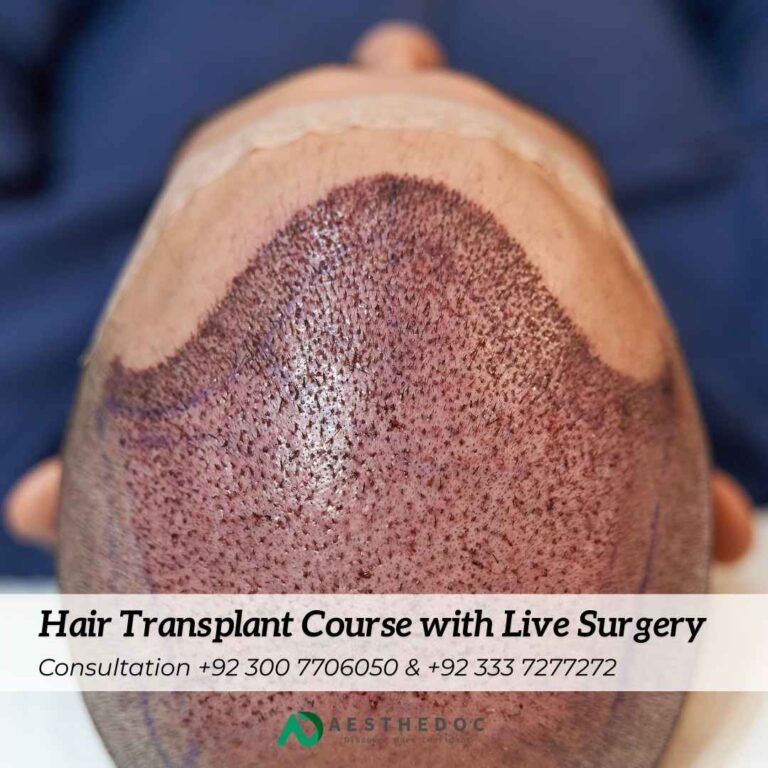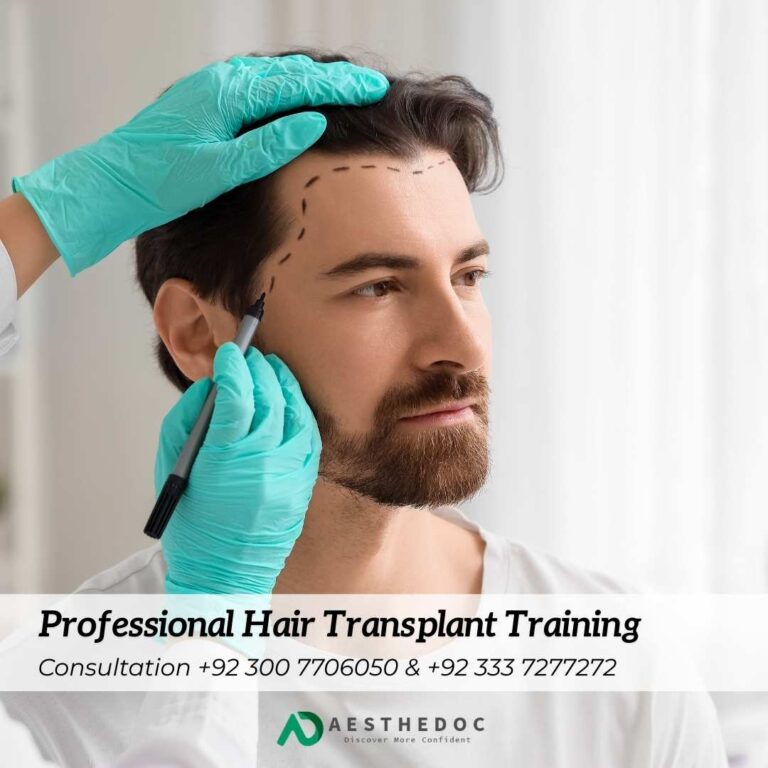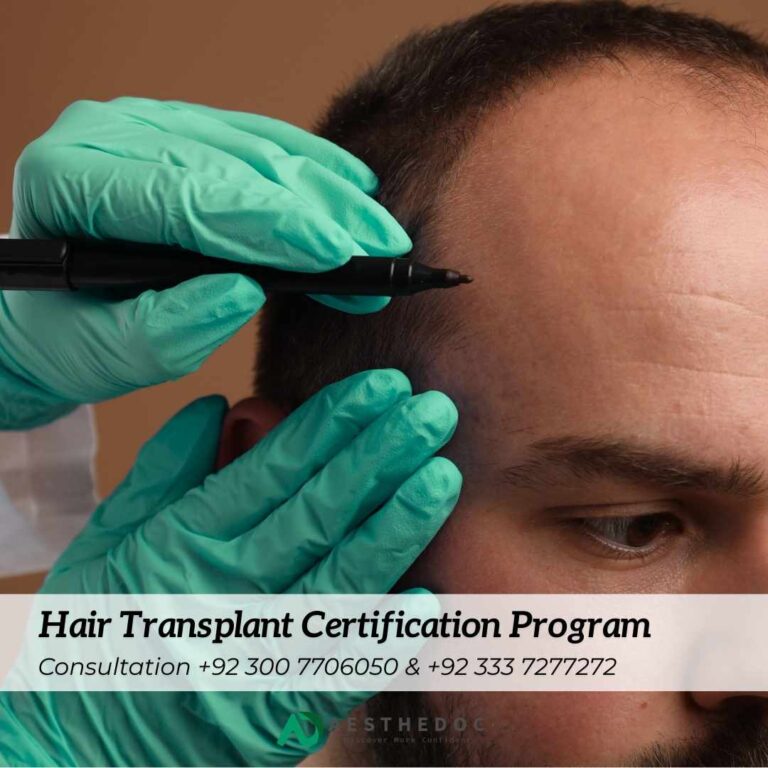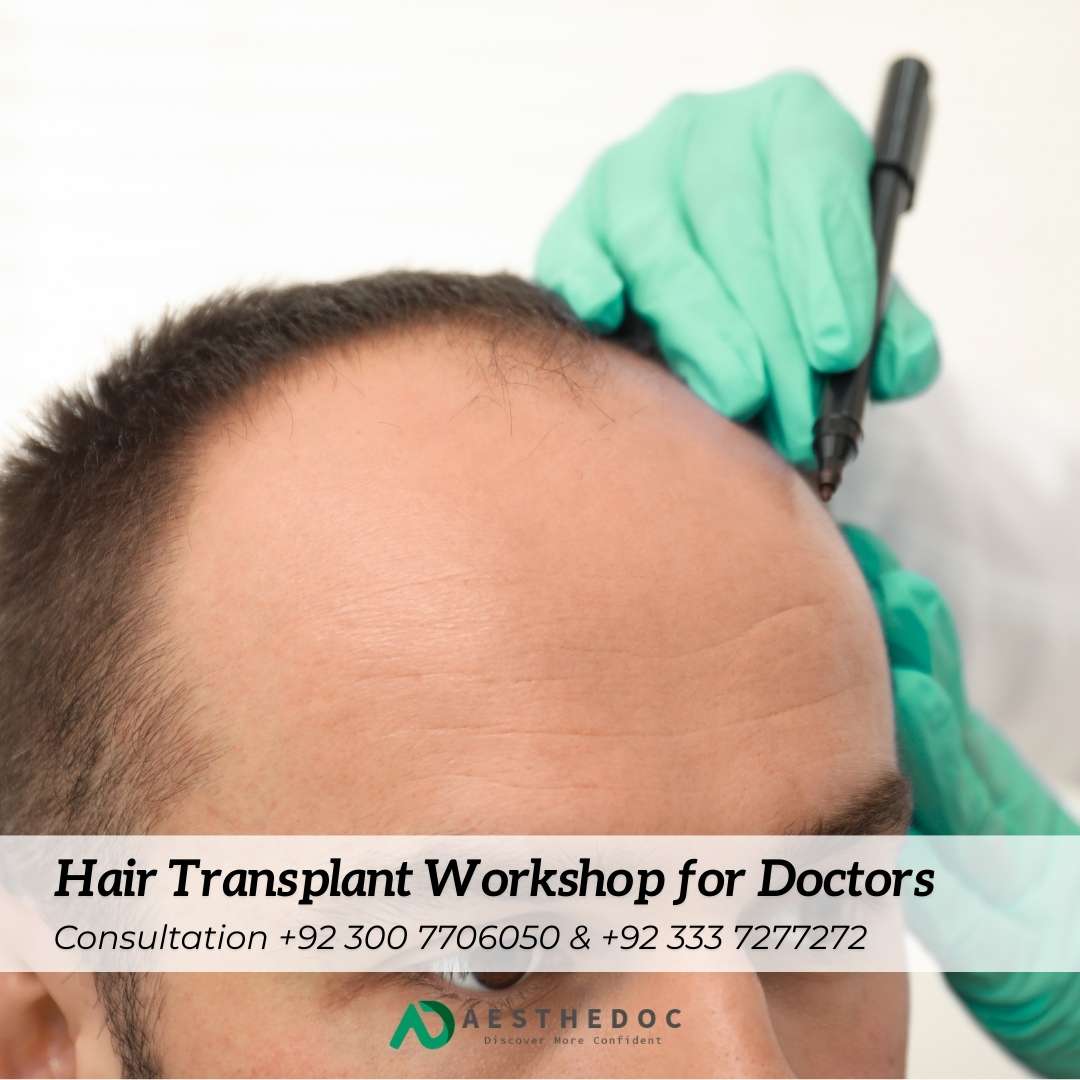
Hair restoration surgery has become one of the fastest-growing specialties in aesthetic medicine. Millions of people around the world suffer from different forms of hair loss caused by genetics, hormonal changes, aging, stress, and medical conditions. As awareness about cosmetic procedures increases, more patients are actively seeking permanent solutions for hair loss.
Hair transplant surgery provides one of the most reliable and long-lasting treatments for hair restoration. Because of this growing demand, doctors, dermatologists, and aesthetic practitioners are increasingly looking for structured training programs to learn modern hair transplant techniques.
A Hair Transplant Workshop for Doctors is one of the most effective ways for medical professionals to gain practical experience and learn the latest surgical techniques used in hair restoration clinics around the world. Unlike theoretical courses, workshops focus heavily on hands-on training, real patient cases, surgical demonstrations, and direct mentorship from experienced hair transplant surgeons.
This comprehensive guide explains everything doctors need to know about hair transplant workshops, including the training structure, techniques taught, benefits of attending workshops, career opportunities, and why hands-on surgical experience is essential for mastering hair restoration procedures.
Understanding Hair Transplant Surgery
Hair transplant surgery is a cosmetic surgical procedure that restores hair growth in areas affected by hair thinning or baldness. The procedure works by transplanting healthy hair follicles from a donor area of the scalp to areas where hair growth has been lost.
The donor region usually includes hair follicles located at the back or sides of the scalp, which are genetically resistant to hair loss. These follicles are carefully extracted and implanted into the recipient area.
Hair transplant surgery is widely used to treat various hair loss conditions, including:
- Male pattern baldness
- Female pattern hair thinning
- Receding hairline
- Crown baldness
- Beard hair loss
- Eyebrow thinning
- Scalp scars
- Burn-related hair loss
- Trauma-related hair loss
- Previously failed hair transplant procedures
Because hair transplantation requires microsurgical precision and an understanding of scalp anatomy, doctors must undergo specialized training through professional hair transplant workshops and courses.
Why Hair Transplant Workshops Are Important for Doctors
Hair transplant surgery is not just a theoretical subject that can be mastered through books or lectures. It is a surgical skill that requires hands-on practice and real clinical exposure.
A Hair Transplant Workshop for Doctors allows medical professionals to learn directly from experienced surgeons while observing and participating in live surgical procedures.
Workshops offer several advantages.
Hands-On Surgical Training
Doctors get practical experience in follicular unit extraction, graft handling, and implantation techniques.
Real Patient Case Exposure
Participants observe real surgical procedures and understand the entire treatment process.
Learning Modern Techniques
Workshops introduce the latest tools and techniques used in professional hair restoration clinics.
Interactive Learning Environment
Doctors can ask questions, discuss cases, and learn directly from experienced hair transplant surgeons.
Skill Development
Practical workshops allow participants to develop surgical confidence and precision.
Because of these benefits, workshops are often considered the fastest way for doctors to gain practical hair transplant skills.
Global Demand for Hair Transplant Surgeons
Hair restoration procedures have grown significantly worldwide due to several factors.
Increasing Hair Loss Cases
Genetic predisposition, stress, hormonal imbalance, nutritional deficiencies, and environmental factors have contributed to increasing hair loss cases.
Technological Advancements
Modern techniques such as Follicular Unit Extraction (FUE) have improved surgical outcomes and patient satisfaction.
Growing Awareness of Aesthetic Medicine
Patients today are more informed about cosmetic procedures and seek long-term solutions for hair loss.
Growth of Medical Tourism
Countries offering advanced hair transplant services attract international patients seeking affordable treatments.
Due to these factors, doctors across the world are enrolling in hair transplant workshops to gain practical training in hair restoration surgery.
Who Should Attend a Hair Transplant Workshop for Doctors
Hair transplant workshops are designed primarily for licensed medical professionals interested in learning hair restoration techniques.
Typical participants include:
- Medical doctors (MBBS or equivalent)
- Dermatologists
- Plastic surgeons
- Cosmetic surgeons
- Aesthetic medicine practitioners
- Doctors planning to start a hair restoration practice
Workshops are structured specifically for doctors because hair transplant procedures involve surgical techniques, anesthesia, and sterile medical protocols.
Key Hair Transplant Techniques Taught in Workshops
Professional hair transplant workshops teach the modern techniques used in hair restoration surgery.
Follicular Unit Extraction (FUE)
FUE is the most widely used hair transplant technique today. Individual follicular units are extracted from the donor area using micro-punch tools and implanted into areas affected by hair loss.
Advantages of FUE include:
- Minimal scarring
- Faster healing
- Natural hair growth patterns
- High graft survival rates
- Ability to harvest body hair when needed
Because of its advantages, FUE is considered the gold standard in modern hair transplant surgery.
Direct Hair Implantation (DHI)
Direct Hair Implantation is an advanced implantation technique that uses specialized implanter pens to place follicles directly into the scalp.
Benefits include:
- Greater control over hair direction
- High-density hair implantation
- Reduced graft handling
- Improved precision
Some workshops include demonstrations of DHI as part of advanced hair transplant training.
Sapphire Blade Technique
Certain clinics use sapphire blades for creating recipient sites. These ultra-sharp blades allow precise incisions that improve healing and graft placement.
Hair Restoration Procedures Covered in Workshops
Hair transplant workshops often teach several types of procedures that doctors may encounter in clinical practice.
Scalp Hair Transplant
Restoring hair density in areas affected by pattern baldness.
Beard Transplant
Enhancing beard density or reconstructing facial hair.
Eyebrow Transplant
A delicate procedure used to restore eyebrow shape and density.
Scar Repair Hair Transplant
Hair follicles are transplanted into scarred areas to improve cosmetic appearance.
Burn and Trauma Hair Restoration
Hair transplant surgery can help restore hair in patients who have experienced burns or traumatic scalp injuries.
Medical Knowledge Required for Hair Transplant Surgery
Hair transplant surgery requires understanding several medical disciplines.
Professional workshops usually include instruction in:
- Hair follicle anatomy
- Hair growth cycle
- Types of alopecia
- Scalp vascular anatomy
- Sterilization and surgical hygiene
- Local anesthesia techniques
- Pharmacological treatments for hair loss
- Post-operative wound healing
Doctors must also understand medications used to slow hair loss and improve transplant results.
Step-by-Step Hair Transplant Surgical Procedure
Hair transplant workshops teach doctors the entire surgical workflow.
Patient Consultation
The doctor evaluates hair loss patterns, scalp condition, and donor hair density.
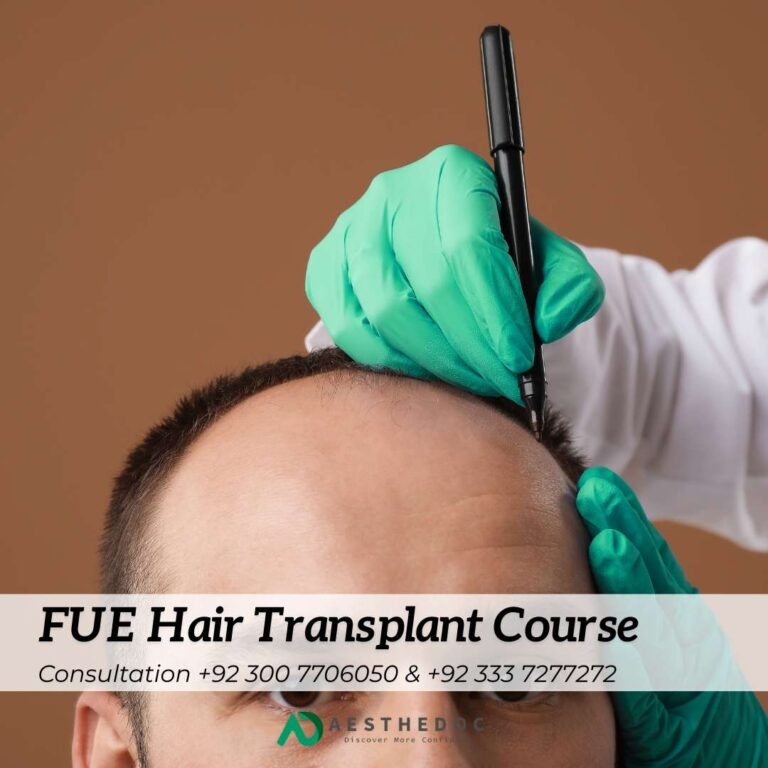
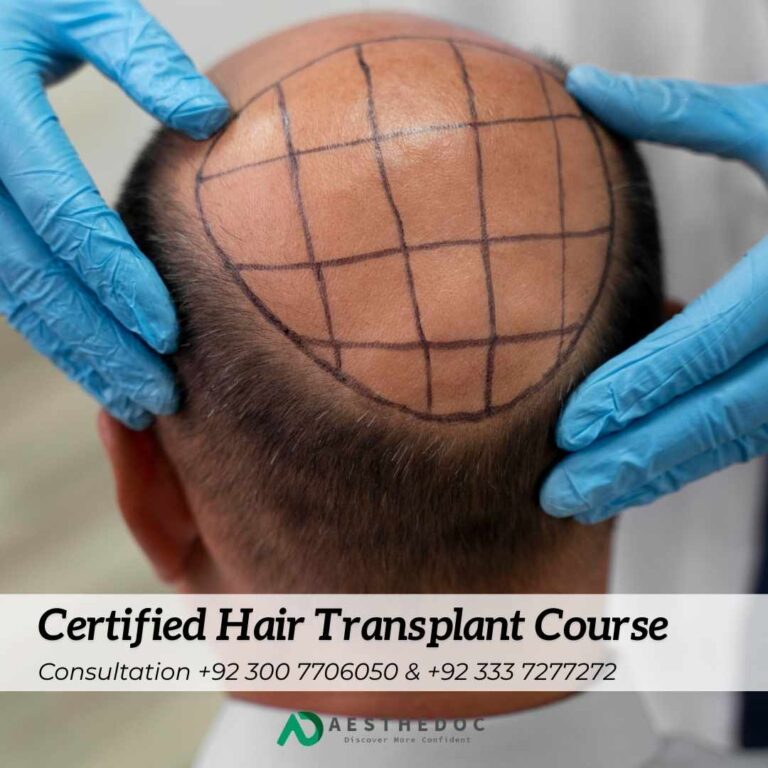
Hairline Design
A natural hairline is designed according to facial structure and patient expectations.
Donor Area Preparation
Hair follicles are harvested from the donor region using micro-surgical instruments.
Follicular Unit Extraction
Individual grafts are carefully extracted from the donor area.
Graft Preservation
Extracted follicles are stored in specialized solutions to maintain viability.
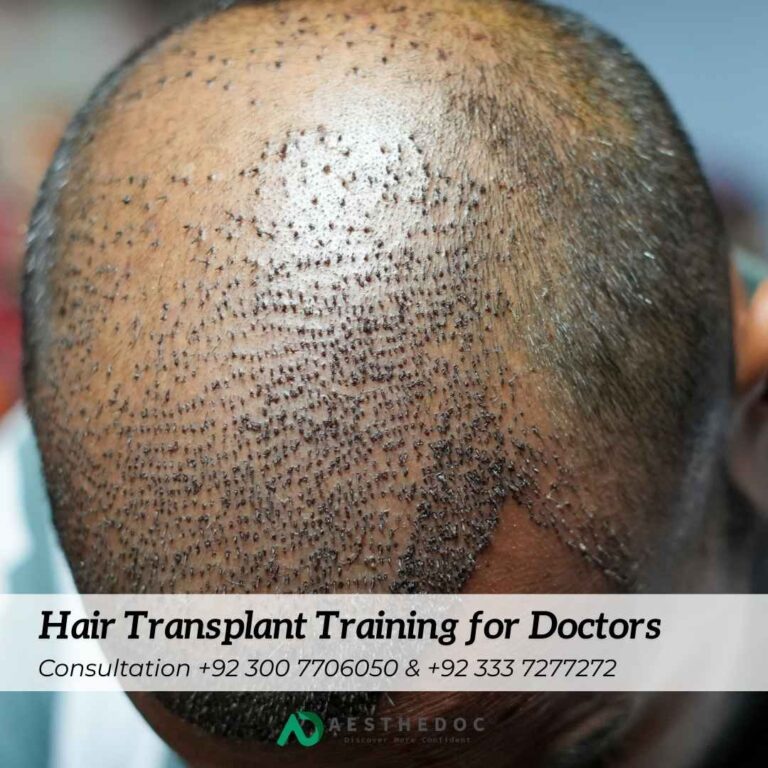
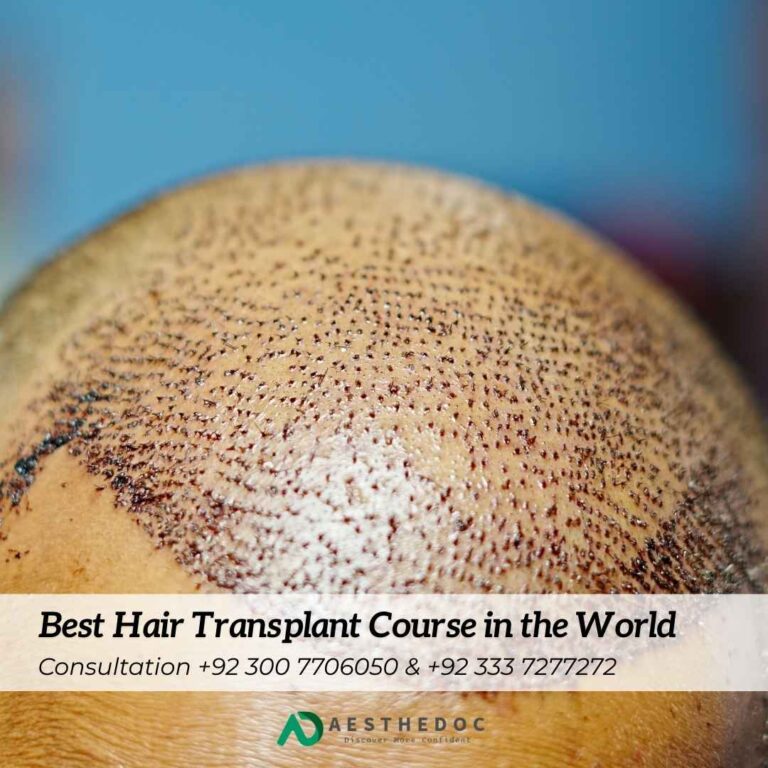
Recipient Site Creation
Tiny incisions are created to determine the direction and density of hair growth.
Graft Implantation
Hair follicles are implanted into the prepared recipient sites.
Post-Operative Care
Patients receive instructions for recovery, medications, and scalp care.
Learning this process step by step is a central part of hair transplant workshops for doctors.
Typical Structure of a Hair Transplant Workshop
A professional hair transplant workshop usually includes both theoretical sessions and practical surgical demonstrations.
Day 1 – Theory and Clinical Foundation
Participants learn about hair biology, alopecia diagnosis, and patient consultation.
Day 2 – Surgical Demonstration
Experienced surgeons perform live hair transplant procedures while explaining each step.
Day 3 – Hands-On Practice
Participants practice extraction and implantation techniques under supervision.
Some advanced workshops include additional days dedicated to complex procedures and case discussions.
Career Opportunities After Attending a Hair Transplant Workshop
Doctors who gain practical experience in hair transplant surgery can pursue several career opportunities.
Hair Transplant Surgeon
Perform surgical hair restoration procedures in specialized clinics.
Aesthetic Medicine Practitioner
Combine hair transplant services with cosmetic dermatology treatments.
Hair Restoration Clinic Owner
Open a clinic focused on hair transplant procedures.
Medical Trainer
Teach hair restoration techniques to other doctors.
Research and Innovation
Participate in clinical research related to hair growth and regenerative medicine.
The demand for hair restoration specialists ensures strong career growth and professional development.
Financial Potential of Hair Transplant Practice
Hair transplant surgery is one of the most profitable procedures in cosmetic medicine.
Average global procedure costs include:
| Country | Average Cost |
|---|---|
| United States | $6,000 – $15,000 |
| United Kingdom | $5,000 – $12,000 |
| Turkey | $2,500 – $6,000 |
| UAE | $4,000 – $10,000 |
| Pakistan | $1,500 – $5,000 |
Doctors trained in hair restoration procedures can build successful and financially rewarding medical practices.
Ethical Standards in Hair Transplant Surgery
Ethical practice is essential for maintaining patient trust and safety.
Responsible hair transplant surgeons follow principles such as:
- Honest patient consultation
- Evidence-based treatment planning
- Avoiding unnecessary procedures
- Maintaining sterile surgical environments
- Ensuring realistic patient expectations
Professional workshops emphasize ethical medical practice and patient safety.
Hair Transplant Workshop at Aesthedoc Hair Transplant Clinic & Institute
Doctors who want to gain real surgical exposure can attend the Hair Transplant Workshop for Doctors organized by Aesthedoc Hair Transplant Clinic & Institute.
The workshop provides hands-on surgical training, live case demonstrations, and mentorship from experienced hair transplant surgeons.
Participants receive practical training in modern hair restoration techniques used in professional clinics worldwide.
Doctor Profile
Learn from an Internationally Certified Hair Transplant Surgeon
The workshop is led by Dr. Adnan Bashir, a Diplomate of the American Board of Hair Restoration Surgery (ABHRS) and an internationally recognized hair transplant surgeon, aesthetic medicine trainer, and professor of pharmacology with more than 15 years of combined clinical and academic experience.
Dr. Adnan Bashir has performed over 5,000 advanced FUE hair transplant procedures, including:
- Scalp hair restoration
- Beard transplantation
- Eyebrow reconstruction
- Corrective surgeries for previously failed hair transplants
His clinical work also includes burn and trauma hair restoration, delivering natural and high-density results with high graft survival rates.
Advanced Procedures Doctors Learn During Training
Participants receive exposure to multiple aesthetic procedures including:
- FUE Hair Transplant Surgery
- Beard and Eyebrow Transplant Techniques
- PRP Therapy for Hair Loss
- Botox and Dermal Fillers
- Microneedling and Skin Rejuvenation
- PDO Thread Lift Procedures
- Laser and Energy-Based Aesthetic Treatments
Globally Recognized Medical Qualifications of Dr. Adnan Bashir
Dr. Adnan Bashir holds several internationally recognized medical qualifications including:
- Diplomate – American Board of Hair Restoration Surgery (ABHRS)
- M.Phil Pharmacology – University of Health Sciences Lahore
- MBBS – Foundation University Medical College Islamabad
- CPD UK Certified Aesthetic Trainer
- Qualifi UK Level 5 and Level 7 Trainer in Aesthetic Medicine
- Certified HRA-Robograft Provider (USA)
- Advanced Cardiac Life Support (ACLS) – American Heart Association
He is licensed by the Pakistan Medical and Dental Council (PMDC) and holds professional medical licensing eligibility for the Dubai Health Authority (DHA) and the Saudi Medical Licensing Exam (SMLE).
Evidence-Based Medical Education
Alongside his surgical career, Dr. Adnan Bashir has served as an associate professor and medical educator.
He has:
- Taught MBBS, BDS, nursing, and allied health programs
- Supervised clinical research projects
- Published research papers in international medical journals
Students benefit from training that combines clinical expertise, academic research, and real surgical practice.
Why Doctors Choose Training with Dr. Adnan Bashir
Doctors enroll in this workshop because they receive:
- Real surgical case exposure
- Hands-on hair transplant training
- Internationally structured aesthetic education
- Evidence-based clinical protocols
- Mentorship from an ABHRS-certified surgeon
This training helps doctors develop confidence, surgical precision, and professional expertise in hair restoration surgery.
Enroll Now
Aesthedoc Hair Transplant Clinic & Institute
Phone: +92 333 7277272
Email: info@aesthedoc.com
Doctors and medical professionals interested in gaining practical expertise in hair restoration surgery and aesthetic medicine are encouraged to enroll and receive hands-on training from internationally recognized hair transplant surgeon Dr. Adnan Bashir.