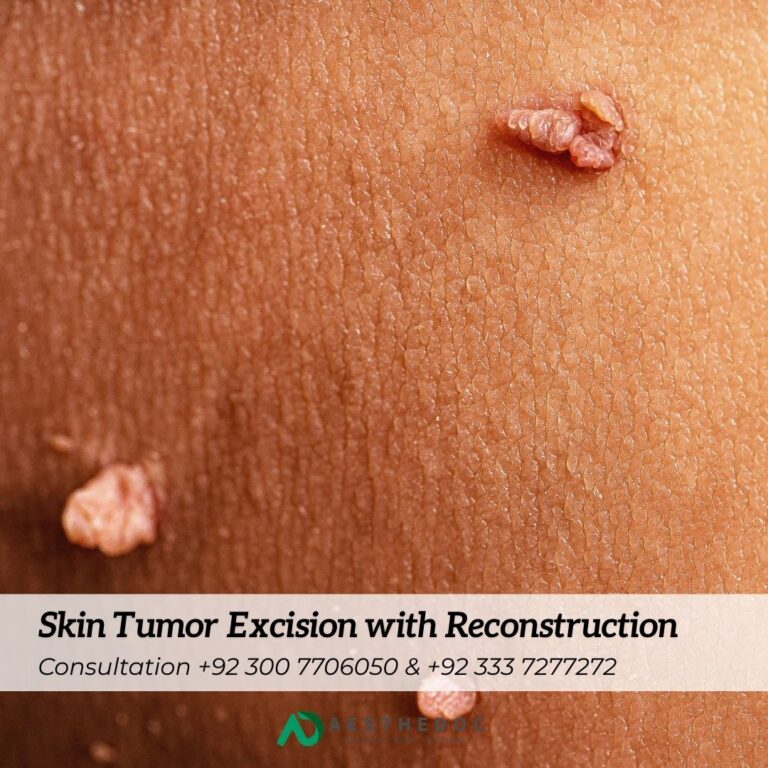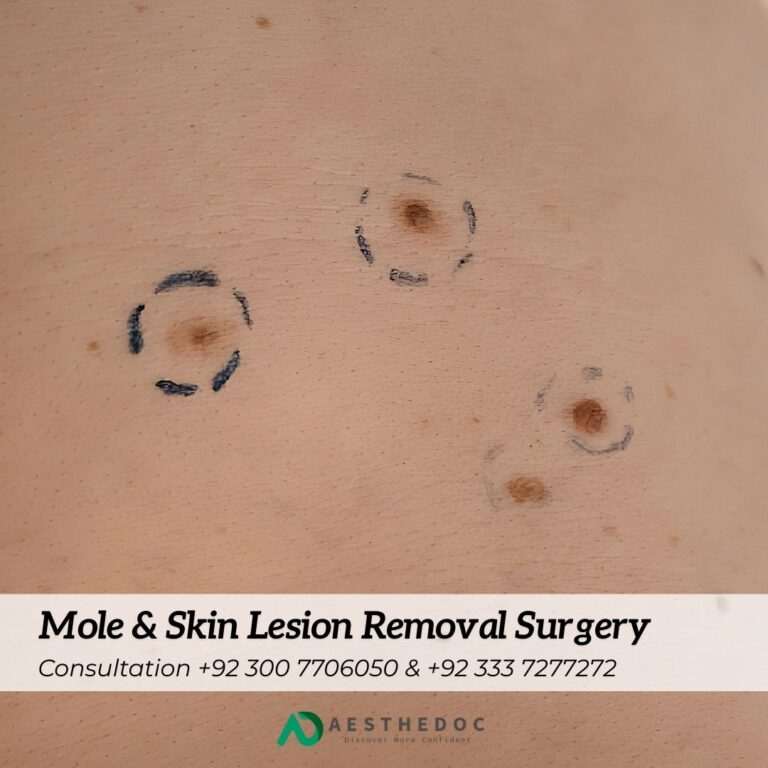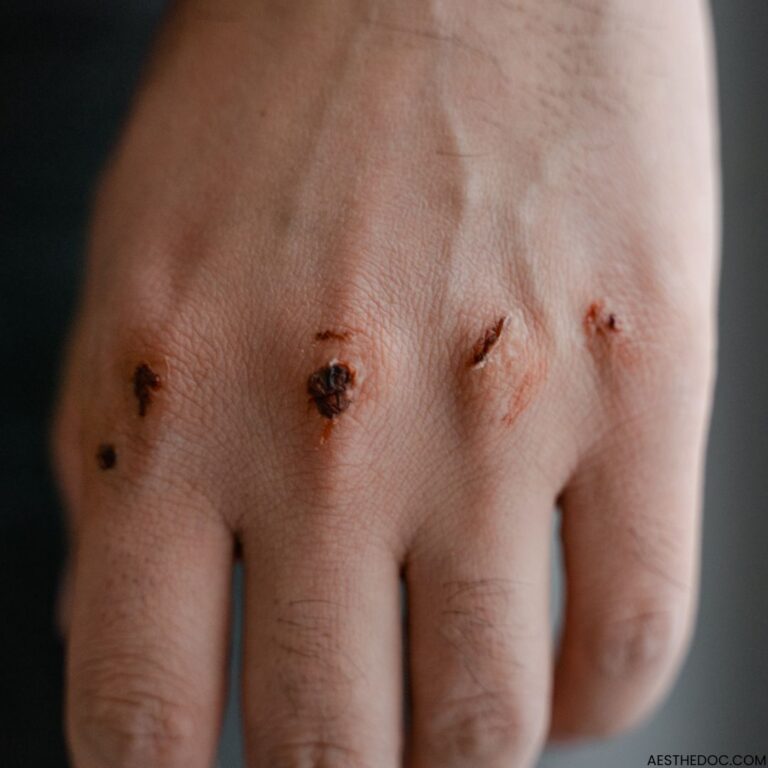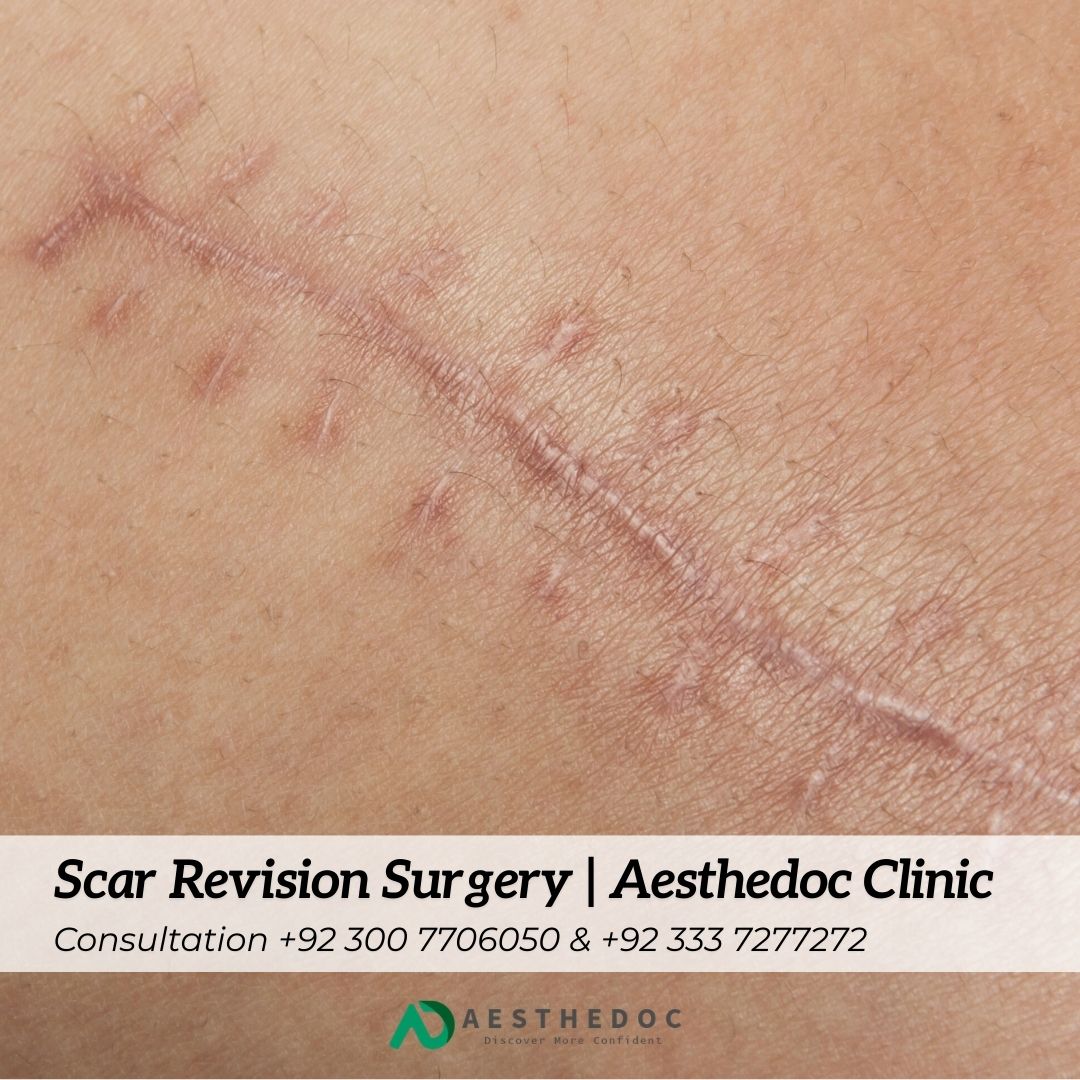
Scars are a natural part of the body’s healing process. However, when scars become thick, raised, depressed, wide, discolored, painful, or emotionally distressing, they can affect confidence and quality of life. Scar Revision Surgery is an advanced plastic surgery procedure designed to improve the appearance, texture, and function of scars — helping them blend more naturally with surrounding skin.
If you are searching for:
- Scar revision surgery in Islamabad
- Keloid scar treatment
- Hypertrophic scar removal
- Surgical scar correction cost
- Acne scar surgical treatment
- Best plastic surgeon for scar revision
This comprehensive, medically structured guide explains everything you need to know before choosing scar revision surgery.
What is Scar Revision Surgery?
Scar Revision Surgery is a specialized procedure that improves the appearance of existing scars by surgically removing, repositioning, or modifying scar tissue. The goal is not to erase a scar completely — because no procedure can do that — but to make it less visible, flatter, softer, and more natural-looking.
Scar revision can:
- Reduce raised scars (hypertrophic scars)
- Correct keloids
- Improve wide or stretched scars
- Release tight contracture scars
- Improve facial scars
- Enhance mobility in restrictive scars
A qualified plastic surgeon evaluates the scar’s type, location, skin type, and healing pattern before recommending the appropriate treatment.
Why Do Scars Form?
Scars form when the skin repairs itself after injury. The body produces collagen fibers to close wounds. However, if collagen production is excessive or irregular, abnormal scars may develop.
Common causes of scars include:
- Surgical incisions
- Accidents and trauma
- Burns
- Acne
- Infections
- Piercings
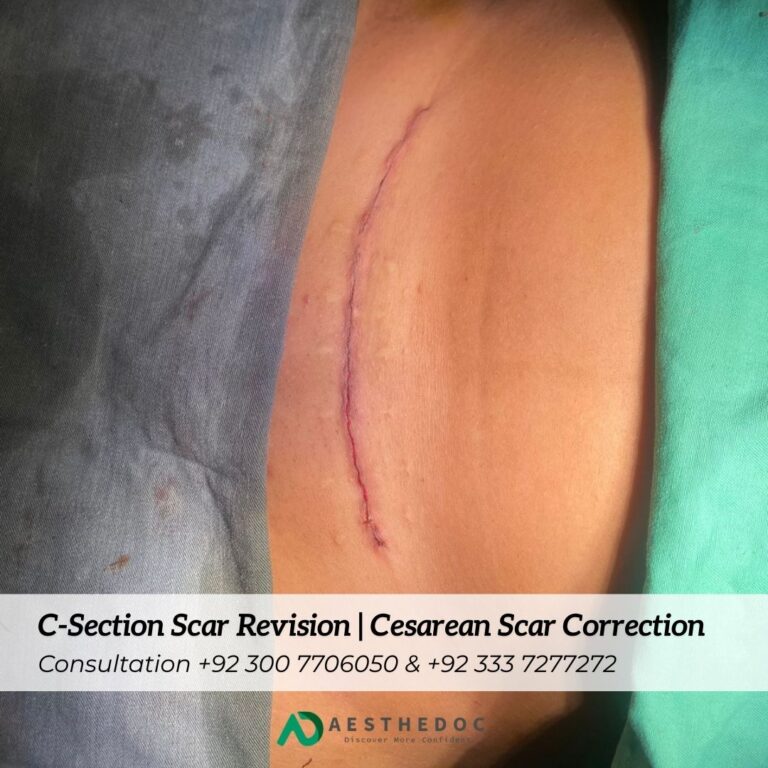
- Cesarean sections
- Previous cosmetic procedures
Each scar behaves differently depending on genetics, skin type, and wound healing response.
Types of Scars That May Require Scar Revision Surgery
Understanding scar type is crucial for proper treatment planning.
1. Hypertrophic Scars
- Raised and red
- Remain within original wound boundary
- May flatten over time but can remain thick
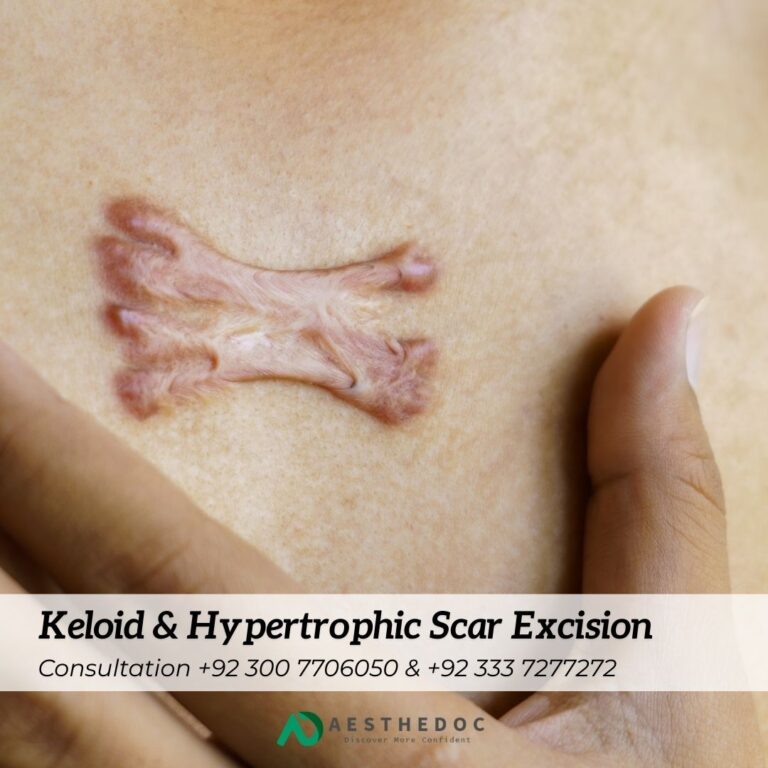
2. Keloid Scars
- Extend beyond original wound
- Thick, firm, and sometimes painful
- Common on chest, shoulders, jawline, and ears
- Higher incidence in darker skin types
3. Atrophic (Depressed) Scars
- Sunken appearance
- Common after acne or chickenpox
- Often require surgical excision or subcision
4. Contracture Scars
- Usually caused by burns
- Tighten skin and restrict movement
- May affect joints or facial mobility
5. Wide or Stretched Surgical Scars
- Occur due to tension on incision
- Can become aesthetically noticeable
Each scar type requires a customized surgical strategy.
Who is a Good Candidate for Scar Revision Surgery?
You may benefit from scar revision if:
- Your scar is raised, thick, or painful
- The scar restricts movement
- The scar is cosmetically distressing
- You are in good general health
- You have realistic expectations
Ideal candidates understand that scar revision improves appearance — not completely removes scars.
When is the Right Time for Scar Revision?
Scars must fully mature before revision surgery.
Typically:
- 6–12 months after injury or surgery
- Once redness decreases
- When scar texture stabilizes
Early intervention may worsen healing. A plastic surgeon carefully evaluates timing.
Scar Revision Techniques
Scar revision is highly individualized. Modern plastic surgery offers multiple techniques.
1. Surgical Excision
The scar is carefully removed and the skin is re-closed with precise suturing techniques.
Used for:
- Wide scars
- Hypertrophic scars
- Some keloids
- Poorly healed surgical scars
Advanced layered suturing minimizes tension and improves healing.
2. Z-Plasty
A surgical technique that:
- Reorients the scar
- Breaks up straight lines
- Releases tight contractures
- Improves functional movement
Commonly used for:
- Burn scars
- Joint contractures
- Facial scars
3. W-Plasty
Creates small zigzag incisions to:
- Blend scars with natural skin lines
- Improve cosmetic appearance
Frequently used for facial scars.
4. Keloid Excision with Adjunct Therapy
Keloids often require:
- Surgical removal
- Steroid injections
- Pressure therapy
- Silicone sheets
Combination therapy reduces recurrence risk.
5. Subcision
Used for depressed scars:
- Releases fibrous bands
- Elevates sunken skin
- Stimulates collagen remodeling
6. Skin Grafting or Flap Surgery
For severe scars or contractures:
- Healthy skin transferred
- Used in burn reconstruction
- Restores function and appearance
Scar Revision vs Non-Surgical Treatments
Non-surgical options include:
- Laser therapy
- Microneedling
- Steroid injections
- Silicone gel sheets
- Chemical peels
However, these may not be effective for:
- Deep scars
- Thick keloids
- Contracture scars
- Severely stretched scars
Surgical scar revision remains the gold standard for structural correction.
Step-by-Step Scar Revision Procedure
1. Consultation
- Scar evaluation
- Medical history review
- Photographic documentation
- Treatment plan discussion
2. Anesthesia
- Local anesthesia for small scars
- General anesthesia for extensive cases
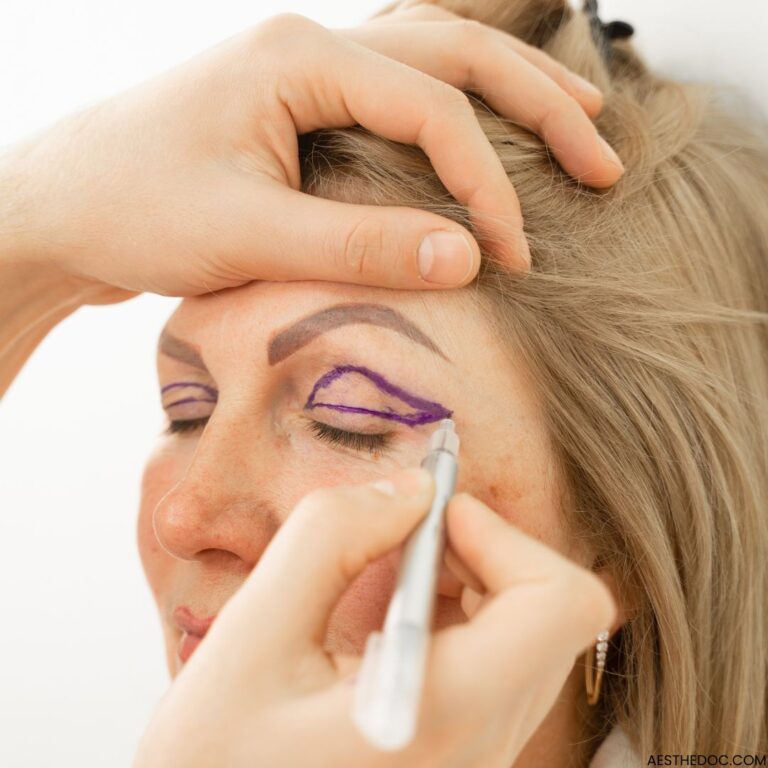
3. Surgical Correction
- Scar excised or reshaped
- Deep layered sutures placed
- Skin closed meticulously
4. Dressing and Post-Operative Care
- Sterile dressing applied
- Follow-up appointments scheduled
Procedure duration varies from 30 minutes to 2 hours depending on complexity.
Recovery After Scar Revision Surgery
Recovery depends on scar size and location.
First Week
- Mild swelling
- Minor discomfort
- Sutures removed after 5–10 days
2–4 Weeks
- Redness gradually decreases
- Scar begins maturation phase
3–6 Months
- Scar softens
- Color fades
Full scar maturation may take up to 1 year.
What Results Can You Expect?
Scar revision can:
- Flatten raised scars
- Improve skin texture
- Reduce discoloration
- Restore function
- Improve symmetry
- Boost self-confidence
Complete scar removal is impossible, but significant aesthetic improvement is achievable with expert technique.
Risks and Complications
When performed by a qualified plastic surgeon, scar revision is safe. However, risks may include:
- Infection
- Bleeding
- Recurrence (especially keloids)
- Delayed healing
- Pigmentation changes
Proper surgical planning minimizes risks.
Scar Revision Surgery Cost in Pakistan
Cost depends on:
- Scar size
- Scar type
- Surgical complexity
- Location of scar
- Need for adjunct therapies
Estimated Range:
PKR 80,000 – 250,000
Large contracture or reconstructive procedures may cost more.
International Comparison:
- USA: $2,000 – $6,000
- UK: £1,500 – £4,000
- UAE: $2,500 – $5,000
Pakistan offers advanced plastic surgery services at significantly affordable costs.
Scar Revision on Face vs Body
Facial scars require:
- Precise cosmetic planning
- Alignment with natural skin lines
- Microsurgical suturing techniques
Body scars may prioritize:
- Functional release
- Strength and durability
- Tension reduction
Aesthetic judgment is critical in facial scar revision.
Psychological Impact of Scar Correction
Scars on visible areas such as:
- Face
- Neck
- Hands
- Ears
Can cause:
- Social anxiety
- Reduced confidence
- Emotional distress
Scar revision surgery often improves psychological well-being and social comfort.
How to Prevent Poor Scar Formation
While not all scars are preventable, you can reduce risk by:
- Following post-surgery instructions
- Avoiding sun exposure
- Using silicone gel sheets
- Avoiding wound tension
- Maintaining healthy nutrition
- Avoiding smoking
Genetics also play a role in scar formation.
Why Choosing the Right Plastic Surgeon Matters
Scar revision requires:
- Advanced knowledge of wound healing
- Understanding of skin tension lines
- Microsurgical suturing expertise
- Aesthetic eye for blending scars naturally
Poor technique may worsen scars.
Always verify:
- Board certification
- Recognized qualifications
- Active medical registrations
- Transparent consultation process
Why Choose Aesthedoc Clinic for Scar Revision Surgery?
At Aesthedoc Clinic, patient safety, natural results, and ethical surgical standards are prioritized.
Dr Nadiya Tariq – Plastic Surgeon
Academic Qualifications
- FCPS (Plastic Surgery) – College of Physicians & Surgeons Pakistan (CPSP), 2025
- MBBS – University of Health Sciences (UHS), Lahore, 2016
Professional Registrations
- Pakistan Medical & Dental Council (PMDC) – Active Registration
- Irish Medical Council (IMC) – Active Registration
Dr Nadiya Tariq offers:
- Personalized scar assessment
- Advanced scar revision techniques
- International-level surgical standards
- Ethical consultation and realistic guidance
- Focus on natural aesthetic outcomes
Each patient receives a customized treatment plan based on scar type, location, and healing pattern.
Aesthedoc – Islamabad
I-8 Markaz, Islamabad
📞 +92 333 7277272
📧 info@aesthedoc.com
Instagram: @aesthe_doc
Mon – Sun 9:00 – 19:00
Aesthedoc Clinic – Rawalpindi
3rd Floor, Rajas United Height
Opposite Future World School
Bahria Town Phase 8, Rawalpindi
📞 +92 300 7706050
📧 info@aesthedocclinic.com
Instagram: @aesthedocclinic
Mon – Sun 9:00 – 19:00
Book Your Scar Revision Consultation Today
If a scar is affecting your appearance, confidence, or physical comfort, professional evaluation can determine the safest and most effective solution.
Scar Revision Surgery is a highly specialized procedure that requires surgical precision, aesthetic judgment, and ethical patient care.
Consult Dr Nadiya Tariq, FCPS Plastic Surgery, at Aesthedoc Clinic in Islamabad or Rawalpindi for a detailed and personalized scar improvement plan.
Restore smoother skin. Improve confidence. Enhance comfort.