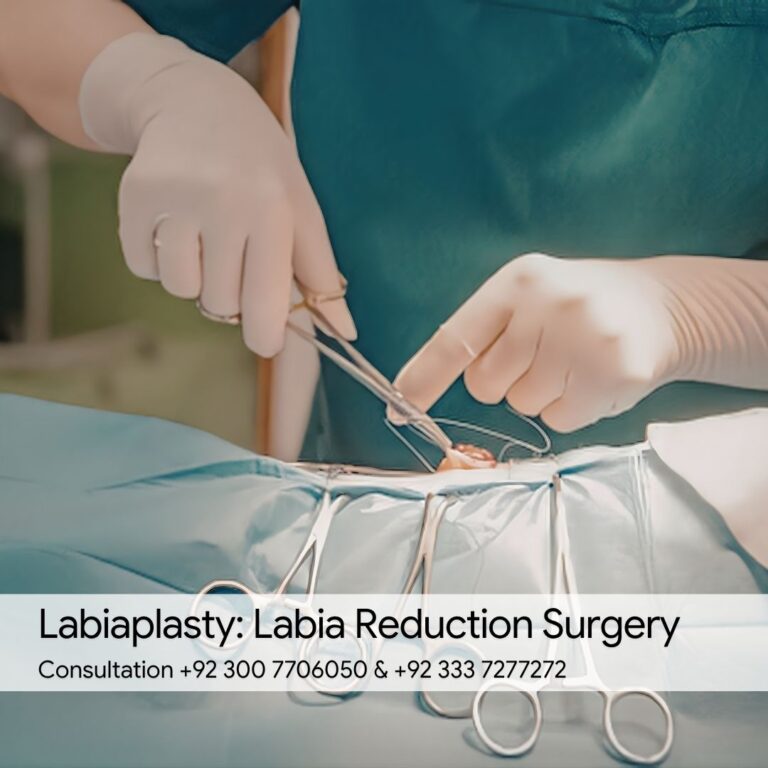
Graft or Mesh Pelvic Support Surgeries in Rawalpindi are advanced reconstructive procedures designed to restore pelvic organ support, correct prolapse, and improve urinary and sexual function in women. These surgeries are increasingly sought by patients experiencing pelvic floor weakness, recurrent prolapse, or urinary incontinence, providing long-lasting structural support and enhanced quality of life.
What are Graft or Mesh Pelvic Support Surgeries?
Graft or Mesh Pelvic Support Surgeries involve the surgical placement of biocompatible grafts or synthetic mesh materials to reinforce weakened pelvic floor structures. These surgeries are commonly used to treat:
- Pelvic organ prolapse (POP) – Bladder, uterus, or rectum bulging into the vaginal canal
- Urinary incontinence – Stress urinary incontinence caused by weakened pelvic muscles
- Vaginal laxity – Loss of support after childbirth or aging
- Failed prior surgeries – Correction of recurrent prolapse after previous repairs
The use of grafts or mesh provides durable support, reduces recurrence rates, and restores pelvic anatomy.
Understanding Pelvic Anatomy
A clear understanding of pelvic anatomy is crucial for effective surgical planning:
- Pelvic floor muscles: Levator ani, pubococcygeus, and coccygeus muscles
- Supportive connective tissue: Endopelvic fascia
- Pelvic organs: Bladder, uterus, vagina, rectum
- Function: Support organs, maintain urinary and fecal continence, sexual function
Weakened or damaged pelvic structures can lead to prolapse, urinary issues, and reduced quality of life. Graft or mesh surgeries restore both structure and function.
Indications for Graft or Mesh Pelvic Support Surgeries
Patients may require graft or mesh surgery for several medical or functional reasons:
1. Pelvic Organ Prolapse
- Anterior prolapse: Bladder bulging (cystocele)
- Posterior prolapse: Rectal bulging (rectocele)
- Uterine prolapse: Descent of the uterus into the vaginal canal
- Symptoms include pelvic pressure, bulging sensation, urinary retention, and discomfort
2. Urinary Stress Incontinence
- Weak pelvic muscles lead to involuntary urine leakage
- Mesh support restores urethral and bladder neck alignment
3. Vaginal Laxity
- Postpartum or age-related weakening of vaginal walls
- Enhances sexual satisfaction and intimate confidence
4. Recurrent Pelvic Floor Weakness
- Previous surgeries may fail or have limited durability
- Graft or mesh reinforcement improves long-term outcomes
Types of Grafts and Mesh Materials
Different materials can be used depending on the surgical need:
1. Synthetic Mesh
- Made from biocompatible materials such as polypropylene
- Provides long-term structural support
- Commonly used for cystocele, rectocele, and stress urinary incontinence
2. Autologous Grafts
- Patient’s own tissue (fascia, ligament) harvested for repair
- Reduced risk of foreign body reactions
- Used when synthetic mesh is contraindicated
3. Biologic Grafts
- Acellular collagen or cadaveric tissue
- Absorbable and integrates into host tissue
- Used for women with mesh sensitivity or high infection risk
Surgical Techniques for Pelvic Support
1. Transvaginal Mesh Repair
- Mesh is inserted via the vaginal canal
- Secured to pelvic ligaments for anterior or posterior wall support
- Minimally invasive with faster recovery
2. Abdominal or Laparoscopic Mesh Repair
- Mesh placed via small abdominal incisions
- Stronger support for severe prolapse or multi-compartment defects
- Often used in uterine or combined prolapse
3. Sling Procedures for Urinary Incontinence
- Mesh or graft placed under urethra to restore support
- Tension-free mid-urethral sling is most common
- High success rates in stress urinary incontinence
Step-by-Step Procedure
Step 1: Preoperative Consultation
- Medical history, physical examination, and imaging
- Discussion of goals, risks, and surgical options
Step 2: Anesthesia
- General or regional anesthesia based on procedure complexity
Step 3: Surgical Placement
- Incisions made in vaginal or abdominal tissue
- Graft or mesh positioned to reinforce pelvic floor
- Sutures secure the material without tension
- Excess tissue may be trimmed for optimal alignment
Step 4: Postoperative Observation
- Monitored for 1–2 days depending on complexity
- Pain management, catheter care, and hygiene instructions provided
Recovery and Aftercare
Recovery depends on the extent of surgery:
First 48 Hours
- Mild pain and swelling
- Pain managed with prescribed medications
- Rest is crucial
First 2 Weeks
- Avoid heavy lifting and strenuous activity
- Maintain hygiene to prevent infection
- Follow-up appointment for incision evaluation
Weeks 3–6
- Gradual return to normal activities
- Avoid sexual activity until clearance
- Monitor for urinary or bowel function
After 6 Weeks
- Full recovery of function and strength
- Long-term durability and support achieved
Benefits of Graft or Mesh Pelvic Support Surgeries
1. Restores Pelvic Structure
- Reinforces weakened walls
- Reduces organ prolapse recurrence
2. Improves Urinary Function
- Corrects stress incontinence
- Supports bladder and urethra alignment
3. Enhances Sexual Function
- Corrects vaginal laxity
- Improves satisfaction and confidence
4. Long-Lasting Results
- Mesh or graft provides durable reinforcement
- Minimizes need for repeat surgery
5. Minimally Invasive Options
- Laparoscopic and transvaginal techniques
- Reduced hospital stay and faster recovery
6. Psychological Benefits
- Improves self-esteem and quality of life
- Resolves discomfort and embarrassment associated with prolapse
Risks and Safety Considerations
While generally safe, potential risks include:
- Mesh exposure or erosion (rare with proper technique)
- Infection
- Pain or discomfort
- Urinary or bowel complications
- Recurrence of prolapse in rare cases
Choosing a board-certified plastic surgeon with experience in graft and mesh surgeries minimizes risks.
Cost Considerations in Rawalpindi
Factors influencing cost include:
- Surgeon’s expertise and reputation
- Type of graft or mesh used
- Procedure complexity
- Hospital or clinic facilities
- Postoperative care and follow-ups
Patients are encouraged to prioritize safety, surgeon qualifications, and quality outcomes over cost.
Choosing a Qualified Plastic Surgeon
A qualified surgeon ensures:
- Precise placement of graft or mesh
- Functional and aesthetic restoration
- Safe postoperative recovery
- Ethical guidance and patient counseling
Look for credentials such as:
- FCPS Plastic Surgery qualification
- Active PMDC registration
- Experience in female pelvic reconstructive surgeries
Recognized Medical Credentials
Dr Nadia Tariq – Plastic Surgeon
Academic Qualifications
- FCPS (Plastic Surgery) – College of Physicians & Surgeons Pakistan (CPSP), 2025
- MBBS – University of Health Sciences (UHS), Lahore, 2016
Professional Registrations
- Pakistan Medical & Dental Council (PMDC) – Active Registration
- Irish Medical Council (IMC) – Active Registration
The FCPS Plastic Surgery fellowship provides advanced training in:
- Reconstructive pelvic surgery
- Complication management
- Ethical, patient-centered care
Frequently Asked Questions (FAQs)
How long does the surgery take?
Typically 90–180 minutes depending on complexity.
Is it painful?
Anesthesia ensures minimal pain; postoperative discomfort is manageable.
Is hospitalization required?
Yes, usually 1–2 days for monitoring.
When can normal activities resume?
Light activity after 2 weeks; sexual activity after 6 weeks with clearance.
Are there visible scars?
Incisions are discreet and heal well with modern surgical techniques.
Is the procedure safe?
Yes, when performed by a board-certified plastic surgeon with experience in graft and mesh pelvic surgery.
Emotional and Confidential Considerations
- Private consultations ensure discretion
- Respect for patient privacy, cultural sensitivities, and autonomy
- Non-judgmental counseling and guidance
- Postoperative follow-up for both functional and emotional well-being
Graft or Mesh Pelvic Support Surgeries in Rawalpindi – Trusted & Professional
For patients seeking safe and effective pelvic floor reconstruction in Rawalpindi, professional consultation with a board-certified plastic surgeon ensures:
- Restored pelvic anatomy and organ support
- Improved urinary and sexual function
- Confidential and ethical care
- Durable, long-term results
Aesthedoc Clinic
Dr Nadia Tariq – Plastic Surgeon
Academic Qualifications:
- FCPS (Plastic Surgery) – College of Physicians & Surgeons Pakistan (CPSP), 2025
- MBBS – University of Health Sciences (UHS), Lahore, 2016
Professional Registrations:
- Pakistan Medical & Dental Council (PMDC) – Active Registration
- Irish Medical Council (IMC) – Active Registration
At Aesthedoc Clinic, patients receive:
✔ Personalized assessment and confidential consultation
✔ Expert graft or mesh pelvic support surgeries
✔ Ethical guidance and follow-up care
✔ Modern, sterile, and discreet surgical environment
Schedule your consultation today with Dr Nadia Tariq for safe, functional, and aesthetically satisfying graft or mesh pelvic support surgery in Rawalpindi.