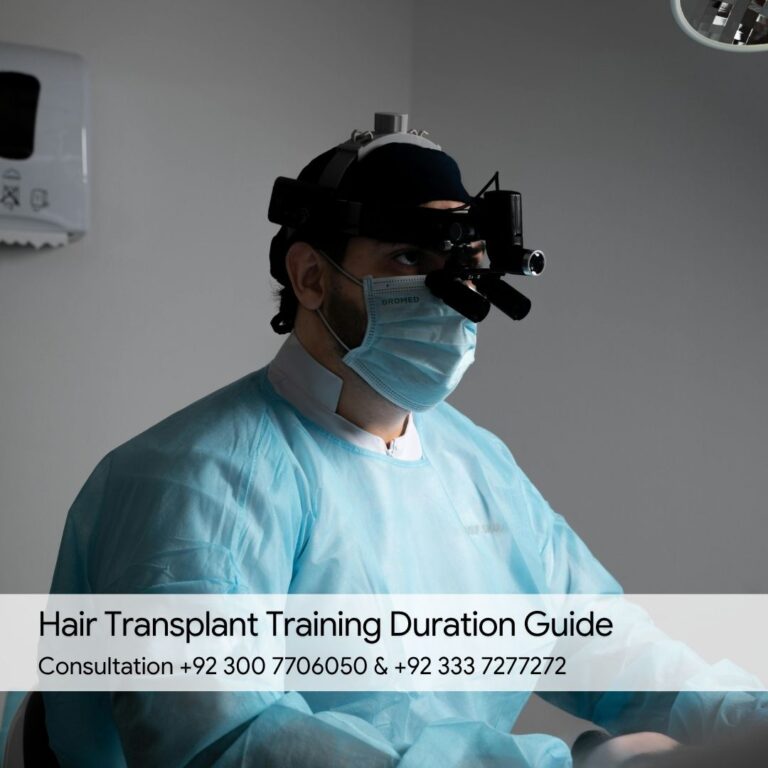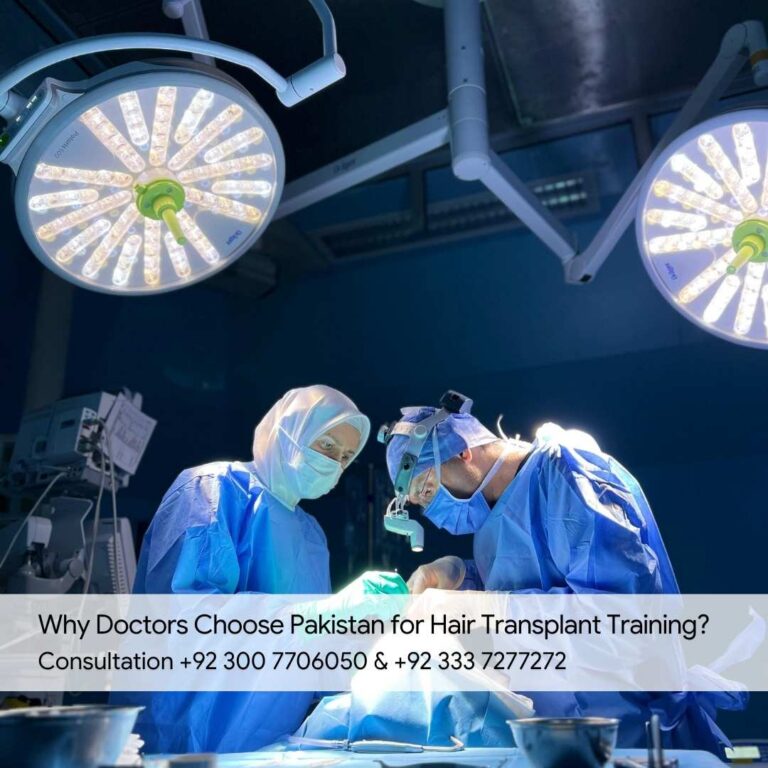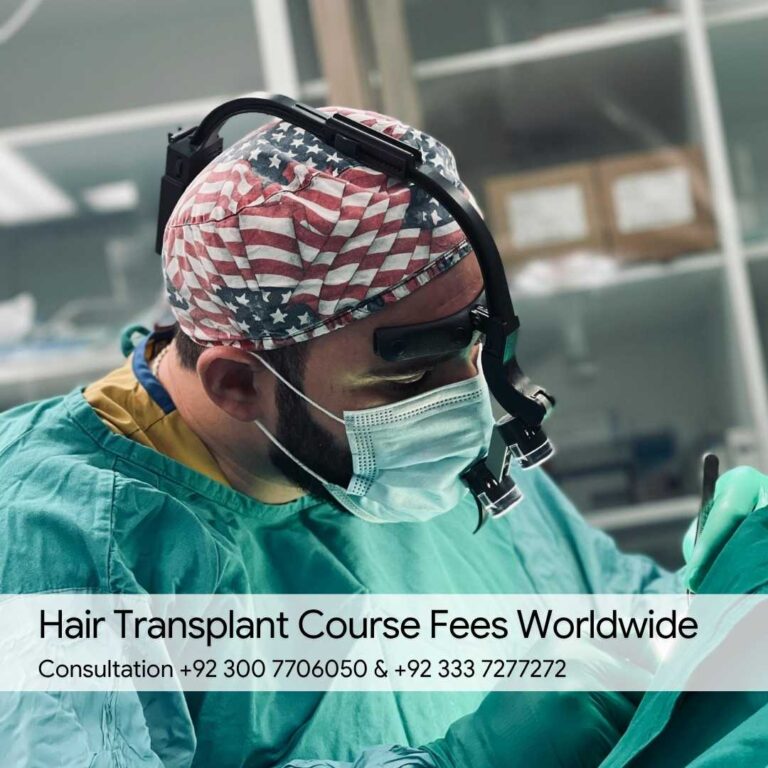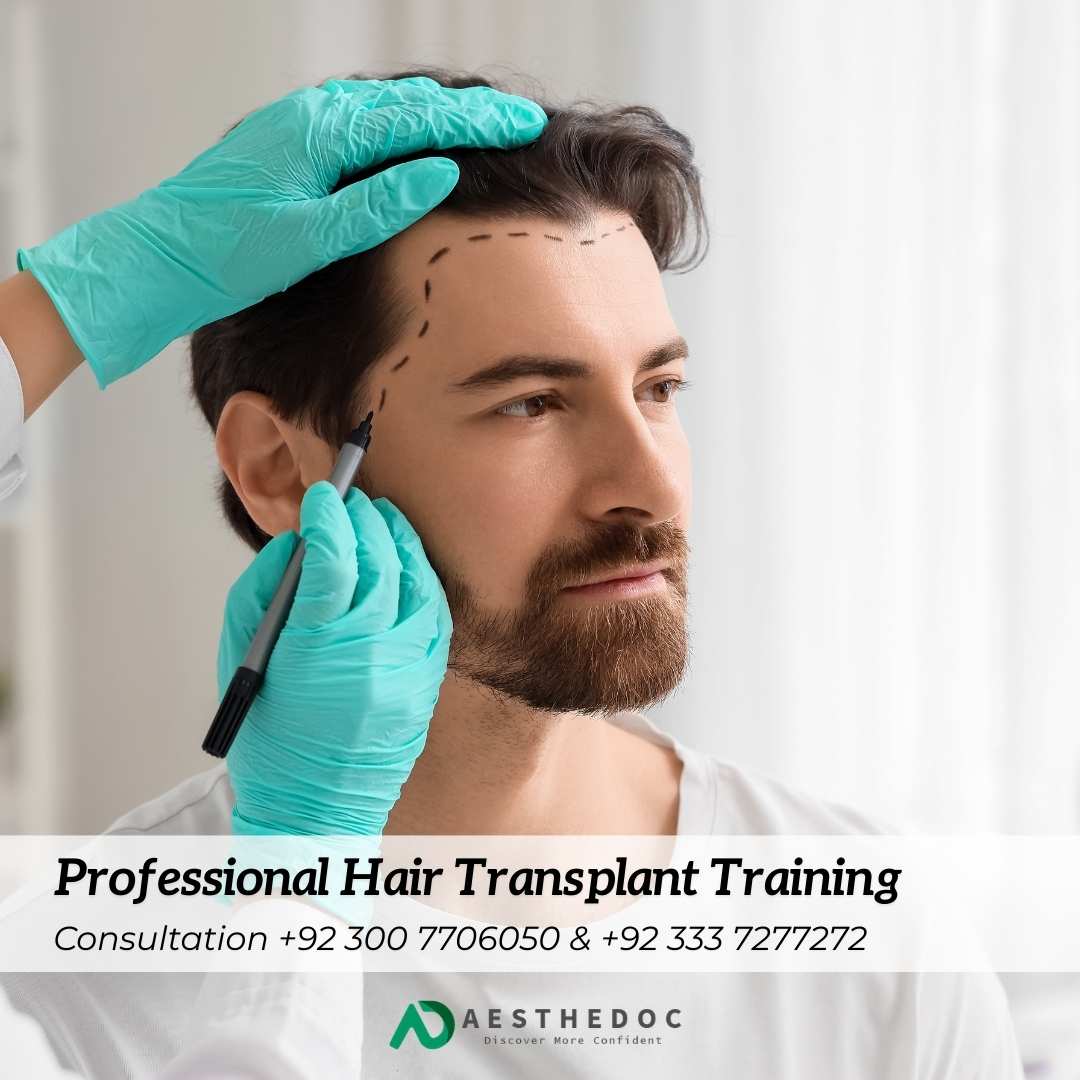
Hair loss affects millions of people worldwide, impacting self-confidence and quality of life. With the rise of cosmetic surgery and aesthetic medicine, hair restoration has emerged as one of the most sought-after medical procedures. The demand for skilled hair transplant surgeons has grown significantly, making professional hair transplant training a necessity for doctors, dermatologists, and aesthetic medicine practitioners.
Professional hair transplant training equips medical professionals with advanced knowledge, practical surgical skills, and hands-on experience, enabling them to deliver natural-looking hair restoration results. These programs focus on both theoretical foundations and real-world surgical applications, preparing doctors to meet the increasing global demand for hair restoration procedures.
This guide covers everything you need to know about professional hair transplant training, including techniques, course structure, curriculum, career benefits, and why training under internationally recognized surgeons is essential for global credibility and clinical expertise.
Understanding Hair Transplant Surgery
Hair transplant surgery is a medical procedure that restores hair in areas affected by thinning or baldness by relocating healthy hair follicles from a donor region to a recipient site. The donor area usually consists of hair follicles from the back or sides of the scalp that are genetically resistant to hair loss.
Hair transplant procedures are commonly indicated for:
- Male pattern baldness
- Female hair thinning
- Receding hairlines
- Crown baldness
- Beard or facial hair loss
- Eyebrow reconstruction
- Hair loss from burns, scars, or trauma
- Corrective procedures for previous unsuccessful transplants
Hair transplant surgery is a highly technical field requiring precision, aesthetic judgment, and knowledge of hair biology. Professional hair transplant training ensures doctors are equipped with the skills to perform these procedures safely and effectively.
Importance of Professional Hair Transplant Training
While theoretical courses provide foundational knowledge about hair loss and treatment options, professional hair transplant training focuses on practical surgical skills, patient handling, and advanced procedures.
Key Benefits:
1. Hands-On Surgical Expertise
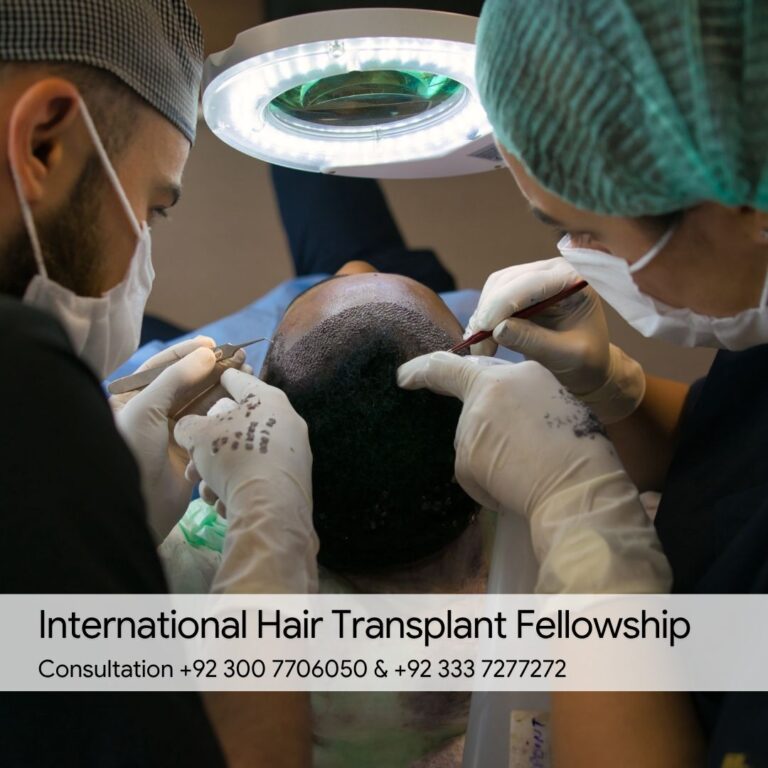
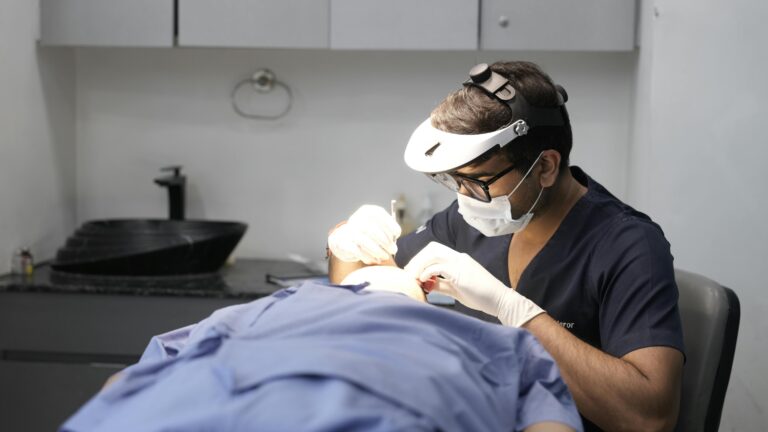
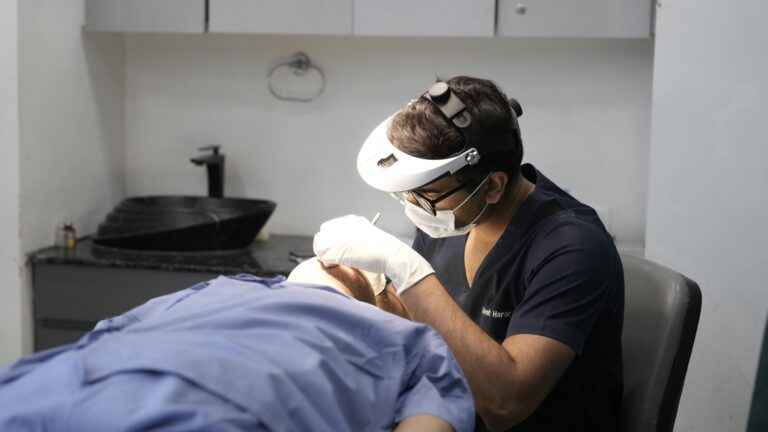
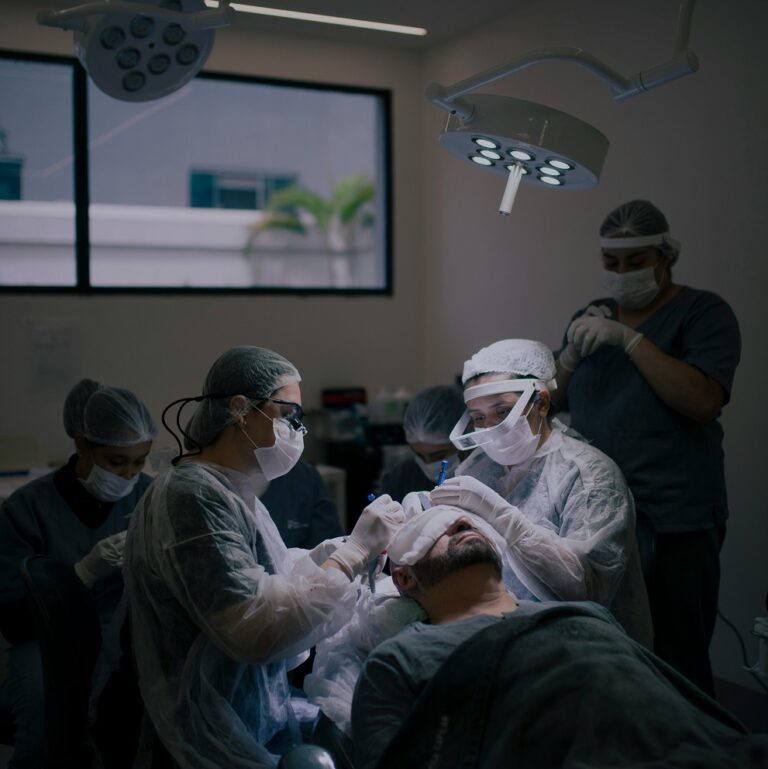
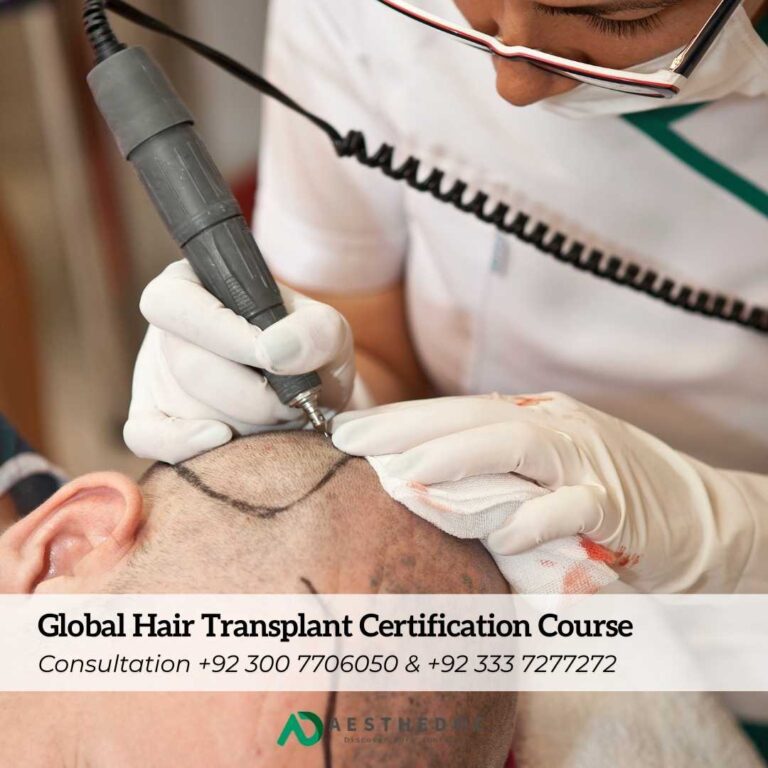
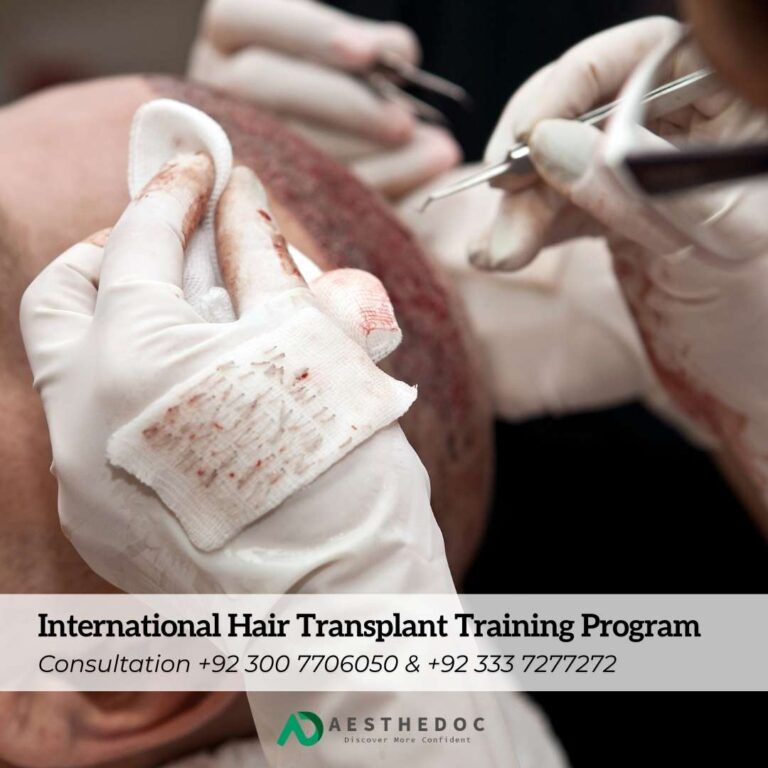
Doctors gain direct experience performing follicular unit extraction (FUE), graft handling, and implantation techniques under expert supervision.
2. Exposure to Real Patient Cases
Training includes observation and participation in live surgeries, allowing practitioners to manage different hair loss patterns and surgical challenges.
3. Advanced Technique Mastery
Doctors learn the latest hair restoration methods, including FUE, Direct Hair Implantation (DHI), and corrective hair transplant procedures.
4. Evidence-Based Clinical Practice
Professional training emphasizes modern, evidence-backed protocols, ensuring safe, high-quality outcomes.
5. Enhanced Professional Credibility
Completion of a recognized professional hair transplant training program signals competence to patients, peers, and international medical communities.
6. Career Development
Training prepares doctors to work in high-end aesthetic clinics, establish their own practices, or teach hair restoration techniques to other medical professionals.
Global Demand for Professional Hair Transplant Surgeons
The global hair restoration market has experienced rapid growth due to several factors:
Increasing Hair Loss Cases
Genetic predisposition, stress, hormonal imbalances, lifestyle changes, and environmental factors have contributed to a growing population experiencing hair loss.
Technological Advancements
Modern techniques such as FUE, DHI, and robotic-assisted hair transplantation have improved patient outcomes and surgical efficiency.
Greater Awareness of Aesthetic Medicine
Patients today are better informed about aesthetic procedures, leading to increased demand for skilled surgeons.
Medical Tourism
Countries with high-quality hair restoration clinics attract international patients, further increasing demand for certified hair transplant surgeons.
Professional hair transplant training ensures doctors are qualified to meet these growing demands while adhering to international standards.
Who Should Pursue Professional Hair Transplant Training
Professional hair transplant training programs are designed for licensed medical professionals seeking specialization in hair restoration. Typical participants include:
- Medical doctors (MBBS or equivalent)
- Dermatologists
- Plastic surgeons
- Cosmetic surgeons
- Aesthetic medicine practitioners
- Doctors seeking advanced surgical training in hair restoration
Training programs are tailored specifically for doctors because hair transplantation requires surgical skill, anesthesia administration, and adherence to sterile protocols.
Core Techniques Covered in Professional Hair Transplant Training
Follicular Unit Extraction (FUE)
FUE is the most popular and globally recognized hair transplant method. Individual follicular units are extracted from the donor area using specialized micro-punch tools and implanted into the recipient site.
Advantages of FUE:
- Minimal scarring
- Rapid recovery
- Natural hair growth patterns
- High graft survival
- Ability to use body hair for transplantation
FUE is the cornerstone of modern hair restoration, making it a central focus of professional training programs.
Direct Hair Implantation (DHI)
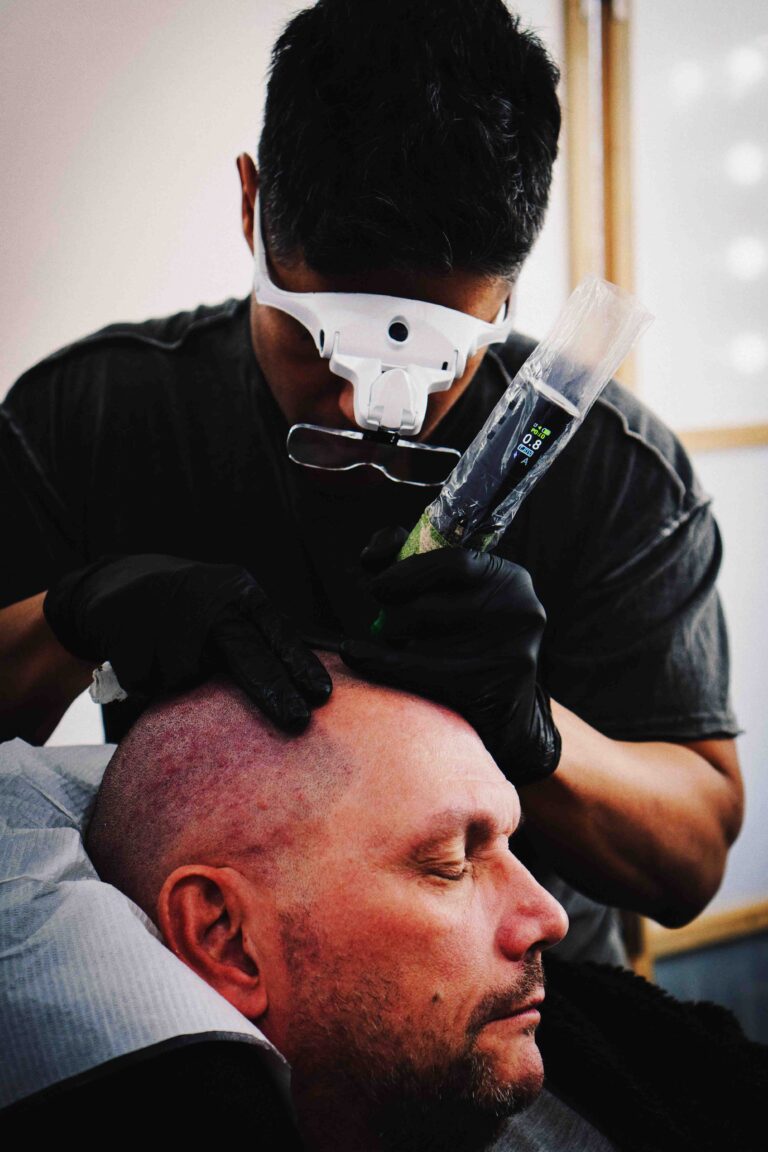
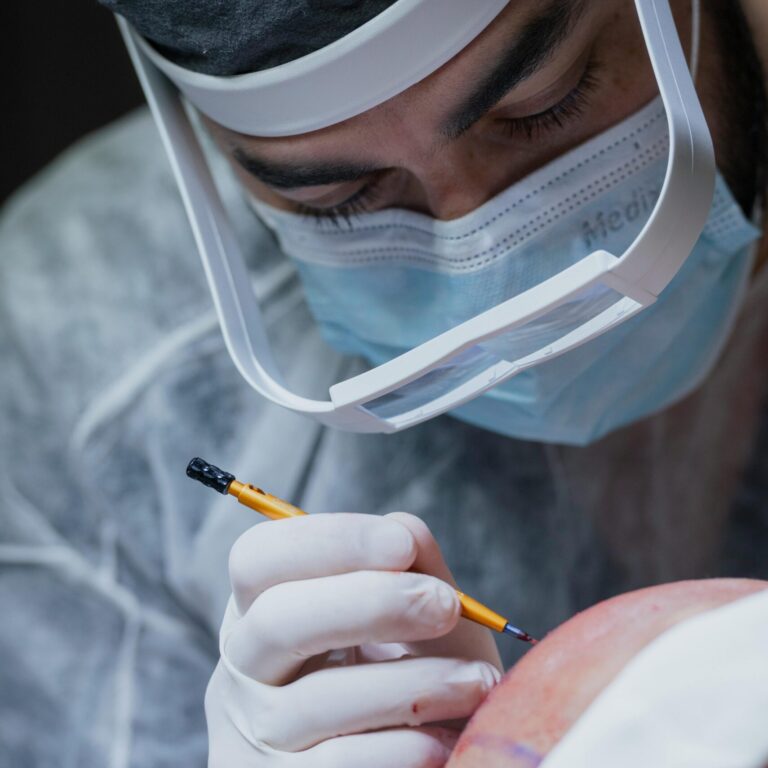
DHI uses implanter pens to place grafts directly into the recipient area without pre-made channels.
Benefits of DHI:
- Precise control over hair direction
- High-density implantation
- Reduced graft handling and trauma
- Faster recovery
Many advanced training programs include DHI as part of their curriculum.
Advanced Recipient Site Creation Techniques
Some clinics use sapphire blades or specialized micro-instruments to create recipient sites, improving precision and minimizing trauma. Training programs teach doctors how to create natural-looking hairlines and optimal graft placement.
Specialized Hair Restoration Procedures
Professional hair transplant training covers more than just scalp hair restoration. Participants also learn:
Beard and Facial Hair Transplant
Enhancing facial hair density and restoring symmetry.
Eyebrow Transplant
Reconstructing eyebrow shape and density for natural aesthetics.
Scar and Trauma Hair Restoration
Transplanting hair into areas affected by surgical scars, burns, or injuries.
Corrective Hair Transplant Surgery
Repairing poorly executed or failed hair transplant procedures to achieve natural results.
Scientific Knowledge for Hair Transplant Surgery
Professional training programs provide a deep understanding of medical and aesthetic sciences, including:
- Hair follicle anatomy and physiology
- Hair growth cycles
- Alopecia types and diagnosis
- Scalp vascular anatomy
- Surgical sterilization protocols
- Local anesthesia techniques
- Pharmacological therapies for hair loss
- Post-operative wound healing
This knowledge allows doctors to combine surgical and medical approaches for optimal outcomes.
Step-by-Step Hair Transplant Procedure
Professional training ensures doctors understand and perform each step with precision:
1. Patient Consultation
Assessment of hair loss pattern, donor area, and patient expectations.
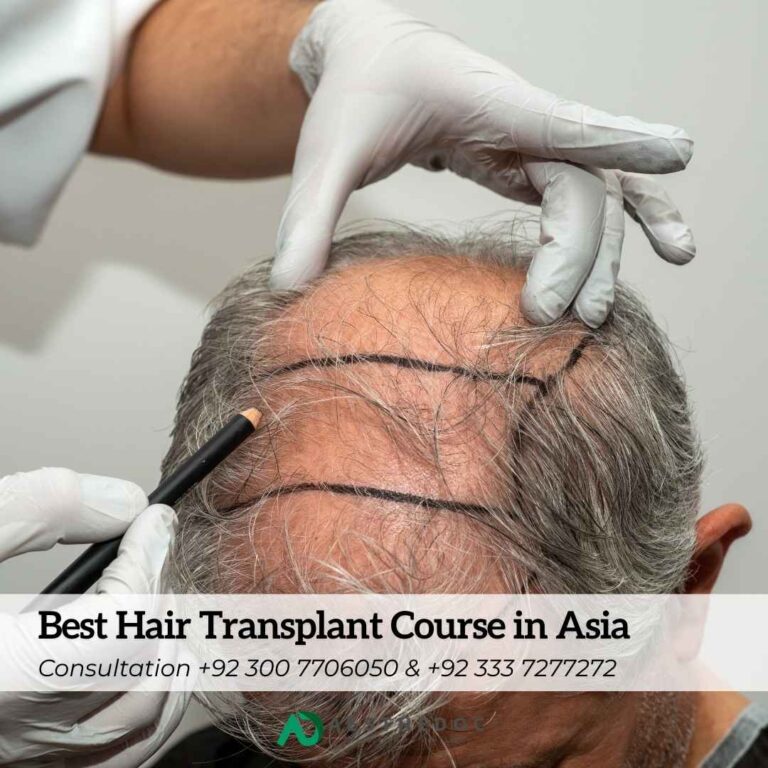
2. Hairline Design
Designing a natural hairline that complements facial features.
3. Donor Area Preparation
Preparing the donor area for follicular unit extraction.
4. Follicular Unit Extraction
Careful extraction of individual follicular units.
5. Graft Preservation
Maintaining graft viability using specialized solutions.
6. Recipient Site Creation
Creating precise incisions for natural hair direction and density.
7. Graft Implantation
Transplanting grafts into the recipient area with accuracy.
8. Post-Operative Care
Instructions on medications, wound care, and follow-up for optimal recovery.
Curriculum of Professional Hair Transplant Training
A comprehensive program combines theory with hands-on experience:
Hair Anatomy and Biology
Understanding hair structure and growth patterns.
Diagnosis of Hair Loss
Evaluating different types of alopecia and surgical suitability.
Patient Consultation and Expectations
Assessing needs and planning personalized treatment.
Hairline Design Principles
Creating aesthetically balanced and age-appropriate hairlines.
Donor Area Assessment
Evaluating hair density and safe extraction limits.
FUE Extraction Techniques
Hands-on practice in harvesting follicular units.
Graft Handling and Preservation
Ensuring graft survival during surgery.
Implantation Techniques
Learning correct angles, depth, and density for natural results.
Complication Management
Identifying and resolving surgical complications.
Post-Operative Care
Guidelines for patient recovery and graft success.
Career Opportunities After Professional Hair Transplant Training
Doctors gain access to a wide range of professional opportunities:
- Hair Transplant Surgeon in specialized clinics
- Aesthetic Medicine Practitioner combining hair restoration and cosmetic procedures
- Clinic Owner specializing in hair restoration services
- Medical Trainer teaching hair transplant techniques
- Researcher in regenerative medicine and hair restoration innovation
The global demand for hair transplant specialists ensures strong career growth and high financial potential.
Financial Potential of Hair Transplant Practice
Hair restoration surgery is among the most profitable procedures in aesthetic medicine.
| Country | Average Cost |
|---|---|
| USA | $6,000 – $15,000 |
| UK | $5,000 – $12,000 |
| Turkey | $2,500 – $6,000 |
| UAE | $4,000 – $10,000 |
| Pakistan | $1,500 – $5,000 |
Doctors trained in hair restoration can establish lucrative practices serving both local and international clients.
Ethical Standards in Hair Transplant Surgery
Professional training emphasizes ethical practice:
- Honest patient consultation
- Evidence-based treatment plans
- Avoiding unnecessary procedures
- Maintaining sterile surgical environments
- Setting realistic expectations
Ethical practice ensures patient satisfaction and long-term credibility.
Professional Hair Transplant Training at Aesthedoc Hair Transplant Clinic & Institute
Doctors seeking practical and globally recognized training can enroll in Professional Hair Transplant Training at Aesthedoc Hair Transplant Clinic & Institute.
The program offers:
- Hands-on surgical training
- Exposure to real patient cases
- Mentorship from internationally recognized surgeons
- Training in advanced hair restoration techniques including FUE, DHI, and corrective procedures
The training program is tailored for doctors, dermatologists, plastic surgeons, and aesthetic practitioners who want to master modern hair restoration techniques.
Doctor Profile
Learn from an Internationally Certified Hair Transplant Surgeon
The program is led by Dr. Adnan Bashir, a Diplomate of the American Board of Hair Restoration Surgery (ABHRS) and an internationally recognized hair transplant surgeon with over 15 years of combined clinical and academic experience.
Dr. Adnan Bashir has performed more than 5,000 advanced FUE procedures, including scalp, beard, eyebrow, and corrective surgeries. He is also experienced in burn and trauma hair restoration, delivering high-density, natural results with excellent graft survival.
Advanced Procedures Doctors Learn During Training
- FUE Hair Transplant Surgery
- Beard and Eyebrow Transplant Techniques
- PRP Therapy for Hair Loss
- Dermal Fillers
- Microneedling and Skin Rejuvenation
- PDO Thread Lifts
- Laser and Energy-Based Aesthetic Treatments
Globally Recognized Medical Qualifications of Dr. Adnan Bashir
- Diplomate – American Board of Hair Restoration Surgery (ABHRS)
- M.Phil Pharmacology – University of Health Sciences Lahore
- MBBS – Foundation University Medical College Islamabad
- CPD UK Certified Aesthetic Trainer
- Qualifi UK Level 5 & Level 7 Trainer in Aesthetic Medicine
- Certified HRA-Robograft Provider (USA)
- Advanced Cardiac Life Support (ACLS) – American Heart Association
He is licensed by the Pakistan Medical and Dental Council (PMDC) and holds eligibility for the Dubai Health Authority (DHA) and Saudi Medical Licensing Exam (SMLE).
Evidence-Based Medical Education
Dr. Adnan Bashir has also served as an associate professor, teaching MBBS, BDS, nursing, and allied health programs. He has supervised clinical research projects and published research papers in international medical journals.
This combination of academic expertise and surgical experience ensures participants receive high-quality, evidence-based, globally relevant training.
Why Doctors Choose Training with Dr. Adnan Bashir
Doctors choose this program for:
- Real surgical case exposure
- Hands-on hair transplant training
- Internationally structured aesthetic education
- Evidence-based clinical protocols
- Mentorship from an ABHRS-certified surgeon
This training ensures doctors develop confidence, precision, and professional expertise in hair restoration surgery.
Enroll Now
Aesthedoc Hair Transplant Clinic & Institute
Phone: +92 333 7277272
Email: info@aesthedoc.com
Doctors and medical professionals seeking globally recognized professional hair transplant training are encouraged to enroll and gain hands-on surgical experience with Dr. Adnan Bashir.