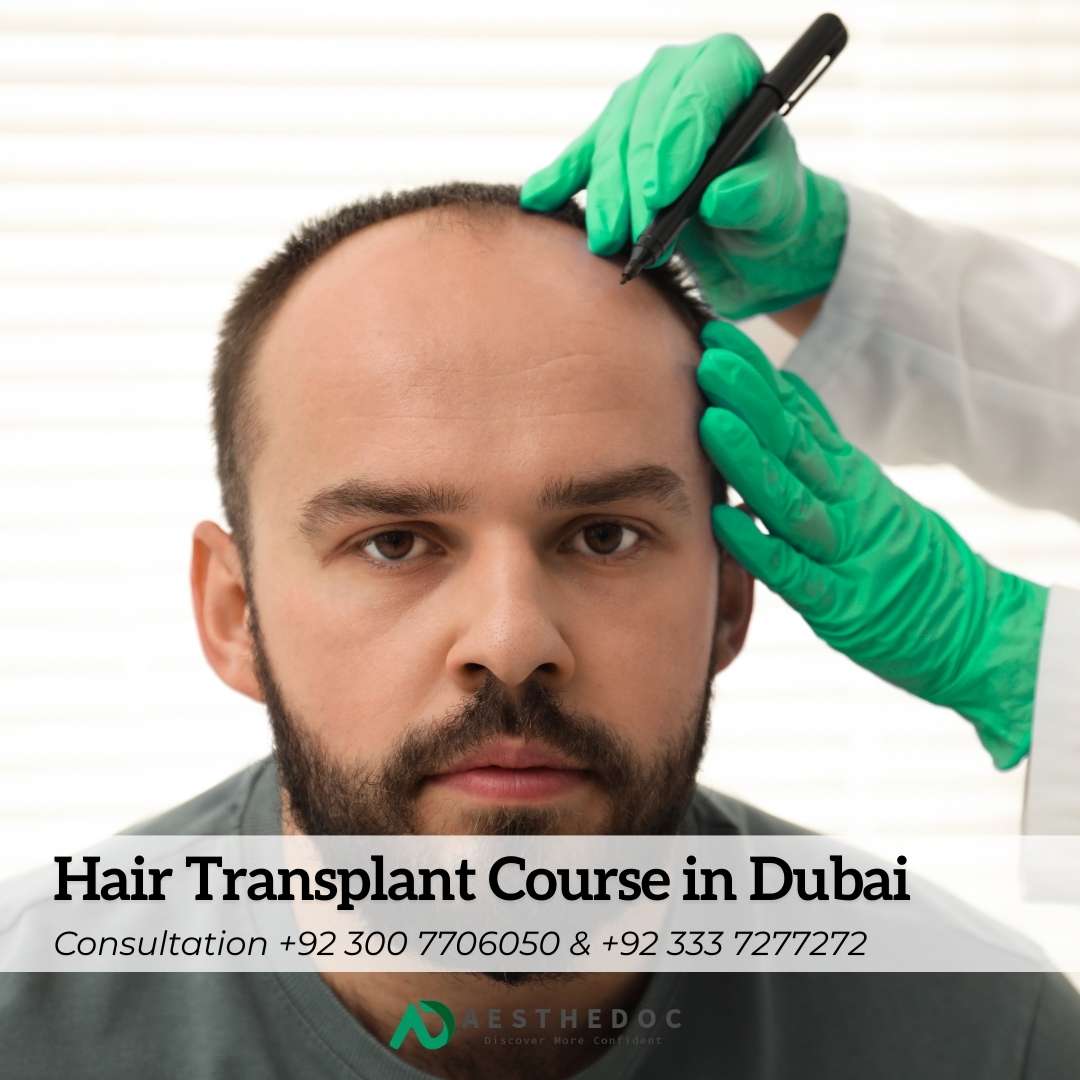
Hair restoration surgery has become one of the fastest-growing fields within aesthetic medicine. The global demand for hair transplant procedures continues to rise as more people seek long-term solutions for hair loss, thinning hair, and baldness.
This rapid growth has created significant opportunities for medical professionals interested in expanding their expertise in cosmetic surgery and aesthetic treatments.
As a result, many doctors, dermatologists, and aesthetic practitioners are now searching for professional hair transplant training programs that provide hands-on surgical experience and internationally recognized certification.
One of the most attractive destinations for medical training in this field is Dubai, a global center for medical tourism, aesthetic medicine, and advanced cosmetic procedures.
A Hair Transplant Course in Dubai offers doctors an opportunity to learn modern hair restoration techniques while gaining exposure to international patients and advanced medical technology.
This comprehensive guide explains everything medical professionals should know about hair transplant training in Dubai, including:
- Why Dubai has become an international aesthetic training hub
- What doctors learn in hair transplant courses
- Curriculum and practical surgical training
- Certification and licensing considerations
- Global cost comparisons for training programs
- How to select a high-quality hair transplant institute
Whether you are a dermatologist, cosmetic surgeon, or general physician planning to enter aesthetic medicine, this guide will help you understand the professional opportunities available.
Why Dubai Has Become a Global Hub for Aesthetic Medical Training
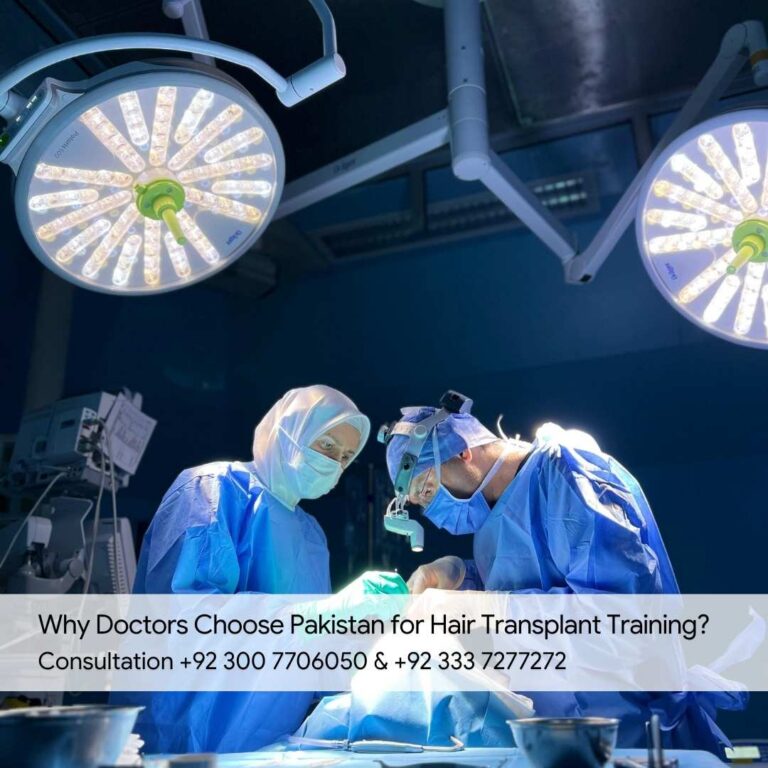
Over the past two decades, Dubai has established itself as one of the most advanced healthcare destinations in the Middle East.
The city has invested heavily in modern hospitals, cosmetic surgery clinics, and medical education programs.
Several factors have contributed to Dubai’s reputation as a global training destination for hair transplant surgery.
International Medical Tourism
Dubai attracts patients from across the world seeking high-quality aesthetic treatments.
People travel from:
- Europe
- Middle Eastern countries
- South Asia
- Africa
- Russia and Central Asia
Because of this diverse patient population, doctors training in Dubai often gain exposure to different hair types, ethnic hair characteristics, and hair loss patterns.
Advanced Aesthetic Medicine Industry
Dubai has one of the fastest-growing cosmetic medicine markets in the world.
Clinics in the city regularly perform procedures such as:
- Hair transplant surgery
- Facial rejuvenation treatments
- Skin laser therapies
- Non-surgical cosmetic procedures
The advanced infrastructure allows trainees to observe and participate in modern medical practices.
High Medical Standards
Healthcare in Dubai is regulated by strict authorities, including the Dubai Health Authority (DHA).
Training institutions operating in Dubai must maintain high medical and educational standards.
This environment ensures that medical professionals receive structured and safe training.
What is a Hair Transplant Course?
A hair transplant course is a specialized medical training program designed to teach doctors how to perform hair restoration surgery.
These courses combine theoretical knowledge with practical surgical experience.
Participants learn how to diagnose hair loss, design hairlines, extract hair follicles, and implant grafts into thinning areas.
The goal of professional hair transplant training is to help doctors safely perform procedures while achieving natural and aesthetically pleasing results.
Who Can Enroll in Hair Transplant Training Programs
Hair transplant courses are typically designed for licensed healthcare professionals.
Common participants include:
- Dermatologists
- Plastic surgeons
- Cosmetic surgeons
- General physicians
- Aesthetic medicine practitioners
Some training programs may also accept:
- Surgical nurses
- Hair transplant technicians
- Medical assistants working in aesthetic clinics
However, the ability to perform surgical procedures independently depends on the medical licensing regulations of each country.
Core Topics Covered in Hair Transplant Courses
A well-structured hair transplant training program includes both academic learning and surgical practice.
Participants usually study the following subjects.
Hair Anatomy and Hair Growth Biology
Before performing hair restoration procedures, doctors must understand the biological structure of hair follicles.
Important topics include:
- Hair follicle anatomy
- Hair growth cycle phases
- Donor area characteristics
- Hormonal influence on hair loss
This knowledge helps practitioners determine the best treatment options for patients experiencing hair thinning or baldness.
Causes and Types of Hair Loss
Hair transplant surgeons must be able to identify different types of hair loss conditions.
Common conditions covered in training include:
- Male pattern baldness
- Female pattern hair loss
- Traction alopecia
- Alopecia areata
- Hair loss caused by medical conditions
Understanding these conditions allows doctors to recommend the most appropriate treatment approach.
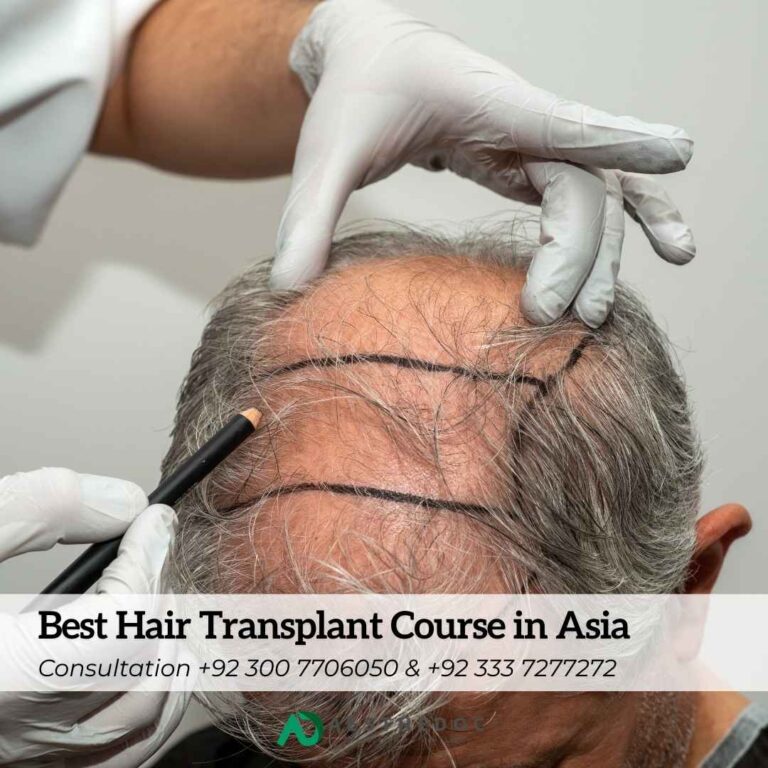
Hairline Design and Facial Aesthetics
Hairline design is one of the most critical aspects of hair transplant surgery.
A natural-looking hairline requires both medical knowledge and artistic precision.
Training programs teach doctors how to design hairlines that match the patient’s:
- Age
- Facial proportions
- Ethnic background
- Natural hair growth direction
A well-designed hairline greatly enhances the final result of hair transplant surgery.
FUE Hair Transplant Technique
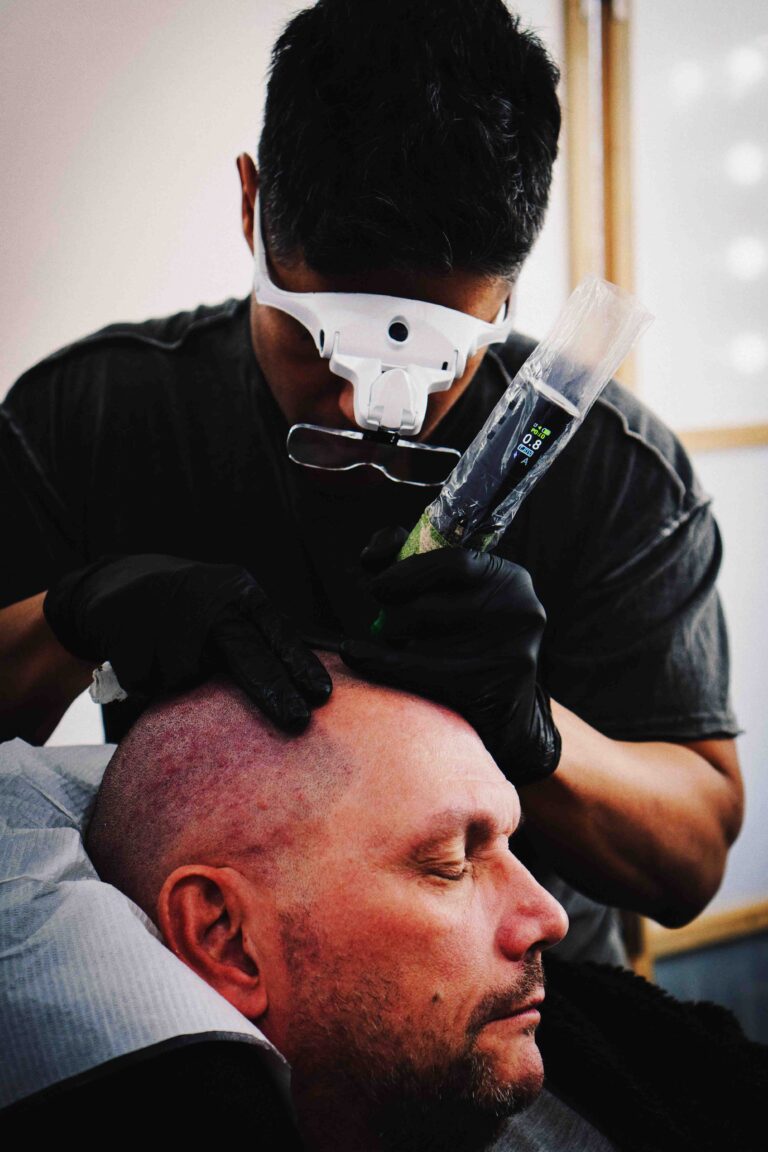
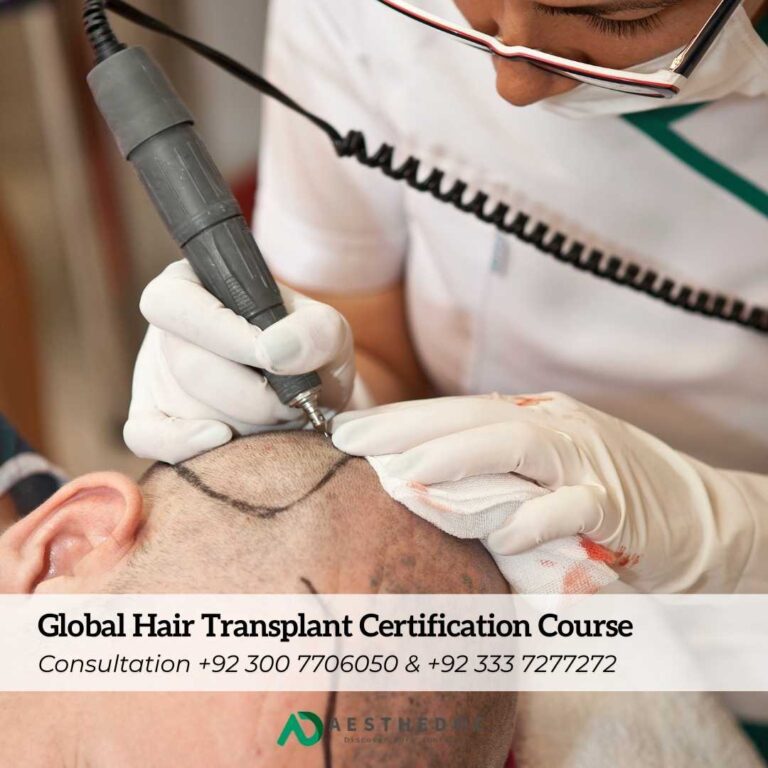
The Follicular Unit Extraction (FUE) technique is one of the most widely used hair transplant methods worldwide.
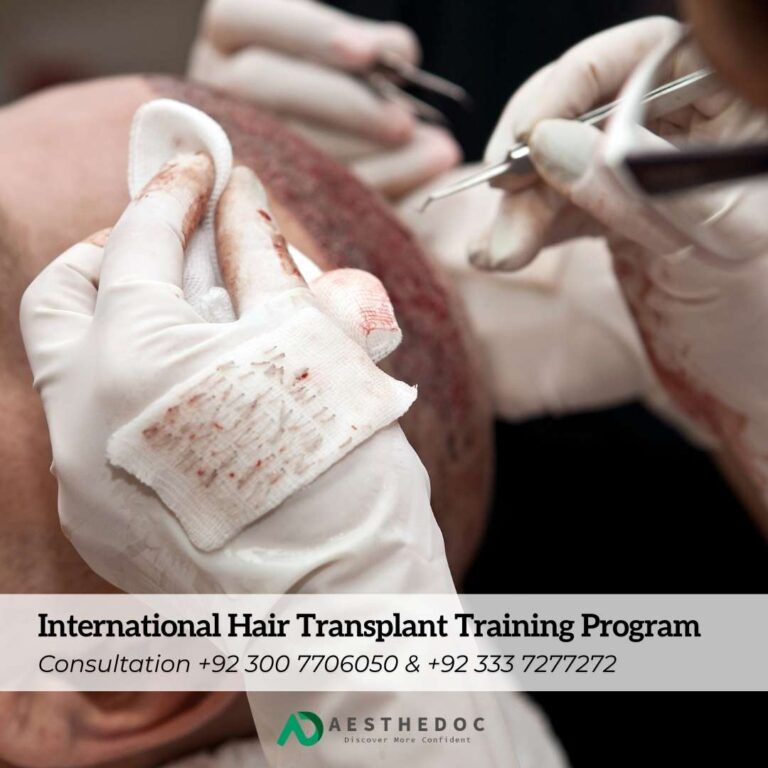
In this technique, individual hair follicles are extracted from the donor area and implanted into thinning areas of the scalp.
Training programs in Dubai often provide detailed instruction on:
- Donor area preparation
- Follicle extraction using micro-motors
- Graft preservation techniques
- Recipient site creation
- Hair graft implantation
FUE is known for producing natural results with minimal scarring.
FUT Hair Transplant Technique
Some courses also teach Follicular Unit Transplantation (FUT), an older but still valuable technique.
This method involves removing a strip of scalp from the donor area and separating follicular units under a microscope.
Although FUT is less commonly used today, it may be suitable in certain cases requiring a large number of grafts.
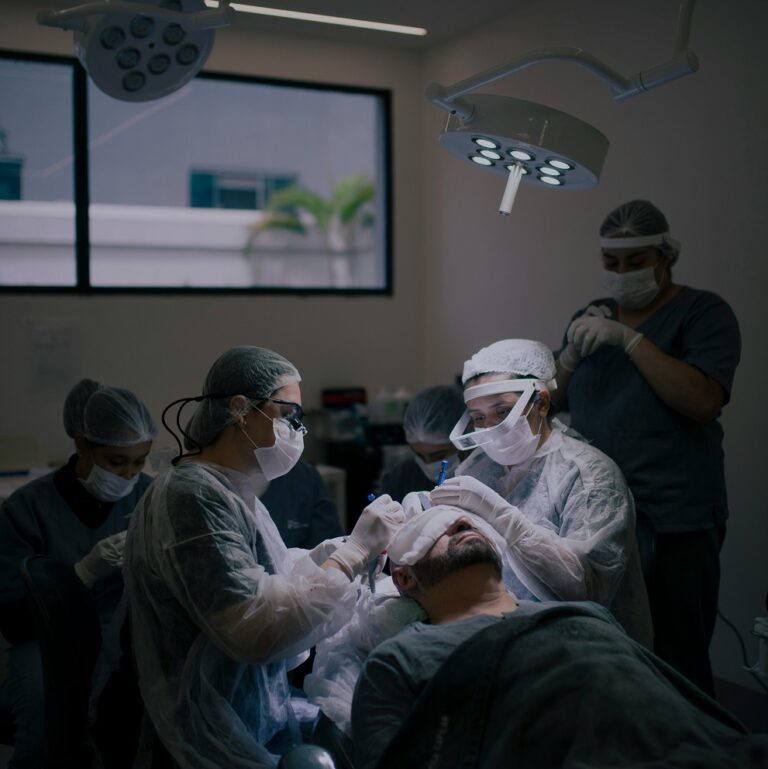
Hands-On Surgical Training
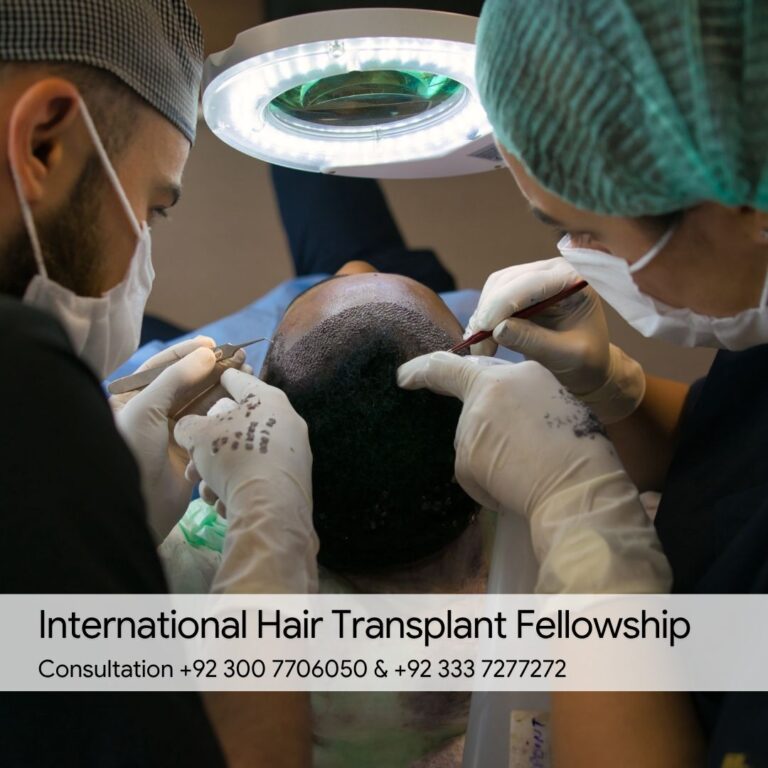
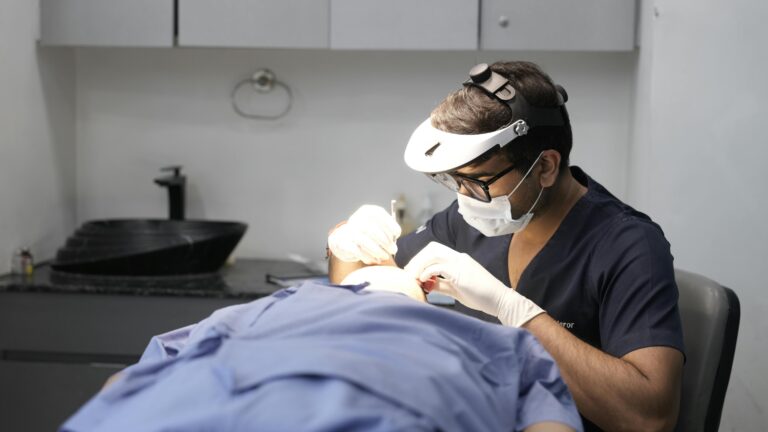
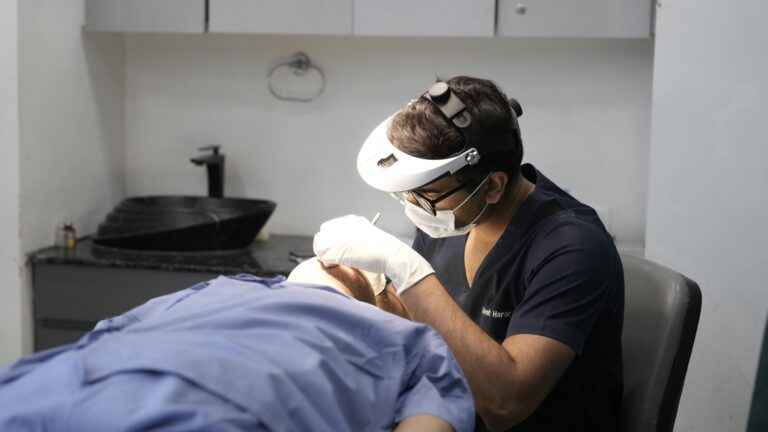
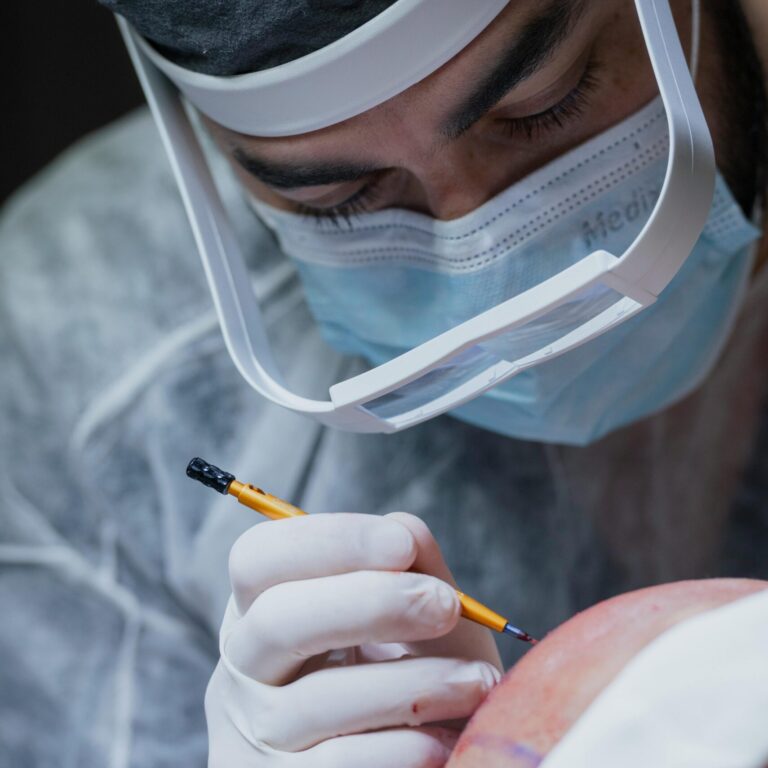
The most valuable part of a hair transplant course is practical surgical training.
Many institutes in Dubai offer:
- Live patient surgeries
- Hands-on graft extraction practice
- Implantation training sessions
- Microscopic graft dissection workshops
Participating in real procedures allows doctors to gain confidence and technical skills.
Duration of Hair Transplant Courses
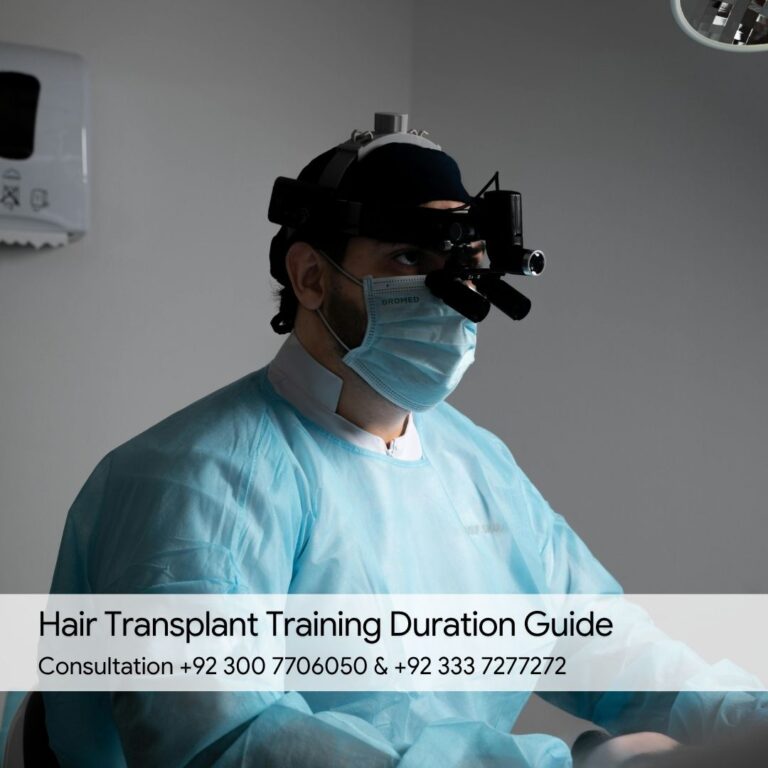
Hair transplant training programs vary in length depending on the depth of instruction and practical experience provided.
Typical training durations include:
| Course Type | Duration |
|---|---|
| Introductory workshop | 1–3 days |
| Intensive training | 4–7 days |
| Advanced certification | 1–2 weeks |
| Fellowship training | 3–6 months |
Short courses provide basic knowledge, while longer programs allow participants to perform multiple procedures under supervision.
Global Cost Comparison for Hair Transplant Courses
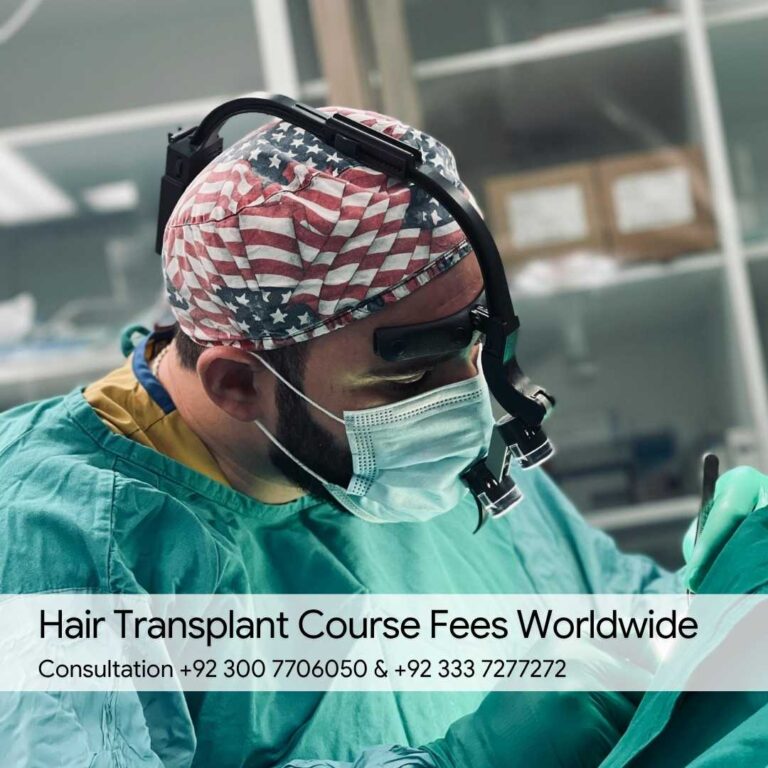
Training costs vary significantly between countries depending on course duration, surgeon expertise, and hands-on opportunities.
Below is a general comparison of international training costs.
| Country | Average Course Fee | Typical Duration |
|---|---|---|
| Dubai (UAE) | $4,000 – $9,000 | 4 – 7 days |
| Turkey | $3,000 – $7,000 | 3 – 7 days |
| United Kingdom | $7,000 – $15,000 | 5 – 10 days |
| United States | $10,000 – $20,000 | 5 – 7 days |
| Spain | $5,000 – $10,000 | 5 days |
| India | $2,500 – $6,000 | 4 – 6 days |
Dubai offers an attractive balance between high medical standards and international accessibility.
What to Look for in a Hair Transplant Training Institute
Doctors planning to enroll in a hair transplant course should carefully evaluate training institutes before making a decision.
Important factors include:
Experienced Training Surgeons
The credibility of a course depends heavily on the experience of the surgeon leading the training program.
Instructors should have extensive clinical experience and a strong track record of successful procedures.
Hands-On Surgical Experience
Observation alone is not enough to master hair transplant techniques.
The best courses allow participants to perform parts of the surgery under supervision.
Structured Curriculum
A professional training program should include:
- Theoretical education
- Live surgical demonstrations
- Hands-on practice sessions
- Post-training mentorship
International Reputation
Institutes with international collaborations and experienced instructors provide more valuable training.
Career Opportunities After Hair Transplant Training
Hair transplant training can open many career opportunities for medical professionals.
Doctors can expand their services by offering procedures such as:
- Scalp hair transplant
- Beard transplant
- Eyebrow transplant
- Female hair transplant
- PRP therapy for hair loss
- Hairline reconstruction surgery
Hair restoration procedures are among the most profitable treatments in aesthetic medicine, making them a valuable addition to medical practices.
Growing Global Demand for Hair Restoration Procedures
The hair transplant industry has grown rapidly in recent years.
Factors driving this demand include:
- Increased awareness of cosmetic treatments
- Technological advancements in hair transplantation
- Social media influence on appearance
- Greater acceptance of aesthetic procedures among men and women
Because of this demand, trained hair transplant surgeons are increasingly needed worldwide.
International Hair Transplant Training Options
While Dubai is known for modern aesthetic clinics and medical tourism, doctors interested in comprehensive hair transplant training should also explore internationally recognized institutes that offer structured mentorship and long-term professional development.
High-quality training programs emphasize:
- Evidence-based medical practice
- Ethical patient care
- Safe surgical techniques
- Natural aesthetic outcomes
These principles are essential for building a successful career in hair restoration surgery.
Aesthedoc Hair Transplant Training – International Education in Hair Restoration Surgery
Medical professionals seeking structured hair transplant training can also explore programs offered through Aesthedoc Hair Transplant Clinic & Institute.
The institute provides professional training for doctors interested in learning modern hair restoration techniques.
Training programs focus on:
- FUE hair transplant surgery
- Advanced hairline design
- Donor area management
- Graft extraction and implantation techniques
- PRP therapy for hair loss
- Patient consultation and treatment planning
Participants gain exposure to real surgical cases and modern hair transplant technology.
Learn from an International Hair Restoration Expert
Training programs at Aesthedoc are led by Dr. Adnan Bashir, an internationally trained hair transplant surgeon with extensive experience in aesthetic medicine and hair restoration surgery.
Professional highlights include:
- Diplomate of the American Board of Hair Restoration Surgery
- More than 15 years of clinical experience
- Over 5,000 hair transplant procedures performed
- International collaborations in aesthetic medicine
- Medical educator and trainer for doctors
Dr. Bashir has trained many doctors interested in developing expertise in hair restoration surgery.
Why Doctors Choose Aesthedoc Hair Transplant Training
Doctors from different countries choose Aesthedoc because of its structured and practical training approach.
Key advantages include:
- Hands-on surgical training with real patients
- Personalized mentorship by experienced surgeons
- Modern hair transplant technology
- Focus on natural hairline design
- Training designed specifically for medical professionals
These elements help participants build confidence in performing hair transplant procedures independently.
Request Information About Hair Transplant Training
Medical professionals interested in learning modern hair restoration techniques can request course information through:
Aesthedoc Hair Transplant Clinic & Institute
Website
https://www.aesthedoc.com
Email
info@aesthedoc.com
Phone / WhatsApp
+92 333 7277272