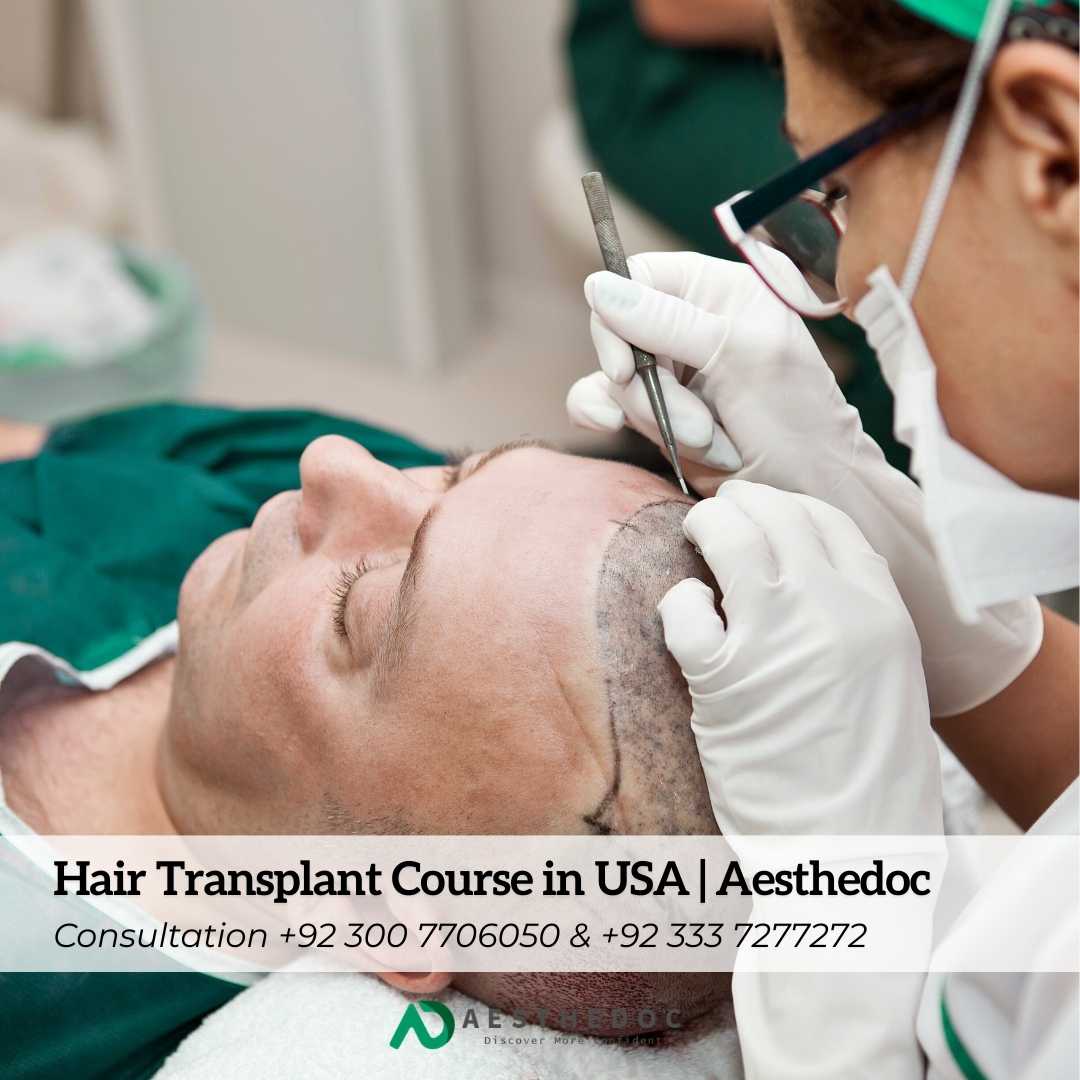
Hair restoration surgery has become one of the fastest-growing specialties in aesthetic medicine. With millions of individuals worldwide experiencing hair loss due to genetic, hormonal, and lifestyle factors, the demand for effective hair restoration solutions continues to rise every year. As a result, many medical professionals are seeking specialized training to enter the field of surgical hair restoration.
One of the most sought-after educational pathways for physicians is enrolling in a Hair Transplant Course in USA. The United States has long been recognized as a global leader in medical innovation, surgical education, and aesthetic medicine. Doctors from different parts of the world travel to the US to learn advanced hair transplant techniques, modern surgical approaches, and patient-centered treatment planning.
Hair transplant surgery requires a deep understanding of scalp anatomy, hair biology, surgical planning, and aesthetic design. Unlike many cosmetic procedures, hair restoration is both a medical and artistic discipline. Physicians must be able to design natural-looking hairlines, manage donor areas carefully, and ensure long-term graft survival for optimal patient outcomes.
For doctors entering the field, professional training provides the foundation needed to perform procedures safely and effectively. A structured hair transplant training program typically includes theoretical education, live surgery demonstrations, hands-on graft extraction, and advanced implantation techniques.
This comprehensive guide explores everything medical professionals should know about enrolling in a Hair Transplant Course in USA, including the structure of training programs, core surgical topics, techniques taught, global cost comparisons, and career opportunities in the rapidly expanding hair restoration industry.
Global Overview of the Hair Transplant Industry
Hair loss affects a large percentage of the global population. Studies estimate that more than half of men and nearly one-third of women experience noticeable hair thinning or baldness at some point in their lives. Because hair plays a significant role in personal appearance and self-confidence, many individuals seek medical solutions to restore their hair.
Over the past two decades, the hair transplant industry has grown rapidly due to technological advancements and increased awareness about surgical hair restoration.
Growing Global Demand
Several factors are driving the increasing demand for hair transplant procedures worldwide.
Rising Prevalence of Hair Loss
Common causes of hair loss include:
- Androgenetic alopecia (pattern baldness)
- hormonal changes
- stress and lifestyle factors
- nutritional deficiencies
- aging
- certain medical conditions
Because hair loss affects both men and women, the patient pool for hair restoration procedures continues to expand.
Improved Surgical Techniques
Modern hair transplant procedures produce natural-looking results with minimal downtime. Innovations in surgical technology have significantly improved the success rate of hair transplantation.
These advances include:
- minimally invasive follicular extraction tools
- improved graft storage solutions
- high-magnification microscopes
- advanced implantation devices
Such technologies allow surgeons to achieve higher graft survival rates and natural hairline designs.
Growth of Aesthetic Medicine
The aesthetic medicine industry has expanded dramatically in recent years. Many dermatology and cosmetic clinics now offer comprehensive aesthetic services, including:
- facial aesthetics
- skin rejuvenation
- laser treatments
- body contouring
- hair restoration
Hair transplantation has become one of the most profitable services offered in aesthetic clinics.
Expansion of Medical Tourism
Medical tourism has also played a role in the growth of the hair transplant industry. Patients frequently travel abroad for procedures due to cost differences, availability of experienced surgeons, and shorter waiting times.
This global demand has created a strong need for qualified hair transplant specialists.
Why the USA Is Popular for Hair Transplant Training
The United States is considered one of the most advanced countries for medical education and surgical innovation. Many doctors choose to pursue a Hair Transplant Course in USA because of the country’s reputation for high-quality training and cutting-edge medical technologies.
Advanced Medical Education System
The US medical education system is known for its rigorous standards and evidence-based training. Hair transplant courses offered in the country often follow structured curricula that emphasize both theoretical knowledge and practical skills.
Participants benefit from exposure to modern surgical protocols and internationally accepted treatment guidelines.
Experienced Hair Transplant Surgeons
Many hair transplant training programs in the United States are led by surgeons who have performed thousands of procedures. These experienced instructors provide valuable clinical insights and mentorship to participating physicians.
Learning from highly experienced surgeons allows doctors to understand complex cases and refine their surgical techniques.
Access to Advanced Technology
Hair transplant clinics in the US often utilize the latest surgical tools and technologies, such as:
- robotic follicular extraction systems
- digital scalp analysis devices
- precision implantation instruments
- advanced microscopes for graft preparation
Exposure to such technologies helps doctors stay updated with modern surgical practices.
Strong Focus on Patient Safety
Patient safety and ethical medical practice are fundamental principles of healthcare in the United States. Hair transplant training programs emphasize:
- proper surgical planning
- sterile operating techniques
- complication management
- post-operative care
This focus on safety ensures that physicians are well-prepared to perform procedures responsibly.
Global Recognition
Training completed in the United States is widely respected in the global medical community. Doctors who complete courses in the US often gain credibility and confidence when offering hair transplant services in their home countries.
Who Can Join a Hair Transplant Course
Hair transplant courses are typically designed for licensed medical professionals who want to specialize in hair restoration surgery.
Eligible professionals often include:
Dermatologists
Dermatologists frequently treat hair and scalp disorders, making hair transplantation a natural extension of their practice.
Plastic Surgeons
Plastic surgeons commonly perform aesthetic procedures and may incorporate hair restoration into their surgical services.
General Physicians
Some general practitioners transition into aesthetic medicine and pursue specialized training in hair transplantation.
Cosmetic Surgeons
Cosmetic surgeons who perform facial procedures often include hairline restoration as part of aesthetic treatment plans.
Aesthetic Medicine Practitioners
Doctors working in aesthetic clinics often expand their services by offering hair restoration procedures.
Before enrolling in a training program, physicians should verify licensing requirements and regulatory guidelines in their country of practice.
Core Topics Covered in Hair Transplant Training
A comprehensive Hair Transplant Course in USA covers a wide range of topics designed to provide both theoretical knowledge and practical surgical skills.
Hair Anatomy and Physiology
Understanding hair follicle biology is essential for successful transplantation. Training typically includes:
- hair follicle structure
- hair growth cycles
- follicular unit composition
- scalp vascular supply
- donor and recipient area anatomy
Causes of Hair Loss
Doctors learn to diagnose different types of alopecia, including:
- androgenetic alopecia
- alopecia areata
- scarring alopecia
- telogen effluvium
- traction alopecia
Accurate diagnosis helps determine whether patients are suitable candidates for hair transplant surgery.
Patient Consultation and Assessment
Effective consultation helps set realistic expectations and improve patient satisfaction. Training covers:
- scalp examination
- donor area evaluation
- patient medical history assessment
- treatment planning
- informed consent procedures
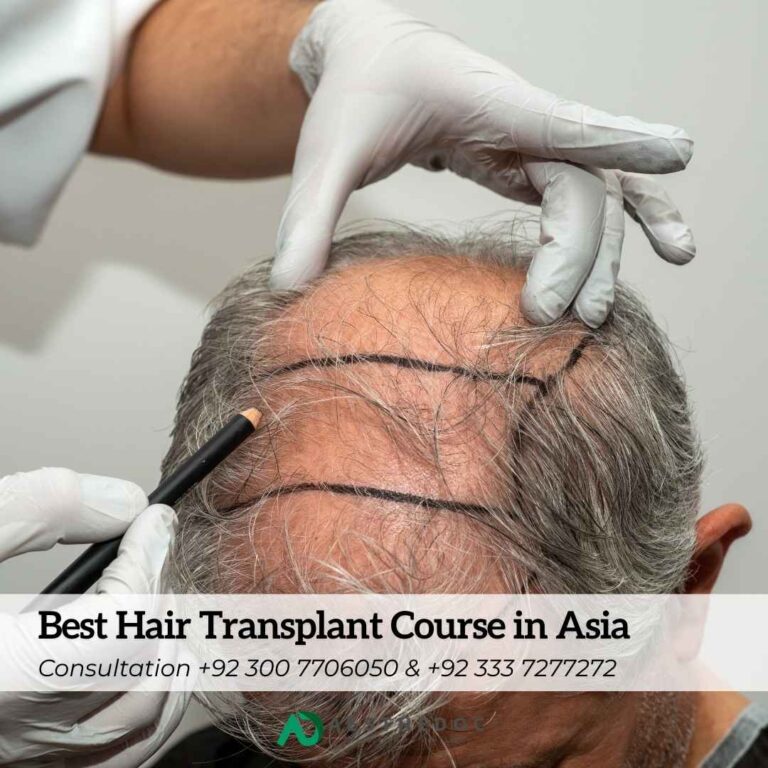
Hairline Design
Hairline design is a critical component of aesthetic hair restoration. Doctors learn to analyze facial proportions and design natural-looking hairlines based on individual patient characteristics.
Graft Handling and Preservation
Proper graft handling is crucial to maintaining follicle viability. Topics include:
- graft extraction techniques
- graft dissection
- storage solutions
- temperature control
- minimizing trauma during implantation
Surgical Planning
Participants learn how to calculate graft requirements, plan recipient areas, and manage donor resources effectively.
Hair Transplant Techniques Taught
Hair transplant training programs typically focus on modern surgical techniques used in leading clinics worldwide.
Follicular Unit Extraction (FUE)
FUE is currently the most widely used hair transplant technique. It involves extracting individual follicular units from the donor area and implanting them into areas experiencing hair loss.
Advantages include:
- minimal scarring
- faster healing
- natural hair growth patterns
- flexibility in donor harvesting
Follicular Unit Transplantation (FUT)
FUT involves removing a strip of scalp from the donor area and dissecting it into individual follicular units.
Although less common today, FUT can still be useful for certain patients requiring large numbers of grafts.
Modern Implantation Techniques
Advanced training programs may also introduce:
- DHI (Direct Hair Implantation)
- implanter pen techniques
- sapphire blade incisions
- dense packing strategies
These techniques help improve graft survival and aesthetic outcomes.
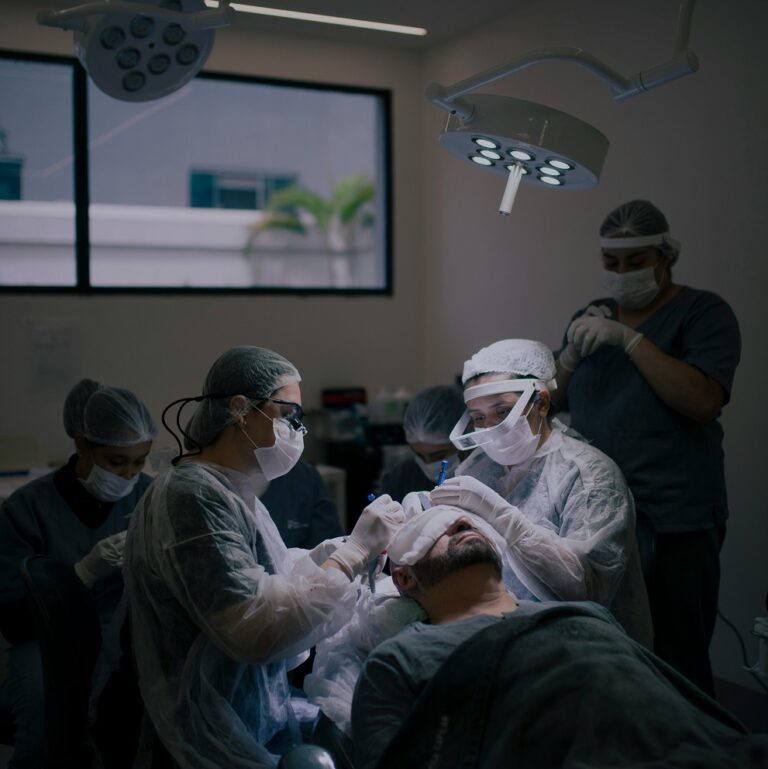
Hands-On Surgical Training
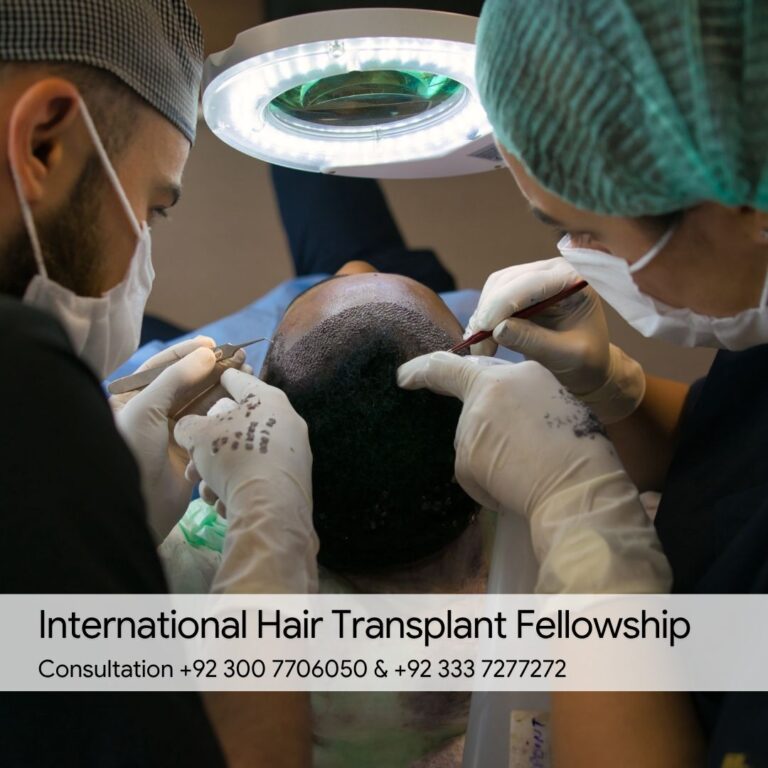
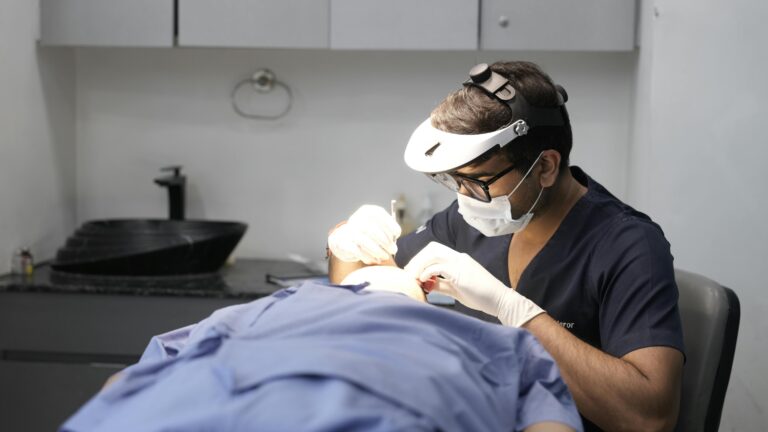
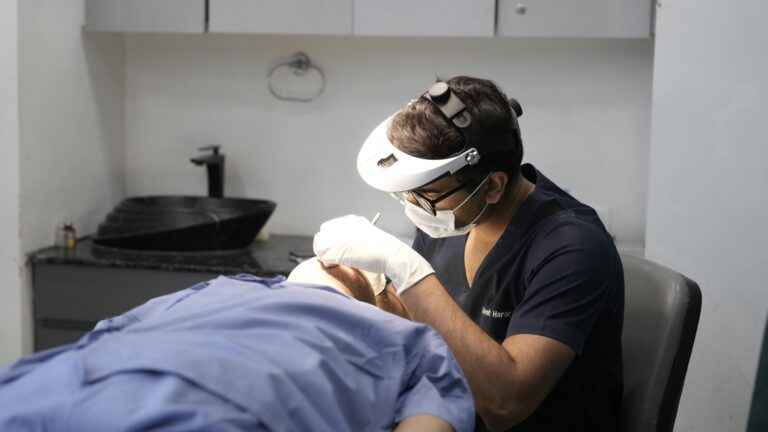
Hands-on experience is one of the most valuable aspects of any hair transplant course.
Participants may receive training in the following areas:
Live Surgery Observation
Doctors observe experienced surgeons performing complete hair transplant procedures.
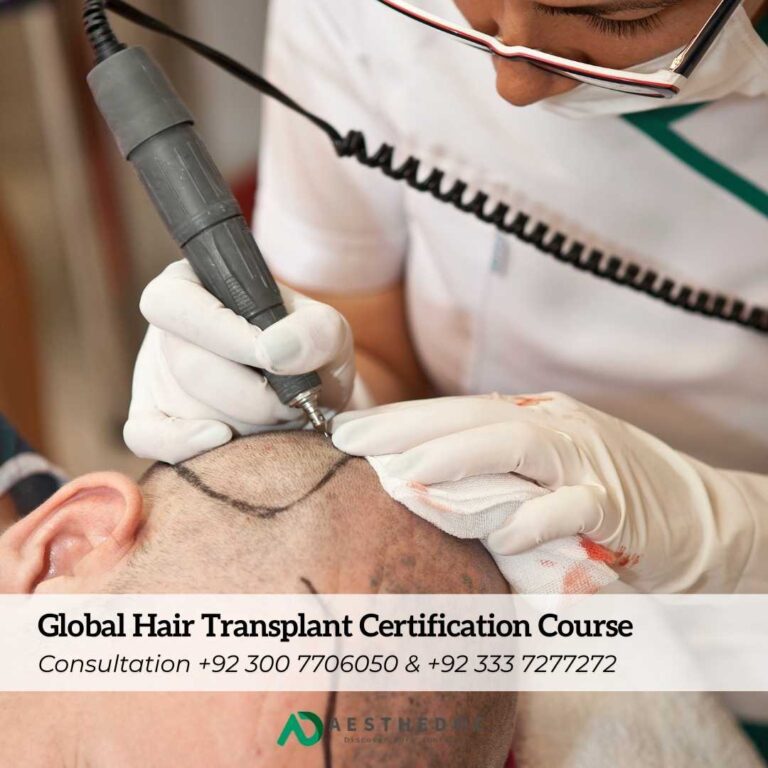
Graft Extraction Practice
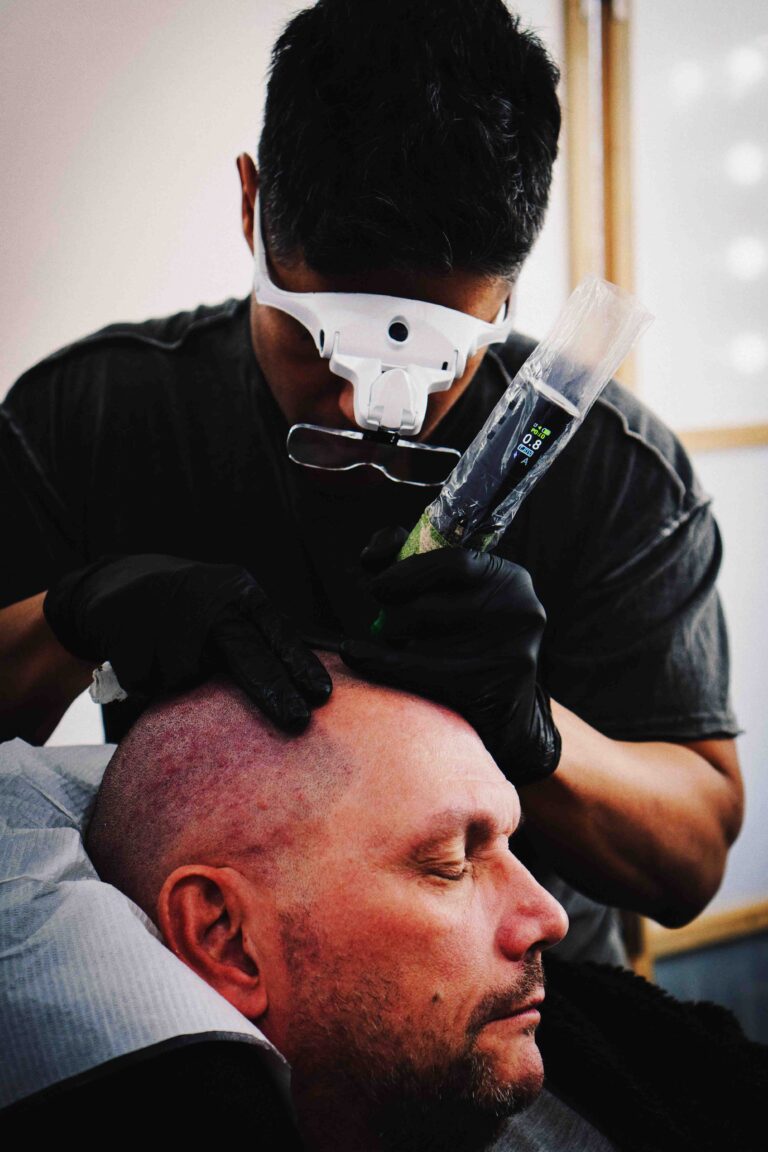
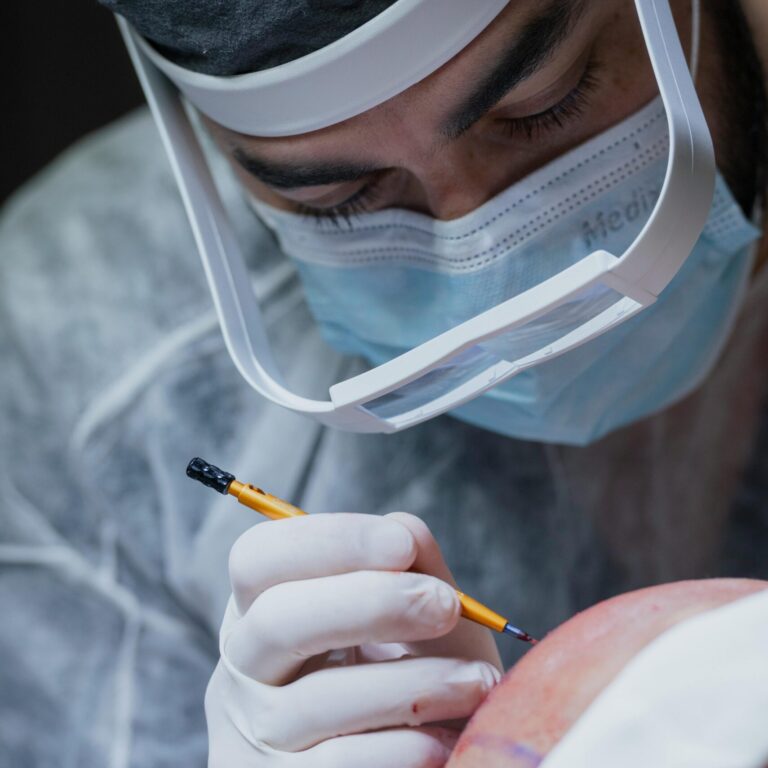
Participants practice follicular unit extraction using specialized surgical punches.
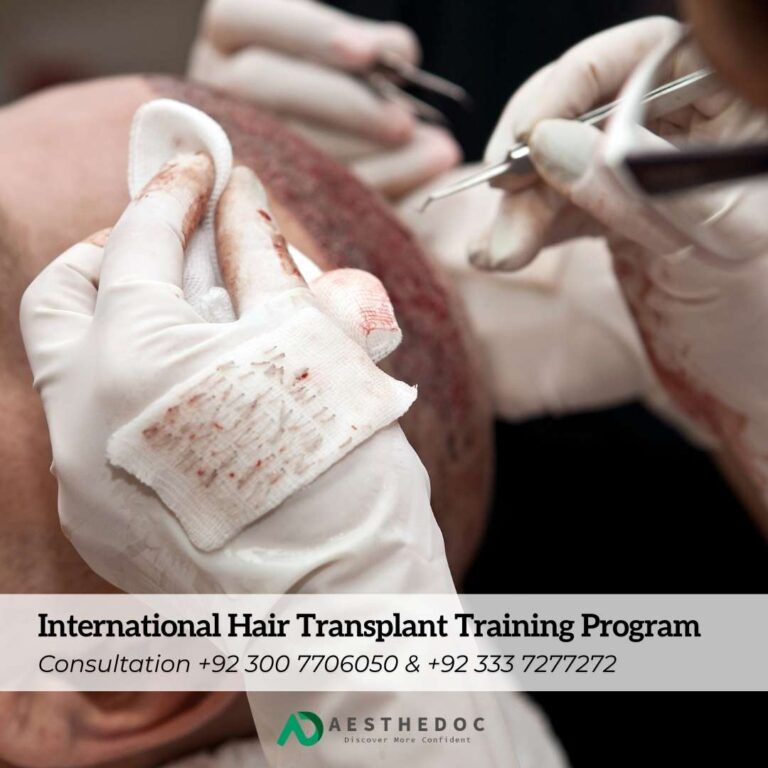
Implantation Techniques
Training includes placing grafts in recipient areas while maintaining correct angle, direction, and density.
Microscope Work
Microscopes are used for graft dissection and follicle evaluation.
Surgical Team Coordination
Participants learn how to manage surgical assistants and maintain efficient workflow during procedures.
Practical exposure allows doctors to build confidence before performing procedures independently.
Duration of Hair Transplant Training Programs
Hair transplant training programs vary in duration depending on the level of expertise and depth of surgical training offered.
| Course Type | Duration |
|---|---|
| Introductory Workshop | 1–3 days |
| Intensive Training | 4–7 days |
| Advanced Certification | 1–2 weeks |
| Fellowship Training | 3–6 months |
Short workshops provide foundational knowledge, while fellowship programs offer extensive surgical experience and mentorship.
International Price Comparison of Hair Transplant Courses
The cost of hair transplant training programs varies significantly depending on the country, instructor experience, and amount of hands-on training provided.
| Country | Average Course Cost | Duration |
|---|---|---|
| Turkey | $3,000 – $7,000 | 3–7 days |
| Dubai | $4,000 – $9,000 | 4–7 days |
| UK | $7,000 – $15,000 | 5–10 days |
| USA | $10,000 – $20,000 | 5–7 days |
| India | $2,500 – $6,000 | 4–6 days |
Reasons for Price Differences
Several factors influence the cost of hair transplant training:
- reputation of the training institute
- experience of the instructor
- amount of hands-on surgical training
- inclusion of surgical tools and materials
- certification level
Courses with extensive practical training and mentorship generally cost more but provide greater value.
What to Look for in a Hair Transplant Training Institute
Selecting the right training institute is crucial for building a successful career in hair restoration surgery.
Physicians should evaluate several key factors before enrolling.
Instructor Experience
Training should be conducted by surgeons with extensive clinical experience and a strong record of successful procedures.
Hands-On Surgical Practice
Programs offering real surgical practice provide significantly better learning outcomes compared to purely lecture-based courses.
Comprehensive Curriculum
A well-designed curriculum should include:
- theoretical knowledge
- surgical techniques
- patient consultation
- complication management
Certification
Professional certification helps demonstrate credibility when offering hair transplant services.
Post-Training Mentorship
Ongoing mentorship can help doctors refine their skills after completing the course.
Career Opportunities After Hair Transplant Training
Completing a hair transplant training program can open numerous career opportunities in the aesthetic medicine industry.
Hair Transplant Clinics
Many doctors establish dedicated hair restoration clinics focusing exclusively on hair transplant procedures.
Aesthetic Clinics
Hair transplantation can become a major service offered in aesthetic practices.
Cosmetic Surgery Centers
Plastic surgery clinics frequently incorporate hair restoration procedures.
Medical Tourism Facilities
Countries with growing medical tourism industries offer strong demand for hair transplant specialists.
Medical Education and Training
Experienced surgeons may eventually teach hair transplant techniques to other physicians.
Future of the Hair Restoration Industry
The future of hair restoration is highly promising as research and technology continue to advance.
Several innovations are shaping the industry.
Robotic Hair Transplant Systems
Robotic extraction systems are being developed to improve surgical precision.
Stem Cell Research
Scientists are exploring regenerative therapies that may stimulate new hair growth.
Combination Treatments
Many clinics combine hair transplant surgery with treatments such as:
- PRP therapy
- laser therapy
- medical hair loss treatments
Expanding Patient Demographics
Hair transplantation is becoming increasingly popular among women and younger patients.
These trends indicate that hair restoration will remain an important specialty within aesthetic medicine.
Aesthedoc International Hair Transplant Training
Medical professionals seeking structured education in hair restoration may also explore international training programs offered by Aesthedoc Hair Transplant Clinic & Institute.
The institute provides training designed for doctors who want practical experience in modern hair transplant procedures.
Training programs typically include:
- FUE hair transplant techniques
- advanced hairline design
- donor area management
- graft extraction and implantation
- PRP therapy for hair loss
- patient consultation and treatment planning
The goal of these programs is to help physicians develop the knowledge and surgical skills required to perform hair transplant procedures safely and effectively.
Dr. Adnan Bashir – Professional Profile
Dr. Adnan Bashir is an internationally trained hair transplant surgeon, aesthetic physician, and medical educator with more than 15 years of experience in hair restoration surgery and aesthetic medicine.
Professional highlights include:
- Diplomate of the American Board of Hair Restoration Surgery (ABHRS)
- Performed more than 5,000 hair transplant procedures
- Specialist in FUE hair transplant, hairline design, beard transplant, eyebrow transplant, and corrective hair restoration surgery
- Extensive international clinical experience in aesthetic medicine
- Trainer for doctors seeking professional hair transplant education
Dr. Bashir focuses on natural hairline design, patient safety, and achieving high graft survival rates for optimal patient outcomes.
Training Inquiry
Medical professionals interested in structured hair transplant education can request course details from:
Aesthedoc Hair Transplant Clinic & Institute
Website
https://www.aesthedoc.com
Email
info@aesthedoc.com
Phone / WhatsApp
+92 333 7277272