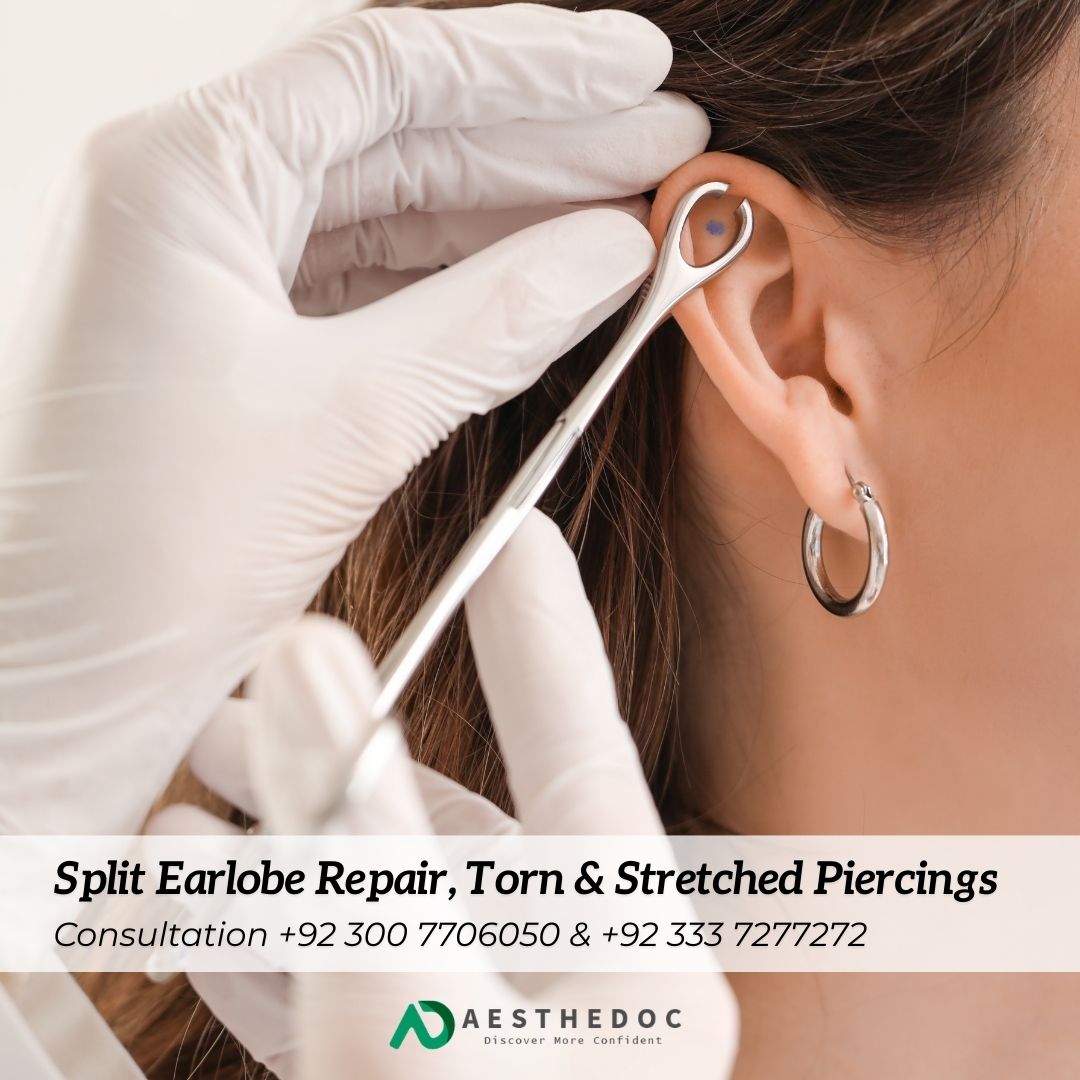
Ear piercing is one of the most common aesthetic procedures performed worldwide. While many people get their ears pierced at jewelry shops or cosmetic outlets, Medical Ear Piercing performed in a clinical setting by a qualified doctor offers significantly higher standards of safety, hygiene, and precision.
If you are searching for medical ear piercing in Islamabad, safe ear piercing for babies in Rawalpindi, or doctor-performed ear piercing near me, this comprehensive guide explains everything in clear, professional language so you can make an informed decision.
This article is written in an evidence-based, medically accurate, and patient-focused style to meet modern standards of safety and trust.
What Is Medical Ear Piercing?
Medical ear piercing is a sterile, clinically supervised ear piercing procedure performed by a trained medical professional in a controlled healthcare environment.
Unlike traditional piercing methods done at:
- Jewelry shops
- Beauty salons
- Street kiosks
Medical piercing ensures:
- Sterile instruments
- Medical-grade equipment
- Proper anatomical placement
- Reduced risk of infection
- Professional aftercare guidance
It is particularly recommended for:
- Infants and children
- Individuals with sensitive skin
- Patients prone to keloids
- People with previous infections
- Adults seeking symmetrical, precise piercing
Why Choose Medical Ear Piercing Over Regular Piercing?
Many complications arise from non-medical piercing due to poor hygiene and improper technique.
Medical ear piercing provides:
1. Sterile Environment
Performed in a clinical setting with:
- Sterilized equipment
- Disinfected skin preparation
- Infection control protocols
2. Anatomical Precision
A doctor evaluates:
- Ear symmetry
- Lobe thickness
- Cartilage position
- Vascular supply
This ensures accurate and aesthetically pleasing placement.
3. Reduced Infection Risk
Medical protocol minimizes:
- Bacterial contamination
- Cross infection
- Improper healing
4. Professional Aftercare Instructions
Clear guidance on:
- Cleaning
- Jewelry handling
- Healing timeline
- Warning signs
Who Should Consider Medical Ear Piercing?
Medical ear piercing is ideal for:
- Newborns and infants
- Young children
- Teenagers
- Adults
- Individuals with medical conditions
- Patients with history of keloids
Parents especially prefer medical piercing for babies to ensure safety.
Safe Age for Ear Piercing
There is no strict universal age limit. However:
- Many parents choose piercing after vaccination schedules begin
- Infants can undergo medical ear piercing safely in clinical settings
- Older children may choose piercing themselves
A doctor ensures the child is healthy and fit before the procedure.
Types of Ear Piercing Performed Medically
Medical ear piercing may include:
1. Earlobe Piercing
Most common and safest.
2. Upper Lobe Piercing
Additional lobe holes for aesthetic purposes.
3. Cartilage Piercing
Performed with extra care due to slower healing.
Each type requires different healing timelines and precautions.
The Medical Ear Piercing Procedure – Step by Step
- Medical assessment
- Discussion of placement
- Skin cleaning with antiseptic solution
- Marking symmetrical points
- Local anesthetic cream (if required)
- Sterile piercing using medical-grade device
- Placement of hypoallergenic stud
- Post-procedure instructions
The entire procedure usually takes 10–20 minutes.
Is Medical Ear Piercing Painful?
Pain is minimal and brief.
For infants:
- Momentary discomfort
- Crying lasts only seconds
For older children and adults:
- Mild pinch sensation
- Tolerable and quick
Topical anesthetic may be applied if necessary.
What Type of Jewelry Is Used?
Medical piercing uses:
- Hypoallergenic studs
- Surgical stainless steel
- Titanium
- Medical-grade materials
These reduce risk of:
- Allergic reaction
- Nickel sensitivity
- Skin irritation
Healing Time After Medical Ear Piercing
Healing depends on location.
Earlobe
6–8 weeks
Upper Lobe
8–10 weeks
Cartilage
3–6 months
Healing varies by individual.
Aftercare Instructions
Proper aftercare ensures smooth healing.
Patients are advised to:
- Clean twice daily with antiseptic solution
- Avoid touching with unwashed hands
- Avoid removing stud prematurely
- Avoid swimming in unclean water
- Avoid heavy earrings during healing
Following instructions reduces complications.
Signs of Normal Healing
- Mild redness
- Slight tenderness
- Clear or pale discharge
These symptoms usually resolve naturally.
Warning Signs of Infection
Seek medical advice if you notice:
- Increasing pain
- Swelling
- Pus discharge
- Fever
- Persistent redness
Medical ear piercing significantly lowers these risks compared to non-clinical piercing.
Common Complications of Non-Medical Piercing
Non-sterile piercing may cause:
- Infection
- Abscess formation
- Keloid formation
- Scarring
- Asymmetry
- Torn earlobes
- Allergic dermatitis
These complications often require surgical correction later.
Keloid Risk and Medical Piercing
Individuals with history of keloids should consult a plastic surgeon before piercing.
Medical supervision allows:
- Risk assessment
- Proper placement
- Preventive measures
- Early treatment if needed
Why Symmetry Matters
Improper marking may result in:
- Uneven earrings
- Visible asymmetry
- Cosmetic dissatisfaction
A trained plastic surgeon ensures balanced and symmetrical placement aligned with facial proportions.
Medical Ear Piercing for Babies
Parents prefer clinical piercing because:
- Sterility is guaranteed
- Placement is precise
- Reduced trauma
- Minimal infection risk
- Professional follow-up available
Doctors assess:
- Overall health
- Vaccination status
- Skin condition
Safety remains top priority.
Medical Ear Piercing for Adults
Adults seek medical piercing for:
- Cosmetic precision
- Correction of previous uneven piercing
- Sensitive skin
- Professional reassurance
It is common among both men and women.
Medical Ear Piercing vs Piercing Gun
Piercing guns:
- Cannot be fully sterilized
- Cause blunt force trauma
- Increase infection risk
Medical devices:
- Sterile and disposable components
- Controlled penetration
- Less tissue trauma
- Safer healing
Clinical setting significantly improves safety.
Can Medical Ear Piercing Prevent Split Earlobes?
While no method can fully prevent trauma, proper placement:
- Avoids thin tissue areas
- Reduces risk of future tear
- Preserves lobe strength
Avoiding heavy earrings remains essential.
Cost of Medical Ear Piercing in Pakistan
Cost depends on:
- Single or double ear
- Type of jewelry
- Cartilage vs lobe
- Age of patient
Consultation provides exact pricing.
Medical piercing may cost slightly more than shop piercing, but safety justifies the investment.
Psychological and Social Benefits
Ear piercing is often:
- Cultural tradition
- Fashion choice
- Personal expression
Safe piercing enhances:
- Confidence
- Comfort
- Long-term satisfaction
Professional care prevents future complications.
Why Choose a Plastic Surgeon for Ear Piercing?
A plastic surgeon offers:
- Anatomical expertise
- Sterile surgical standards
- Emergency management capability
- Scar prevention knowledge
- Keloid risk evaluation
Medical precision ensures optimal outcome.
Frequently Asked Questions
Is medical ear piercing safe for infants?
Yes, when performed in a sterile clinic by a trained professional.
How long should I keep first earrings?
At least 6–8 weeks for lobe piercing.
Can I change earrings early?
Not recommended. Premature removal may cause closure or infection.
Is cartilage piercing safe?
Yes, but healing takes longer and requires careful aftercare.
What if my ear becomes infected?
Consult immediately for medical evaluation.
Why Choose Aesthedoc Clinic for Medical Ear Piercing?
Aesthedoc Clinic offers:
- Sterile clinical environment
- Medical-grade piercing systems
- Professional consultation
- Safe infant piercing
- Symmetrical placement
- Comprehensive aftercare guidance
- Clinics in Islamabad and Rawalpindi
Patient safety, hygiene, and precision are core priorities.
About the Surgeon
Dr Nadiya Tariq – Plastic Surgeon
Academic Qualifications
FCPS (Plastic Surgery) – College of Physicians & Surgeons Pakistan (CPSP), 2025
MBBS – University of Health Sciences (UHS), Lahore, 2016
Professional Registrations
Pakistan Medical & Dental Council (PMDC) – Active Registration
Irish Medical Council (IMC) – Active Registration
Dr Nadiya Tariq has structured postgraduate training in plastic and reconstructive surgery. Her expertise includes minor surgical procedures, aesthetic reconstruction, scar management, and safe clinical ear piercing.
She emphasizes sterile technique, anatomical precision, and patient-centered care.
Clinic Locations & Contact Information
Aesthedoc – Islamabad
I-8 Markaz, Islamabad
Phone: +92 333 7277272
Email: info@aesthedoc.com
Instagram: @aesthe_doc
Timings: Mon – Sun 9:00 – 19:00
Aesthedoc Clinic – Rawalpindi
3rd Floor, Rajas United Height, Opposite Future World School, Bahria Town Phase 8, Rawalpindi
Phone: +92 300 7706050
Email: info@aesthedocclinic.com
Instagram: @aesthedocclinic
Timings: Mon – Sun 9:00 – 19:00
Book Your Appointment Today
If you are considering ear piercing for yourself or your child, choose safety and precision.
Medical ear piercing ensures:
- Sterile procedure
- Proper placement
- Minimal complication risk
- Professional aftercare
Schedule your appointment at Aesthedoc Clinic in Islamabad or Rawalpindi with Dr Nadiya Tariq, Plastic Surgeon, for safe and professional medical ear piercing.