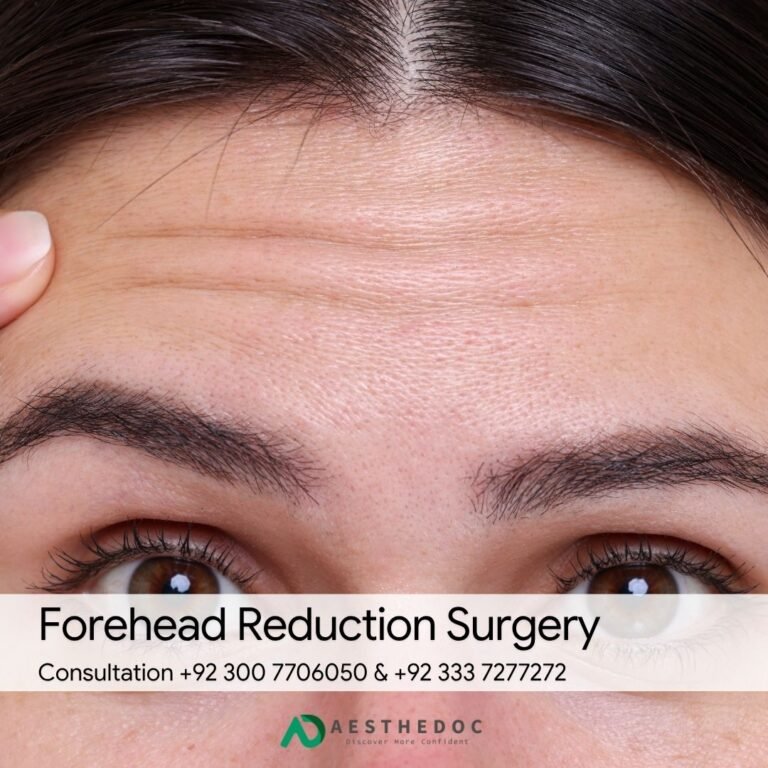
Brow Bone Reduction Surgery, also known as Supraorbital Ridge Reduction or Forehead Bone Reduction Surgery, is a specialized facial bone contouring procedure designed to reduce the prominence of the brow ridge and create a smoother, more balanced upper facial appearance.
The brow ridge, formed by the frontal bone above the eyes, varies naturally in size and shape among individuals. In some people, a prominent brow ridge may contribute to a heavier upper facial appearance or create facial proportions that do not align with their aesthetic goals. Brow Bone Reduction Surgery reshapes the frontal bone while preserving important anatomical structures, with the aim of achieving natural-looking facial harmony.
Some individuals seek this procedure because of naturally prominent forehead anatomy, while others may undergo Brow Bone Reduction Surgery as part of a broader facial contouring plan or gender-affirming treatment after appropriate clinical evaluation. The decision to proceed is individualized and based on comprehensive facial assessment.
Depending on the patient’s anatomy, Brow Bone Reduction Surgery may be performed alone or combined with other facial procedures, such as:
- Forehead Contouring Surgery
- Brow Lift
- Hairline Lowering Surgery
- Rhinoplasty
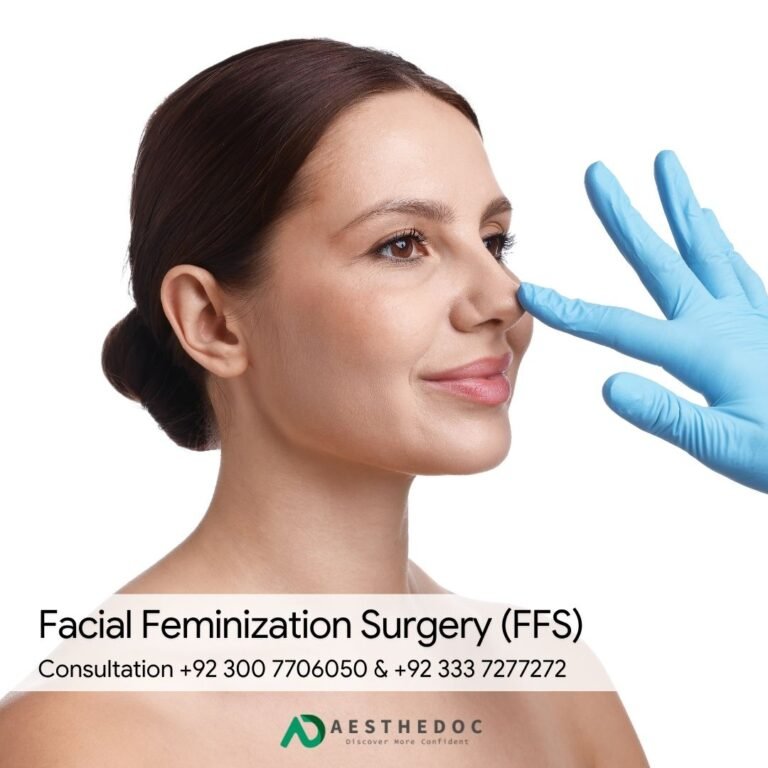
- Facial Feminization Surgery
- Facial Fat Grafting
- Blepharoplasty
At Aesthedoc Clinic, every Brow Bone Reduction procedure is planned by experienced Plastic, Reconstructive and Cosmetic Surgery Specialists using detailed facial analysis, advanced imaging when indicated, and evidence-based surgical techniques to improve upper facial balance while prioritizing patient safety.
What is Brow Bone Reduction Surgery?
Brow Bone Reduction Surgery is a facial skeletal procedure that reshapes the supraorbital ridge, the bony prominence above the eyes, to reduce excessive projection and create a smoother forehead contour.
The procedure is customized according to each patient’s anatomy. Depending on the thickness of the frontal bone and the prominence of the brow ridge, surgery may involve:
- Bone contouring
- Bone shaving
- Frontal bone remodeling
- Reconstruction of the anterior frontal sinus wall (when clinically indicated)
The goal is to improve upper facial harmony while maintaining structural stability and protecting the surrounding nerves, sinuses, and soft tissues.
Brow and Forehead Anatomy
Successful Brow Bone Reduction Surgery requires a thorough understanding of upper facial anatomy.
Important structures include:
- Frontal bone
- Supraorbital ridge
- Frontal sinus
- Supraorbital nerve
- Supratrochlear nerve
- Frontalis muscle
- Eyebrows
- Upper eyelids
- Forehead skin and soft tissue
- Blood vessels supplying the forehead
Protecting these structures is essential to preserve normal sensation, facial movement, and function while achieving aesthetic improvements.
What is the Supraorbital Ridge?
The supraorbital ridge is the bony prominence located directly above the eye sockets.
Its size and shape vary naturally based on genetics, sex, ethnicity, and individual skeletal development.
In some individuals, a prominent brow ridge may create:
- A heavier upper facial appearance
- Deeper-set eyes
- More angular forehead contours
- Facial imbalance when compared with other facial features
Brow Bone Reduction Surgery addresses these concerns by reshaping the bone to improve facial proportions while maintaining natural appearance.
Why is Brow Bone Reduction Surgery Performed?
Patients may choose Brow Bone Reduction Surgery for a variety of reasons, including:
- Naturally prominent brow ridge
- Upper facial imbalance
- Desire for a smoother forehead contour
- Facial asymmetry
- Reconstruction following facial trauma
- Congenital forehead prominence
- Gender-affirming facial surgery after appropriate evaluation
The objective is to improve overall facial harmony while preserving normal function and maintaining individualized facial characteristics.
Conditions Brow Bone Reduction Surgery May Address
Prominent Brow Ridge
The procedure can reduce excessive prominence of the supraorbital ridge to create a smoother upper facial contour.
Heavy Forehead Appearance
Patients with a pronounced frontal bone may benefit from forehead reshaping to improve facial balance.
Upper Facial Asymmetry
Customized bone contouring may improve mild to moderate asymmetry of the brow region.
Congenital Forehead Prominence
Some patients are born with naturally prominent frontal bone anatomy that may be improved through individualized surgical planning.
Facial Imbalance
Reducing brow projection may improve harmony between the forehead, nose, cheeks, chin, and jawline.
Reconstructive Indications
Selected patients with post-traumatic deformities or reconstructive needs may benefit from brow bone remodeling following comprehensive evaluation.
Benefits of Brow Bone Reduction Surgery
Potential benefits include:
- Smoother forehead contour
- Reduced brow ridge prominence
- Improved upper facial balance
- Better facial proportions
- Enhanced profile
- Improved facial symmetry
- Permanent structural improvement
- Individualized treatment planning
- Natural-looking results
- Increased confidence
Who is a Good Candidate?
You may be a suitable candidate if you:
- Have a prominent brow ridge
- Desire improved upper facial balance
- Have completed facial skeletal growth
- Are in good general health
- Have realistic expectations
- Do not smoke or are willing to stop before surgery
Suitability is determined through a comprehensive consultation and facial assessment.
Who May Not Be a Suitable Candidate?
Brow Bone Reduction Surgery may not be appropriate for individuals with:
- Active facial or sinus infections
- Uncontrolled medical conditions
- Poor wound healing
- Unrealistic expectations
- Medical conditions that significantly increase surgical risk
Alternative treatment options will be discussed if surgery is not appropriate.
Types of Brow Bone Reduction Techniques
The surgical approach depends on the patient’s anatomy and imaging findings.
Type I – Bone Burring (Bone Shaving)
Suitable for patients with mild brow ridge prominence and adequate frontal bone thickness.
Advantages include:
- Less extensive surgery
- Shorter operative time
- Direct contour refinement
- Permanent results
Type II – Limited Frontal Bone Remodeling
Selected patients may require limited reshaping of the anterior frontal bone when additional correction is needed.
Type III – Frontal Sinus Wall Setback
Patients with significant brow prominence related to the frontal sinus anatomy may require removal, reshaping, and repositioning of the anterior frontal sinus wall.
This is a more advanced procedure performed only when clinically indicated.
Combined Brow Bone Reduction
Brow Bone Reduction may be combined with:
- Forehead Contouring
- Brow Lift
- Hairline Lowering Surgery
- Rhinoplasty
- Facial Fat Grafting
Brow Bone Reduction Surgery vs Forehead Contouring
| Feature | Brow Bone Reduction | Forehead Contouring |
|---|---|---|
| Primary Target | Supraorbital ridge | Entire forehead |
| Bone Reshaping | ✔ | ✔ |
| Frontal Sinus Remodeling | Sometimes | Sometimes |
| Improves Brow Prominence | ✔ | Limited |
| Improves Overall Forehead Shape | Partial | ✔ |
| Permanent Results | ✔ | ✔ |
Consultation and Evaluation
Your consultation includes:
- Detailed medical history
- Facial examination
- Assessment of brow ridge projection
- Forehead contour analysis
- Facial symmetry evaluation
- Skin quality assessment
- Review of previous surgeries
- Clinical photography
- CT imaging when required
- Discussion of treatment goals and realistic expectations
Advanced planning helps determine the safest and most effective surgical technique.
Preparing for Brow Bone Reduction Surgery
Patients are generally advised to:
- Stop smoking at least 4–6 weeks before and after surgery
- Avoid aspirin and certain blood-thinning medications under medical supervision
- Complete recommended laboratory investigations
- Undergo imaging studies if requested
- Maintain a healthy diet and hydration
- Follow fasting instructions before anesthesia
- Arrange transportation home after surgery
- Carefully follow all personalized preoperative instructions
Proper preparation helps optimize safety, supports healing, and contributes to long-term surgical success.
Preparing for Brow Bone Reduction Surgery
Brow Bone Reduction Surgery is a highly specialized craniofacial contouring procedure that requires detailed anatomical evaluation and individualized surgical planning. Every patient’s forehead anatomy, brow projection, frontal sinus development, and facial proportions are unique, making comprehensive preoperative assessment essential.
During your consultation, the Plastic, Reconstructive and Cosmetic Surgery Specialist will evaluate:
- Brow ridge prominence
- Forehead contour
- Frontal sinus anatomy
- Eyebrow position
- Upper eyelid relationship
- Facial symmetry
- Overall facial proportions
- Skin quality
- Hairline position
- Medical history
In selected patients, a CT scan of the facial bones may be recommended to evaluate the frontal sinus and determine the safest surgical technique.
Patients are generally advised to:
- Stop smoking 4–6 weeks before and after surgery
- Avoid aspirin and certain blood-thinning medications under medical supervision
- Complete recommended blood investigations
- Maintain good nutrition and hydration
- Wash the scalp and hair thoroughly before surgery
- Follow fasting instructions before general anesthesia
- Arrange transportation and postoperative assistance
- Carefully follow all personalized preoperative instructions
Thorough preparation helps reduce complications and supports optimal healing.
Step-by-Step Brow Bone Reduction Surgery Procedure
The exact surgical technique depends on the patient’s anatomy and the degree of brow prominence.
Step 1 – General Anesthesia
Most Brow Bone Reduction procedures are performed under general anesthesia.
Throughout surgery, the anesthesia team continuously monitors:
- Heart rate
- Blood pressure
- Oxygen saturation
- Respiratory function
- Overall patient safety
General anesthesia allows precise facial bone contouring while ensuring patient comfort.
Step 2 – Final Surgical Planning
Immediately before surgery, the surgeon confirms:
- Brow prominence
- Forehead contour
- Facial midline
- Hairline position
- Eyebrow symmetry
- Planned bone reduction
- Relationship between the forehead and nose
This confirmation helps ensure that the procedure aligns with the individualized treatment plan.
Step 3 – Surgical Markings
Precise markings identify:
- Hairline
- Planned incision
- Brow ridge boundaries
- Midline
- Areas requiring contouring
- Important anatomical landmarks
These markings guide the surgeon throughout the operation.
Step 4 – Incision Placement
The incision location depends on the patient’s anatomy and whether additional procedures are being performed.
Common approaches include:
Hairline Incision
Often selected when Hairline Lowering Surgery is also planned.
Advantages include:
- Simultaneous forehead reduction
- Direct surgical access
- Excellent visualization
Coronal Incision
Placed behind the hairline within the scalp.
Advantages include:
- Hidden scar
- Wide surgical exposure
- Suitable for extensive forehead contouring
The most appropriate incision is selected after careful evaluation.
Step 5 – Exposure of the Brow Bone
After the incision is made, the surgeon carefully elevates the forehead tissues to expose:
- Frontal bone
- Supraorbital ridge
- Frontal sinus (when present)
- Surrounding soft tissues
Care is taken to protect:
- Supraorbital nerves
- Supratrochlear nerves
- Blood vessels
- Forehead muscles
- Hair follicles
Preserving these structures helps maintain normal forehead sensation and movement.
Step 6 – Evaluation of Bone Anatomy
Once the brow ridge is exposed, the surgeon reassesses:
- Bone thickness
- Frontal sinus location
- Bone symmetry
- Forehead contour
- Surgical landmarks
This intraoperative assessment confirms the most appropriate reduction technique.
Step 7 – Bone Shaving (Type I Reduction)
Patients with adequate frontal bone thickness may undergo controlled bone burring (bone shaving).
Specialized surgical burrs gradually reduce excessive projection while maintaining:
- Structural strength
- Smooth contour
- Facial symmetry
Bone is removed gradually to avoid excessive reduction.
Step 8 – Frontal Bone Remodeling (Type II)
Patients requiring greater correction may undergo limited remodeling of the frontal bone.
The procedure may involve:
- Controlled bone contouring
- Surface reshaping
- Smoothing irregularities
- Refinement of forehead transitions
The objective is to achieve a natural upper facial contour.
Step 9 – Frontal Sinus Wall Setback (Type III)
Patients with significant brow prominence related to frontal sinus anatomy may require anterior frontal sinus wall reconstruction.
This advanced technique generally involves:
- Temporary removal of the anterior sinus wall
- Bone reshaping
- Controlled repositioning
- Secure fixation
Only carefully selected patients require this procedure.
Step 10 – Bone Fixation
When bone segments are repositioned, stabilization is achieved using:
- Titanium mini-plates
- Titanium screws
These fixation devices are biocompatible and generally remain in place permanently unless removal becomes medically necessary.
Step 11 – Contour Refinement
Before wound closure, the surgeon carefully smooths:
- Forehead transitions
- Brow ridge
- Bone edges
- Upper facial contour
This refinement helps create a natural appearance while minimizing contour irregularities.
Step 12 – Symmetry Assessment
A detailed evaluation is performed to assess:
- Brow symmetry
- Forehead contour
- Midline alignment
- Overall facial balance
- Bone stability
Minor adjustments may be made before closure.
Step 13 – Wound Closure
The incision is closed in layers using appropriate suturing techniques.
Depending on the incision used, closure may involve:
- Deep absorbable sutures
- Skin sutures or staples
- Protective dressings
Hair-bearing scalp tissues are carefully aligned to minimize visible scarring.
Combination Procedures
Brow Bone Reduction Surgery is frequently combined with other facial contouring procedures.
Common combinations include:
- Brow Bone Reduction + Forehead Contouring
- Brow Bone Reduction + Hairline Lowering Surgery
- Brow Bone Reduction + Brow Lift
- Brow Bone Reduction + Rhinoplasty
- Brow Bone Reduction + Blepharoplasty
- Brow Bone Reduction + Facial Fat Grafting
- Comprehensive Facial Feminization Surgery
Combining compatible procedures can improve facial harmony while reducing the need for multiple separate recovery periods.
How Long Does Brow Bone Reduction Surgery Take?
The duration depends on the complexity of the procedure and whether additional facial surgeries are performed.
| Procedure | Estimated Surgical Time |
|---|---|
| Type I Bone Shaving | 2–3 hours |
| Type II Bone Remodeling | 3–4 hours |
| Type III Frontal Sinus Setback | 4–6 hours |
| Brow Bone Reduction + Brow Lift | 4–5 hours |
| Brow Bone Reduction + Forehead Contouring | 5–7 hours |
| Comprehensive Facial Contouring | 6–10 hours |
Recovery After Brow Bone Reduction Surgery
Recovery varies according to the surgical technique used and individual healing characteristics.
First 24 Hours
Patients commonly experience:
- Forehead swelling
- Bruising around the eyes
- Mild discomfort
- Tightness of the forehead
- Temporary numbness
- Mild headache
Cold compresses may be recommended to reduce swelling around the eyes.
Days 2–7
During the first week:
- Swelling generally reaches its maximum
- Bruising becomes more noticeable
- Forehead tightness gradually improves
- Light walking is encouraged
- Heavy lifting should be avoided
The first postoperative review usually occurs during this period.
Week Two
Most patients experience:
- Reduced swelling
- Improved comfort
- Better forehead movement
- Gradual return to routine daily activities
Many office-based workers may return to work during this stage, depending on recovery.
Weeks 3–6
Healing continues with:
- Progressive improvement in swelling
- Resolution of bruising
- Better facial definition
- Gradual return to exercise after medical clearance
Bone healing continues beneath the surface.
Months 2–6
Patients generally notice:
- Improved forehead contour
- Soft tissue adaptation
- Continued refinement of facial proportions
- Progressive improvement in sensation if temporary numbness occurred
Six to Twelve Months
By this stage:
- Bone healing is complete
- Final forehead contour becomes fully visible
- Residual swelling resolves
- Long-term cosmetic outcomes can be accurately assessed
Recovery Timeline
| Time After Surgery | Typical Recovery Progress |
|---|---|
| Day 1 | Swelling and mild discomfort |
| Week 1 | Peak swelling and bruising |
| Week 2 | Noticeable improvement |
| Month 1 | Improved forehead contour |
| Month 3 | Continued healing |
| Month 6 | Significant contour refinement |
| Month 12 | Final cosmetic outcome |
Aftercare Instructions
Proper postoperative care supports healing and long-term results.
Patients are generally advised to:
- Sleep with the head elevated for the first several weeks
- Apply cold compresses when recommended
- Keep surgical dressings clean and dry
- Take prescribed medications exactly as directed
- Wash the hair only after receiving medical clearance
- Avoid smoking during recovery
- Avoid strenuous exercise until medically approved
- Protect healing scars from sun exposure
- Attend all follow-up appointments
- Contact the clinic immediately if increasing swelling, fever, severe pain, persistent bleeding, or unusual drainage develops
Expected Results
The goal of Brow Bone Reduction Surgery is to create a smoother, more balanced upper facial contour while preserving natural facial expression.
Patients may notice:
- Reduced brow ridge prominence
- Smoother forehead contour
- Improved upper facial harmony
- Better facial profile
- Enhanced symmetry
- More balanced relationship between the forehead, eyes, and nose
Although immediate improvements are visible after surgery, swelling temporarily masks the final contour.
Before and After Expectations
Patients should understand that:
- Swelling and bruising are expected during the early stages of recovery.
- Temporary forehead numbness may occur and usually improves over time.
- Bone healing continues for several months.
- Soft tissues gradually adapt to the reshaped forehead.
- Final cosmetic results are generally assessed 6–12 months after surgery.
The objective is to achieve a natural-looking forehead contour that complements the patient’s facial anatomy while maintaining normal function and facial expression.
Risks and Possible Complications of Brow Bone Reduction Surgery
Brow Bone Reduction Surgery is an advanced facial skeletal procedure involving the frontal bone and surrounding anatomical structures. When performed by an experienced Plastic, Reconstructive and Cosmetic Surgery Specialist, it has a favorable safety profile. However, as with any surgical procedure, patients should understand the potential risks before proceeding.
Possible complications include:
- Bleeding (hematoma)
- Infection
- Swelling
- Bruising around the eyes
- Temporary pain or discomfort
- Forehead tightness
- Temporary numbness of the forehead or scalp
- Delayed wound healing
- Hair loss around the incision (temporary or permanent in rare cases)
- Visible or widened scars
- Forehead contour irregularities
- Facial asymmetry
- Under-correction or over-correction
- Injury to the supraorbital or supratrochlear nerves (rare)
- Frontal sinus complications (rare)
- Bone healing abnormalities
- Implant or fixation plate irritation (when fixation is required)
- Temporary forehead muscle weakness
- Adverse reaction to anesthesia
- Unsatisfactory cosmetic outcome
- Need for revision surgery
Although these complications are uncommon, discussing them before surgery helps patients make informed decisions and maintain realistic expectations.
How to Reduce the Risk of Complications
Patients can help reduce surgical risks by:
- Choosing an experienced Plastic, Reconstructive and Cosmetic Surgery Specialist
- Completing all recommended laboratory tests and imaging studies
- Following all preoperative instructions carefully
- Stopping smoking at least 4–6 weeks before and after surgery
- Maintaining good nutrition and hydration
- Taking prescribed medications exactly as directed
- Following wound care instructions
- Avoiding strenuous physical activity until medically cleared
- Protecting healing scars from excessive sunlight
- Attending all scheduled follow-up appointments
- Contacting the clinic immediately if increasing swelling, fever, persistent bleeding, severe pain, or unusual drainage occurs
Meticulous surgical planning and appropriate postoperative care significantly contribute to successful long-term outcomes.
Success Rate of Brow Bone Reduction Surgery
Brow Bone Reduction Surgery generally achieves a high level of patient satisfaction when performed for appropriate indications using individualized treatment planning.
Successful outcomes depend on:
- Detailed facial analysis
- Accurate CT imaging when indicated
- Appropriate selection of surgical technique
- Precise bone contouring
- Stable healing
- Soft tissue adaptation
- Realistic patient expectations
- Compliance with postoperative instructions
Because Brow Bone Reduction permanently reshapes the frontal bone, results are generally long-lasting after complete healing.
Brow Bone Reduction Surgery Cost in Pakistan
The cost varies according to the surgical technique used, hospital facility, anesthesia, imaging requirements, and whether additional facial procedures are performed.
Estimated Cost Table
| Procedure | Estimated Cost (PKR) |
|---|---|
| Consultation | 3,000 – 10,000 |
| Type I Bone Shaving | 450,000 – 850,000 |
| Type II Frontal Bone Remodeling | 700,000 – 1,300,000 |
| Type III Frontal Sinus Setback | 900,000 – 1,800,000 |
| Brow Bone Reduction + Brow Lift | 900,000 – 1,900,000 |
| Brow Bone Reduction + Forehead Contouring | 1,200,000 – 2,500,000 |
| Comprehensive Upper Facial Contouring | 1,800,000 – 4,000,000 |
Disclaimer: These prices are approximate estimates provided for educational purposes only. Actual treatment costs vary depending on the patient’s anatomy, hospital charges, anesthesia, imaging, surgical complexity, and any additional procedures performed.
Brow Bone Reduction Surgery Cost Around the World
| Country | Estimated Cost |
|---|---|
| 🇵🇰 Pakistan | USD 4,000 – 10,000 |
| 🇮🇳 India | USD 4,500 – 9,000 |
| 🇹🇷 Turkey | USD 5,000 – 10,000 |
| 🇹🇭 Thailand | USD 6,000 – 11,000 |
| 🇲🇾 Malaysia | USD 6,000 – 12,000 |
| 🇦🇪 UAE (Dubai) | USD 8,000 – 15,000 |
| 🇰🇷 South Korea | USD 8,000 – 16,000 |
| 🇬🇧 United Kingdom | USD 10,000 – 18,000 |
| 🇨🇦 Canada | USD 12,000 – 20,000 |
| 🇺🇸 United States | USD 12,000 – 25,000+ |
Frequently Asked Questions (FAQs)
What is Brow Bone Reduction Surgery?
Brow Bone Reduction Surgery is a facial bone contouring procedure that reduces the prominence of the brow ridge to create a smoother and more balanced upper facial appearance.
What is the supraorbital ridge?
The supraorbital ridge is the bony prominence located above the eye sockets that contributes to the contour of the forehead and upper face.
Are the results permanent?
Yes. Because the frontal bone is permanently reshaped, results are generally long-lasting after healing is complete.
Is Brow Bone Reduction Surgery painful?
General anesthesia is used during surgery. Most postoperative discomfort is managed effectively with prescribed medications.
Will I have a visible scar?
Incisions are usually placed behind the hairline or along the hairline, depending on the surgical plan. Every effort is made to position scars where they are least noticeable.
Will my forehead feel numb?
Temporary numbness of the forehead or scalp is common after surgery and often improves gradually over several weeks or months.
How long does surgery take?
Depending on the surgical technique, Brow Bone Reduction Surgery generally takes 2–6 hours.
Is a CT scan necessary?
Many patients benefit from a CT scan because it provides detailed information about frontal sinus anatomy and helps guide surgical planning.
Will Brow Bone Reduction change my eyebrows?
The primary goal is to reshape the brow bone rather than alter eyebrow position. However, if a Brow Lift is performed simultaneously, eyebrow position may also change.
Can Brow Bone Reduction be combined with Forehead Contouring?
Yes. These procedures are frequently combined to improve upper facial harmony.
Can Hairline Lowering be performed at the same time?
Yes. Patients with a high hairline may benefit from combining Hairline Lowering Surgery with Brow Bone Reduction.
Can Rhinoplasty be combined with Brow Bone Reduction?
Yes. Combining Rhinoplasty with Brow Bone Reduction may improve overall facial balance and profile.
Is hospitalization required?
Depending on the extent of surgery, patients may be discharged the same day or require a short hospital stay.
When can I return to work?
Many patients with office-based jobs return to work within 2–3 weeks, depending on the extent of surgery and individual recovery.
How long does swelling last?
Most swelling improves during the first 2–6 weeks, while subtle swelling may continue to resolve over several months.
Will I need titanium plates?
Only patients undergoing frontal sinus wall reconstruction or significant bone repositioning may require titanium fixation.
Can Brow Bone Reduction improve facial symmetry?
Yes. Customized bone contouring may improve mild to moderate asymmetry when appropriate.
When can I exercise?
Light walking is encouraged early during recovery. Strenuous exercise should only be resumed after approval from your specialist.
How long until I see the final results?
Although improvements become noticeable as swelling decreases, final cosmetic outcomes are generally assessed 6–12 months after surgery.
Am I a suitable candidate?
A consultation with a Plastic, Reconstructive and Cosmetic Surgery Specialist is necessary to determine whether Brow Bone Reduction Surgery is appropriate for your anatomy, health, and treatment goals.
Why Choose Aesthedoc Clinic?
At Aesthedoc Clinic, every Brow Bone Reduction procedure is planned according to the patient’s unique facial anatomy and desired outcomes. Our experienced Plastic, Reconstructive and Cosmetic Surgery Specialists use comprehensive facial analysis and modern surgical techniques to provide personalized, evidence-based care.
Our approach includes:
- Comprehensive facial evaluation
- Individualized surgical planning
- Advanced craniofacial contouring techniques
- Modern surgical facilities
- Evidence-based treatment protocols
- Emphasis on natural-looking facial harmony
- Comprehensive postoperative care
- Long-term follow-up
- Commitment to patient safety
Whether your goal is to reduce brow prominence, improve upper facial balance, or complement other facial contouring procedures, our team is committed to delivering safe, personalized care.
Related Procedures
Patients interested in Brow Bone Reduction Surgery may also consider:
- Facial Feminization Surgery
- Forehead Contouring Surgery
- Hairline Lowering Surgery (Forehead Reduction)
- Brow Lift
- Rhinoplasty
- Blepharoplasty
- Chin Reduction Surgery
- Jaw Contouring Surgery (V-Line Surgery)
- Facial Fat Grafting
- Facial Masculinization Surgery
- Plastic Surgery Consultation
Conclusion
Brow Bone Reduction Surgery (Supraorbital Ridge Reduction) is a highly specialized facial contouring procedure that can improve upper facial harmony by reducing excessive brow prominence while preserving normal function and facial expression. Careful patient selection, individualized surgical planning, and experienced surgical care are essential for achieving safe, natural-looking, and long-lasting results.
A comprehensive consultation with a Plastic, Reconstructive and Cosmetic Surgery Specialist is the first step toward determining whether Brow Bone Reduction Surgery is appropriate for your individual anatomy and aesthetic goals.
Book Your Brow Bone Reduction Surgery Consultation at Aesthedoc Clinic
If you are considering Brow Bone Reduction Surgery (Supraorbital Ridge Reduction), Aesthedoc Clinic offers comprehensive consultations with experienced Plastic, Reconstructive and Cosmetic Surgery Specialists who develop personalized treatment plans using advanced craniofacial contouring techniques.
Whether your goal is to reduce brow prominence, improve forehead contour, or achieve greater facial balance, our team is committed to providing safe, evidence-based care with natural-looking outcomes.
Schedule Your Consultation Today
📞 Phone: 0333-7277272 | 0300-7706050
📧 Email: info@aesthedoc.com
Book your confidential consultation today to discuss your goals and receive a personalized treatment plan.