A facelift, medically known as Rhytidectomy, is a cosmetic surgical procedure designed to reduce visible signs of facial aging by tightening underlying facial tissues, removing excess skin, and repositioning soft tissues to create a smoother, firmer, and more youthful appearance. Unlike non-surgical treatments that offer temporary improvements, facelift surgery addresses deeper structural changes associated with aging and can provide long-lasting facial rejuvenation.
As we age, the skin gradually loses collagen, elastin, and natural elasticity. Gravity, sun exposure, genetics, weight fluctuations, and lifestyle factors contribute to sagging skin, deep facial folds, jowls, loss of jawline definition, and loose skin around the neck. While injectable treatments and energy-based devices may improve early signs of aging, moderate to advanced facial laxity often requires surgical correction for more comprehensive and durable results.
A facelift primarily targets the lower two-thirds of the face, including:
- Sagging cheeks
- Deep nasolabial folds
- Marionette lines
- Jowls
- Loss of jawline definition
- Loose skin around the lower face
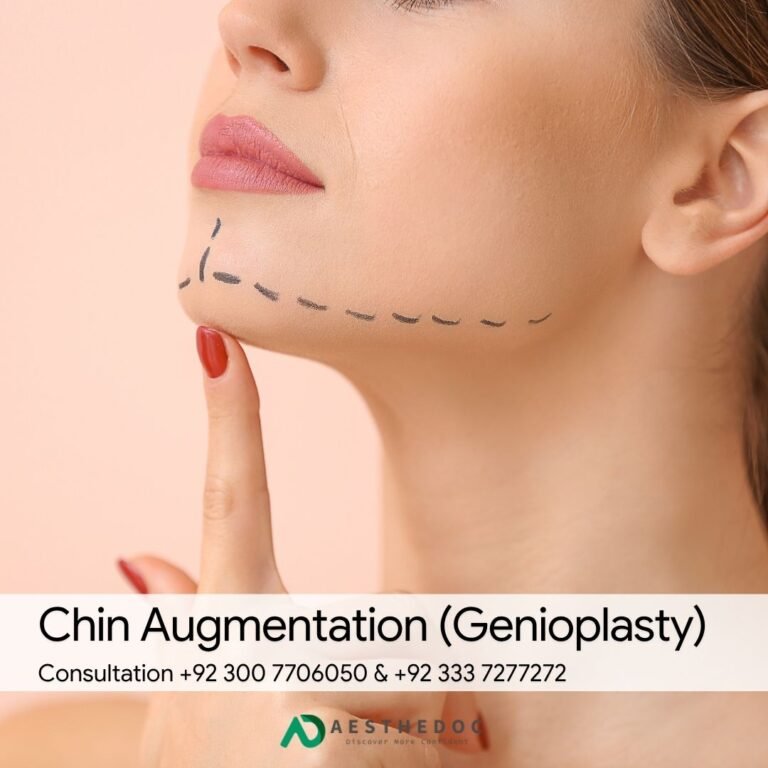
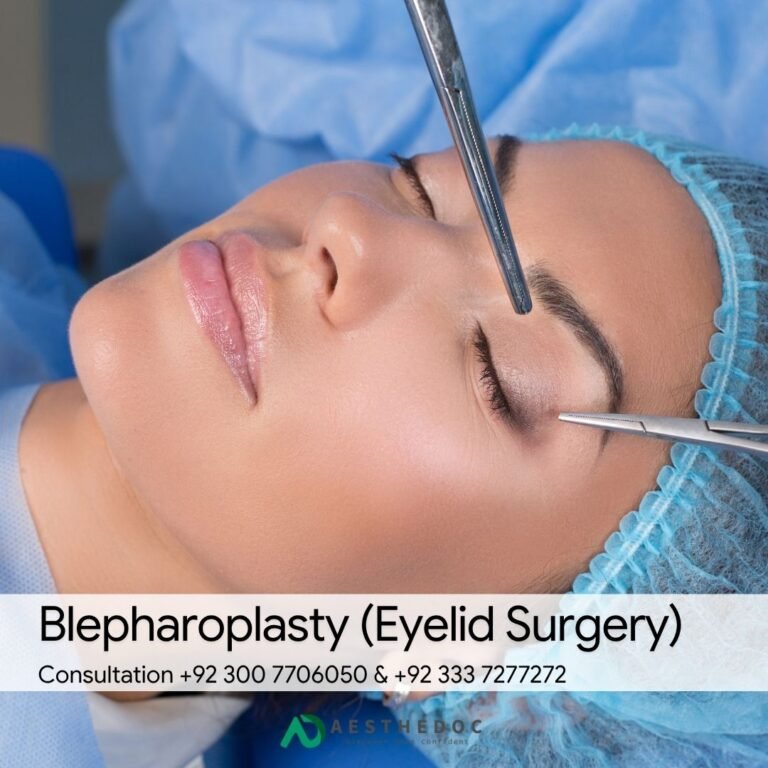
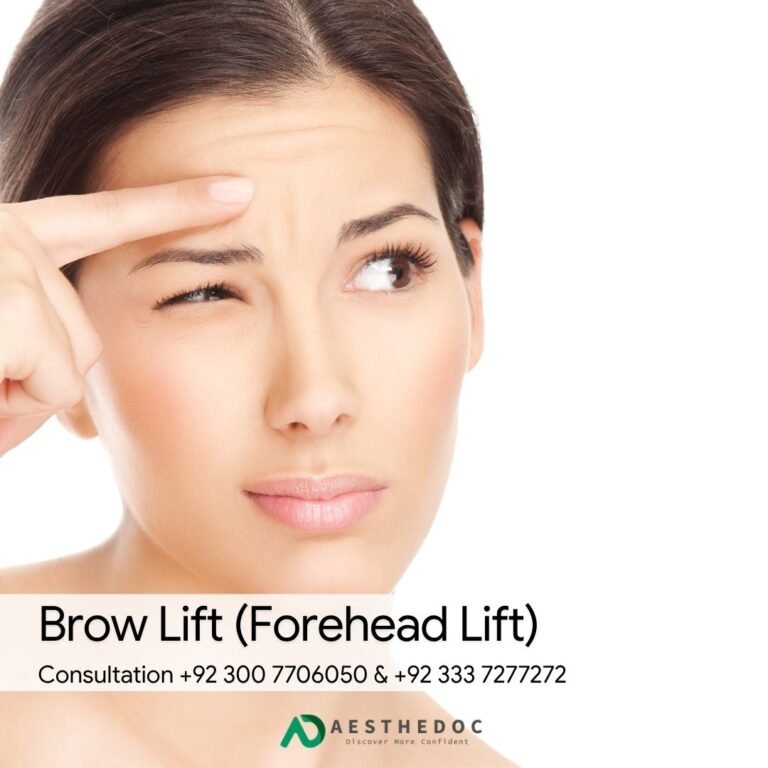
Many patients choose to combine facelift surgery with complementary procedures such as Neck Lift, Brow Lift, Blepharoplasty (Eyelid Surgery), Fat Grafting, or Facial Fat Transfer to achieve more balanced facial rejuvenation.
At Aesthedoc Clinic, facelift surgery is performed by experienced Plastic, Reconstructive and Cosmetic Surgery Specialists using modern surgical techniques focused on achieving natural-looking results while preserving each patient’s unique facial expressions and identity. Every treatment plan is personalized based on facial anatomy, skin quality, aesthetic concerns, and long-term goals.
Whether your concerns involve sagging facial skin, loss of jawline definition, deep wrinkles, or age-related facial volume changes, facelift surgery may provide comprehensive facial rejuvenation with long-lasting improvement.
What is a Facelift?
A facelift is a cosmetic surgical procedure that lifts and repositions sagging facial tissues while removing excess skin to restore a smoother, firmer, and more youthful facial appearance.
Modern facelift techniques focus on repositioning the deeper support structures of the face—not simply tightening the skin. This helps produce natural-looking results and reduces the risk of an overly tight or artificial appearance.
A facelift may improve:
- Loose facial skin
- Sagging cheeks
- Deep smile lines
- Marionette lines
- Jowls
- Loss of jawline definition
- Mild to moderate neck laxity
- Overall facial contour
Although facelift surgery can significantly rejuvenate the face, it does not stop the natural aging process. Instead, it helps “turn back the clock” by restoring a more youthful facial appearance.
Understanding Facial Aging
Facial aging occurs due to a combination of biological and environmental factors.
Common causes include:
- Loss of collagen
- Reduced elastin production
- Gravity
- Sun damage
- Smoking
- Weight fluctuations
- Genetics
- Hormonal changes
- Decreased facial fat volume
- Weakening of facial support structures
These changes may lead to:
- Loose skin
- Facial sagging
- Hollow cheeks
- Deep wrinkles
- Jowls
- Neck laxity
- Reduced jawline definition
Understanding these changes helps determine which facelift technique is most appropriate.
Facial Anatomy
Successful facelift surgery requires a detailed understanding of facial anatomy.
Important structures include:
- Skin
- Subcutaneous fat
- SMAS (Superficial Musculoaponeurotic System)
- Facial muscles
- Facial ligaments
- Facial fat compartments
- Facial nerves
- Blood vessels
- Jawline
- Neck muscles (Platysma)
Modern facelift procedures often involve repositioning the SMAS layer, which provides longer-lasting support and more natural results compared with skin tightening alone.
Why is a Facelift Performed?
Patients consider facelift surgery for a variety of cosmetic concerns.
Common reasons include:
- Sagging facial skin
- Jowls
- Loose cheeks
- Deep nasolabial folds
- Marionette lines
- Poor jawline definition
- Mild neck laxity
- Facial aging after weight loss
- Desire for long-lasting facial rejuvenation
- Dissatisfaction with temporary non-surgical treatments
The procedure is tailored to restore youthful contours while maintaining the patient’s natural facial character.
Signs You May Benefit from a Facelift
You may be a suitable candidate if you notice:
- Loose skin around the cheeks
- Jowls along the jawline
- Deep smile lines
- Marionette lines extending from the mouth
- Loss of jawline definition
- Mild neck sagging
- Persistent facial laxity despite skincare treatments
- Desire for longer-lasting facial rejuvenation
A consultation with a qualified specialist is essential to determine the most appropriate treatment plan.
Conditions a Facelift Can Improve
Sagging Cheeks
As facial tissues descend with age, the cheeks lose volume and support.
A facelift can reposition these tissues to restore a more youthful contour.
Jowls
Jowls develop when tissues along the jawline begin to sag.
Facelift surgery can improve jawline definition by lifting and repositioning these tissues.
Deep Nasolabial Folds
The folds extending from the nose to the corners of the mouth often deepen with age.
Although a facelift softens these folds, some patients may also benefit from complementary procedures such as fat grafting.
Marionette Lines
Lines extending downward from the corners of the mouth may contribute to a tired or sad appearance.
Repositioning facial tissues can reduce their prominence.
Poor Jawline Definition
One of the most noticeable benefits of facelift surgery is restoration of a smoother, better-defined jawline.
Mild Neck Laxity
Many facelift procedures also improve the upper neck by tightening tissues near the jawline.
Patients with significant neck laxity may benefit from a combined Neck Lift.
Benefits of Facelift Surgery
Potential benefits include:
- Firmer facial skin
- Improved jawline definition
- Reduction in jowls
- Smoother cheeks
- Softer facial folds
- Younger facial appearance
- Long-lasting results
- Natural-looking rejuvenation
- Improved facial harmony
- Increased confidence
The objective is not to change your identity but to restore a refreshed version of your natural appearance.
Who is a Good Candidate?
You may be a suitable candidate if you:
- Have moderate facial skin laxity
- Are bothered by jowls or sagging cheeks
- Are in good general health
- Have realistic expectations
- Do not smoke or are willing to stop before surgery
- Maintain a stable weight
- Desire longer-lasting results than non-surgical treatments can provide
Your specialist will evaluate your facial anatomy and medical history to determine whether facelift surgery is appropriate.
Who May Not Be a Suitable Candidate?
Facelift surgery may not be recommended for individuals with:
- Uncontrolled medical conditions
- Active skin infections
- Untreated bleeding disorders
- Unrealistic expectations
- Poor overall health
- Ongoing smoking that may significantly impair healing
Alternative treatments may be discussed depending on the individual’s condition and goals.
Types of Facelift Procedures
Several facelift techniques are available depending on the degree of facial aging and desired outcome.
Mini Facelift
A Mini Facelift is designed for patients with mild to moderate facial laxity.
Benefits include:
- Smaller incisions
- Shorter recovery
- Less invasive approach
- Earlier signs of aging
Traditional Facelift
A Traditional Facelift addresses more advanced facial aging.
Suitable for:
- Significant skin laxity
- Jowls
- Deep facial folds
- Moderate to severe facial sagging
It allows more extensive repositioning of facial tissues for comprehensive rejuvenation.
SMAS Facelift
The SMAS Facelift focuses on lifting the deeper support layer of the face rather than tightening only the skin.
Advantages include:
- Natural-looking results
- Longer-lasting improvement
- Better facial support
- Reduced tension on the skin
Deep Plane Facelift
The Deep Plane Facelift releases and repositions deeper facial tissues as a single unit.
Potential benefits include:
- Improved midface rejuvenation
- Better cheek elevation
- Softer nasolabial folds
- Long-lasting results
This technique is generally reserved for selected patients based on individual anatomy and surgical goals.
Mid-Facelift
A Mid-Facelift primarily addresses:
- Sagging cheeks
- Midface volume loss
- Nasolabial folds
It is often recommended for patients whose primary aging changes are concentrated in the middle portion of the face.
Mini Facelift vs Traditional Facelift
| Feature | Mini Facelift | Traditional Facelift |
|---|---|---|
| Best For | Early aging | Moderate to advanced aging |
| Incision Length | Smaller | Longer |
| Recovery | Faster | Longer |
| Skin Tightening | Mild to moderate | Moderate to significant |
| Jawline Improvement | Moderate | Significant |
| Longevity | Good | Longer-lasting |
Consultation and Evaluation
Every successful facelift begins with a comprehensive consultation.
During your assessment, your specialist will evaluate:
- Facial anatomy
- Skin elasticity
- Degree of facial sagging
- Jawline definition
- Neck laxity
- Medical history
- Previous facial procedures
- Lifestyle factors
- Aesthetic concerns
- Long-term goals
Clinical photographs may be taken to assist with treatment planning and document your preoperative appearance.
Preparing for Facelift Surgery
Before surgery, patients are generally advised to:
- Stop smoking at least 4–6 weeks before surgery
- Avoid aspirin and certain blood-thinning medications under medical supervision
- Complete recommended blood investigations
- Maintain a healthy diet
- Stay hydrated
- Arrange transportation home
- Prepare a comfortable recovery area
- Follow fasting instructions before anesthesia
Proper preparation helps reduce surgical risks and supports a smoother recovery.
Preparing for Facelift Surgery
Careful preparation plays an important role in achieving a safe procedure and optimal healing. During your consultation, your Plastic, Reconstructive and Cosmetic Surgery Specialist will perform a detailed facial assessment and develop a personalized treatment plan based on your anatomy, skin quality, and aesthetic goals.
Before surgery, patients may be advised to:
- Complete a comprehensive medical evaluation
- Review current medications and supplements
- Undergo recommended blood investigations
- Have standardized clinical photographs taken
- Stop smoking at least 4–6 weeks before surgery
- Avoid aspirin and certain blood-thinning medications under medical supervision
- Maintain a balanced, nutritious diet
- Stay well hydrated
- Arrange transportation home after surgery
- Prepare a comfortable recovery area at home
Following these recommendations can help reduce surgical risks and support a smoother recovery.
Step-by-Step Facelift Procedure
Every facelift is customized according to the patient’s degree of facial aging, skin quality, facial anatomy, and desired outcome. Although techniques vary, most procedures follow a similar sequence.
Step 1 – Anesthesia
Facelift surgery is commonly performed under:
- General anesthesia
- Intravenous (IV) sedation with local anesthesia (for selected patients)
The most appropriate anesthesia method depends on the complexity of the surgery and whether additional procedures are being performed.
During surgery, the anesthesia team continuously monitors:
- Heart rate
- Blood pressure
- Oxygen saturation
- Breathing
- Body temperature
Step 2 – Surgical Incisions
The location and length of the incision depend on the type of facelift being performed.
Typical incision placement includes:
- Along the hairline
- Around the front of the ear
- Behind the ear
- Into the lower scalp if necessary
These natural creases help conceal scars after healing.
Mini Facelift Incisions
Mini Facelift procedures generally require shorter incisions located around the ears.
This technique is suitable for patients with:
- Mild facial laxity
- Early jowls
- Minimal excess skin
Traditional Facelift Incisions
Traditional Facelift procedures involve longer incisions to allow more extensive lifting and repositioning of facial tissues.
This approach is appropriate for:
- Moderate to severe facial aging
- Significant skin laxity
- More pronounced jowls
- Advanced jawline changes
Step 3 – Elevating the Skin
Once the incisions have been made, the skin is carefully lifted to expose the deeper facial structures.
This allows the surgeon to:
- Access the SMAS layer
- Reposition facial tissues
- Remove excess skin
- Improve facial contours
Modern facelift surgery emphasizes repositioning deeper structures rather than simply pulling the skin tight.
Step 4 – SMAS Repositioning
One of the most important steps in a modern facelift is lifting the Superficial Musculoaponeurotic System (SMAS).
The SMAS is a supportive layer beneath the skin that contributes significantly to facial aging.
Repositioning this layer can:
- Restore youthful cheek position
- Improve jawline definition
- Reduce jowls
- Create longer-lasting results
- Produce a more natural appearance
Because the deeper tissues—not just the skin—are lifted, less tension is placed on the skin itself.
Deep Plane Facelift Technique
In selected patients, a Deep Plane Facelift may be recommended.
This technique involves releasing and repositioning deeper facial tissues as a single unit.
Potential advantages include:
- Better cheek elevation
- Improved midface rejuvenation
- Softer nasolabial folds
- Natural facial movement
- Long-lasting structural support
Not every patient requires a Deep Plane Facelift. The choice depends on individual anatomy and surgical goals.
Neck Tightening
Many patients experience loose skin and muscle laxity in the neck in addition to facial aging.
During facelift surgery, the surgeon may also improve the upper neck by:
- Tightening loose skin
- Repositioning soft tissues
- Improving the jawline
- Reducing early neck sagging
Patients with significant neck laxity may benefit from a combined Neck Lift.
Platysma Muscle Tightening
The platysma is a thin muscle extending from the lower face into the neck.
As aging occurs, this muscle may separate or weaken, creating:
- Vertical neck bands
- Poor jawline definition
- Neck laxity
The surgeon may tighten the platysma to create a smoother transition between the face and neck.
Fat Repositioning and Fat Grafting
Facial aging involves not only skin laxity but also loss of facial volume.
Depending on the patient’s needs, surgery may include:
Fat Repositioning
Existing facial fat is repositioned to restore youthful contours.
Fat Grafting
Fat may be harvested from another area of the body and transferred to areas such as:
- Cheeks
- Temples
- Nasolabial folds
- Marionette lines
Fat grafting can complement a facelift by restoring facial volume while the facelift corrects tissue sagging.
Removal of Excess Skin
After deeper tissues have been repositioned:
- Excess skin is carefully trimmed
- Skin is redraped naturally
- Tension is minimized
- Facial contours are reassessed
The goal is to avoid an over-tightened or unnatural appearance.
Closing the Incisions
The incisions are closed using fine sutures or surgical staples where appropriate.
Dressings may be applied to:
- Reduce swelling
- Protect the surgical area
- Support early healing
In selected cases, temporary drains may be placed to reduce fluid accumulation.
How Long Does a Facelift Take?
The length of surgery depends on the complexity of the procedure and whether additional treatments are performed.
| Procedure | Estimated Surgical Time |
|---|---|
| Mini Facelift | 2–3 hours |
| Traditional Facelift | 3–5 hours |
| SMAS Facelift | 4–5 hours |
| Deep Plane Facelift | 4–6 hours |
| Facelift with Neck Lift | 5–7 hours |
Recovery After Facelift Surgery
Recovery varies between individuals, but most patients notice gradual improvement over several weeks.
First 24 Hours
Patients commonly experience:
- Mild to moderate discomfort
- Swelling
- Bruising
- Tightness
- Temporary numbness
These effects are expected and usually improve during the first week.
Days 2–7
During the first week:
- Swelling reaches its peak
- Bruising becomes more visible before gradually fading
- Dressings may be changed or removed
- Follow-up appointments are scheduled
Patients should:
- Keep the head elevated
- Rest adequately
- Take prescribed medications
- Avoid bending or heavy lifting
Week One
At approximately one week:
- Some sutures may be removed
- Bruising begins to improve
- Swelling gradually decreases
- Light walking is encouraged
Most patients continue avoiding strenuous activity.
Weeks 2–4
Many patients experience:
- Significant reduction in bruising
- Improved facial contour
- Better jawline definition
- Increased comfort
Many individuals return to office-based work within two to three weeks, depending on the extent of surgery.
Months 2–6
Healing continues steadily.
Patients notice:
- Softer scars
- Improved skin contour
- Better facial definition
- Continued reduction in swelling
Six to Twelve Months
Final healing gradually occurs.
Scars continue to mature, and the full benefits of surgery become more apparent as residual swelling resolves.
Recovery Timeline
| Time After Surgery | Typical Recovery Progress |
|---|---|
| Day 1 | Swelling and mild discomfort |
| Week 1 | Initial healing, some suture removal |
| Week 2 | Bruising significantly improves |
| Month 1 | Most swelling decreases |
| Month 3 | Improved facial definition |
| Month 6 | Scars continue to mature |
| Month 12 | Final results generally visible |
Aftercare Instructions
Patients are encouraged to follow all postoperative instructions carefully.
General recommendations include:
- Sleep with the head elevated
- Avoid smoking
- Stay hydrated
- Eat a protein-rich, balanced diet
- Avoid strenuous exercise until cleared
- Protect healing incisions from sun exposure
- Wear compression garments if advised
- Attend all follow-up appointments
- Take medications exactly as prescribed
Benefits of Facelift Surgery
Potential benefits include:
- Firmer facial contours
- Better jawline definition
- Reduction in jowls
- Smoother cheeks
- Softer facial folds
- Improved neck contour
- More youthful facial appearance
- Long-lasting rejuvenation
- Natural-looking results
- Improved self-confidence
Expected Results
The objective of facelift surgery is to restore youthful facial contours while maintaining your natural appearance.
Possible improvements include:
- Lifted cheeks
- Better jawline definition
- Reduced jowls
- Smoother facial contours
- Improved neck appearance
- Softer wrinkles and folds
- Enhanced facial harmony
Final results continue to improve over several months as swelling subsides and tissues settle into their new position.
Before and After Expectations
Patients should understand that a facelift is intended to rejuvenate rather than completely change the face.
Realistic expectations include:
- A refreshed appearance
- Natural-looking improvement
- Better facial definition
- Restoration of youthful contours
- Long-lasting enhancement rather than permanent prevention of aging
Individual results vary depending on age, skin quality, anatomy, lifestyle, and the specific surgical technique used.
Risks and Possible Complications of Facelift Surgery
Facelift surgery is generally considered safe when performed by an experienced Plastic, Reconstructive and Cosmetic Surgery Specialist. However, like any surgical procedure, it carries potential risks and complications that should be discussed during your consultation.
Possible complications include:
- Bleeding (hematoma)
- Infection
- Swelling
- Bruising
- Temporary numbness
- Delayed wound healing
- Noticeable scarring
- Hair loss around incision sites (usually temporary)
- Skin irregularities
- Skin necrosis (rare)
- Facial asymmetry
- Temporary facial muscle weakness
- Temporary or permanent nerve injury (rare)
- Fluid accumulation (seroma)
- Persistent swelling
- Blood clots (rare)
- Adverse reaction to anesthesia
- Unsatisfactory cosmetic outcome
- Need for revision surgery
Most patients recover without significant complications, especially when they carefully follow their surgeon’s preoperative and postoperative instructions.
How to Reduce the Risk of Complications
Patients can support a smoother recovery by:
- Choosing an experienced Plastic, Reconstructive and Cosmetic Surgery Specialist
- Stopping smoking at least 4–6 weeks before and after surgery
- Following medication instructions carefully
- Avoiding blood-thinning medications unless medically necessary
- Keeping all follow-up appointments
- Wearing compression garments if advised
- Sleeping with the head elevated
- Avoiding strenuous exercise during recovery
- Maintaining good nutrition and hydration
- Reporting unusual swelling, bleeding, or fever promptly
Proper postoperative care significantly contributes to successful healing and long-lasting results.
Success Rate of Facelift Surgery
Facelift surgery has a high rate of patient satisfaction when performed on appropriate candidates with realistic expectations.
Factors influencing successful outcomes include:
- Degree of facial aging
- Skin quality
- Overall health
- Surgical technique
- Lifestyle habits
- Smoking status
- Sun exposure
- Healing characteristics
- Compliance with postoperative care
The goal is to restore youthful facial contours while preserving your natural facial expressions and identity.
Estimated Facelift Cost in Pakistan
The cost of facelift surgery varies depending on the type of facelift, the complexity of the procedure, anesthesia, hospital charges, and whether additional procedures such as a neck lift or fat grafting are performed.
Estimated Price Table
| Procedure | Estimated Cost (PKR) |
|---|---|
| Consultation | 3,000 – 10,000 |
| Mini Facelift | 350,000 – 550,000 |
| SMAS Facelift | 500,000 – 850,000 |
| Traditional Facelift | 600,000 – 1,000,000 |
| Deep Plane Facelift | 800,000 – 1,400,000 |
| Facelift + Neck Lift | 900,000 – 1,600,000 |
Disclaimer: These are estimated private-sector prices provided for educational purposes only. Actual treatment costs depend on the surgical technique, surgeon’s assessment, anesthesia, operating facility, investigations, postoperative care, and the individualized treatment plan.
Estimated Facelift Cost Around the World
Facelift surgery costs vary significantly across countries due to differences in healthcare systems, surgeon expertise, hospital fees, and the complexity of the procedure.
| Country | Estimated Cost |
|---|---|
| 🇵🇰 Pakistan | USD 2,000 – 6,000 |
| 🇮🇳 India | USD 2,500 – 5,500 |
| 🇹🇷 Turkey | USD 3,500 – 7,500 |
| 🇹🇭 Thailand | USD 3,500 – 7,000 |
| 🇲🇾 Malaysia | USD 3,500 – 7,000 |
| 🇦🇪 UAE (Dubai) | USD 6,000 – 12,000 |
| 🇰🇷 South Korea | USD 7,000 – 14,000 |
| 🇬🇧 United Kingdom | USD 10,000 – 18,000 |
| 🇨🇦 Canada | USD 9,000 – 16,000 |
| 🇺🇸 United States | USD 12,000 – 25,000+ |
Frequently Asked Questions (FAQs)
What is a facelift?
A facelift, or rhytidectomy, is a cosmetic surgical procedure that lifts and repositions facial tissues to reduce sagging skin and restore a more youthful appearance.
What areas does a facelift improve?
A facelift primarily improves:
- Sagging cheeks
- Jowls
- Jawline definition
- Deep facial folds
- Mild to moderate neck laxity
Does a facelift remove wrinkles?
A facelift improves wrinkles caused by loose skin and tissue sagging. Fine lines related to skin quality may require additional treatments such as laser resurfacing, chemical peels, or skincare.
What is the best age for a facelift?
There is no ideal age. Many patients undergo facelift surgery between their 40s and 70s, depending on facial aging, skin quality, and personal goals.
Is facelift surgery painful?
Most patients experience mild to moderate discomfort rather than severe pain. Prescribed medications usually provide adequate pain relief.
How long does surgery take?
Depending on the technique used, facelift surgery generally takes between 2 and 7 hours.
How long is recovery?
Most patients return to non-strenuous work within 2–3 weeks, although complete healing continues for several months.
Will I have visible scars?
Incisions are usually placed around the ears and within the hairline to help conceal scars. Most scars become less noticeable as they mature.
How long do facelift results last?
Results vary from person to person, but many patients enjoy noticeable improvement for 8–15 years, depending on aging, genetics, sun exposure, and lifestyle.
Can a facelift make me look unnatural?
Modern facelift techniques aim to restore youthful contours while preserving natural facial expressions and avoiding an overly tight appearance.
Can men have facelift surgery?
Yes. Facelift surgery is suitable for both men and women seeking facial rejuvenation.
Can a facelift be combined with other procedures?
Yes. It is commonly combined with:
- Neck Lift
- Brow Lift
- Blepharoplasty
- Fat Grafting
- Chin Augmentation
- Lip Lift
Will I need drains?
Some patients require temporary drains depending on the extent of surgery. Your specialist will discuss this during your consultation.
Can I exercise after surgery?
Light walking is encouraged during recovery, but strenuous exercise should only resume after approval from your specialist.
Is facelift surgery permanent?
A facelift cannot stop the natural aging process, but the structural improvements are long-lasting and often remain visible for many years.
Why Choose Aesthedoc Clinic?
At Aesthedoc Clinic, we recognize that facial rejuvenation requires both surgical expertise and an artistic understanding of facial balance. Our experienced Plastic, Reconstructive and Cosmetic Surgery Specialists create personalized treatment plans designed to restore youthful contours while preserving each patient’s natural facial characteristics.
Our approach includes:
- Comprehensive facial assessment
- Individualized treatment planning
- Modern SMAS and advanced facelift techniques
- Evidence-based surgical care
- Natural-looking facial rejuvenation
- Preservation of facial expressions
- Comprehensive postoperative support
- Patient safety as a priority
- Confidential consultations
- Long-term follow-up care
Whether you are concerned about sagging cheeks, jowls, loose skin, or age-related facial changes, our team is committed to helping you explore treatment options that align with your goals.
Related Procedures
Patients considering facelift surgery may also be interested in:
- Neck Lift
- Brow Lift
- Blepharoplasty (Eyelid Surgery)
- Chin Augmentation
- Buccal Fat Removal
- Lip Lift
- Fat Grafting
- Rhinoplasty
- Facial Fat Transfer
- Non-Surgical Facial Rejuvenation
Conclusion
Facelift surgery remains one of the most effective surgical options for long-lasting facial rejuvenation. By repositioning deeper facial tissues, tightening loose skin, and restoring youthful contours, the procedure can improve facial harmony while maintaining natural facial expressions.
Every patient’s aging pattern is unique. A comprehensive consultation and individualized treatment plan are essential for selecting the most appropriate facelift technique and achieving results that complement your natural appearance.
Book Your Facelift Consultation at Aesthedoc Clinic
If you are considering Facelift (Rhytidectomy), Aesthedoc Clinic offers comprehensive consultations with experienced Plastic, Reconstructive and Cosmetic Surgery Specialists who provide personalized assessment and advanced facial rejuvenation techniques.
Whether your concerns include sagging skin, jowls, loss of jawline definition, or facial aging, our team is committed to delivering individualized care with a focus on safety, natural-looking results, and long-term satisfaction.
Schedule Your Consultation Today
📞 Phone: 0333-7277272 | 0300-7706050
📧 Email: info@aesthedoc.com
Book your confidential consultation with Aesthedoc Clinic to discuss your facial rejuvenation goals and learn about the treatment options best suited to your needs.