Hair transplant surgery has become one of the fastest-growing fields in aesthetic medicine worldwide. With the increasing demand for skilled surgeons, the number of doctors seeking professional training has also risen. However, one of the most critical factors influencing a doctor’s choice of training program is cost.
The cost of hair transplant courses varies significantly depending on the country, type of training, duration, and level of hands-on exposure. Choosing the right program is not just about price but also about the value, skill acquisition, and career impact.
In this guide, we provide a comprehensive comparison of hair transplant course fees worldwide, including basic, advanced, and fellowship programs, while also highlighting the factors affecting costs. By the end, you will understand where to get high-quality training without compromising on practical skills.
Factors Affecting Hair Transplant Course Fees
Before diving into global pricing, it is important to understand the factors that influence course costs. These include:
1. Type of Course
Hair transplant courses vary in depth and focus:
- Basic Courses: Introductory programs focusing on FUE fundamentals.
- Advanced Courses: In-depth programs covering complex procedures and high-density implantation.
- Fellowships: Long-term, intensive programs with extensive hands-on experience.
2. Duration
Longer courses generally cost more due to extended training and exposure:
- Short courses (3–5 days) cost less but provide limited hands-on experience.
- Extended fellowships (3–6 months) offer advanced skills and are priced higher.
3. Hands-On vs Online Training
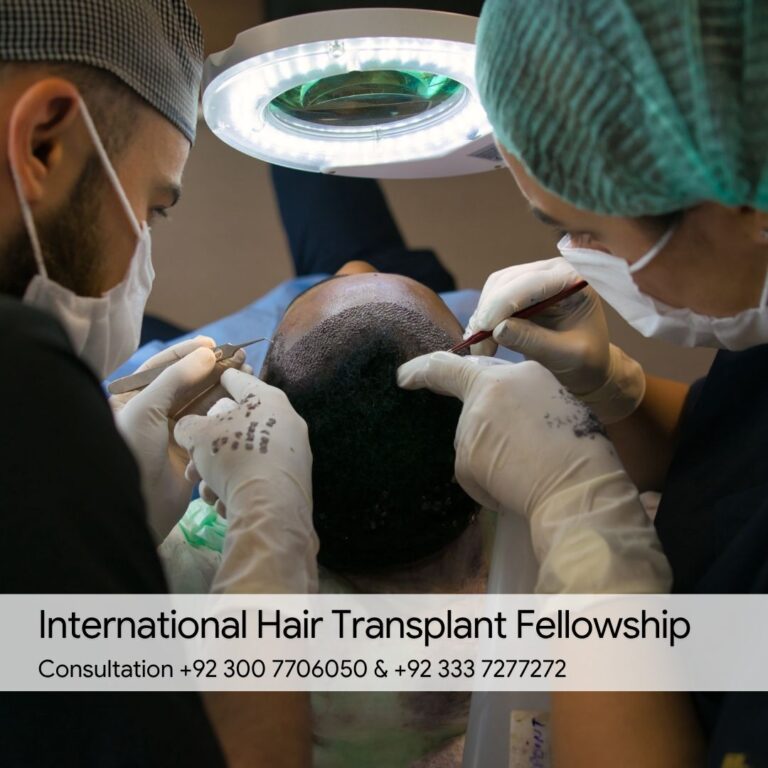
- Hands-On Training: Higher fees due to real patient exposure and surgical practice.
- Online Training: Lower cost but limited practical experience.
4. Country of Training
Training costs vary significantly across countries due to local economies, clinic setup, and healthcare infrastructure.
5. Trainer Expertise
Courses led by internationally recognized surgeons with thousands of procedures are priced higher due to mentorship quality.
6. Certification and Recognition
Internationally recognized certification programs are more expensive than local certificates but often provide better career opportunities.
Hair Transplant Course Fees by Country
Below is a detailed table comparing hair transplant training fees worldwide for basic, advanced, and fellowship programs:
| Country | Basic Course (3–5 Days) | Advanced Course (1–2 Weeks) | Fellowship (1–6 Months) | Notes |
|---|---|---|---|---|
| USA | $15,000 – $25,000 | $20,000 – $35,000 | $30,000 – $50,000 | High-end facilities, recognized globally, limited hands-on exposure |
| UK | $12,000 – $20,000 | $18,000 – $30,000 | $25,000 – $40,000 | Strong academic reputation, smaller patient volume, high cost |
| Germany | $10,000 – $18,000 | $15,000 – $25,000 | $20,000 – $35,000 | Advanced techniques, good clinical exposure |
| Turkey | $3,000 – $6,000 | $5,000 – $10,000 | $6,000 – $12,000 | High patient volume, excellent hands-on training, cost-effective |
| UAE | $8,000 – $12,000 | $12,000 – $18,000 | $18,000 – $30,000 | Modern clinics, expensive, limited patient exposure |
| India | $2,500 – $5,000 | $4,000 – $8,000 | $6,000 – $12,000 | Affordable, decent exposure, growing global recognition |
| Pakistan | $2,500 – $5,000 | $3,000 – $7,000 | $4,000 – $8,000 | High patient volume, extensive hands-on training, affordable fees |
Cost Breakdown of Hair Transplant Courses
1. Tuition Fee
The tuition fee covers lectures, theoretical sessions, and limited surgical demonstrations.
2. Hands-On Training Fee
Programs offering direct patient surgery include a separate charge for surgical instruments, consumables, and patient supervision.
3. Certification Fee
Official certification or fellowship documentation may add an extra fee depending on international recognition.
4. Accommodation & Travel
For international programs, accommodation and travel can add 20–40% of the total cost.
5. Equipment & Supplies
Some programs provide surgical kits, motorized punches, and implanters, which can increase fees.
Cost Comparison: Hands-On vs Online Programs
| Type | Average Fee Range | Pros | Cons |
|---|---|---|---|
| Online Training | $500 – $3,000 | Flexible, low cost, global access | No real surgical experience, limited skill development |
| Hands-On Short Course | $3,000 – $6,000 | Real patient exposure, skill building | Higher cost, travel required |
| Hands-On Advanced | $5,000 – $10,000 | Mastery of advanced procedures | Costly, time-intensive |
| Fellowship | $6,000 – $50,000 | Comprehensive mastery, global recognition | Very high cost, long duration |
Cost vs Value Analysis
When choosing a course, value matters more than price.
Doctors should consider:
- Hands-On Experience: Real patient practice is essential.
- Trainer Expertise: Learn from surgeons with thousands of successful procedures.
- Global Recognition: Certification can enhance career opportunities.
- Patient Exposure: Higher case volume accelerates skill development.
While some countries like Turkey and Pakistan offer affordable hands-on programs, others like USA and UK provide prestige but limited practical exposure.
Case Study: Cost-Effective Training in Pakistan
Pakistan has emerged as a top destination for high-quality, affordable hair transplant training:
- Tuition: $3,000 – $5,000
- Hands-On Surgeries: 15–25 live cases per batch
- Advanced Techniques: FUE, DHI, Sapphire, high-density implantation
- Trainers: Certified doctors with 10–20 years of experience
- Certification: Recognized locally with international exposure
This combination of low cost, high patient volume, and expert trainers makes Pakistan ideal for doctors aiming for mastery without overspending.
Additional Benefits of Affordable Programs
- Multiple Case Exposure – Practice on several patients during the course.
- Personalized Mentorship – Small batches allow one-on-one guidance.
- Access to Advanced Tools – Learn using implanters, motorized punches, and sapphire blades.
- Post-Training Support – Guidance for clinic setup and complication management.
Hidden Costs to Consider
Doctors often overlook these additional costs:
- Travel and visa for international programs
- Accommodation during training
- Consumables not included in tuition
- Certification verification fees
- Optional workshops or advanced modules
By accounting for these factors, doctors can plan their budget realistically.
Duration and Fee Correlation
There is a strong correlation between training duration and course fee:
| Duration | Fee Range (USD) | Learning Outcome |
|---|---|---|
| 3–5 Days | $2,500 – $5,000 | Basic understanding, limited hands-on exposure |
| 1–2 Weeks | $5,000 – $10,000 | Advanced FUE, multiple live cases |
| 1–3 Months | $6,000 – $20,000 | Fellowship-level mastery, full case exposure |
| 3–6 Months | $15,000 – $50,000 | Full surgical independence, global recognition |
ROI: Is Hair Transplant Training Worth the Investment?
Hair transplant training offers one of the highest returns on investment in aesthetic medicine.
- Average revenue per hair transplant patient: $1,500 – $3,500 (varies by region)
- Average number of procedures per month for trained surgeons: 10–50
- Payback period for training fees: 1–6 months depending on patient volume
Doctors with fellowship-level training can charge premium rates and attract international patients, making training costs a small fraction of future earnings.
Choosing the Right Program Based on Fees
Budget-Friendly Option:
- Pakistan, India, Turkey
- Affordable fees, hands-on experience
- Suitable for beginners and intermediate doctors
Mid-Range Option:
- UAE, Germany
- Balanced exposure, modern facilities
- For doctors seeking advanced techniques
Premium Option:
- USA, UK
- High prestige, recognized globally
- Best for international career building, limited hands-on exposure
Summary of Hair Transplant Course Fees Worldwide
- Lowest Cost Countries: Pakistan, India ($2,500 – $8,000)
- Mid-Range Countries: Turkey, UAE ($5,000 – $12,000)
- High-Cost Countries: USA, UK, Germany ($15,000 – $50,000)
Recommendation: For doctors seeking maximum hands-on experience with minimal cost, Pakistan and Turkey are ideal. For prestige and international recognition, the USA and UK may be considered.
Final Thoughts
Understanding hair transplant course fees worldwide is critical for doctors planning their training path. The most expensive program is not always the best, and the cheapest may lack practical exposure.
Doctors must evaluate:
- Practical skills offered
- Trainer expertise
- Number of live cases
- Duration of training
- Certification recognition
By choosing wisely, doctors can maximize skills, career opportunities, and return on investment.
For high-quality, affordable, hands-on training with global standards, Pakistan offers the best balance of cost and learning experience.
Start Your Hair Transplant Training in Pakistan
For professional, comprehensive training:
Website: https://www.aesthedoc.com/hair-transplant-course/
Contact: +92 333 7277272
Email: info@aesthedoc.com