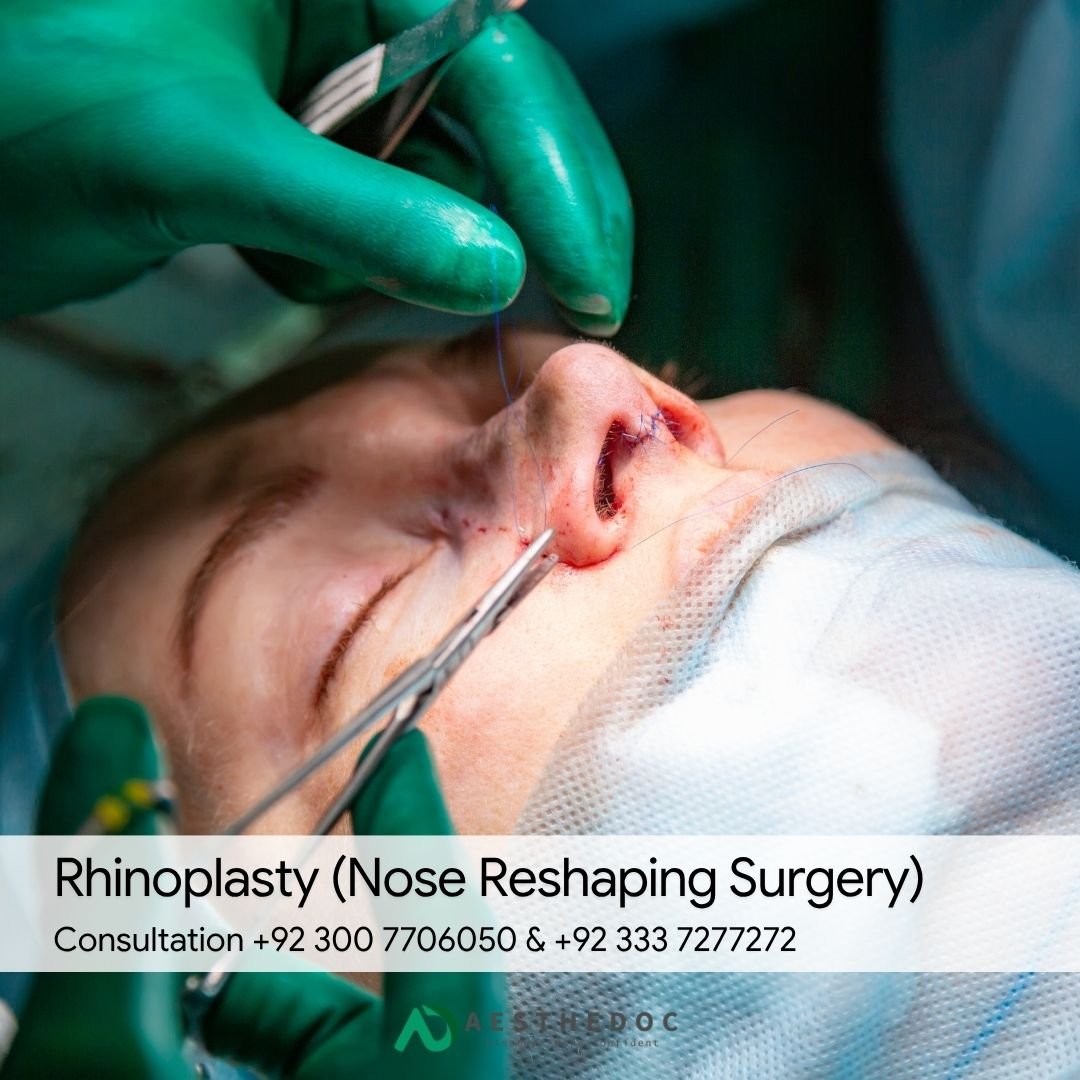
Rhinoplasty, commonly referred to as a nose job or nose reshaping surgery, is one of the most frequently performed facial plastic surgery procedures worldwide. Whether the goal is to improve facial harmony, correct breathing problems, repair damage after trauma, or address congenital nasal deformities, rhinoplasty offers both aesthetic and functional benefits when performed by an experienced specialist.
The nose is the central feature of the face. Even minor adjustments to its shape, size, or proportion can significantly enhance overall facial balance while maintaining a natural appearance. Modern rhinoplasty techniques focus on preserving the natural anatomy of the nose, improving nasal function, and achieving results that complement each patient’s unique facial characteristics.
At Aesthedoc Clinic, rhinoplasty procedures are performed by qualified Plastic, Reconstructive and Cosmetic Surgery Specialists using modern surgical techniques, advanced planning, and personalized treatment approaches. Every patient receives a comprehensive consultation to understand their concerns, evaluate nasal anatomy, and develop a customized surgical plan based on realistic expectations and medical suitability.
Whether you wish to reduce a prominent nasal hump, refine the nasal tip, correct a crooked nose, improve breathing difficulties, or restore the nose after injury, rhinoplasty can provide long-lasting improvements in both appearance and function.
What is Rhinoplasty?
Rhinoplasty is a surgical procedure designed to reshape or reconstruct the nose. It may be performed for cosmetic reasons, functional improvement, reconstructive purposes, or a combination of all three.
The surgery involves modifying the nasal bones, cartilage, skin, or internal structures to improve:
- Nose size
- Nose shape
- Nasal bridge
- Nasal tip
- Nostril width
- Nasal symmetry
- Breathing function
- Facial balance
Depending on the patient’s needs, rhinoplasty can be performed using either an open or closed surgical approach.
Why Do People Choose Rhinoplasty?
Patients seek rhinoplasty for many different reasons. Some wish to enhance their facial appearance, while others require surgery to correct structural abnormalities that interfere with normal breathing.
Common reasons include:
- Large nose
- Wide nose
- Crooked nose
- Deviated nose
- Prominent dorsal hump
- Bulbous nasal tip
- Drooping nasal tip
- Flat nasal bridge
- Wide nostrils
- Nasal asymmetry
- Birth defects
- Sports injuries
- Road traffic accidents
- Previous unsuccessful nose surgery
- Difficulty breathing through the nose
- Snoring caused by nasal obstruction
Many patients choose rhinoplasty because they have been self-conscious about the appearance of their nose for years. Others undergo surgery after an injury or due to breathing difficulties caused by a deviated nasal septum.
Cosmetic Rhinoplasty vs Functional Rhinoplasty
Although many people associate rhinoplasty with cosmetic surgery, it is also commonly performed to improve nasal function.
Cosmetic Rhinoplasty
Cosmetic rhinoplasty focuses on improving the appearance of the nose by enhancing facial proportions and achieving better symmetry.
Examples include:
- Reducing a hump on the bridge
- Refining the nasal tip
- Narrowing the nose
- Straightening a crooked nose
- Adjusting nostril size
- Improving overall facial harmony
Functional Rhinoplasty
Functional rhinoplasty is performed to improve airflow and restore normal breathing.
It may involve correction of:
- Deviated septum
- Collapsed nasal valves
- Enlarged turbinates
- Congenital deformities
- Previous trauma
Many patients benefit from combining cosmetic and functional corrections in a single surgical procedure.
Who is a Good Candidate for Rhinoplasty?
Rhinoplasty may be suitable for individuals who:
- Have completed facial growth
- Are in good general health
- Have realistic expectations
- Experience breathing difficulties
- Wish to improve facial harmony
- Have nasal deformities after injury
- Have congenital nasal abnormalities
- Are unhappy with previous rhinoplasty results
Ideal candidates understand that rhinoplasty aims to improve the overall balance of the face rather than create a “perfect” nose.
Common Conditions Treated with Rhinoplasty
Rhinoplasty can help correct numerous nasal concerns.
These include:
Dorsal Hump
A raised bridge or hump may make the nose appear larger or more prominent. Surgical reshaping creates a smoother nasal profile.
Bulbous Nasal Tip
Excess cartilage can create a rounded or bulky tip. Rhinoplasty can refine and reshape the nasal tip for a more balanced appearance.
Crooked Nose
A crooked nose may develop after injury or due to congenital asymmetry. Surgery can improve alignment and facial symmetry.
Wide Nose
The nasal bones and soft tissues can be narrowed to create a more proportionate appearance.
Large Nose
The overall size of the nose can be reduced while maintaining natural facial proportions.
Drooping Tip
A downward-pointing nasal tip may become more noticeable when smiling. Surgical support can elevate and refine the tip.
Flat Bridge
Patients seeking greater bridge definition may benefit from augmentation techniques using cartilage grafts or other suitable materials.
Deviated Septum
Correction of a deviated septum improves airflow and reduces nasal obstruction.
Types of Rhinoplasty
Several surgical techniques may be used depending on the patient’s anatomy and goals.
Open Rhinoplasty
An external incision is made across the columella, allowing the surgeon full visualization of the nasal structures.
Advantages include:
- Greater surgical precision
- Better correction of complex deformities
- Improved graft placement
- Preferred for revision cases
Closed Rhinoplasty
All incisions are made inside the nostrils.
Benefits include:
- No visible external scar
- Reduced swelling
- Faster recovery in selected patients
Closed rhinoplasty is suitable for carefully selected cases requiring less extensive structural modification.
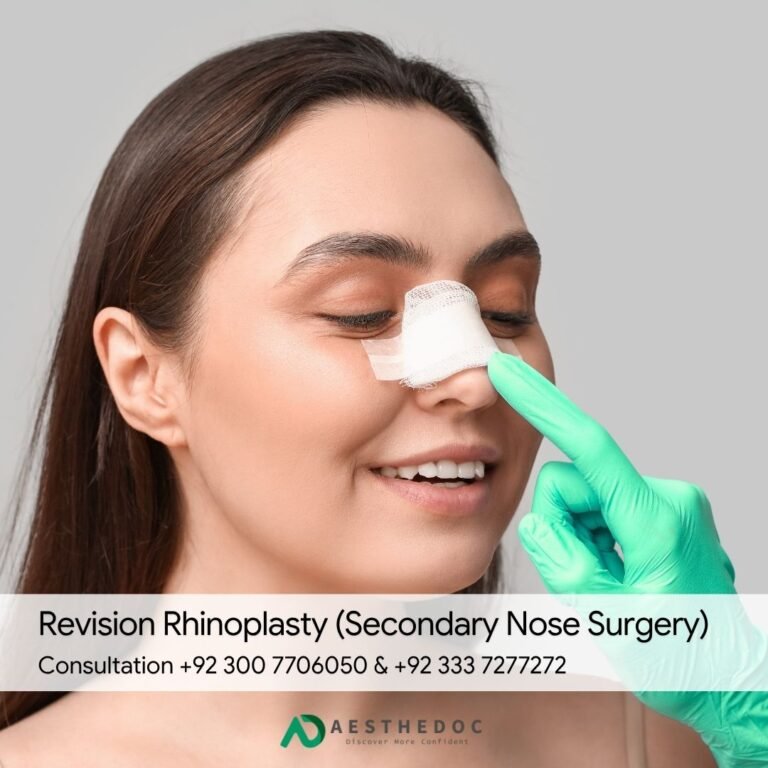
Revision Rhinoplasty
Some patients require additional surgery after a previous rhinoplasty due to cosmetic concerns or persistent breathing problems.
Revision surgery is often more complex because of scar tissue and altered anatomy.
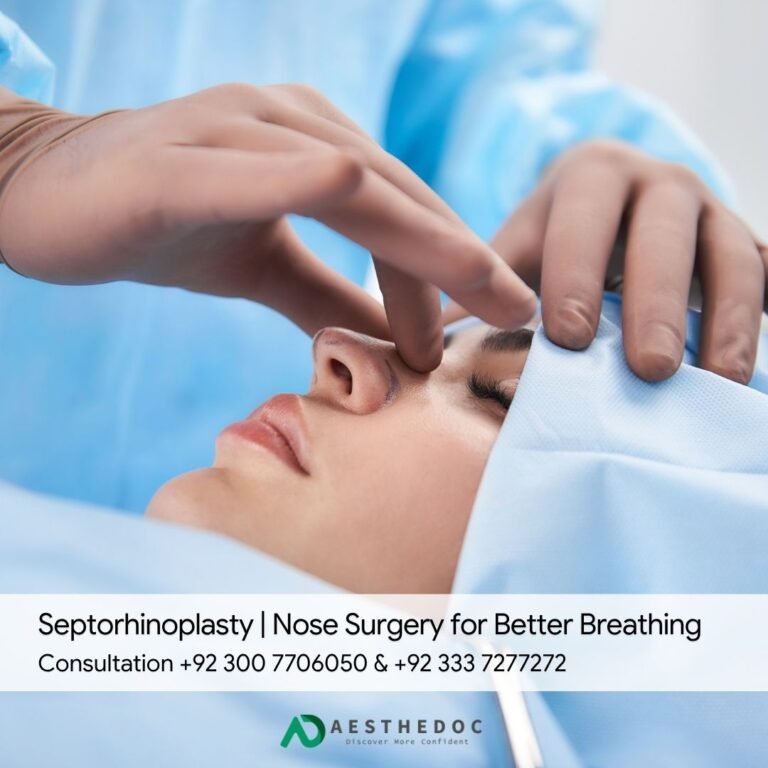
Septorhinoplasty
Septorhinoplasty combines cosmetic nose reshaping with correction of a deviated nasal septum.
Patients often experience:
- Improved breathing
- Better nasal appearance
- Enhanced facial balance
- Improved quality of life
Ethnic Rhinoplasty
Ethnic rhinoplasty respects each patient’s unique facial characteristics while making subtle refinements that preserve natural identity.
The goal is enhancement rather than altering ethnic features.
Rhinoplasty Consultation
A successful rhinoplasty begins with a detailed consultation.
During your assessment, the specialist will evaluate:
- Facial proportions
- Nasal symmetry
- Skin thickness
- Cartilage strength
- Bone structure
- Airway function
- Medical history
- Previous injuries
- Previous surgeries
- Personal goals
Photographs may be taken to assist in surgical planning and to document preoperative appearance.
The consultation also provides an opportunity to discuss expected outcomes, limitations, recovery, and potential risks.
Estimated Rhinoplasty Cost in Pakistan
The cost of rhinoplasty in Pakistan varies depending on several factors, including the complexity of the procedure, whether it is a primary or revision surgery, the hospital or clinic, anesthesia requirements, and the experience of the operating specialist. Functional procedures such as septorhinoplasty may also differ in cost from cosmetic rhinoplasty because they involve correcting breathing problems in addition to reshaping the nose.
Patients should remember that choosing a surgical procedure based solely on price is not recommended. A thorough consultation, appropriate preoperative assessment, surgical planning, postoperative care, and the qualifications of the treating specialist are all important considerations when evaluating treatment options.
Estimated Rhinoplasty Cost in Pakistan
| Procedure | Estimated Cost (PKR) |
|---|---|
| Consultation | 3,000 – 10,000 |
| Primary Rhinoplasty | 180,000 – 450,000 |
| Septorhinoplasty | 220,000 – 500,000 |
| Revision Rhinoplasty | 300,000 – 700,000 |
| Complex Reconstructive Rhinoplasty | 400,000 – 900,000 |
Disclaimer: These are estimated price ranges for informational purposes only. The actual cost depends on the patient’s condition, surgical complexity, hospital charges, anesthesia, and the individualized treatment plan.
Estimated Rhinoplasty Cost Around the World
Rhinoplasty prices vary significantly across countries due to differences in healthcare systems, surgeon expertise, operating facility costs, and the overall cost of medical care. Countries such as Turkey, India, and Pakistan are well known for offering comparatively lower private healthcare costs, while the United States, the United Kingdom, Australia, and Canada generally have higher procedure costs.
| Country | Estimated Cost |
|---|---|
| 🇵🇰 Pakistan | USD 700 – 2,000 |
| 🇮🇳 India | USD 1,500 – 3,000 |
| 🇹🇷 Turkey | USD 2,500 – 5,000 |
| 🇹🇭 Thailand | USD 2,000 – 4,500 |
| 🇲🇽 Mexico | USD 3,000 – 5,500 |
| 🇰🇷 South Korea | USD 4,000 – 8,000 |
| 🇦🇪 UAE (Dubai) | USD 5,000 – 9,000 |
| 🇬🇧 United Kingdom | USD 7,500 – 12,500 |
| 🇨🇦 Canada | USD 6,000 – 10,000 |
| 🇦🇺 Australia | USD 8,000 – 14,000 |
| 🇺🇸 United States | USD 9,000 – 15,000+ |
Estimated private-sector price ranges; actual fees vary by clinic, surgeon, city, and case complexity.
Preparing for Rhinoplasty Surgery
Proper preparation helps reduce surgical risks and supports a smoother recovery.
Patients may be advised to:
- Stop smoking several weeks before surgery
- Avoid blood-thinning medications as instructed
- Complete recommended medical investigations
- Arrange transportation home
- Prepare a comfortable recovery area
- Follow fasting instructions before anesthesia
Your specialist will provide individualized preoperative instructions based on your health and surgical plan.
Step-by-Step Rhinoplasty Procedure
Every rhinoplasty procedure is carefully planned according to the patient’s nasal anatomy, facial proportions, and treatment goals. While every surgery is unique, the overall process generally follows these steps.
1. Preoperative Assessment
On the day of surgery, the specialist will:
- Review your medical history
- Confirm your surgical goals
- Examine the nose again
- Take preoperative photographs if required
- Mark important anatomical landmarks
- Answer any remaining questions
Your safety and understanding of the procedure are priorities before surgery begins.
2. Administration of Anesthesia
Rhinoplasty is commonly performed under general anesthesia to ensure patient comfort throughout the operation.
In selected cases, intravenous sedation with local anesthesia may be considered depending on the complexity of the procedure and the patient’s overall health.
The anesthesia team continuously monitors:
- Heart rate
- Blood pressure
- Oxygen levels
- Breathing
- Body temperature
3. Surgical Incisions
Depending on the chosen technique, the specialist performs either:
Closed Rhinoplasty
Small incisions are made inside the nostrils, leaving no visible external scar.
This approach is suitable for selected patients who require less extensive reshaping.
Open Rhinoplasty
A small incision is made across the columella (the strip of tissue between the nostrils), allowing better visualization of the nasal framework.
This technique is commonly recommended for:
- Complex nasal deformities
- Revision rhinoplasty
- Significant tip reshaping
- Major structural reconstruction
4. Reshaping the Nose
After carefully exposing the underlying nasal structures, the specialist reshapes the nose according to the surgical plan.
This may include:
- Removing excess bone
- Refining cartilage
- Narrowing nasal bones
- Straightening the bridge
- Improving nasal symmetry
- Reshaping the nasal tip
- Correcting internal structural abnormalities
Every adjustment is performed with precision to maintain both appearance and nasal function.
5. Cartilage Grafting (When Required)
Some patients require additional structural support.
Cartilage may be obtained from:
- The nasal septum
- The ear
- The rib (in complex reconstruction)
Cartilage grafts may be used to:
- Strengthen the bridge
- Improve tip projection
- Correct previous surgery
- Support collapsed nasal valves
- Restore damaged nasal structures
The goal is to create a stable, natural-looking result.
6. Septum Correction
If breathing problems are present due to a deviated septum, correction can often be performed during the same operation.
Straightening the septum can improve:
- Airflow
- Nasal breathing
- Sleep quality
- Exercise tolerance
Combining functional correction with cosmetic improvement often avoids the need for separate surgeries.
7. Closing the Incisions
After reshaping is complete, the tissues are repositioned and the incisions are closed with fine sutures.
External splints or dressings may then be applied to help support the new nasal shape during the initial healing period.
How Long Does Rhinoplasty Surgery Take?
The duration depends on the complexity of the procedure.
Typical operating times include:
| Procedure | Approximate Time |
|---|---|
| Simple Rhinoplasty | 1.5–2 hours |
| Cosmetic Rhinoplasty | 2–3 hours |
| Septorhinoplasty | 2–4 hours |
| Revision Rhinoplasty | 3–5 hours |
| Complex Reconstruction | 4–6 hours |
More extensive procedures naturally require additional surgical planning and operating time.
Recovery After Rhinoplasty
Healing occurs gradually over several months. Although most patients resume many normal activities within a few weeks, the final definition of the nose continues to improve as swelling resolves.
The First 24 Hours
During the first day after surgery, patients may experience:
- Mild bleeding from the nostrils
- Swelling
- Bruising around the eyes
- Nasal congestion
- Mild discomfort
- Temporary difficulty breathing through the nose
These effects are expected and generally improve over time.
Patients are encouraged to:
- Rest
- Keep the head elevated
- Stay hydrated
- Take prescribed medications
- Avoid blowing the nose
Days 2–7
Swelling usually reaches its peak during the first few days before gradually improving.
Patients should continue to:
- Sleep with the head elevated
- Avoid strenuous activities
- Avoid heavy lifting
- Keep the nasal splint dry
- Follow cleaning instructions provided by the specialist
Most bruising begins to fade during this period.
One Week
Around one week after surgery:
- Splints may be removed
- Sutures may be removed if necessary
- Bruising is usually improving
- Patients often feel more comfortable returning to light daily activities
Although the nose already appears different, significant swelling remains.
Two to Four Weeks
Most patients notice:
- Reduced swelling
- Improved breathing
- Better facial appearance
- Increased confidence
Many people feel comfortable returning to work or social activities during this stage.
One to Three Months
The nose continues to refine.
Patients often observe:
- Better tip definition
- Improved contour
- Reduced stiffness
- More natural appearance
Six to Twelve Months
Healing continues gradually.
The final rhinoplasty result usually becomes visible within:
- 6–12 months for most patients
- Up to 18 months in complex or revision cases
Patience is important, as subtle improvements continue throughout the healing process.
Rhinoplasty Recovery Timeline
| Recovery Stage | Expected Progress |
|---|---|
| Day 1 | Swelling and mild bleeding |
| Week 1 | Splint removal |
| Week 2 | Bruising mostly resolves |
| Month 1 | Significant swelling improves |
| Month 3 | Nose appears more refined |
| Month 6 | Most healing complete |
| Month 12 | Final results usually visible |
Tips for a Smooth Recovery
Following postoperative instructions helps optimize healing.
Patients are generally advised to:
- Sleep on the back with the head elevated
- Avoid smoking
- Avoid alcohol during early recovery
- Do not wear heavy glasses until approved
- Avoid contact sports
- Protect the nose from accidental injury
- Stay hydrated
- Eat nutritious foods
- Attend all follow-up appointments
- Avoid excessive sun exposure
Good postoperative care contributes to both healing and long-term surgical outcomes.
What Results Can You Expect?
Rhinoplasty aims to create a nose that looks balanced, natural, and proportionate to the rest of the face.
Possible improvements include:
- Straighter nasal profile
- Better facial harmony
- Smaller or more refined nose
- Improved nasal symmetry
- Better breathing (when functional issues are addressed)
- Increased self-confidence
The objective is not to create an identical result for every patient, but to achieve an outcome that complements individual facial features.
Benefits of Rhinoplasty
Many patients choose rhinoplasty because it can provide both cosmetic and functional improvements.
Potential benefits include:
- Enhanced facial balance
- Improved nasal contour
- Better breathing
- Correction of birth defects
- Repair after injury
- Long-lasting results
- Increased confidence
- Improved profile
- Better nasal symmetry
- Personalized treatment planning
When performed by an appropriately trained specialist, rhinoplasty can address both appearance and nasal function in a single procedure.
Risks and Possible Complications of Rhinoplasty
Like any surgical procedure, rhinoplasty carries potential risks. Choosing a qualified Plastic, Reconstructive and Cosmetic Surgery Specialist, following preoperative instructions, and attending scheduled follow-up appointments can help reduce these risks.
Potential complications may include:
- Infection
- Bleeding
- Swelling lasting longer than expected
- Bruising
- Temporary numbness around the nose
- Nasal congestion during healing
- Scarring (usually minimal)
- Difficulty breathing
- Asymmetry
- Unsatisfactory cosmetic outcome
- Delayed wound healing
- Reaction to anesthesia
- Need for revision surgery in selected cases
Although complications are uncommon, patients should promptly report symptoms such as severe pain, excessive bleeding, fever, or increasing redness to their healthcare provider.
Who May Not Be a Suitable Candidate?
Rhinoplasty may not be appropriate for everyone. During your consultation, your specialist will assess your medical history and overall health to determine whether surgery is suitable.
Surgery may need to be postponed or may not be recommended for individuals who:
- Have uncontrolled medical conditions
- Have active nasal or sinus infections
- Smoke heavily and are unwilling to stop before surgery
- Have unrealistic expectations about the outcome
- Have certain bleeding disorders
- Are not physically or emotionally prepared for surgery
A thorough evaluation helps ensure that treatment decisions prioritize patient safety and realistic outcomes.
Open vs. Closed Rhinoplasty
Choosing between open and closed rhinoplasty depends on your nasal anatomy, treatment goals, and the complexity of the procedure.
| Feature | Open Rhinoplasty | Closed Rhinoplasty |
|---|---|---|
| External Incision | Small incision on the columella | No external incision |
| Visibility | Excellent visualization | Limited visualization |
| Suitable For | Complex reshaping and revision cases | Minor to moderate corrections |
| Recovery | Slightly longer | Often shorter |
| Scar | Usually minimal and well concealed | No visible external scar |
Your specialist will recommend the most appropriate technique after a detailed examination.
Functional Benefits of Rhinoplasty
While many people associate rhinoplasty with cosmetic enhancement, it can also improve nasal function.
Patients with structural nasal problems may experience:
- Easier breathing
- Improved airflow
- Reduced nasal blockage
- Better sleep quality
- Less mouth breathing
- Improved exercise tolerance
- Reduced snoring related to nasal obstruction
When medically appropriate, cosmetic and functional corrections can often be performed during the same surgery.
Rhinoplasty After Injury
A broken or injured nose can affect both appearance and breathing.
Traumatic nasal injuries may result in:
- Crooked nose
- Nasal obstruction
- Collapsed bridge
- Bone displacement
- Cartilage damage
- Facial asymmetry
Reconstructive rhinoplasty aims to restore the nose while preserving or improving nasal function.
Revision Rhinoplasty
Some patients seek additional surgery after a previous rhinoplasty due to:
- Persistent breathing problems
- Cosmetic concerns
- Scar tissue
- Structural collapse
- Changes during healing
Revision rhinoplasty is generally more complex than primary rhinoplasty because the anatomy has already been altered. Careful planning and experience are particularly important in these cases.
Frequently Asked Questions (FAQs)
Is rhinoplasty permanent?
Yes. The structural changes made during rhinoplasty are generally permanent, although the nose continues to age naturally over time.
Will rhinoplasty improve my breathing?
If breathing problems are caused by structural issues such as a deviated septum or collapsed nasal valves, rhinoplasty combined with functional correction may improve airflow.
Is rhinoplasty painful?
Most patients experience mild to moderate discomfort rather than severe pain. Prescribed medications help manage discomfort during the early recovery period.
How long does swelling last?
Most swelling improves significantly within several weeks, while subtle swelling—particularly around the nasal tip—may continue to resolve over several months.
When can I return to work?
Many patients return to office-based work within 1–2 weeks, depending on the extent of surgery and the nature of their job.
Can I wear glasses after surgery?
Heavy glasses may place pressure on the healing nose. Your specialist will advise when it is safe to resume wearing them.
Will there be visible scars?
Closed rhinoplasty leaves no external scar. Open rhinoplasty involves a small incision on the columella that usually heals well and becomes less noticeable over time.
Can teenagers undergo rhinoplasty?
Rhinoplasty is generally considered after facial growth is sufficiently complete. The appropriate timing depends on individual development and medical evaluation.
How long do the results last?
The results of rhinoplasty are intended to be long-lasting. While normal aging continues, the structural changes achieved during surgery are typically permanent.
Can rhinoplasty correct a broken nose?
Yes. Rhinoplasty may be used to improve the appearance and function of the nose following injury, depending on the individual case.
Will my nose look natural?
Modern rhinoplasty aims to create a nose that complements your facial features rather than appearing obviously altered.
Can rhinoplasty be combined with other procedures?
In selected cases, rhinoplasty may be performed alongside other facial procedures when clinically appropriate. Your specialist will discuss suitable options during consultation.
How soon can I exercise?
Light walking is usually encouraged during recovery, but strenuous exercise and contact sports should be avoided until your specialist confirms it is safe.
Will my voice change after rhinoplasty?
Most patients do not experience significant changes in their voice after rhinoplasty.
Does rhinoplasty treat sinus problems?
Rhinoplasty primarily addresses the shape and structure of the nose. Sinus conditions may require separate evaluation and treatment depending on the underlying cause.
Common Myths About Rhinoplasty
Myth: Rhinoplasty always creates an artificial-looking nose.
Fact: Modern surgical techniques focus on natural-looking improvements that are in harmony with the patient’s facial features.
Myth: Rhinoplasty is only for cosmetic reasons.
Fact: Rhinoplasty can also improve nasal function and breathing in appropriate patients.
Myth: Recovery takes many months before returning to normal life.
Fact: While complete healing takes time, many patients return to routine daily activities within a few weeks.
Myth: Everyone receives the same nose shape.
Fact: Every rhinoplasty is customized to the patient’s anatomy, goals, and facial proportions.
Why Choose Aesthedoc Clinic for Rhinoplasty?
Choosing the right clinic is an important part of planning your rhinoplasty journey.
At Aesthedoc Clinic, we focus on individualized treatment planning, patient safety, and evidence-based surgical care. Every patient undergoes a comprehensive assessment to understand both aesthetic concerns and functional needs before surgery is recommended.
Our approach includes:
- Consultation with a qualified Plastic, Reconstructive and Cosmetic Surgery Specialist
- Personalized surgical planning
- Modern surgical techniques
- Careful assessment of facial proportions
- Functional and cosmetic evaluation
- Patient-centered treatment plans
- Comprehensive preoperative counseling
- Postoperative follow-up and recovery guidance
- Commitment to safety and ethical medical practice
- Confidential and supportive patient care
Whether your goal is to improve the appearance of your nose, address breathing concerns, or restore nasal structure after injury, treatment is tailored to your individual needs and expectations.
Related Procedures
Patients interested in rhinoplasty may also wish to learn about other facial plastic surgery procedures, including:
- Septorhinoplasty
- Blepharoplasty (Eyelid Surgery)
- Facelift
- Neck Lift
- Brow Lift
- Chin Augmentation
- Buccal Fat Removal
- Otoplasty
- Lip Lift
- Facial Fat Grafting
- Scar Revision Surgery
Discussing your goals during consultation can help determine whether any additional procedures are appropriate.
Conclusion
Rhinoplasty is a versatile surgical procedure that can improve both the appearance and function of the nose. Whether performed to enhance facial harmony, correct structural abnormalities, restore the nose after injury, or improve breathing, successful outcomes depend on careful assessment, individualized planning, and expert surgical care.
Understanding the procedure, recovery process, potential risks, and expected results allows patients to make informed decisions about treatment. A consultation with a qualified specialist is the best way to determine whether rhinoplasty is suitable for your needs and to develop a personalized treatment plan.
Book Your Rhinoplasty Consultation at Aesthedoc Clinic
If you are considering Rhinoplasty (Nose Reshaping Surgery), Aesthedoc Clinic offers consultations with experienced Plastic, Reconstructive and Cosmetic Surgery Specialists who provide personalized assessment and treatment planning tailored to your individual goals and medical needs.
Whether you are seeking cosmetic enhancement, improved nasal breathing, correction of a previous injury, or revision rhinoplasty, our team is committed to delivering compassionate care using modern surgical techniques and a patient-first approach.
Schedule your consultation today:
📞 Phone: 0333-7277272 | 0300-7706050
📧 Email: info@aesthedoc.com
Take the first step toward learning more about your treatment options by booking a confidential consultation with the surgical team at Aesthedoc Clinic.