Tip Plasty, also known as Nasal Tip Surgery or Tip Rhinoplasty, is a cosmetic surgical procedure that focuses specifically on reshaping the tip of the nose without significantly altering the nasal bridge or overall nasal structure. It is an excellent option for patients who are satisfied with most aspects of their nose but wish to improve the appearance of a bulbous, drooping, wide, asymmetrical, or poorly defined nasal tip.
The nasal tip plays a crucial role in facial aesthetics. Even minor refinements to the tip can dramatically improve facial harmony while maintaining a natural appearance. Because the nasal tip is one of the most visible features of the face, careful surgical planning and precision are essential to achieve balanced, long-lasting results.
Unlike a full rhinoplasty, Tip Plasty primarily involves reshaping the lower lateral cartilages that form the nasal tip. Depending on the patient’s anatomy and cosmetic goals, the procedure may involve cartilage refinement, reshaping, repositioning, suturing techniques, or cartilage grafting to create improved definition and support.
Tip Plasty can be performed as a standalone procedure or combined with other nasal surgeries such as rhinoplasty, septorhinoplasty, or alar base reduction to achieve comprehensive facial balance.
At Aesthedoc Clinic, Tip Plasty is performed by experienced Plastic, Reconstructive and Cosmetic Surgery Specialists who utilize modern surgical techniques, individualized treatment planning, and evidence-based practices to provide natural-looking results while preserving nasal function.
Whether your concern is a bulbous tip, drooping nose, asymmetry, or lack of tip definition, Tip Plasty may provide a refined appearance that complements your facial features.
What is Tip Plasty?
Tip Plasty is a cosmetic procedure that improves the shape, projection, rotation, symmetry, and definition of the nasal tip while preserving the rest of the nose whenever possible.
Unlike full rhinoplasty, which may involve changes to the nasal bones, bridge, and septum, Tip Plasty focuses mainly on the cartilage forming the tip of the nose.
The procedure may improve:
- Bulbous nasal tip
- Wide nasal tip
- Drooping nasal tip
- Poor tip projection
- Asymmetrical tip
- Boxy nasal tip
- Over-projected tip
- Under-projected tip
Each procedure is customized according to the patient’s anatomy and aesthetic goals.
Understanding Nasal Tip Anatomy
The nasal tip is supported by several important anatomical structures.
These include:
- Lower lateral cartilages
- Medial crura
- Lateral crura
- Domes
- Septum
- Nasal skin
- Soft tissue envelope
The thickness of the skin and the strength of the cartilage influence surgical planning and expected outcomes.
Patients with thicker skin may require different techniques than those with thinner skin to achieve optimal definition.
Why is Tip Plasty Performed?
Patients choose Tip Plasty for various cosmetic reasons.
Common concerns include:
- Bulbous nose tip
- Rounded tip
- Drooping tip
- Wide tip
- Thick nasal tip
- Lack of tip definition
- Crooked tip
- Uneven nostrils caused by tip asymmetry
- Over-projected tip
- Under-projected tip
- Age-related tip drooping
- Minor deformities after injury
The objective is to create a refined nasal tip that remains proportionate to the rest of the face.
Common Nasal Tip Concerns
Bulbous Tip
A bulbous tip results from broad cartilage, thick skin, or both.
Tip Plasty can reshape the underlying cartilage to create improved definition while maintaining a natural appearance.
Drooping Nasal Tip
A drooping tip may make the nose appear longer or create an aged appearance.
Surgical refinement can elevate and support the tip for improved facial balance.
Wide Nasal Tip
Some individuals have a broad nasal tip despite having a relatively narrow nasal bridge.
Cartilage reshaping can narrow and refine the tip without making it appear artificial.
Poor Tip Projection
The nasal tip may project too little or too much.
Tip Plasty can improve projection using cartilage reshaping or grafting techniques.
Asymmetrical Tip
Minor differences in cartilage shape can create noticeable asymmetry.
The procedure can improve balance while preserving the natural contours of the nose.
Benefits of Tip Plasty
Potential benefits include:
- Better tip definition
- Improved facial harmony
- More balanced nasal proportions
- Correction of bulbous tip
- Reduced drooping
- Improved symmetry
- Natural-looking refinement
- Long-lasting results
- Increased confidence
- Preservation of normal breathing
Because only the nasal tip is addressed, recovery is often less extensive than with full rhinoplasty.
Who is a Good Candidate?
You may be a suitable candidate if you:
- Are bothered by the appearance of your nasal tip
- Have completed facial growth
- Are in good general health
- Have realistic expectations
- Do not smoke or are willing to stop before surgery
- Have stable nasal anatomy
- Desire refinement rather than major structural changes
A consultation with a qualified specialist is essential to determine whether Tip Plasty is the most appropriate option.
Who May Not Be a Suitable Candidate?
Tip Plasty may not be appropriate for individuals with:
- Active nasal infection
- Uncontrolled medical conditions
- Significant breathing problems requiring septoplasty
- Severe nasal deformities requiring full rhinoplasty
- Untreated bleeding disorders
- Unrealistic expectations
- Ongoing smoking that may impair healing
Patients requiring more comprehensive correction may benefit from rhinoplasty or septorhinoplasty instead.
Types of Tip Plasty
The surgical technique is selected according to the patient’s anatomy and desired outcome.
Tip Refinement
Designed to create a more defined and elegant nasal tip by reshaping the lower lateral cartilages.
Suitable for:
- Mild bulbous tips
- Rounded tips
- Minor asymmetry
Tip Rotation
This technique adjusts the angle of the nasal tip.
It may be performed to:
- Elevate a drooping tip
- Improve facial balance
- Restore youthful nasal proportions
Tip Projection Surgery
Used to either increase or reduce the forward projection of the nasal tip.
Appropriate for:
- Under-projected tips
- Over-projected tips
Cartilage Graft Tip Plasty
Some patients require cartilage grafts to strengthen and support the nasal tip.
Common graft sources include:
- Septal cartilage
- Ear cartilage
- Rib cartilage (for complex reconstruction)
Preservation Tip Plasty
Modern preservation techniques aim to reshape the tip while conserving as much natural cartilage as possible, helping maintain structural support and long-term stability.
Can Tip Plasty Be Combined with Other Procedures?
Yes. Tip Plasty is commonly combined with:
- Rhinoplasty
- Revision Rhinoplasty
- Septorhinoplasty
- Alar Base Reduction
- Chin Augmentation
- Lip Lift
- Buccal Fat Removal
- Facelift
Combining procedures may provide more comprehensive facial harmony while allowing a single recovery period.
Consultation and Evaluation
Every successful Tip Plasty begins with a detailed consultation.
Your specialist will assess:
- Nasal tip anatomy
- Skin thickness
- Cartilage strength
- Facial proportions
- Nasal symmetry
- Breathing function
- Previous nasal surgery
- Medical history
- Cosmetic goals
- Expected outcomes
Clinical photographs may be taken to assist with treatment planning and to document your preoperative appearance.
Preparing for Tip Plasty Surgery
Before surgery, patients are generally advised to:
- Stop smoking at least four weeks before surgery
- Avoid aspirin and certain blood-thinning medications if medically appropriate
- Complete recommended laboratory investigations
- Maintain a healthy diet
- Stay well hydrated
- Arrange transportation home after surgery
- Prepare a comfortable recovery area
- Follow fasting instructions if general anesthesia is planned
Proper preparation helps reduce surgical risks and supports a smoother recovery.
Preparing for Tip Plasty Surgery
Proper preparation is an essential part of achieving safe surgery and natural-looking results. During your consultation, your Plastic, Reconstructive and Cosmetic Surgery Specialist will evaluate your nasal anatomy, facial proportions, skin thickness, and treatment goals to develop a personalized surgical plan.
Before surgery, patients may be advised to:
- Complete a comprehensive medical evaluation
- Discuss any previous nasal surgery or trauma
- Undergo clinical photography for treatment planning
- Complete recommended blood investigations
- Stop smoking at least 4–6 weeks before surgery
- Avoid aspirin and certain blood-thinning medications under medical supervision
- Stay well hydrated
- Maintain a healthy, balanced diet
- Arrange transportation home after surgery
- Prepare a comfortable recovery area
Following all preoperative instructions helps reduce surgical risks and supports optimal healing.
Step-by-Step Tip Plasty Procedure
Although every procedure is customized according to the patient’s anatomy and cosmetic goals, Tip Plasty generally follows a structured surgical approach.
Step 1 – Anesthesia
Tip Plasty may be performed under:
- Local anesthesia
- Local anesthesia with intravenous sedation
- General anesthesia (particularly when combined with rhinoplasty or other facial procedures)
The choice of anesthesia depends on the complexity of the surgery and patient preference.
Throughout the procedure, the anesthesia team monitors:
- Heart rate
- Blood pressure
- Oxygen saturation
- Breathing
- Temperature
Step 2 – Surgical Approach
The surgeon may perform Tip Plasty using either a closed or open technique.
Closed Tip Plasty
All incisions are placed inside the nostrils.
Advantages include:
- No visible external scar
- Less tissue dissection
- Faster recovery in selected patients
- Reduced postoperative swelling
Closed Tip Plasty is suitable for patients requiring minor refinement.
Open Tip Plasty
A small incision is placed across the columella (the tissue between the nostrils).
Advantages include:
- Better visualization of nasal cartilage
- Greater precision
- Suitable for complex tip deformities
- Easier cartilage graft placement
- Better correction of asymmetry
The tiny scar usually becomes much less noticeable as it heals.
Step 3 – Cartilage Assessment
Once access to the nasal tip has been achieved, the specialist carefully evaluates:
- Cartilage thickness
- Cartilage strength
- Symmetry
- Tip projection
- Tip rotation
- Overall nasal support
The treatment plan may be adjusted during surgery based on these findings.
Step 4 – Cartilage Reshaping
The lower lateral cartilages are reshaped to improve tip definition.
Depending on the patient’s anatomy, the surgeon may:
- Trim excessive cartilage
- Reshape broad cartilage
- Narrow the tip
- Improve contour
- Correct asymmetry
- Preserve structural support
Modern Tip Plasty emphasizes cartilage preservation whenever possible to maintain long-term stability.
Tip Suturing Techniques
Rather than removing large amounts of cartilage, many surgeons now use specialized suturing techniques to reshape the nasal tip.
These techniques can:
- Narrow a bulbous tip
- Improve tip definition
- Correct asymmetry
- Increase tip support
- Maintain a natural appearance
Cartilage-preserving sutures often provide durable results while reducing the risk of overcorrection.
Tip Rotation
Some patients have a nasal tip that points downward.
Tip rotation techniques can:
- Lift a drooping tip
- Improve facial balance
- Restore youthful nasal proportions
- Enhance the profile view
The degree of rotation is individualized to suit each patient’s facial anatomy.
Tip Projection
Projection refers to how far the nasal tip extends from the face.
Depending on the patient’s needs, the surgeon may:
Increase Projection
This may be beneficial for:
- Flat nasal tips
- Weak cartilage support
- Under-projected noses
Reduce Projection
Suitable for:
- Excessively prominent nasal tips
- Long noses
- Over-projected noses
Balanced projection contributes significantly to facial harmony.
Cartilage Grafting
Some patients require cartilage grafts to strengthen or reshape the nasal tip.
Cartilage grafts can:
- Improve tip support
- Increase projection
- Enhance symmetry
- Strengthen weakened cartilage
- Improve long-term stability
Septal Cartilage
The nasal septum is often the preferred source because of its strength and accessibility.
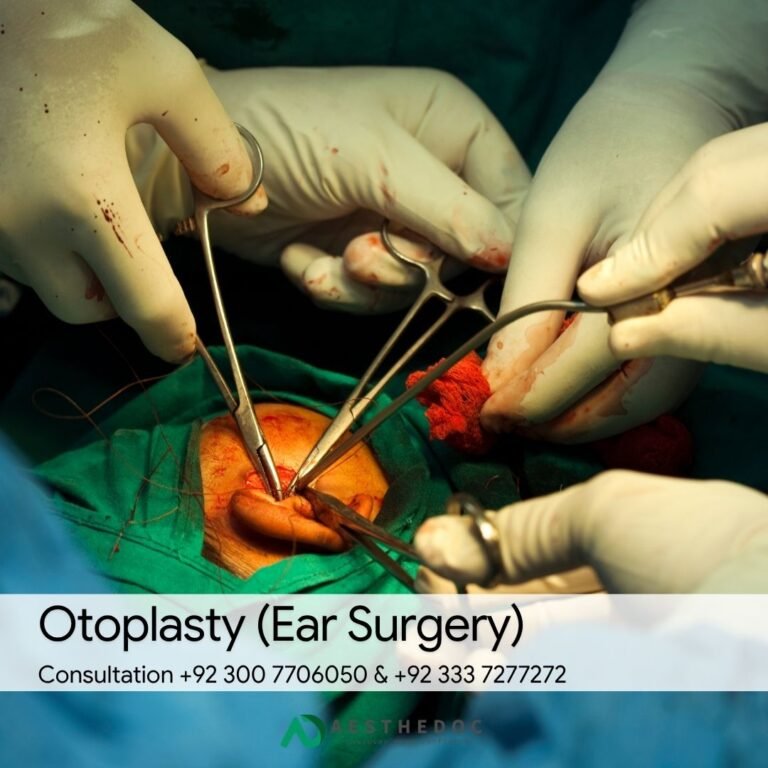
Ear Cartilage
If additional cartilage is needed, cartilage may be harvested from the ear.
Ear cartilage is commonly used for:
- Tip refinement
- Minor reconstruction
- Structural support
Harvesting cartilage from the ear generally does not noticeably change the ear’s appearance.
Rib Cartilage
Complex cases or revision surgery may require rib cartilage.
Benefits include:
- Strong structural support
- Large graft volume
- Long-term stability
Preserving Nasal Function
While improving appearance, the surgeon also aims to maintain normal breathing.
During Tip Plasty, care is taken to:
- Preserve the nasal airway
- Maintain structural support
- Avoid internal collapse
- Protect the nasal valves
Maintaining both function and appearance is an important principle of modern nasal surgery.
Closing the Incisions
After reshaping the tip:
- Fine sutures are placed
- Symmetry is reassessed
- The nasal tip is carefully supported
- A light dressing or splint may be applied if required
The procedure is completed once the desired refinement has been achieved.
How Long Does Tip Plasty Take?
The duration varies according to surgical complexity.
| Procedure | Estimated Surgical Time |
|---|---|
| Tip Plasty Only | 1–2 hours |
| Complex Tip Reconstruction | 2–3 hours |
| Combined with Rhinoplasty | 2–4 hours |
| Combined with Septorhinoplasty | 3–5 hours |
Recovery After Tip Plasty
Recovery following Tip Plasty is generally faster than recovery after full rhinoplasty because only the nasal tip is addressed.
Most patients experience gradual improvement over several weeks.
First 24 Hours
Patients commonly experience:
- Mild discomfort
- Swelling
- Slight bruising
- Nasal congestion
- Tightness around the tip
These symptoms usually improve during the first week.
Days 2–7
During the first week:
- Swelling reaches its peak
- Bruising begins to improve
- Patients are encouraged to rest
- The head should remain elevated
Avoid:
- Smoking
- Heavy lifting
- Nose blowing
- Strenuous physical activity
Week One
At approximately one week:
- External dressings or splints may be removed
- Visible swelling begins to decrease
- Most patients return to desk work
Residual swelling is expected.
Weeks 2–4
Patients often notice:
- Better tip definition
- Improved contour
- Increased comfort
- Better confidence
Swelling continues to resolve gradually.
Months 2–6
Subtle refinement continues as healing progresses.
The nasal tip gradually softens and assumes its final shape.
Six to Twelve Months
Complete healing takes time.
The final result becomes increasingly apparent as residual swelling resolves, particularly in patients with thicker skin.
Recovery Timeline
| Time After Surgery | Typical Recovery |
|---|---|
| Day 1 | Mild swelling and discomfort |
| Week 1 | Splint or dressing removal (if used) |
| Week 2 | Most bruising resolves |
| Month 1 | Significant swelling decreases |
| Month 3 | Improved tip definition |
| Month 6 | Continued refinement |
| Month 12 | Final results generally visible |
Aftercare Instructions
Patients are encouraged to follow all postoperative guidance provided by their specialist.
General recommendations include:
- Sleep with the head elevated
- Avoid touching or pressing the nose
- Avoid smoking
- Stay hydrated
- Eat a protein-rich diet
- Protect the nose from accidental injury
- Avoid strenuous exercise until approved
- Attend all scheduled follow-up visits
- Take prescribed medications as directed
Benefits of Tip Plasty
Potential benefits include:
- Better nasal tip definition
- Correction of a bulbous tip
- Improved facial harmony
- Enhanced nasal symmetry
- Balanced tip projection
- Correction of tip drooping
- Long-lasting refinement
- Preservation of nasal function
- Increased confidence
- Natural-looking cosmetic enhancement
Expected Results
The goal of Tip Plasty is to create a refined, proportionate nasal tip that complements the rest of the face.
Possible improvements include:
- Better tip definition
- Improved symmetry
- Balanced projection
- Refined contour
- Reduced bulbosity
- More youthful appearance
- Enhanced facial proportions
Final results continue to improve over several months as swelling gradually subsides.
Before and After Expectations
Patients should understand that Tip Plasty is intended to refine—not completely transform—the appearance of the nose.
Realistic expectations include:
- Subtle, natural-looking enhancement
- Improved facial balance
- Better-defined nasal tip
- Preservation of individual facial characteristics
- Long-term structural stability
Careful planning, conservative cartilage reshaping, and personalized surgical techniques help achieve results that harmonize with each patient’s unique facial features.
Risks and Possible Complications of Tip Plasty
Tip Plasty is generally considered a safe cosmetic surgical procedure when performed by an experienced Plastic, Reconstructive and Cosmetic Surgery Specialist. However, as with any surgical procedure, there are potential risks that should be discussed during your consultation.
Possible complications include:
- Bleeding
- Infection
- Swelling
- Bruising
- Temporary numbness of the nasal tip
- Delayed wound healing
- Scar formation (particularly with the open approach)
- Tip asymmetry
- Overcorrection
- Undercorrection
- Persistent tip swelling
- Cartilage irregularities
- Skin contour irregularities
- Temporary breathing discomfort
- Reaction to anesthesia
- Need for revision surgery
Most complications are uncommon and can often be minimized through careful surgical planning, meticulous technique, and adherence to postoperative instructions.
How to Reduce the Risk of Complications
Patients can help optimize their recovery by:
- Choosing an experienced surgical specialist
- Following all preoperative instructions
- Stopping smoking before and after surgery
- Avoiding blood-thinning medications unless medically necessary
- Taking prescribed medications as directed
- Keeping follow-up appointments
- Avoiding strenuous physical activity during recovery
- Protecting the nose from accidental trauma
- Maintaining a healthy diet and adequate hydration
Successful outcomes are a partnership between the patient and the surgical team.
Success Rate of Tip Plasty
Tip Plasty has a high rate of patient satisfaction when performed for appropriate indications. Patients often report improved facial harmony and greater confidence following recovery.
Factors influencing success include:
- Cartilage quality
- Skin thickness
- Facial proportions
- Surgical technique
- Healing characteristics
- Patient expectations
- Compliance with postoperative care
The goal is to create a refined nasal tip that appears natural rather than obviously altered.
Estimated Tip Plasty Cost in Pakistan
The cost of Tip Plasty varies according to the complexity of the procedure, whether cartilage grafting is required, anesthesia, hospital charges, and whether it is combined with rhinoplasty.
Estimated Price Table
| Procedure | Estimated Cost (PKR) |
|---|---|
| Consultation | 3,000 – 10,000 |
| Tip Plasty (Local Anesthesia) | 100,000 – 200,000 |
| Tip Plasty (General Anesthesia) | 150,000 – 280,000 |
| Tip Plasty with Rhinoplasty | 250,000 – 600,000 |
| Revision Tip Plasty | 350,000 – 700,000 |
Disclaimer: These prices are approximate estimates for informational purposes only. Actual treatment costs vary depending on the patient’s anatomy, surgical complexity, investigations, anesthesia, hospital charges, and the personalized treatment plan discussed during consultation.
Estimated Tip Plasty Cost Around the World
Costs vary between countries depending on surgeon expertise, healthcare infrastructure, operating facility fees, and the complexity of treatment.
| Country | Estimated Cost |
|---|---|
| 🇵🇰 Pakistan | USD 700 – 2,000 |
| 🇮🇳 India | USD 1,200 – 3,000 |
| 🇹🇷 Turkey | USD 2,000 – 4,500 |
| 🇹🇭 Thailand | USD 2,000 – 4,500 |
| 🇲🇾 Malaysia | USD 2,000 – 4,000 |
| 🇦🇪 UAE (Dubai) | USD 3,500 – 7,000 |
| 🇰🇷 South Korea | USD 4,000 – 8,000 |
| 🇬🇧 United Kingdom | USD 5,500 – 10,000 |
| 🇨🇦 Canada | USD 5,000 – 9,000 |
| 🇺🇸 United States | USD 6,000 – 12,000+ |
Frequently Asked Questions (FAQs)
What is Tip Plasty?
Tip Plasty is a cosmetic surgical procedure that reshapes the tip of the nose without making major changes to the nasal bridge or overall nose structure.
Is Tip Plasty different from rhinoplasty?
Yes. Rhinoplasty can reshape the entire nose, while Tip Plasty focuses only on improving the appearance of the nasal tip.
Can Tip Plasty improve a bulbous nose?
Yes. One of the most common reasons for Tip Plasty is to refine a bulbous or rounded nasal tip.
Does Tip Plasty improve breathing?
Tip Plasty is primarily a cosmetic procedure. If breathing problems are present, additional procedures such as septoplasty or septorhinoplasty may be recommended.
How long does Tip Plasty take?
Most procedures take between 1 and 2 hours, depending on the complexity of the surgery.
Is Tip Plasty painful?
Most patients experience mild discomfort rather than severe pain, which is usually well managed with prescribed medication.
Will there be visible scars?
Closed Tip Plasty leaves no visible external scars. Open Tip Plasty involves a small incision on the columella that generally becomes much less noticeable over time.
How long is recovery?
Most patients return to office work within one week, while subtle swelling continues to improve over several months.
When will I see the final results?
Although early improvements are visible within weeks, the final appearance generally develops over 6–12 months.
Can Tip Plasty be combined with rhinoplasty?
Yes. Many patients undergo Tip Plasty as part of a comprehensive rhinoplasty procedure.
Will the results look natural?
The objective is to enhance tip definition while maintaining harmony with the rest of the face and preserving your natural features.
Can Tip Plasty correct a drooping nasal tip?
Yes. Surgical techniques can reposition and support the nasal tip to improve projection and rotation.
Can Tip Plasty correct asymmetry?
Yes. Mild to moderate tip asymmetry can often be improved through cartilage reshaping and suturing techniques.
Is Tip Plasty permanent?
The structural changes are intended to be long-lasting, although the natural aging process continues over time.
Is there an ideal age for Tip Plasty?
The procedure is generally recommended after facial growth is complete. Suitability depends on anatomy, overall health, and treatment goals rather than age alone.
Why Choose Aesthedoc Clinic?
At Aesthedoc Clinic, we believe that successful nasal tip refinement requires precision, artistry, and individualized planning. Our experienced Plastic, Reconstructive and Cosmetic Surgery Specialists evaluate every aspect of your facial proportions and nasal anatomy to develop a treatment plan that achieves balanced, natural-looking results.
Our approach includes:
- Comprehensive facial assessment
- Personalized treatment planning
- Modern cartilage-preserving techniques
- Evidence-based surgical care
- Preservation of nasal function
- Advanced reconstruction when needed
- Compassionate patient-centered care
- Thorough postoperative follow-up
- Commitment to safety and natural aesthetics
- Confidential consultations
Whether you are seeking correction of a bulbous tip, drooping tip, poor definition, or asymmetry, our team is committed to providing individualized care tailored to your goals.
Related Procedures
Patients interested in Tip Plasty may also wish to explore:
- Rhinoplasty
- Revision Rhinoplasty
- Septorhinoplasty
- Alar Base Reduction
- Chin Augmentation
- Buccal Fat Removal
- Lip Lift
- Facelift
- Neck Lift
- Blepharoplasty
Conclusion
Tip Plasty is an effective option for individuals who wish to refine the appearance of their nasal tip without undergoing a full rhinoplasty. By improving definition, projection, rotation, and symmetry, the procedure can enhance facial harmony while preserving the natural character of the nose.
Every patient’s anatomy and aesthetic goals are unique, making individualized consultation and surgical planning essential for achieving satisfying, long-lasting results.
Book Your Tip Plasty Consultation at Aesthedoc Clinic
If you are considering Tip Plasty (Nasal Tip Surgery), Aesthedoc Clinic offers personalized consultations with experienced Plastic, Reconstructive and Cosmetic Surgery Specialists who provide individualized treatment plans based on your facial anatomy and aesthetic goals.
Whether you wish to refine a bulbous tip, lift a drooping nose, improve symmetry, or achieve better nasal definition, our team is dedicated to providing safe, evidence-based care with natural-looking results.
Schedule Your Consultation Today
📞 Phone: 0333-7277272 | 0300-7706050
📧 Email: info@aesthedoc.com
Book your confidential consultation with Aesthedoc Clinic to discuss your treatment options and take the next step toward enhancing your facial harmony.