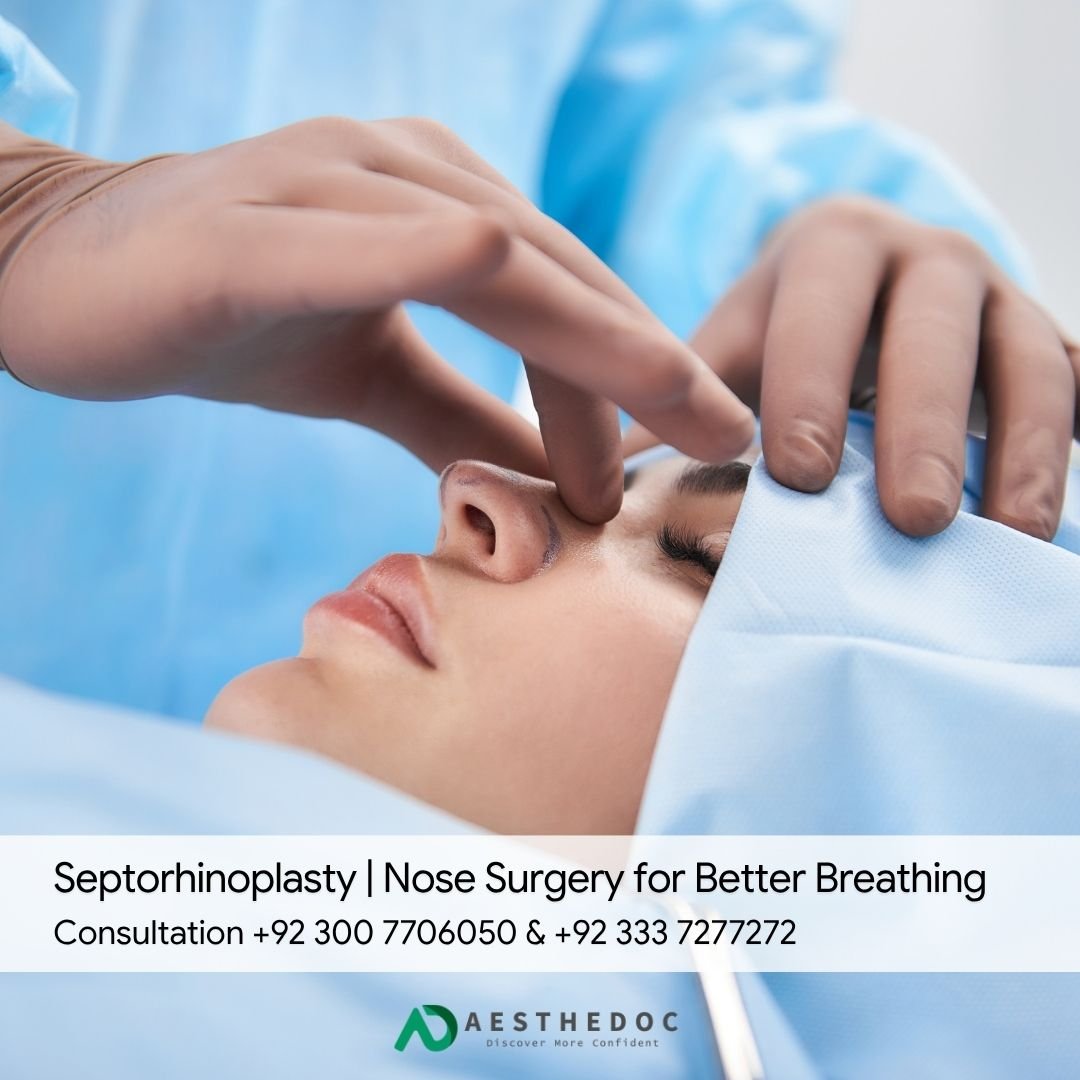
Septorhinoplasty is a specialized surgical procedure that combines septoplasty (correction of a deviated nasal septum) with rhinoplasty (nose reshaping surgery). This combined operation is performed to improve both the appearance of the nose and its function, allowing patients to breathe more comfortably while achieving better facial balance.
Many individuals suffer from breathing difficulties caused by a deviated nasal septum, a condition in which the thin wall separating the two nasal passages is displaced to one side. A deviated septum may lead to chronic nasal blockage, mouth breathing, snoring, recurrent sinus infections, headaches, and reduced quality of life. At the same time, some patients are also concerned about cosmetic issues such as a crooked nose, a prominent nasal hump, a bulbous tip, or asymmetry following injury or congenital development.
Rather than undergoing two separate operations, septorhinoplasty addresses both functional and cosmetic concerns during a single procedure. By correcting the internal nasal structures and reshaping the external nose, patients can often enjoy improved breathing, enhanced facial harmony, and long-lasting results.
At Aesthedoc Clinic, septorhinoplasty is performed by experienced Plastic, Reconstructive and Cosmetic Surgery Specialists using modern surgical techniques and individualized treatment planning. Every patient receives a comprehensive consultation that includes evaluation of nasal function, facial anatomy, and aesthetic goals to create a personalized surgical plan.
Whether you wish to improve nasal airflow, repair a deviated septum after injury, or achieve a more balanced nose shape, septorhinoplasty offers a comprehensive solution tailored to your individual needs.
What is Septorhinoplasty?
Septorhinoplasty is a surgical procedure that combines two operations into one:
- Septoplasty – Straightening the nasal septum to improve airflow and breathing.
- Rhinoplasty – Reshaping the external nose to improve appearance and facial harmony.
By addressing both the internal and external structures of the nose during a single operation, septorhinoplasty can enhance nasal function while also improving cosmetic appearance.
Unlike cosmetic rhinoplasty alone, septorhinoplasty is often recommended for patients who experience breathing difficulties due to structural abnormalities.
Septoplasty vs Rhinoplasty vs Septorhinoplasty
Many patients are unsure about the differences between these procedures.
| Procedure | Main Purpose |
|---|---|
| Septoplasty | Corrects a deviated septum to improve breathing. |
| Rhinoplasty | Reshapes the nose to improve appearance. |
| Septorhinoplasty | Combines functional correction and cosmetic reshaping in one surgery. |
Your specialist will recommend the most appropriate procedure based on your symptoms, examination findings, and treatment goals.
Why is Septorhinoplasty Performed?
Septorhinoplasty may be recommended for individuals with both cosmetic and functional concerns.
Common reasons include:
- Difficulty breathing through the nose
- Deviated nasal septum
- Crooked nose
- Nasal obstruction
- Nasal valve collapse
- Broken nose after trauma
- Prominent dorsal hump
- Bulbous nasal tip
- Drooping nasal tip
- Asymmetrical nostrils
- Congenital nasal deformities
- Previous nasal injury
- Persistent mouth breathing
- Snoring related to nasal blockage
- Chronic sinus symptoms associated with structural obstruction
The procedure aims to improve both appearance and nasal function without compromising either objective.
Signs You May Need Septorhinoplasty
You may benefit from septorhinoplasty if you experience one or more of the following:
- One-sided nasal blockage
- Difficulty breathing during exercise
- Frequent sinus infections
- Persistent mouth breathing
- Loud snoring
- Sleep disturbance due to nasal obstruction
- Crooked nose
- Nasal asymmetry
- Cosmetic dissatisfaction with the shape of your nose
- Previous nasal fracture
- Visible hump on the bridge
- Difficulty wearing glasses comfortably because of nasal deformity
A detailed examination by a qualified specialist is necessary to determine whether septorhinoplasty is the most appropriate treatment option.
Common Conditions Treated with Septorhinoplasty
Deviated Nasal Septum
A deviated septum occurs when the cartilage and bone dividing the nasal passages are displaced from the center.
This can cause:
- Chronic nasal obstruction
- Difficulty breathing
- Frequent sinus infections
- Headaches
- Nosebleeds
- Snoring
Septoplasty straightens the septum to improve airflow.
Crooked Nose
A crooked nose may result from congenital development or trauma.
Septorhinoplasty can improve:
- Nasal alignment
- Facial symmetry
- Airflow through the nasal passages
Nasal Fractures
Previous injuries may lead to:
- Crooked appearance
- Collapsed nasal bridge
- Difficulty breathing
- Asymmetry
Septorhinoplasty can reconstruct the nasal framework while restoring normal function.
Nasal Valve Collapse
The nasal valves are the narrowest part of the airway.
Weakness in this area may cause:
- Difficulty breathing
- Exercise intolerance
- Chronic congestion
Structural grafts may be used to restore support and improve airflow.
Bulbous Nasal Tip
Excess cartilage can create a broad or rounded nasal tip.
The specialist may refine the tip while preserving adequate structural support for long-term stability.
Dorsal Hump
A prominent hump on the nasal bridge can affect facial balance.
Septorhinoplasty can smooth the bridge while simultaneously correcting internal structural problems.
Functional Benefits of Septorhinoplasty
Unlike cosmetic rhinoplasty alone, septorhinoplasty focuses heavily on improving nasal function.
Potential functional benefits include:
- Easier breathing
- Improved airflow
- Reduced nasal blockage
- Better sleep quality
- Less mouth breathing
- Reduced snoring associated with nasal obstruction
- Improved exercise tolerance
- Better quality of life
Improved breathing is often one of the primary reasons patients choose this procedure.
Cosmetic Benefits
In addition to improving breathing, septorhinoplasty can enhance facial harmony.
Possible cosmetic improvements include:
- Straighter nose
- Smaller dorsal hump
- Better tip definition
- Improved nasal symmetry
- Balanced facial proportions
- More refined profile
- Correction of post-traumatic deformities
- Natural-looking nasal contour
The goal is to create a nose that complements your facial features while maintaining normal function.
Who is a Good Candidate?
You may be a suitable candidate if you:
- Have a deviated nasal septum
- Experience chronic nasal obstruction
- Wish to improve the appearance of your nose
- Have completed facial growth
- Are in good general health
- Have realistic expectations
- Do not smoke or are willing to stop before surgery
- Have persistent breathing difficulties despite medical treatment
A personalized consultation is essential to determine whether surgery is appropriate.
Who May Not Be a Suitable Candidate?
Septorhinoplasty may need to be delayed or avoided in individuals with:
- Active nasal or sinus infection
- Uncontrolled medical conditions
- Untreated bleeding disorders
- Unrealistic expectations
- Ongoing smoking that may impair healing
- Incomplete facial growth
Your specialist will evaluate your medical history to ensure that surgery is both safe and appropriate.
Types of Septorhinoplasty
Several surgical techniques may be used depending on your anatomy and treatment goals.
Open Septorhinoplasty
Provides excellent visibility for complex functional and cosmetic correction.
Suitable for:
- Significant deformities
- Trauma
- Revision surgery
- Extensive reconstruction
Closed Septorhinoplasty
All incisions are placed inside the nostrils.
Advantages include:
- No visible external scar
- Less tissue disruption in selected cases
- Faster recovery for appropriately selected patients
Functional Septorhinoplasty
Primarily focuses on improving breathing while making minimal cosmetic changes.
Cosmetic Septorhinoplasty
Combines airway correction with comprehensive aesthetic refinement.
Consultation and Evaluation
Every successful septorhinoplasty begins with a comprehensive consultation.
Your specialist will evaluate:
- Nasal airflow
- Septal deviation
- Nasal valve function
- Facial proportions
- Skin thickness
- Cartilage strength
- Previous injuries
- Medical history
- Cosmetic concerns
- Functional symptoms
Clinical photographs may be taken to assist with surgical planning and to document your preoperative appearance.
Preparing for Septorhinoplasty
Before surgery, patients are typically advised to:
- Stop smoking several weeks before surgery
- Avoid blood-thinning medications if medically appropriate
- Complete recommended laboratory investigations
- Arrange transportation home after surgery
- Prepare a comfortable recovery area
- Follow fasting instructions before anesthesia
Following preoperative instructions carefully can help reduce the risk of complications and support a smoother recovery.
Preparing for Septorhinoplasty Surgery
Successful septorhinoplasty begins long before the operation itself. Careful preparation helps reduce surgical risks, supports smoother healing, and allows the specialist to develop an individualized treatment plan based on your nasal anatomy and breathing function.
Before surgery, your specialist may recommend:
- Comprehensive medical evaluation
- Physical examination of the nose
- Airway assessment
- Blood investigations
- Clinical photographs
- CT scan of the nose or sinuses (when indicated)
- Review of previous nasal surgery records (if applicable)
- Stopping smoking at least 4–6 weeks before surgery
- Avoiding aspirin and certain blood-thinning medications under medical supervision
- Maintaining a healthy diet
- Staying well hydrated
- Arranging transportation home after surgery
- Preparing a comfortable recovery area
Patients should always follow the personalized instructions provided during their consultation.
Step-by-Step Septorhinoplasty Procedure
Although every patient receives a customized treatment plan, most septorhinoplasty procedures follow a similar sequence.
Step 1 – Administration of Anesthesia
Septorhinoplasty is most commonly performed under general anesthesia, allowing the specialist to perform both functional and cosmetic corrections comfortably and safely.
During surgery, the anesthesia team continuously monitors:
- Heart rate
- Blood pressure
- Oxygen levels
- Breathing
- Body temperature
Step 2 – Surgical Incisions
Depending on the complexity of the surgery, either an open or closed approach is used.
Open Septorhinoplasty
A small incision is placed across the columella (the tissue between the nostrils), allowing excellent visualization of the nasal framework.
This technique is particularly useful for:
- Complex deformities
- Crooked noses
- Severe septal deviation
- Trauma reconstruction
- Revision surgery
Closed Septorhinoplasty
All incisions remain inside the nostrils.
Benefits include:
- No visible external scar
- Reduced tissue dissection
- Faster recovery in selected patients
The most appropriate technique depends on the patient’s anatomy and surgical goals.
Septoplasty (Correcting the Deviated Septum)
The first stage of surgery often involves correcting the nasal septum.
The specialist carefully:
- Repositions the deviated septum
- Removes obstructing cartilage where necessary
- Preserves structural support
- Straightens the nasal airway
The objective is to improve airflow while maintaining long-term nasal stability.
Rhinoplasty (Reshaping the Nose)
After correcting the septum, attention is directed toward the external appearance of the nose.
Possible refinements include:
- Removing a dorsal hump
- Straightening a crooked bridge
- Narrowing wide nasal bones
- Refining the nasal tip
- Improving tip projection
- Correcting asymmetry
- Adjusting nostril size
- Improving overall facial harmony
Every change is planned to achieve natural-looking results while preserving nasal function.
Cartilage Grafting
Some patients require additional structural support during septorhinoplasty.
Cartilage grafts help:
- Strengthen the nose
- Improve airflow
- Prevent collapse
- Enhance tip support
- Improve long-term stability
Septal Cartilage
The septum is usually the first choice because it provides strong, well-shaped cartilage.
Ear Cartilage
If septal cartilage is insufficient, cartilage from the ear may be used.
Ear cartilage is particularly suitable for:
- Tip refinement
- Minor reconstruction
- Structural support
Rib Cartilage
Complex reconstruction may require rib cartilage.
It offers:
- Excellent strength
- Large graft volume
- Long-term support
Rib cartilage is generally reserved for extensive reconstruction or revision procedures.
Nasal Valve Reconstruction
Some patients have narrowed or weakened nasal valves that restrict airflow.
The specialist may reconstruct these structures using cartilage grafts to improve:
- Breathing
- Exercise tolerance
- Sleep quality
- Long-term airway stability
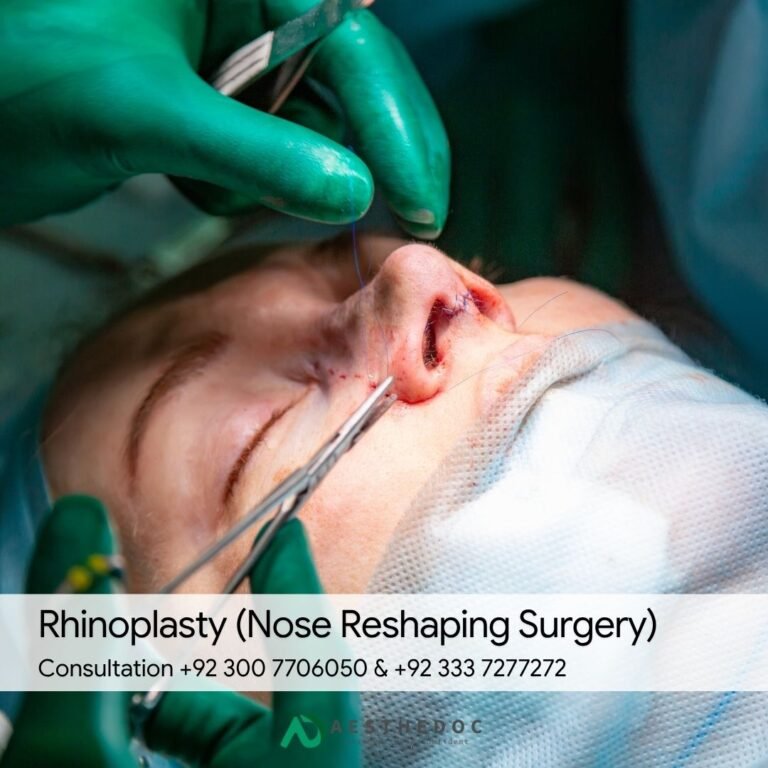
Closing the Incisions
After completing the functional and cosmetic corrections:
- Incisions are closed using fine sutures
- Internal supports may be placed if required
- An external splint is applied to protect the new nasal shape during early healing
How Long Does Septorhinoplasty Take?
The duration depends on the complexity of the surgery.
| Procedure | Estimated Operating Time |
|---|---|
| Simple Septorhinoplasty | 2–3 hours |
| Moderate Correction | 3–4 hours |
| Complex Reconstruction | 4–6 hours |
| Revision Septorhinoplasty | 5–7 hours |
Recovery After Septorhinoplasty
Healing occurs gradually. Although many patients return to routine activities within a few weeks, complete refinement continues over several months.
First 24 Hours
Patients commonly experience:
- Mild discomfort
- Swelling
- Bruising around the eyes
- Nasal congestion
- Slight blood-stained drainage
These effects are expected and generally improve with time.
Days 2–7
During the first week:
- Swelling reaches its maximum
- Bruising begins to improve
- Nasal splint remains in place
- Breathing remains limited because of swelling
Patients should:
- Rest
- Keep the head elevated
- Stay hydrated
- Take prescribed medications
- Avoid nose blowing
Week One
Around one week after surgery:
- External splint is usually removed
- Any visible sutures may be removed
- Bruising continues to improve
- Light daily activities can often be resumed
Weeks 2–4
Patients usually notice:
- Improved breathing
- Reduced swelling
- Better comfort
- Increasing confidence
Many people return to office work during this stage.
Months 1–3
The nose continues to refine.
Patients notice:
- Better tip definition
- Straighter profile
- Improved symmetry
- Easier breathing
Six to Twelve Months
Subtle swelling gradually resolves.
The final appearance of the nose typically becomes evident within 12 months, although healing may continue for up to 18 months in complex cases.
Recovery Timeline
| Recovery Stage | Expected Progress |
|---|---|
| Day 1 | Mild discomfort and swelling |
| Week 1 | Splint removal |
| Week 2 | Bruising mostly resolves |
| Month 1 | Significant swelling decreases |
| Month 3 | Improved contour and breathing |
| Month 6 | Most healing complete |
| Month 12 | Final results generally visible |
Recovery Tips
Following postoperative instructions can help support healing and optimize surgical outcomes.
Patients are generally advised to:
- Sleep with the head elevated
- Avoid smoking
- Avoid alcohol during early recovery
- Protect the nose from injury
- Avoid strenuous exercise
- Do not wear heavy glasses until approved
- Eat protein-rich foods
- Stay hydrated
- Attend all follow-up appointments
Benefits of Septorhinoplasty
Septorhinoplasty provides both cosmetic enhancement and functional improvement.
Potential benefits include:
- Easier nasal breathing
- Improved airflow
- Correction of a deviated septum
- Straighter nose
- Better facial balance
- Improved nasal symmetry
- Reduced snoring caused by nasal obstruction
- Better sleep quality
- Improved exercise tolerance
- Correction of post-traumatic deformities
- Long-lasting structural support
- Increased confidence
For many patients, combining septoplasty and rhinoplasty into one operation reduces the need for separate surgeries and allows a single recovery period.
Expected Results
The aim of septorhinoplasty is to achieve a nose that not only looks natural but also functions effectively.
Depending on your individual condition, surgery may improve:
- Nasal airflow
- Breathing comfort
- Facial harmony
- Bridge contour
- Tip definition
- Nasal symmetry
- Overall profile
- Quality of life
Results continue to improve as swelling gradually resolves over the months following surgery.
Risks and Possible Complications of Septorhinoplasty
Like all surgical procedures, septorhinoplasty carries potential risks. Most patients recover without significant problems when surgery is performed by a qualified Plastic, Reconstructive and Cosmetic Surgery Specialist and postoperative instructions are carefully followed.
Potential risks include:
- Bleeding
- Infection
- Swelling
- Bruising around the eyes
- Temporary numbness of the nose
- Nasal congestion during healing
- Delayed wound healing
- Scar tissue formation
- Asymmetry
- Persistent nasal obstruction
- Septal perforation (rare)
- Changes in skin sensation
- Unsatisfactory cosmetic outcome
- Need for revision surgery
- Reaction to anesthesia
Although complications are uncommon, patients should contact their healthcare provider if they experience severe pain, excessive bleeding, fever, increasing redness, or signs of infection.
How to Minimize Surgical Risks
Patients can improve healing and reduce complications by following their specialist’s recommendations.
Helpful measures include:
- Stop smoking several weeks before surgery.
- Follow all medication instructions.
- Attend scheduled follow-up appointments.
- Avoid heavy lifting and strenuous exercise during recovery.
- Protect the nose from accidental injury.
- Sleep with the head elevated.
- Maintain a balanced, protein-rich diet.
- Stay well hydrated.
- Avoid blowing the nose until advised.
Good postoperative care plays an important role in achieving the best possible outcome.
Septorhinoplasty Success Rate
Septorhinoplasty is widely performed to improve both nasal function and appearance. Many patients experience better breathing, improved facial harmony, and long-term satisfaction when surgery is carefully planned and tailored to their individual anatomy.
Successful outcomes depend on:
- The severity of the nasal deformity
- The extent of septal deviation
- Skin thickness
- Healing characteristics
- Cartilage quality
- Surgical planning
- Patient expectations
- Adherence to postoperative instructions
Estimated Septorhinoplasty Cost in Pakistan
The cost of septorhinoplasty varies depending on the complexity of the procedure, whether cartilage grafts are required, hospital charges, anesthesia, diagnostic investigations, and postoperative care.
Estimated Price Table
| Procedure | Estimated Cost (PKR) |
|---|---|
| Consultation | 3,000 – 10,000 |
| Septoplasty Only | 120,000 – 250,000 |
| Septorhinoplasty | 220,000 – 550,000 |
| Complex Septorhinoplasty | 350,000 – 750,000 |
| Revision Septorhinoplasty | 500,000 – 1,000,000 |
Disclaimer: These prices are approximate estimates for informational purposes only. Actual treatment costs vary depending on the patient’s condition, surgical complexity, hospital fees, anesthesia, investigations, and the personalized treatment plan discussed during consultation.
Estimated Septorhinoplasty Cost Around the World
Septorhinoplasty costs vary internationally because of differences in healthcare systems, surgeon experience, operating facility charges, and overall medical costs.
| Country | Estimated Cost |
|---|---|
| 🇵🇰 Pakistan | USD 900 – 2,500 |
| 🇮🇳 India | USD 1,800 – 4,000 |
| 🇹🇷 Turkey | USD 2,500 – 5,500 |
| 🇹🇭 Thailand | USD 2,500 – 5,000 |
| 🇲🇾 Malaysia | USD 2,500 – 5,500 |
| 🇦🇪 UAE (Dubai) | USD 5,000 – 9,500 |
| 🇰🇷 South Korea | USD 4,500 – 9,000 |
| 🇬🇧 United Kingdom | USD 7,500 – 13,000 |
| 🇨🇦 Canada | USD 6,500 – 11,000 |
| 🇺🇸 United States | USD 9,000 – 16,000+ |
Frequently Asked Questions (FAQs)
What is the difference between septoplasty and septorhinoplasty?
Septoplasty corrects a deviated nasal septum to improve breathing, while septorhinoplasty combines septoplasty with cosmetic rhinoplasty to improve both function and appearance.
Does septorhinoplasty improve breathing?
Yes. Correcting the deviated septum and supporting the nasal airway can significantly improve airflow in appropriate patients.
Will my nose look different after surgery?
Yes. Septorhinoplasty reshapes the external nose while correcting internal structural problems.
Is septorhinoplasty painful?
Most patients report mild to moderate discomfort rather than severe pain. Prescribed medications help manage discomfort during recovery.
How long does the surgery take?
Most procedures take between 2 and 6 hours depending on complexity.
How long is recovery?
Many patients return to office work within one to two weeks, while complete healing continues for up to twelve months.
Will I have visible scars?
Closed septorhinoplasty leaves no visible external scars. Open septorhinoplasty leaves a small scar on the columella that usually fades over time.
Can septorhinoplasty correct a broken nose?
Yes. It is commonly performed after nasal trauma to restore both breathing and appearance.
Can I combine septorhinoplasty with other facial procedures?
Depending on your individual goals and medical assessment, selected facial procedures may sometimes be performed during the same surgical session.
Will insurance cover septorhinoplasty?
If the procedure is performed primarily to correct breathing problems or functional nasal obstruction, some insurance providers may offer coverage depending on the policy. Cosmetic components are generally not covered. Patients should verify coverage directly with their insurance provider.
Can a deviated septum return after surgery?
In most cases, correction is long-lasting, although healing patterns, trauma, or rare structural changes may affect long-term results.
When can I exercise again?
Light walking is encouraged early during recovery, but strenuous exercise should only be resumed after approval from your specialist.
When will I see the final result?
Although breathing often improves earlier, the final cosmetic result generally develops over 12 months as swelling gradually resolves.
Is septorhinoplasty permanent?
The structural improvements are intended to be long-lasting, although natural aging continues throughout life.
Can smoking affect healing?
Yes. Smoking can delay healing and increase the risk of complications. Patients are encouraged to stop smoking before and after surgery.
Why Choose Aesthedoc Clinic?
Choosing the right clinic is an important step when considering septorhinoplasty.
At Aesthedoc Clinic, every patient receives a comprehensive consultation with experienced Plastic, Reconstructive and Cosmetic Surgery Specialists who develop individualized treatment plans based on each patient’s anatomy, breathing function, and cosmetic goals.
Our approach includes:
- Personalized treatment planning
- Comprehensive airway assessment
- Modern surgical techniques
- Functional and cosmetic correction
- Advanced reconstructive methods when required
- Patient-centered care
- Comprehensive postoperative follow-up
- Commitment to safety and evidence-based practice
- Confidential consultations
- Long-term support throughout recovery
Whether your primary concern is difficulty breathing, a deviated septum, nasal asymmetry, or improving facial harmony, our team is dedicated to providing compassionate, individualized care.
Related Procedures
Patients interested in septorhinoplasty may also wish to explore:
- Rhinoplasty
- Revision Rhinoplasty
- Alar Base Reduction
- Tip Plasty
- Chin Augmentation
- Buccal Fat Removal
- Facelift
- Neck Lift
- Blepharoplasty
- Otoplasty
Conclusion
Septorhinoplasty is a comprehensive surgical procedure that addresses both nasal function and appearance in a single operation. By correcting a deviated septum and reshaping the external nose, patients can experience improved breathing, better facial balance, and enhanced confidence.
Careful evaluation, individualized planning, and realistic expectations are essential to achieving successful long-term outcomes. If you experience chronic nasal obstruction, have suffered a nasal injury, or wish to improve the appearance of your nose while enhancing breathing, a consultation with a qualified specialist can help determine the most appropriate treatment options.
Book Your Septorhinoplasty Consultation at Aesthedoc Clinic
If you are considering Septorhinoplasty, Aesthedoc Clinic offers comprehensive consultations with experienced Plastic, Reconstructive and Cosmetic Surgery Specialists who provide personalized assessment and advanced surgical care tailored to your needs.
Whether your goal is to improve nasal breathing, correct a deviated septum, or enhance the appearance of your nose, our team is committed to delivering safe, evidence-based treatment with compassionate patient care.
Schedule Your Consultation Today
📞 Phone: 0333-7277272 | 0300-7706050
📧 Email: info@aesthedoc.com
Book your confidential consultation with the surgical team at Aesthedoc Clinic and learn more about your personalized treatment options.